
Often misunderstood as a ‘rice wine,’ sake is a unique fermented alcoholic beverage made from rice, with a production process more akin to brewing beer than distilling spirits such as vodka or gin.
With thousands of breweries across Japan and an increasingly global following, sake has never been more diverse. But exactly which bottles and bars do leading sake sommeliers from around the world truly rate? Elite Traveler tapped the best in the business for their insider intel.

Where to find the best sake bottles
“Every brewing year producers are finding more and more creative ways to make sake,” says Anthony Yukio Takamoto, head sake sommelier at Kioku Sake Bar in London. “New styles, modernized techniques; it’s hard to keep up.”
Nowadays, “there’s more personality in the glass than there used to be, especially in bottles that put the rice or the local water front and center,” adds Francisco Afonso, general manager at Japanese sake bar Moto.
Water, in particular, can be a defining factor, says New York-based sake sommelier Fayee Wong. “People talk about the rice, koji, and yeast, but water also shapes fermentation and contributes to a brewery’s regional character,” she says. For Afonso, that connection to place is increasingly central to building a good sake collection. “More brewers are leaning into regional identity, places like Yamagata, Nara, and the Tohoku region in particular,” he says, noting a return among regional producers to traditional kimoto and yamahai methods.

Andrea García, sommelier at Nobu Hotel Madrid, also singles out Tohoku as a particularly fascinating sake-producing: “It offers unique climatic conditions and is producing some truly exceptional sakes.”
For Michele Orbolato, head of wine and sake at London’s Luna Omakase, one brewery in particular is worth seeking out: Toko in Yamagata, Japan. “The brewery dates back to 1597 and is one of the oldest in Japan. They produce beautifully pure, elegant sakes using local rice varieties and pure water, while bringing a modern touch to their style.”
Honey Spencer, sake sommelier and co-founder of London’s Sune, is another advocate of traditionally made sake. She recommends Te To Te, a sake from Gunma, northwest of Tokyo, made with natural yeasts using the kimoto method. “This sake is so unique and so wonderful with particular dishes such as smoked fish,” she says. “It isn’t one for those who like easy-drinking sake, however – you need a run-up at it.”
Spencer’s other favorite bottle is inspired by a recent gift: a bottle of IWA 5, a very rare Junmai Daiginko sake made in Toyama Prefecture by Shiraiwa Kura. “The brewery uses the philosophy of blending different sakes to achieve the balance they are after – much like the way champagne has historically been crafted,” she says. “It’s a fascinating approach to sake and a brilliant example of how much room there still is for innovation within such an ancient category.”

Despite the growing appetite for experimentation, Yukio Takamoto remains a fan of the classics. “I still love classic styles,” he admits. “The fundamentals are everything. To make mass-volume, reasonably priced sake is an art in itself.” In terms of producers to look out for, he recommends “Senkin, Hananoka (Ubusuna), Aramasa, Ryuusei, [and] Iwashimizu.”
Takamoto also points sake-curious drinkers toward an emerging style of alcoholic beverage: zaku concentration. “It’s sake but… concentrated, thick, luscious, and 30 percent ABV,” he says. “They utilize some Mitsubishi technology that takes out the moisture but leaves everything else.”
For collectors looking beyond contemporary styles, Jennifer Wagoner, global head of wine and sake at Zuma, recommends aged sake. “Koshu, or aged sake, is a very interesting style that experienced sake drinkers should look for as they develop their collection. It is aged for more than three years after brewing (sometimes decades more) and represents only about one percent of sake production.”
The aged sake reveals a nutty, savory taste with notes of caramel and dried fruit – and, Wagoner says that it makes for “one of those special bottlings that evokes thought and invites conversation.”
Afonso also recommends seeking out a good koshu or a proper namazake, an unpasteurized sake, particularly from a small producer. Both styles, he says, can challenge preconceived ideas about what sake can be. “A lot of collections are full of polished Daiginjo, and far fewer have an aged or nama.”
The best sake bars around the world

For sake bars, Japan, of course, reigns supreme. Afonso affirms the country’s capital is the place to be for sake lovers. “The specialist sake bars and izakayas there, especially the ones focused on regional or aged sake, are hard to beat.”
But there are venues of note outside of sake’s home country, too. In New York, experts flock to Sushi Nakazawa for its impressive collection, which recently won Best Sake List in the World’s Best Wine Lists Awards 2026 by The World of Fine Wine. “Their list is insane,” says Yukio Takamoto. Outside of New York, Wong’s personal favorite is Yagi Noodles in Newport, Rhode Island. “The list is thoughtfully curated, with an especially interesting selection of nama sake,” she says. “And I also appreciate that they keep their sake properly chilled.”
In Europe, Paris and Madrid both have strong offerings. “Paris has seriously ambitious collections,” says Afonso, crediting La Maison du Saké and EnYaa Saké & Champagne as hotspots. In Madrid, García recommends Shuwa Shuwa: “It was one of the first places where I began learning about and enjoying sake. The team includes certified sake sommeliers (kikisake-shi), and it’s an excellent venue for tastings, courses, and events.”
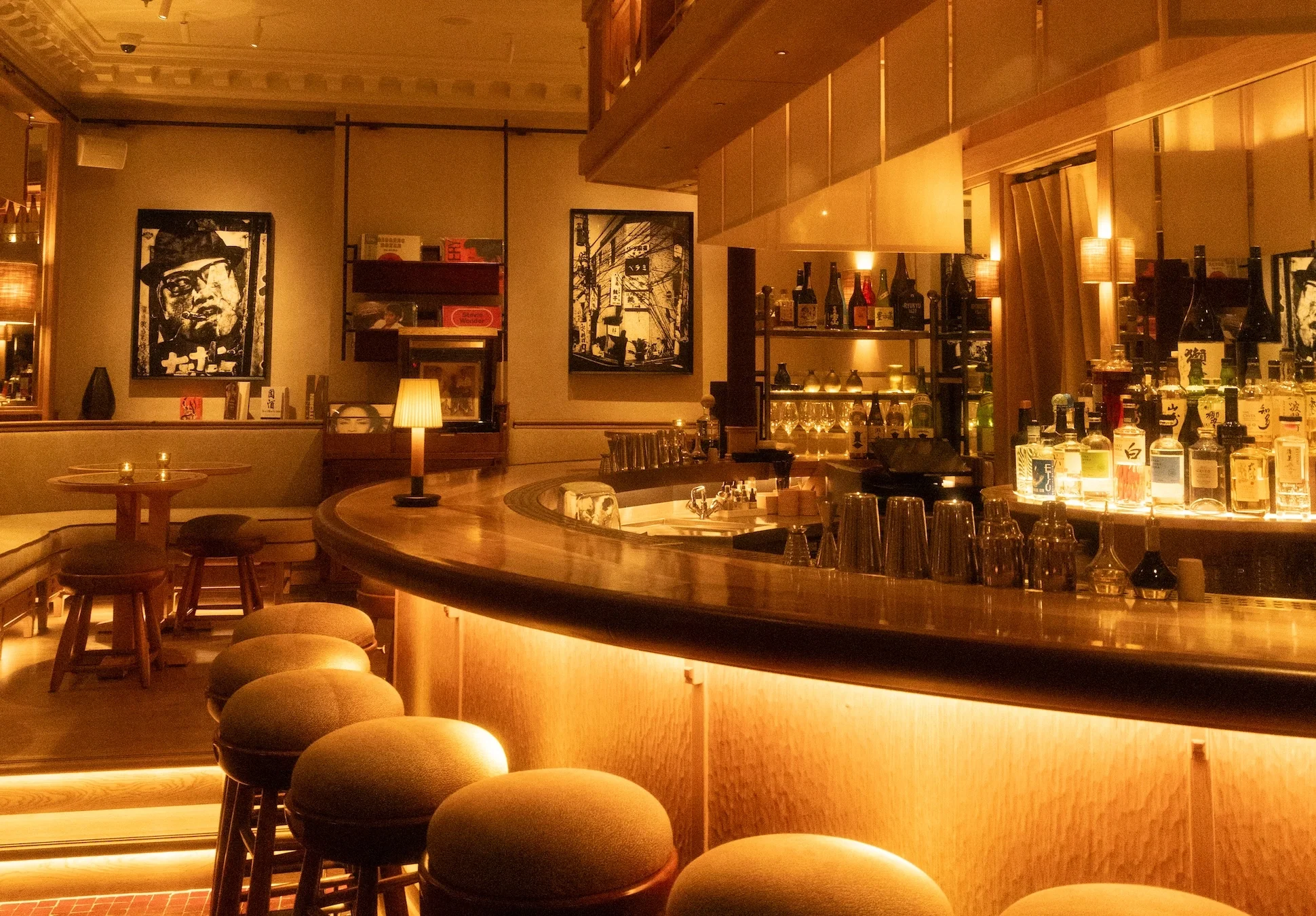
In London, Spencer and Sandia Chang, sommelier and co-founder of London’s Kitchen Table, confirm that Kioku Bar inside London’s Raffles at The OWO, is their sipping spot of choice. “My mentor in sake, Sake Samurai Natsuki Pim, has created an incredible selection there, and sommelier Anthony Yuiko is a brilliant host and storyteller,” says Spencer. “I would visit every week if my schedule allowed.”