


Now that his tenure as James Bond is done, Daniel Craig has taken a career change, joining the growing ranks of celebrity pub owners, including Guy Ritchie, Rick Astley, and Ian McKellen.
But running an old British boozer is more difficult than buying a handsome building and filling it with good beer. There are staffing headaches, rising costs, and the constant question of how to make the numbers work – not to mention keeping regulars happy when your grand plans involve changing the place they have visited for years.
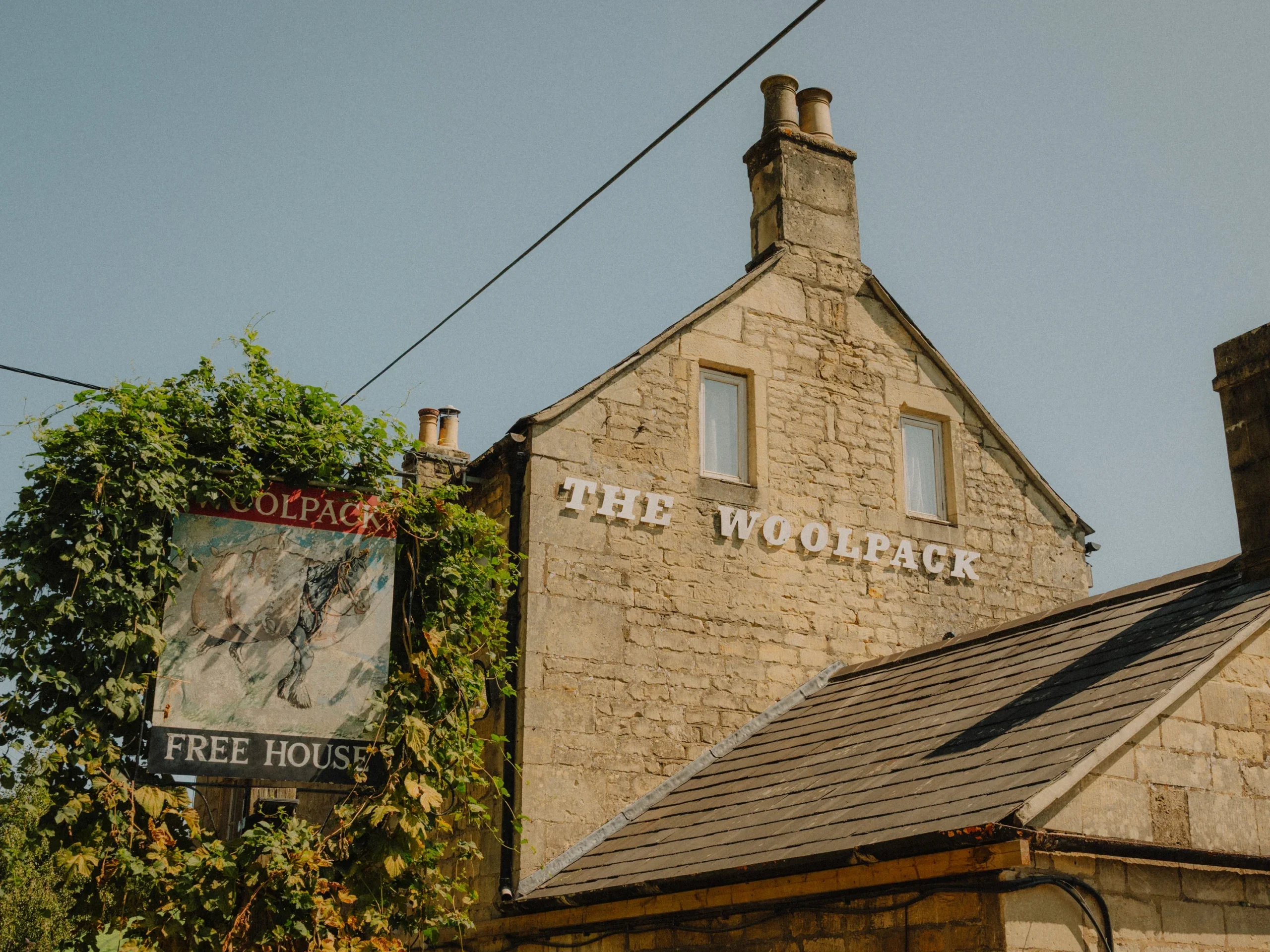
Daniel Chadwick discovered as much when he took over the Woolpack, a pub in the Cotswolds that, no matter who you ask – the National Restaurant Awards, National Gastro Pubs, National Pub Awards – all rank it as one of the top in the country. A former artist, Chadwick was hardly the obvious candidate for a career in publican life. But when he saw for sale the small, dilapidated pub in the Slad Valley, his pity for the empty building made him buy it outright. Far from the high-flying private jet trips to Zurich and visits to art fairs, his days now involved sourcing pork scratchings and figuring out the cash-and-carry stores.

Decades later, he still regards the decision as one of the best things he has done. But his experience has left him with a firm view of what makes a pub work. “There’s art, and there’s money, and then there’s people,” he says. “Pubs are about people.”
Before getting as far as choosing the drinks behind the bar or picking out furniture, a prospective owner needs to think carefully about the pub itself. Marc Francis-Baum, who owns Bar Works and recently opened the George and the Dragon in Clerkenwell, puts the location near the top of the list. “What’s its demographic? Are there enough [people] in that neighborhood who would visit your pub?” he asks. Rent is another major consideration. Freeholds can cost millions, and many pubs are owned by breweries or developers, leaving buyers to consider leasehold arrangements instead. Business rates and fixed costs need to be understood before the romance of the project takes over. “You’ve got to make sure your turnover and what you sell is going to be able to pay it, as well as all the other costs these days,” Francis-Baum cautions.

Even once the right site is secured, there is the question of what to do with it. A modern renovation can make a pub more inviting, but it can also erase the character that drew people there. Francis-Baum has seen how easily a traditional local can be over-refined, with some pubs losing their appeal if they were “shushed up” to suit a more affluent clientele.
At the George and the Dragon, “I leaned into it being old,” he says. Its mosaic floor, tiled walls, and bar were worth preserving; the bar is so large that its listed status effectively rules out moving it. Rather than installing a matching set of new furniture, Francis-Baum opted for Victorian-style lighting and a mixture of tables, chairs, and stools. “You could have got very new furniture that’s all matching,” he says, “and that would have given it a totally different feel, maybe even a bit more of a foodie feel.” The aim was to retain the easy, slightly mismatched atmosphere of a proper boozer.
Adam Glover, head chef at the Woolpack, has a similar suspicion of pub makeovers that mistake a familiar look for authenticity. In the Cotswolds, he says, it can seem as though “every country pub has been given the same sage-green paint and hunting pictures.” The Woolpack is deliberately “kind of shabby, and it’s quite rough around the edges,” he says. “It’s not trying too hard.” The bar is “very much the bar, and that’s the heart of it,” shaped by the people who use it rather than a designer’s idea of what a country pub should look like.

That does not mean a pub needs to be stuck in the past, or that ambitious food has no place in one. Francis-Baum’s George and the Dragon has an old-school pub downstairs and a more formal restaurant upstairs, run by chefs Tom Brown and Brad Carter collaborating on the food. He wanted the pub to serve British classics – fish and chips, sausage and mash, pies, and a Sunday roast – but to have them “cooked amazingly well by Michelin-starred chefs,” he says.
A restaurant, while attracting diners prepared to make a reservation and spend more, is also where the idea of a “posh pub” becomes contentious. For some operators, better food and a more considered interior can help a pub thrive. For others, the label suggests somewhere that has prioritized dining and design at the expense of the people who once came simply to drink and talk.
Glover, who has cooked at the Woolpack for 13 years, is wary of letting food become the main event. A pub needs to work for the person who wants a full meal as well as the regular who comes in for two pints and a conversation. “Having one without the other is a bit boring,” he says.

A pub is most importantly a business, and food revenue helps cover the costs of running a kitchen, particularly in a small pub like the Woolpack with only 48 indoor seats. “For the first 20 years, no one ever ate anything,” Chadwick says of the regulars who came in for their usual pints. What matters is “looking after those people”. He sees the conversation that takes place in a pub as genuinely democratic: “It’s a place, it’s a room where all views can be aired and all views are moderated by the group. If you lose that group, you’ve got a bit of a problem. You just end up with a restaurant. You don’t have a pub anymore.”
That kind of atmosphere cannot be installed with the furniture. It depends on the people behind the bar, too. At the Woolpack, Chadwick is a familiar presence, fixing things and talking to customers, while the landlady and manager handle the day-to-day running of the pub. Glover believes an owner need not personally oversee every shift, but someone experienced must be in charge, and the team needs to understand the customers it serves.

For a want-to-be investor without pub experience, finding that person should come before making grand plans. At the Woolpack, Glover says, Chadwick has found a useful balance. He is “very hands-on with fixing things” and enjoys speaking to customers, but is not bogged down in the daily operations behind the bar.
None of this guarantees a comfortable return. “I wouldn’t say it’s a home run,” Francis-Baum warns. But a pub can be a rewarding business – that’s why so many famous faces are opening up shop – although it’s not a passive investment, and a generous renovation budget will not compensate for failure to understand the local trade.
For a tempted buyer, it can be all too easy to see the pub as a ready-made piece of British life. “But it’s not your own private little dining toy,” Chadwick says. “It’s about the people who’ve lived and died and are living in the village or nearby, and the history of that village or that town.”


