
For many drinkers outside Japan, their first encounter with sake is likely to be in a small ceramic cup, served warm alongside Japanese food. But according to the experts, the alcoholic drink, brewed using rice, water, koji, and yeast, is far more versatile than its international reputation suggests.
Elite Traveler tapped some of the top sake masters from around the world who have built their careers on serving the right pour. Ahead, they reveal which vessels to use, the perfect temperature for the spirit, and which cuisines pair best.
Related article: An Experts’ Guide to the Best Sake Bottles and Bars
The best way to serve sake
When serving sake, temperature is key. Pouring sake hot or cold doesn’t just change the drinking experience, but also alters the beverage’s flavor and aroma. To demonstrate just how much difference a few degrees can make, Fayee Wong, a New York-based sake sommelier, likes to serve the same sake at two different temperatures. “I’ll pour a fuller-bodied sake slightly chilled, then gently warm another pour. The aroma, texture, and sense of sweetness shifts beautifully.”
If you’re unsure whether to serve a sake hot or cold, let the type of sake guide you. “Depending on the style, [sake is] great chilled, at room temperature, or gently warmed,” says Francisco Afonso, general manager at London sake bar Moto. In the warmer months, he’ll opt for a well-chilled junmai ginjo or daiginjo. “As it gets colder, we’ll start warming richer, more savory styles, like yamahai or kimoto,” he adds. “A little heat changes them completely,”
For those who prefer their sake warm, Honey Spencer, sake sommelier at London’s Sune, recommends opting for an aged version or one with a pronounced umami character.
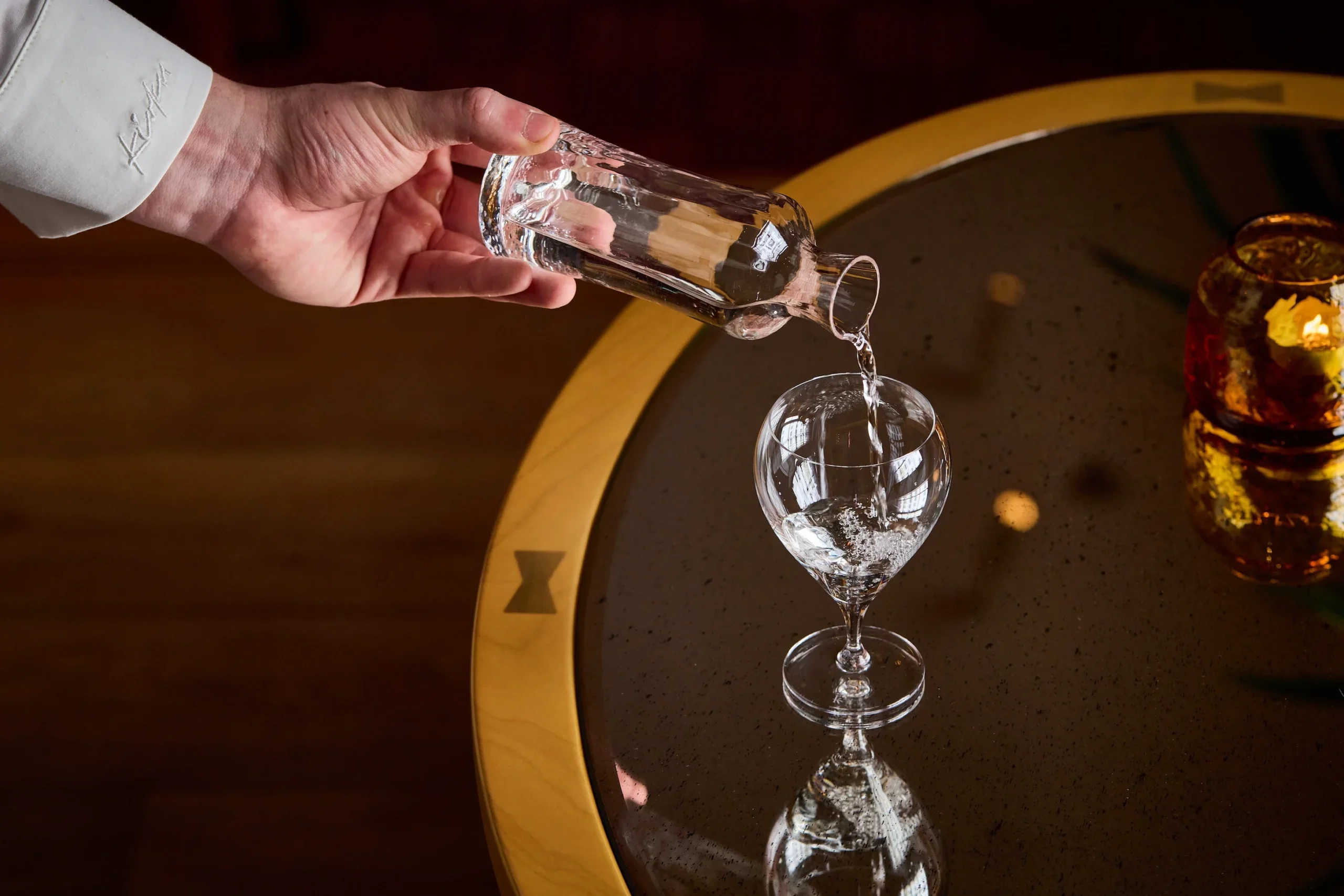
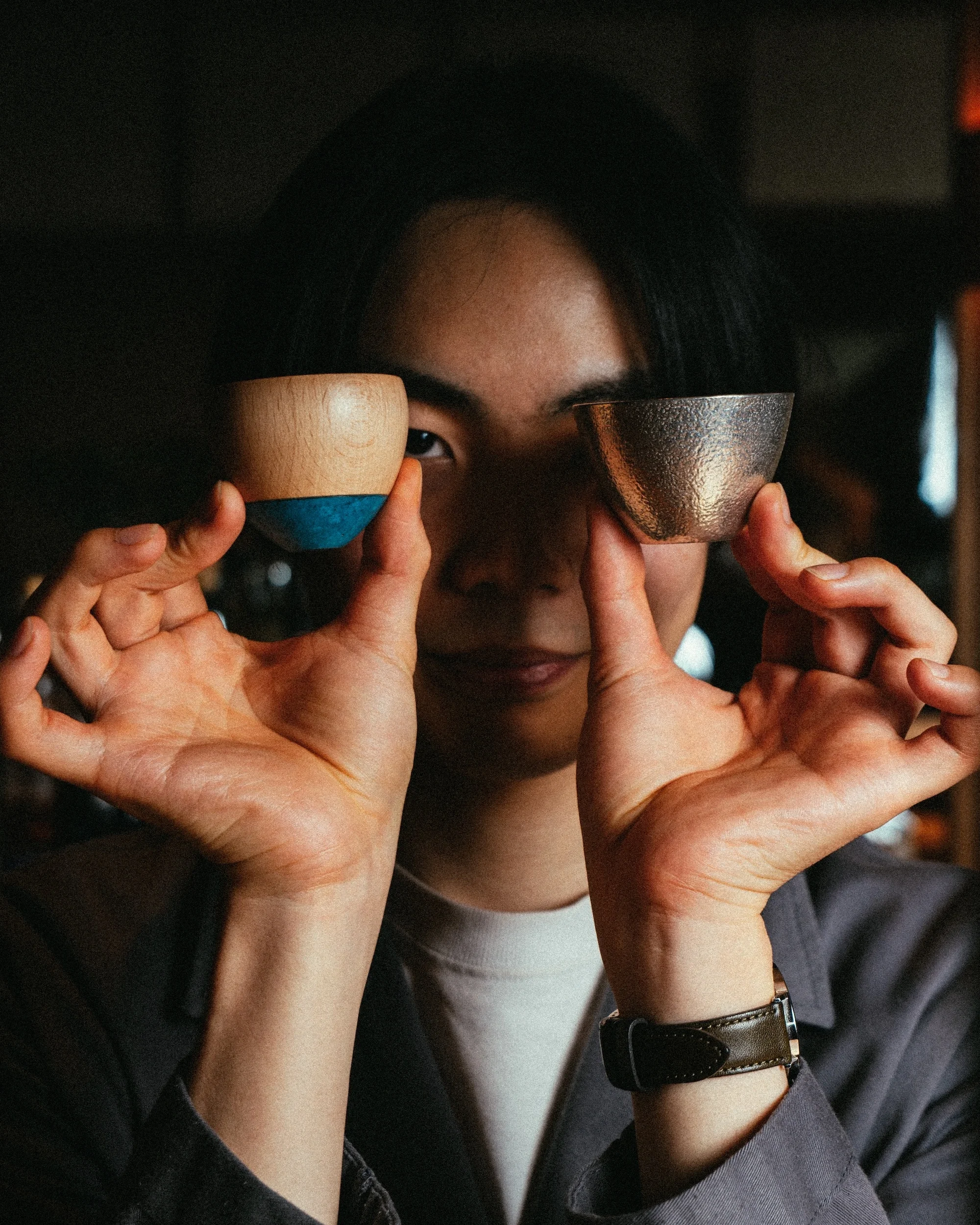
Temperature, however, is only part of the equation. The vessel can have a noticeable effect on how sake tastes and smells, too. While Spencer loves the ritual of choosing an ochoko, a traditional small Japanese sake cup often made from ceramic, porcelain, or wood, at restaurant Sune she serves sake in a wine glass “in order to let the aromatic detail of the sake make itself known.”
Sandia Chang, sommelier at London’s Kitchen Table, agrees that a wine glass can give certain sakes more room to express themselves. “Some sakes can really benefit from the aeration and being appreciated like wine.”
The best food pairings for sake
Sake is renowned among sommeliers for its versatility when it comes to food pairing. One reason, according to Andrea García, sommelier at Nobu Hotel Madrid, is its lower acidity compared to wine. “Sake’s acidity comes primarily from malic acid, whereas wine contains citric, malic, and tartaric acids,” she says. “Sake is also free from tannins, which give wine much of its structure.”
Sake also naturally contains umami, while wines tend to develop pronounced umami characteristics through aging or specific winemaking techniques. “As a result, sake tends to offer delicate floral and fruity aromas, rather than the more intense flavors commonly associated with wine,” adds García. “This makes it exceptionally food-friendly.”
While sake is most commonly associated with the cuisine of its home country, its potential extends well beyond Japanese food. “We often have sake at home with all types of Asian food, from Chinese to Thai,” says Chang, pointing to the umami-rich flavors found across these cuisines.
Rather than starting with geography, Afonso recommends considering the weight of the dish. “Think about weight rather than cuisine: match a delicate sake with light food and a fuller one with something richer.”
García suggests pairing light, dry sake with salads and tartars, while richer, more full-bodied styles work well with hot dishes such as gyoza, soups, and cooked fish. Wong has a more specific favorite: “One pairing I still think about is Sugei Daito with lobster mapo tofu.”
In fall, Spencer turns to nigori sake, which she pairs with mushrooms, stocks, certain seaweeds, and root vegetables. “They are coarsely filtered, and as such have an abundance of texture and umami, which works so well with autumnal dishes and ingredients.”
Jenifer Wagoner, global head of wine and sake at Zuma, has recently been experimenting with kimoto and yamahai, styles that can have more umami-forward, rustic characteristics. “We have been having fun with everything from burgers and fried chicken,” she says. “The robust quality doesn’t get lost in the flavors of the food, and the zippy acidity acts as a bit of a palate cleanser after each bite.” She also recommends pairing the styles with seared salmon, where “the mouth-watering nature of the sake works well with the fatty fish.”
For another umami-driven, unexpected combination, Michele Orbolato, head of wine and sake at Luna Omakase, suggests serving Junmai-style sake with a rich pasta. “The sake works beautifully with those savory flavors.”
Perhaps the most unusual pairing, and one that received resounding support from the experts, is sake with cheese. “Sake goes so well with cheese – you wouldn’t believe,” says Anthony Yukio Takamoto, head sake sommelier at Kioku Sake Bar.