

Old Bill was struck by a thought. It was a bit of a pivot for a guy who made suitcases out of pigskin, but why not make an actual pig?
So he did, a leather one substantial enough to be a footstool, and sold it to Liberty London along with his luggage. He also had his sights set on America. Abercrombie & Fitch, which was, back then, a sporting goods store focused on the outdoors, became a major importer. Now many vintage pieces can be found with either a Liberty’s or an Abercrombie stamp on them.
The current iteration of Omersa is based in the British Midlands, and run by a mother-daughter team, Josie and Caroline Dale. More than 40 animals are produced by hand, in a range of sizes, by a team of 12.
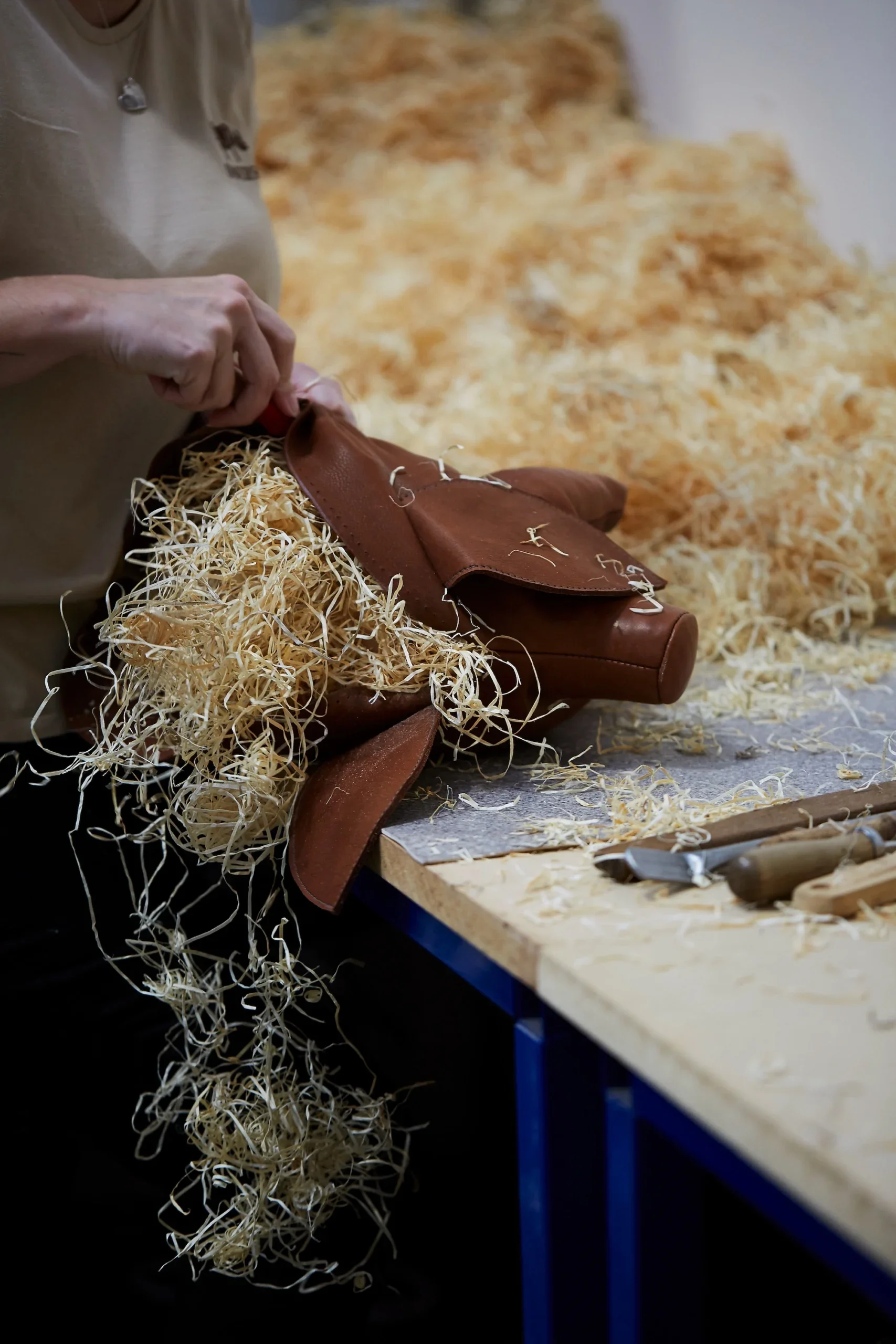
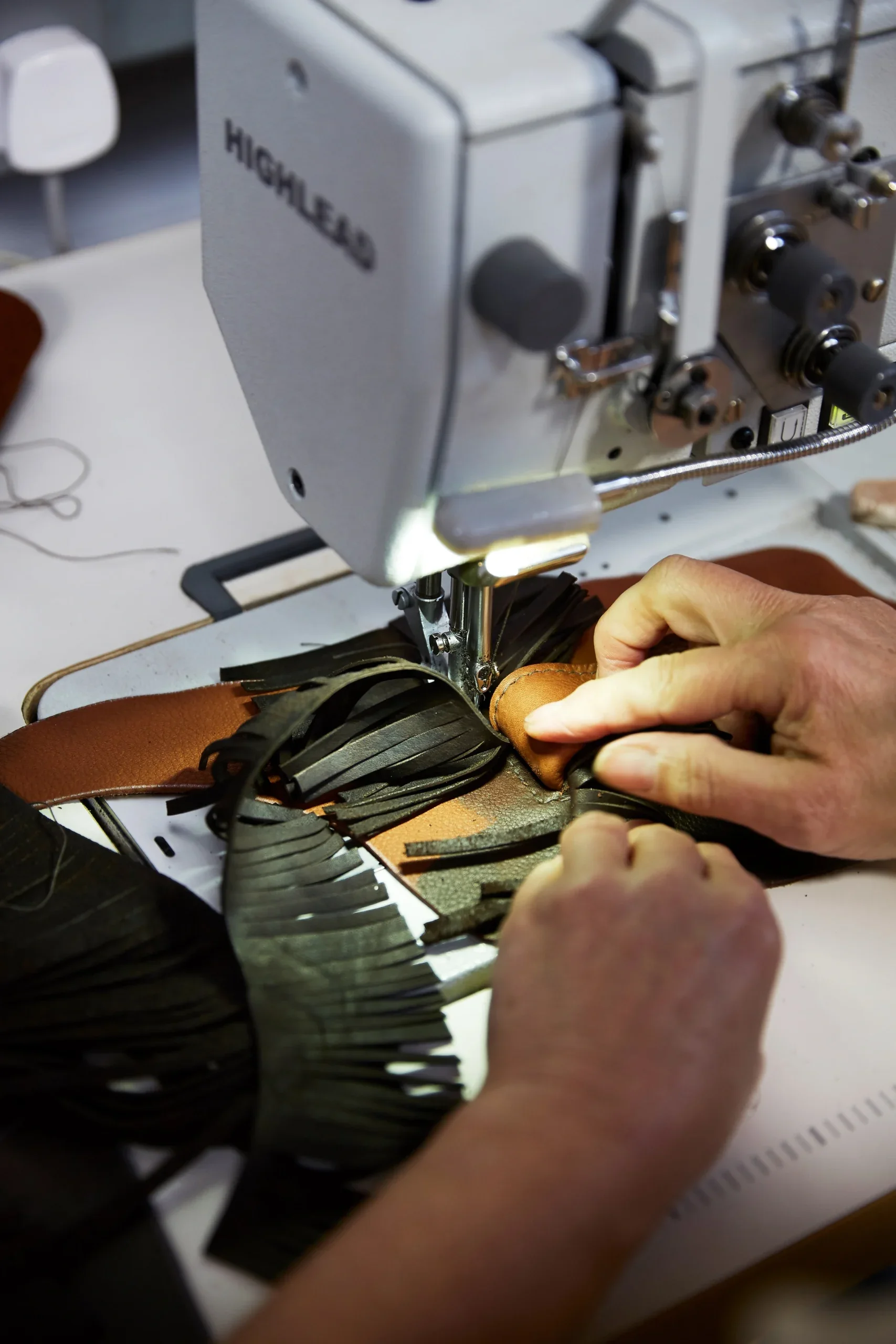
Each piece takes up to four days to complete, from cutting the leather to shaping it over a wooden and metal frame, to stuffing it with wood-wool, sewing it together, and waxing and buffing the leather. Designed to be used, the stools can last for decades, becoming ever more characterful with age and patina.
They’re popular items with interior designers, who have placed them in hotels from Zurich to Berlin and across the US, using larger pieces as decorative art in public spaces, and smaller animals as whimsical talking points in bedrooms.
I mentioned the brand to a fashion/media power couple recently and they revealed that they’ve had them in their properties for years. Indeed, since taking over Omersa, the Dales have been shrewd about embracing the collecting community, sharing tips on the website on authenticating genuine Omersa products and repairing and rejuvenating older models on demand.

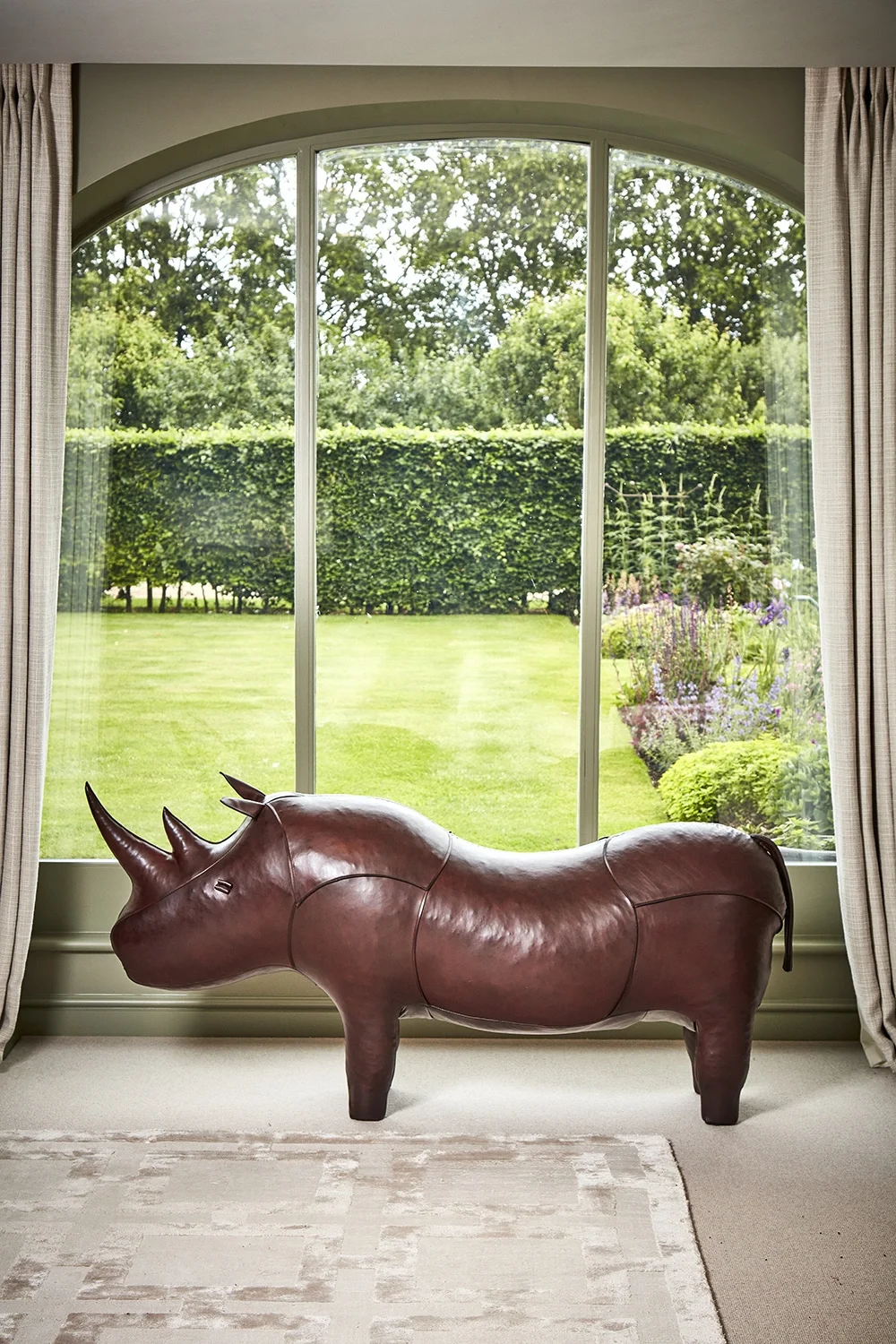
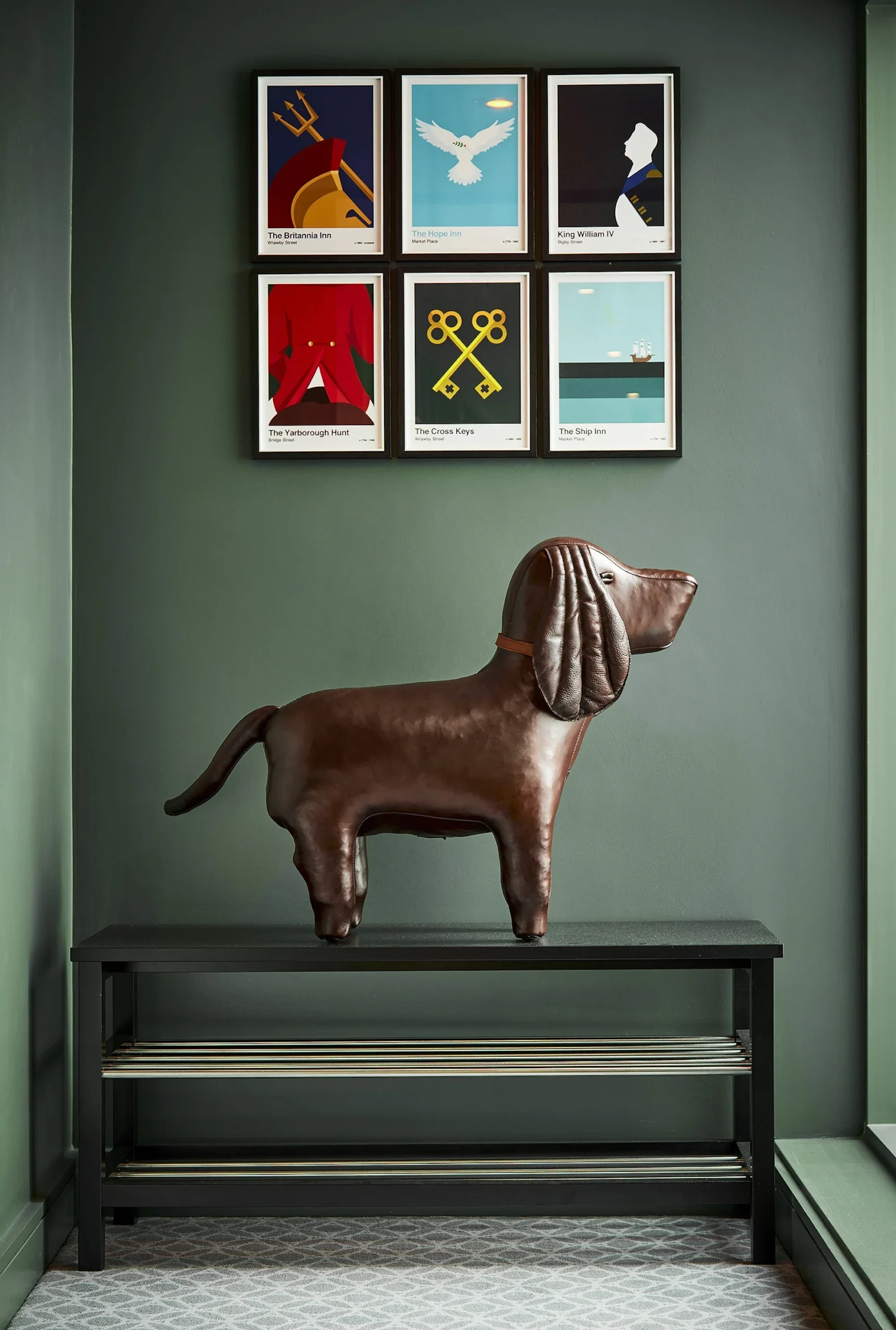
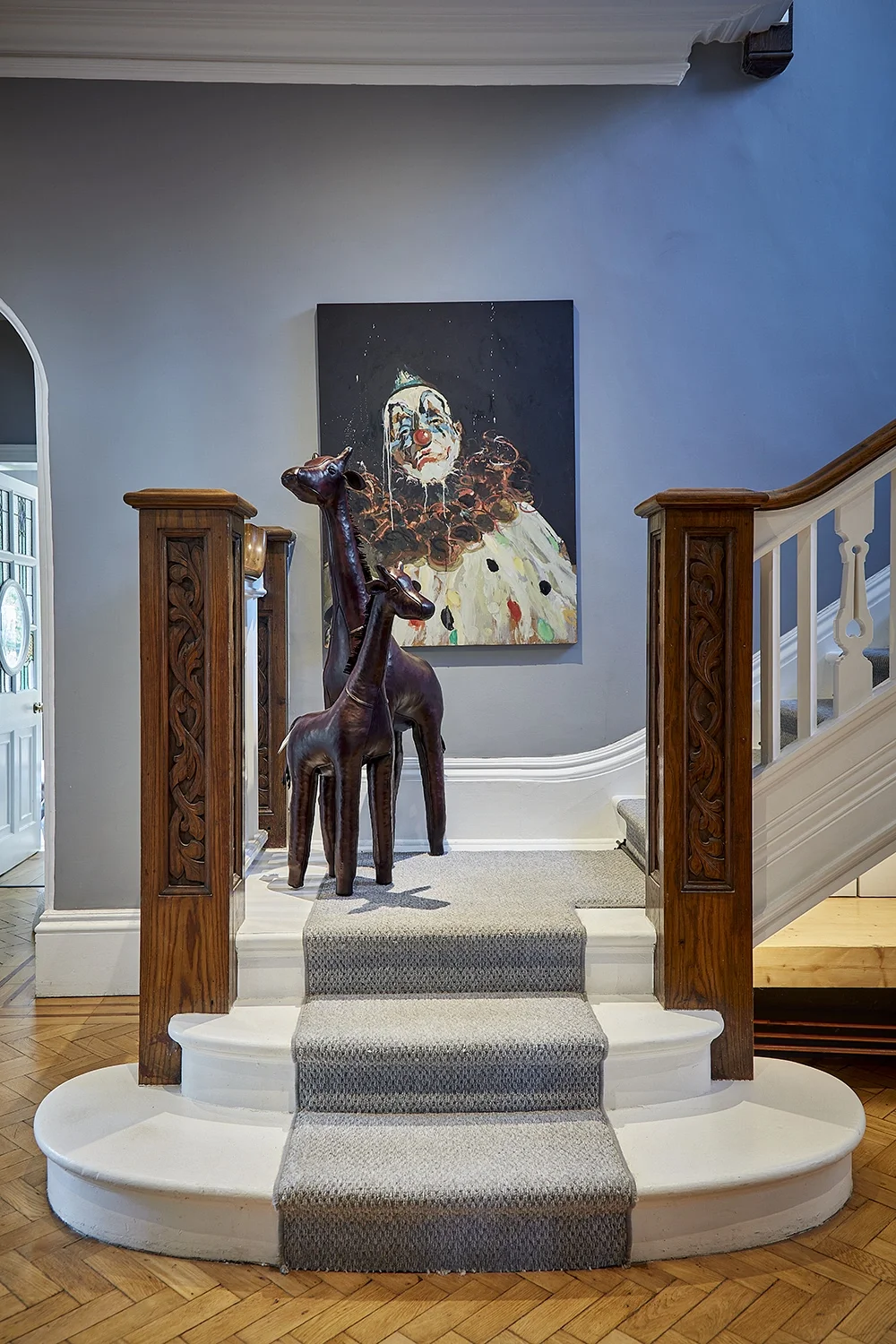
Someone who appreciates this is Dexter Hutchinson, a collector based in California, who has over 50 pieces. “What I love most is that each has its own history and personality. No two are exactly alike, much like real animals,” he says. “I also like that Omersa has maintained a respect for its heritage while continuing to evolve the collection. There’s a clear distinction between vintage and current production, which has helped preserve the collectibility and value of the earlier pieces.”
“We hear so many wonderful stories,” says Caroline, the operations director. “Customers send in photos of themselves when they were young, sitting on an Omersa pig. And then we’re able to breathe new life into their creatures for the next generation.”
The word ‘family’ comes up a lot when discussing Omersa. “We have one customer who bought his wife an animal as an engagement present,” she says. “They’ve bought pieces almost every year since. He’s now got four children and when they turn 21 he buys them something. I think the last few have been given a large whale…”
Alan Bedwell, a vintage watch and antiques dealer based in New York, has owned and sold Omersa pieces for many years through his company Foundwell. “They’re so special in both make and character, they take on a life of their own,” he says. “When I eventually sell one, I feel like a member of the family has left the nest.”