


We have become remarkably good at measuring the body.
We’re regularly tracking our sleep, heart rate, recovery, blood oxygen, and glucose, all through devices small enough to disappear beneath a shirt cuff or around a finger. The next step in quantifying the self, then, is the organ controlling it all.
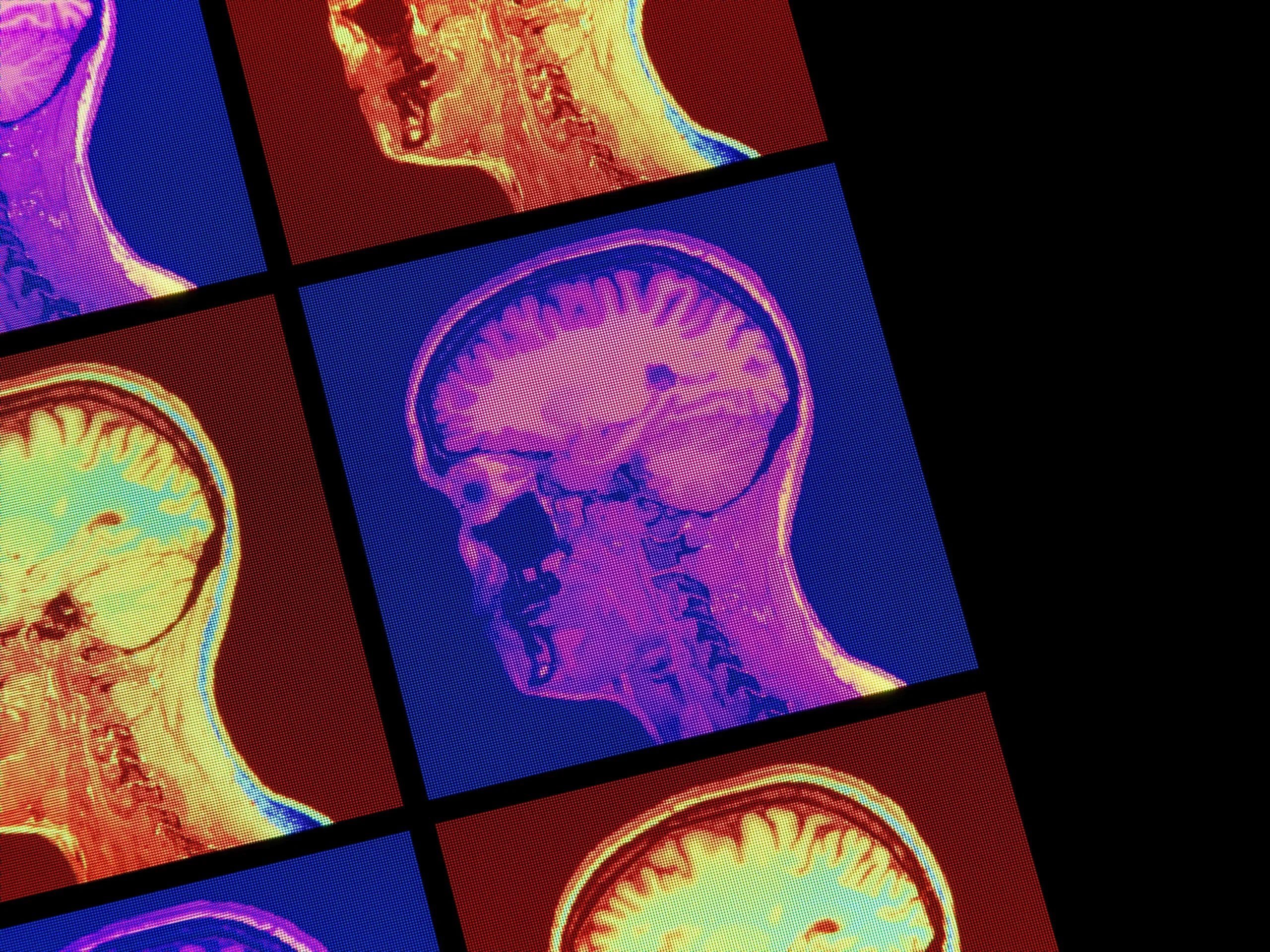
Consumer neurotechnology is attempting to bring electroencephalography (EEG) – that’s the measurement of electrical activity in the brain – out of laboratories and hospital wards and onto the bedside table.
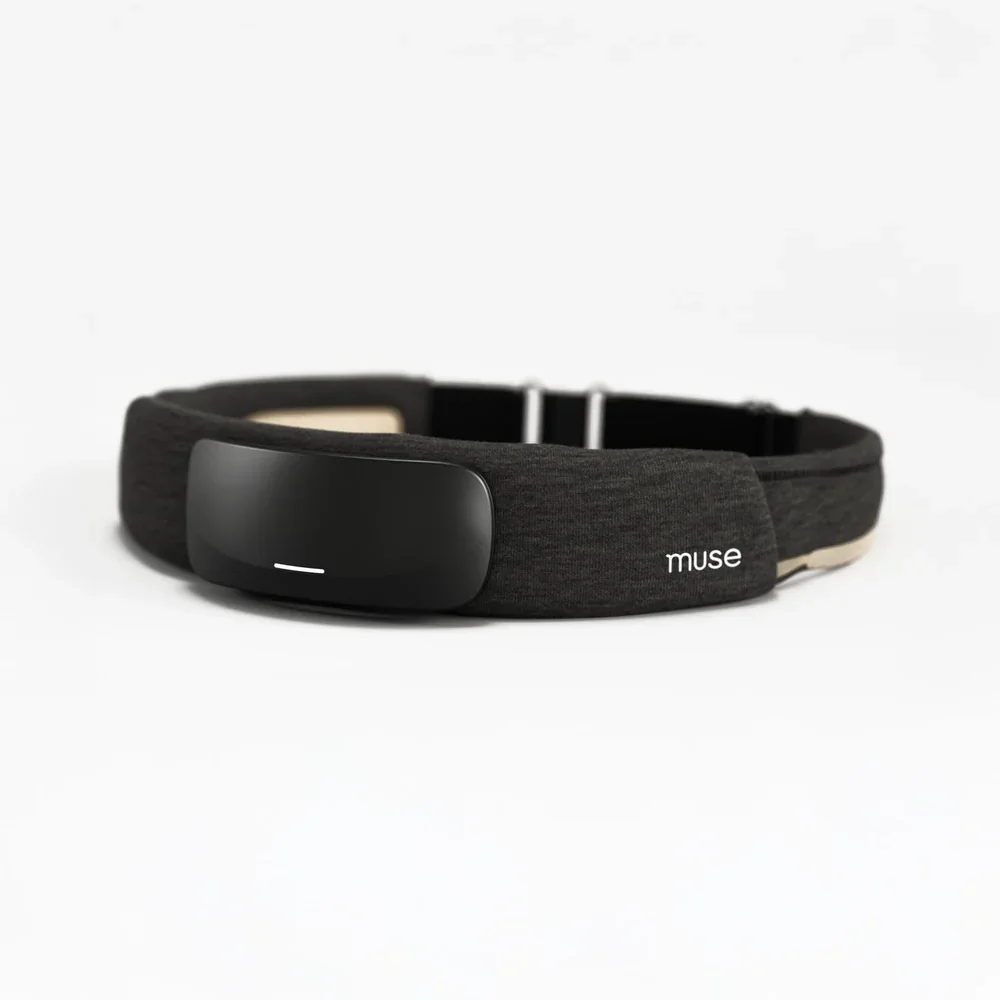
“EEG has been around for about a century, and for most of that time it stayed in labs and clinics because it needed gel, a trained technician, and a quiet, controlled room,” explains Chris Aimone, co-founder and chief innovation officer at Muse. “The science was never the hard part. The hard part was getting a clean signal off dry sensors, on someone’s own head, in their own house, night after night, with nobody there to adjust anything.”
Related article: Have We Taken the Pursuit of Longevity Too Far?

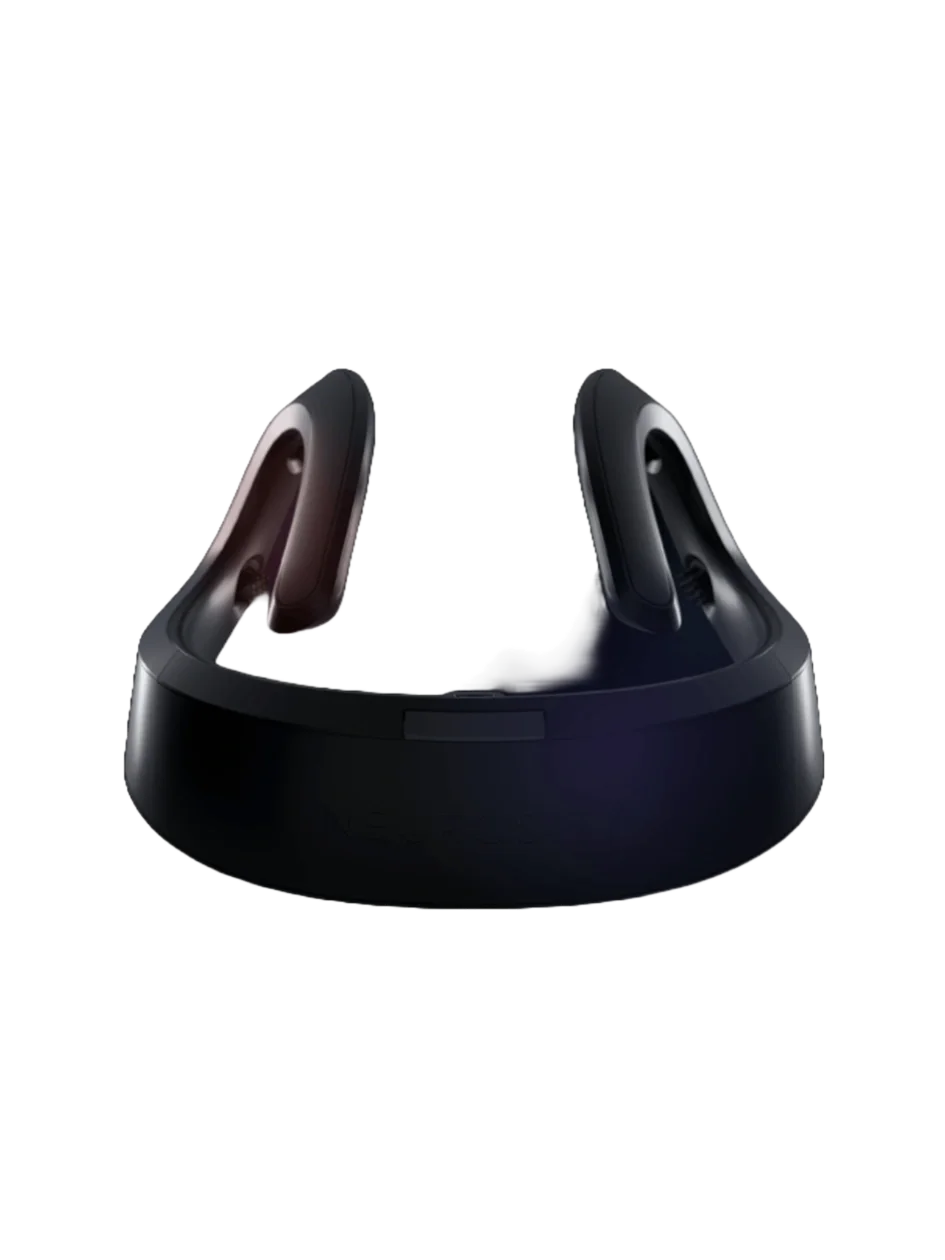
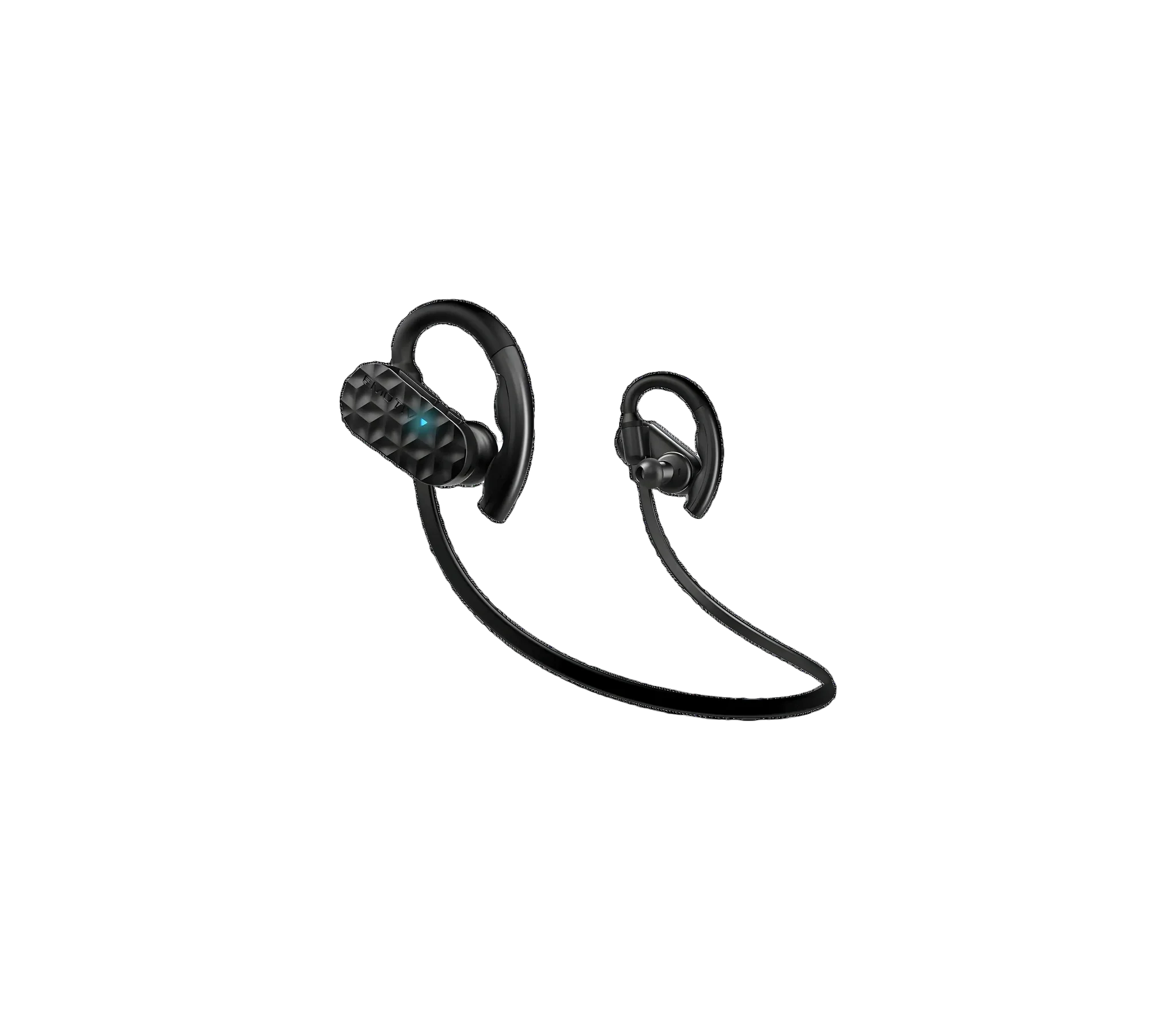
Now Muse is just one of the handful of gadgets and gizmos to pick from that can interpret and track your brain. It’s S Athena uses EEG alongside blood-oxygen monitoring to provide insights into focus, stress, and sleep, while its software translates brain activity into measures including cognitive performance and brain recovery.
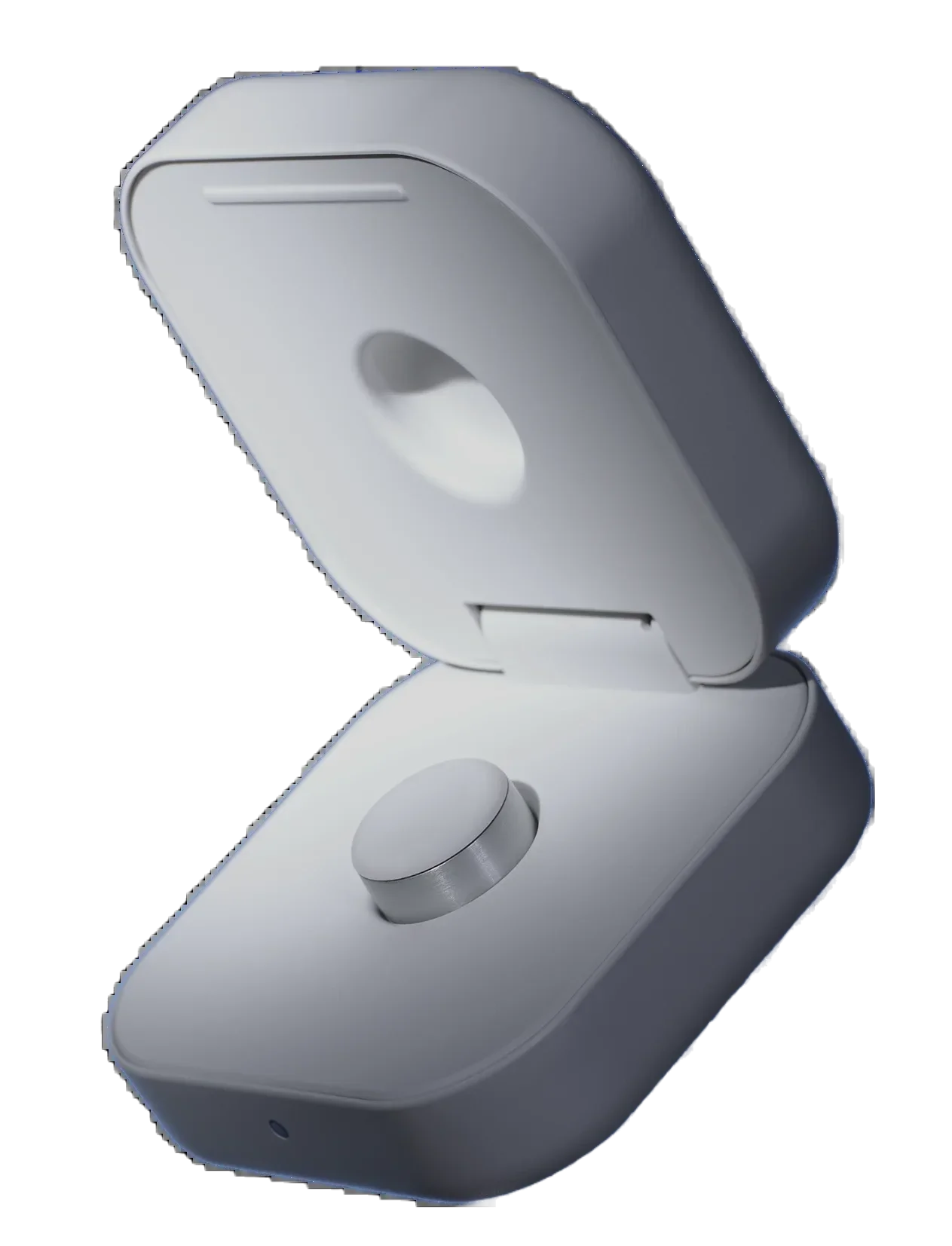
There’s also the Atlas 1.0, a discreet behind-the-ear wearable designed to monitor brain activity continuously rather than requiring users to sit down for a dedicated session. The company translates its readings into three simplified metrics (Presence, Stress, and Energy Burn) intended to show how different activities affect the brain over time.
Neurosity’s Crown, meanwhile, uses eight EEG sensors and an onboard computer to monitor brain activity, with an emphasis on focus and productivity. Its system combines EEG readings with heart rate variability (HRV) biofeedback – that’s changes in the time between heartbeats as feedback during exercises such as controlled breathing – and photobiomodulation, which uses red and near-infrared light applied to the head. The idea is to use these different forms of data as part of personalized brain-training programs at home, rather than in a traditional neurofeedback clinic.
It all sounds impressively high-tech. But measuring a signal is one thing, knowing what that signal actually means is another. “I am personally not a big fan of consumer medical devices, especially when it comes to measuring such complex organs like our brains,” says Irena Tyshyna, founder of CODA: GENE and an expert in cognitive genetics. She warns that constant access to metrics can become “another feeding ground for anxiety, worry, hypochondria, and doubt”.
Muse says its devices are not intended to diagnose conditions or decode thoughts. “There is a misconception that this is either a medical device or mind reading,” Aimone says. “It is neither.” What consumer EEG can provide, he argues, is a picture of brain activity over time, whether that’s sleep patterns, attention, and changes from an individual’s own baseline.
Related article: How To Train Your Brain For Optimal Longevity
That doesn’t mean skeptics like Tyshyna don’t see a place for the technology: “EEG is a useful tool in the hands of a trained professional. Like with all tools, they have a specific role to play when it comes to general screening of a patient.” For Tyshyna, that gives EEG a place within the realms of longevity and wellness treatments, provided consumers understand the limits of what they are looking at.
That distinction becomes important when a complex electrical signal is reduced to a neat score for “focus” or “stress”. The number may look authoritative, but it still requires interpretation. And the more frequently we measure ourselves, the greater the temptation to treat every fluctuation as meaningful, or more worryingly, a diagnosis.
“Numbers on a new device could look reassuring, but we must remember to stay connected with our body and mind,” says Tyshyna. “How do you actually feel? Put down your gadgets, reconnect with yourself, and learn to listen to your body. It will most often than not give you the most accurate reading of all.”
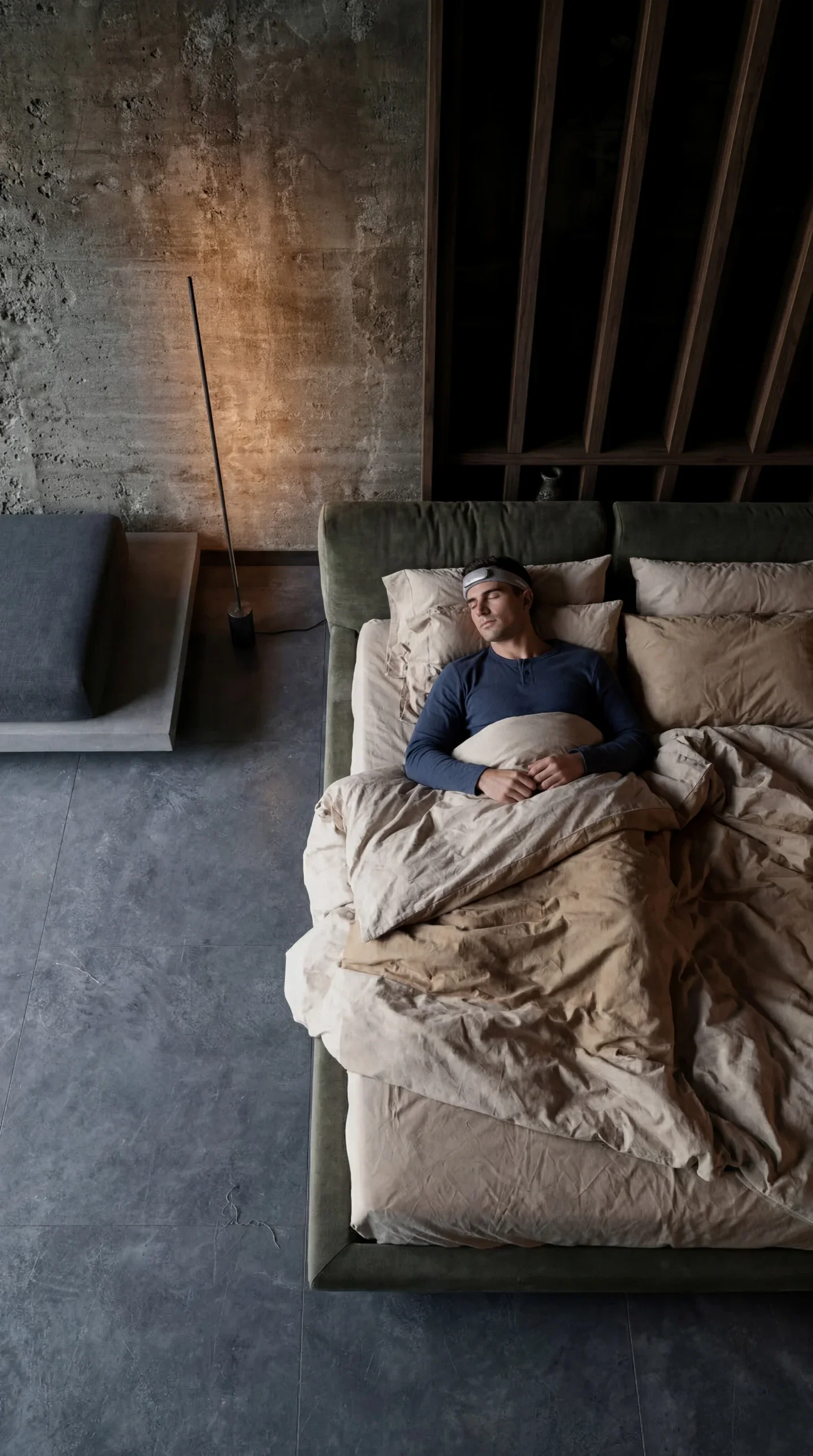
For Kelly Allison, an AI wellness expert and founder of KVA, another question emerges as brain tracking moves from specialist hardware into the hands of the consumers: What happens to the data once we start feeding it to machines? “The idea that we’re now generating data from our own brain activity and feeding it into AI systems is one of the most significant privacy frontiers we haven’t properly started to address,” she says. “Brain data is categorically different. It’s who we are at a neurological level.”
That becomes particularly pertinent as manufacturers connect wearable data to AI systems. Neurosity, for example, integrates its brain data to connect with AI platforms such as ChatGPT and Claude (at an additioanl cost), opening the possibility of increasingly personalized digital assistants – but also raising questions around ownership and consent.
Muse is already exploring this territory. Aimone says the company has more than a billion minutes of at-home brain data and has used it to train a foundation model, with users opting in to contribute data and individual brain data not being sold.
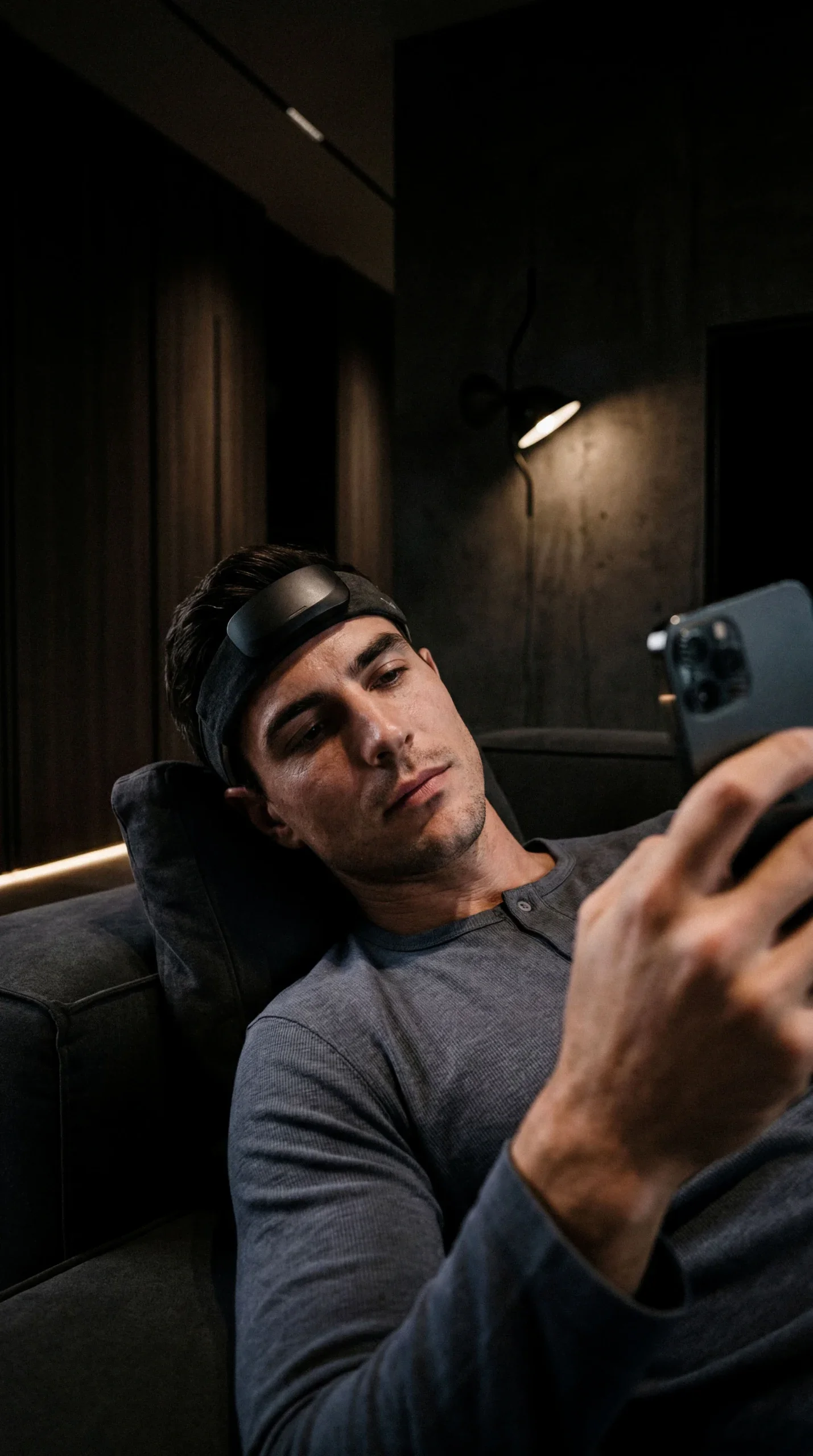
But Allison argues that the ethical questions are arriving alongside the technology. “The regulatory frameworks we have weren’t built for this,” she says, urging anyone who uses a wearable neurotechnology device to ask “where that data goes, who owns it, whether it can be sold, and what inferences an AI system might draw from it that you never consented to share.”
We have spent years willingly handing over information about our movements, sleep, shopping habits, and whereabouts. “We normalized giving away enormous amounts of personal data in exchange for convenience, and we’re still living with the consequences of that,” Allison stresses. “Brain data deserves a much higher threshold of scrutiny before we make the same mistake again.”
For those already treating sleep, exercise, and recovery as measurable components of longevity, cognitive performance is the logical next metric. The question is whether understanding the brain better requires another number on a screen – or whether the smartest thing to do is turn the screen off.