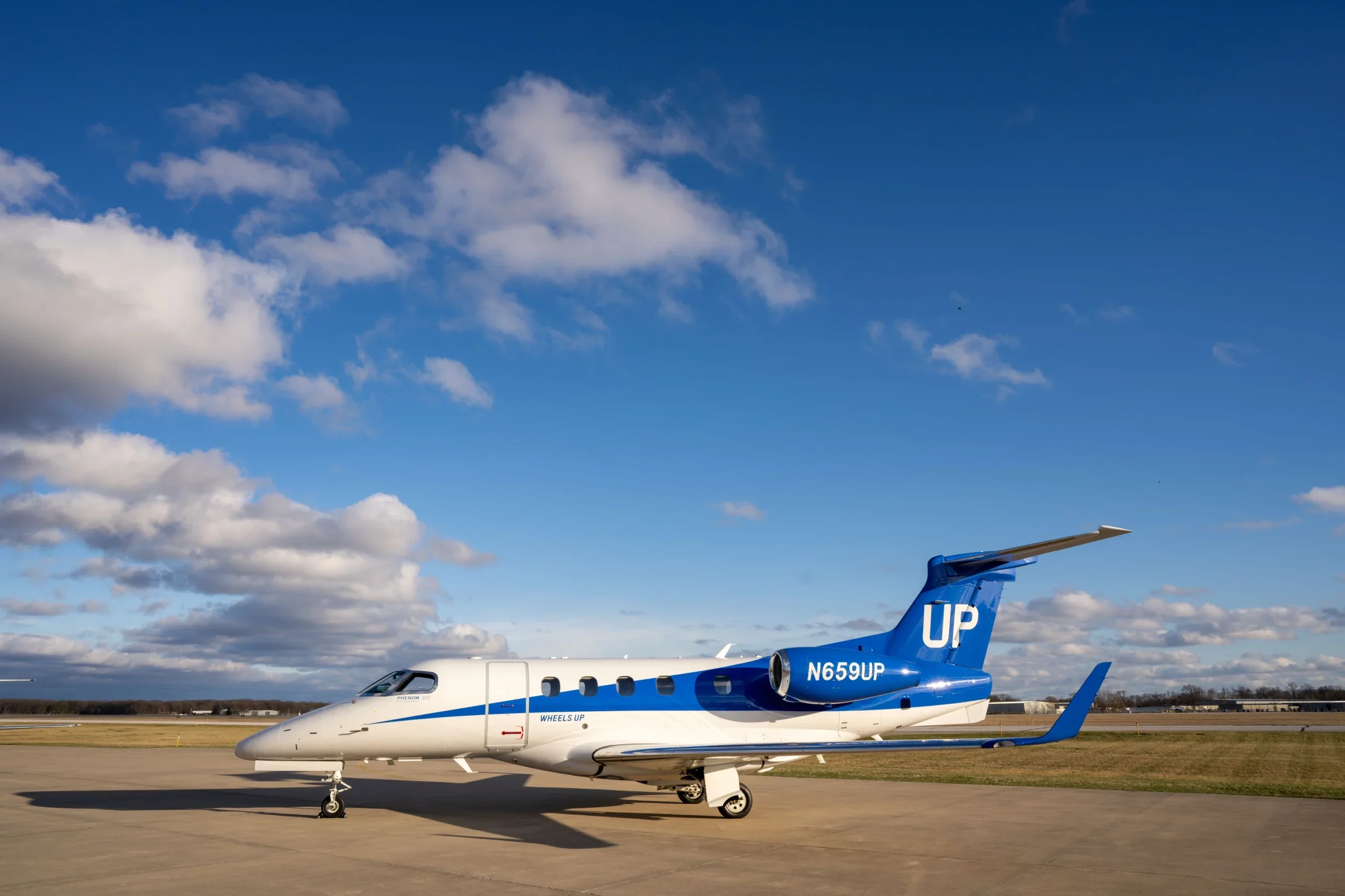
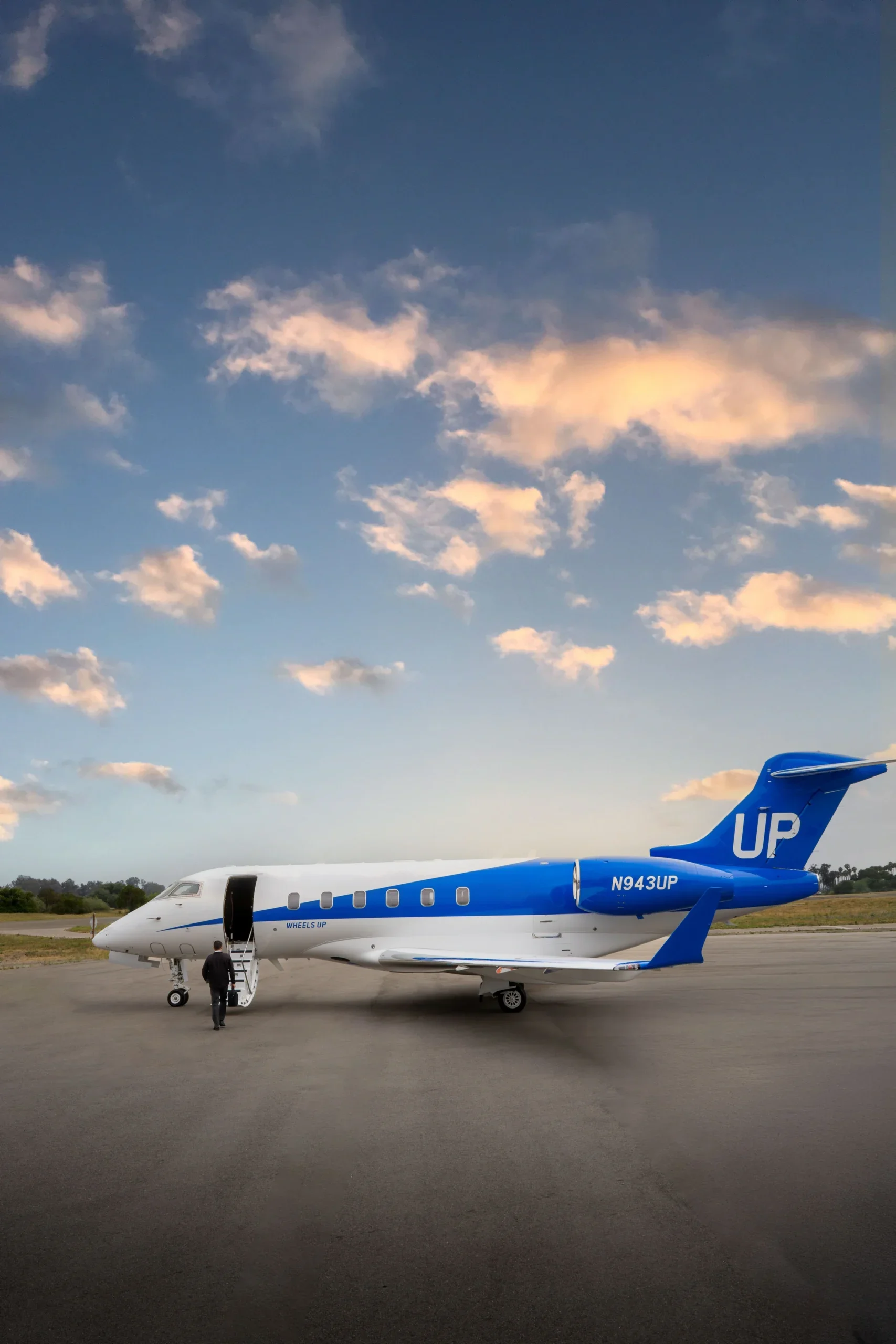
Founded in the US around 13 years ago, Wheels Up has grown from a short-haul private aviation startup into a global charter and membership business. Its fleet now centers on Embraer Phenom and Bombardier Challenger jets, while its charter operation arranges flights on aircraft run by third-party operators around the world.
The company’s current model took shape after Delta Air Lines invested in Wheels Up in October 2023, becoming its largest shareholder and commercial partner. George Mattson, who had served on Delta’s board for 11 years, became Wheels Up’s CEO as the business began a wider operational transformation.
Rather than asking every customer to commit to an aircraft share or a set number of flying hours, the company offers several ways to arrange a journey. Here’s how to decide which makes sense.
What is Wheels Up?
Wheels Up began with King Air turboprops, designed for shorter journeys in the northeastern US, before expanding into private jets. Today, it combines a US membership program with on-demand charter worldwide, and access to commercial flights through Delta.
Mattson describes the model as giving customers options on a trip-by-trip basis. “The way our system works is our customers set our schedule,” he tells Elite Traveler, explaining that aircraft and charter arrangements are organized around individual journeys rather than a fixed timetable.
Related article: Everything You Need to Know About Flexjet
How much does a Wheels Up membership cost?
Wheels Up’s Signature membership costs $500 a month, with a separate deposit for future flights. Launched in September 2025, the program has attracted more than 1,500 members in its first year, according to Mattson.
The monthly fee is not the cost of flying, as customers pay for their journeys from funds deposited with Wheels Up. Unlike programs that allocate a set number of hours on a particular aircraft type, Signature tracks the customer’s balance in dollars. “You don’t have to get it right,” Mattson says of the initial deposit. If a member runs out of funds, they can replenish the balance, and any funds left at the end of the contract term roll over to the next term without penalty.
The main membership benefits are guaranteed availability, pricing, and recovery on Wheels Up’s US fleet. Membership funds can also be used for eligible charter flights in the US and internationally, as well as certain seaplane, helicopter, and Delta services. That flexibility may suit customers who want one account and one team coordinating different types of travel, rather than a commitment to one aircraft category.
https://elitetraveler.com/cars-jets-and-yachts/aviation/how-much-does-vistajet-cost
Can you fly with Wheels Up without a membership?
Yes. Customers can book individual charter flights without paying the Signature monthly fee or maintaining a membership deposit. For travelers based in the UK or elsewhere outside the US, this will generally be the most viable option.
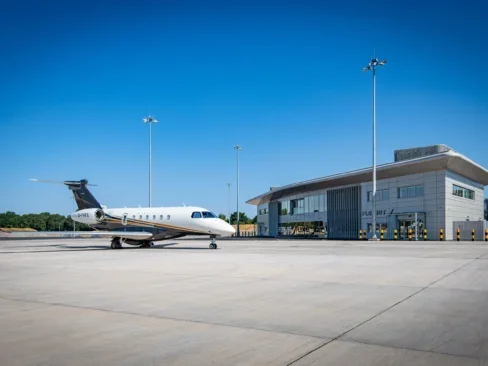
Wheels Up has teams based at London’s Gatwick, alongside operations elsewhere in Europe and around the world. Customers can discuss their itinerary with the team and receive a charter quote without signing up for Signature.
The company says its global charter network includes more than 7,000 safety-vetted and verified aircraft operated by third parties. Wheels Up assesses the operators it works with, and its team can advise on which providers meet its standards.
“Our folks really are experts in knowing all the rules and regulations, the permits, the gates, the slots,” Mattson says, and airport access, landing permissions, and available aircraft can all affect how a journey is arranged, especially when the destination is a smaller town or a remote location.
How much does Wheels Up cost per flight?
“There’s really two things that drive the cost of a trip,” Mattson explains. “One is the aircraft type that you choose. Larger aircraft cost more. Smaller aircraft cost less. And the other is the length of the trip.” But to give an example, Mattson puts the indicative hourly price of an Embraer Phenom 300 at around $8,000–$8,500, while a Bombardier Challenger costs approximately $11,000–$12,000 per flight hour.
He estimates that a flight from New York to Florida could cost in the low $20,000s, while New York to Los Angeles might come in at around $45,000–$50,000. For a transatlantic journey, the aircraft would generally be larger, but the hourly rate could be lower because the cost is spread across a longer flight.
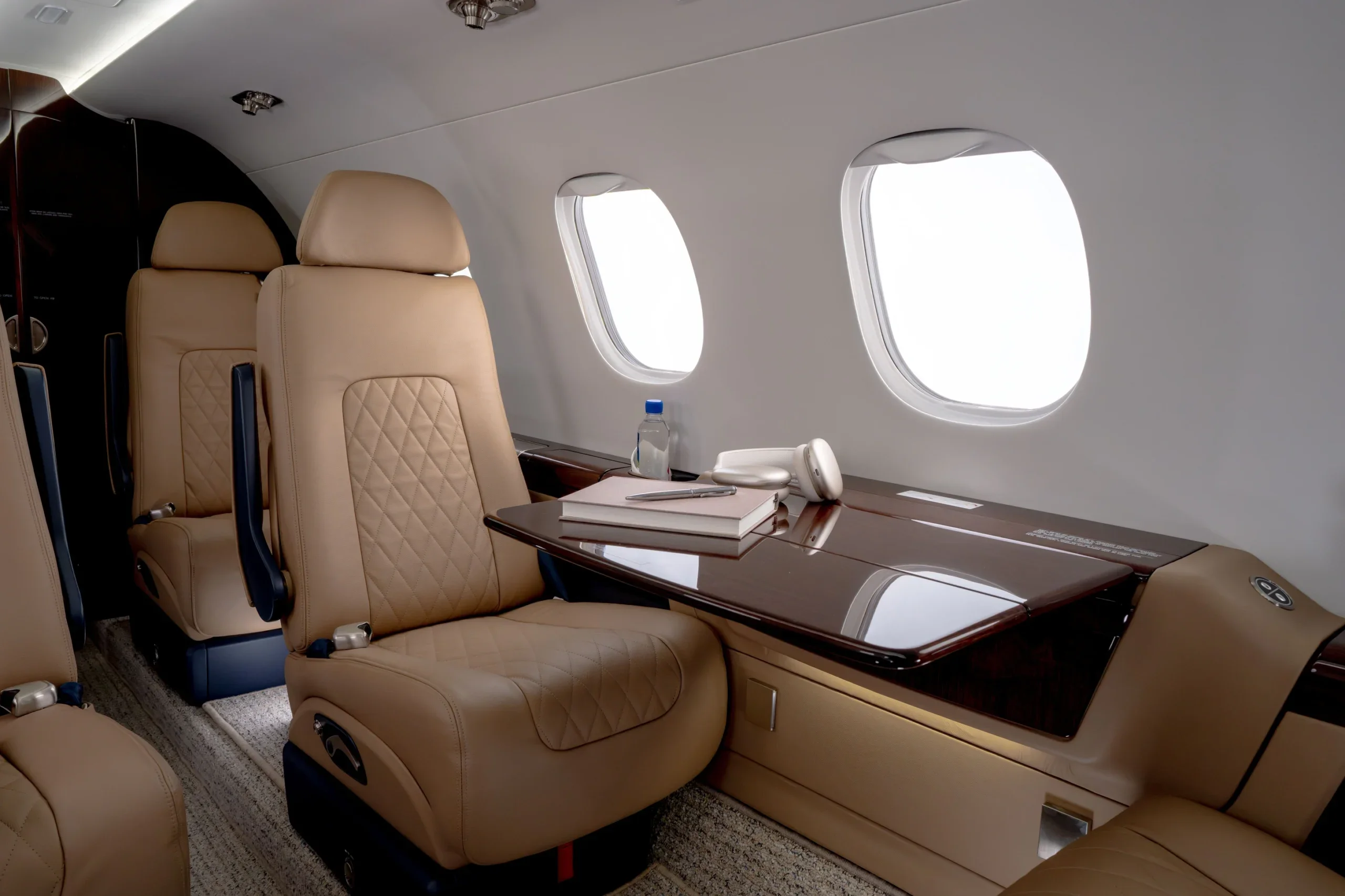
Mattson is clear, however, that private aviation does not automatically make financial sense. “Our whole premise here is sensible private aviation, meaning when you need it,” he says. He points to his own travel as an example: despite running a private aviation company, he flies First on Delta between New York and Atlanta because the route has frequent commercial services. For a business team whose time is particularly valuable, the cost of a private flight may be justified by the time saved. “Ultimately, what we’re selling is time and productivity,” Mattson adds.
Related article: How Much Does NetJets Cost?
How does the Wheels Up and Delta partnership work?
The partnership is designed to make it easier to combine private and commercial flights instead of choosing one for an entire trip. For example, a traveler in a US city with infrequent connections to Europe could charter a Wheels Up aircraft to New York’s JFK airport, then connect to a Delta flight overseas.
Mattson offers an example in which a private flight to JFK could save a group of four or five travellers around eight hours compared with a long scheduled connection, for approximately $10,000 extra.
Customers can currently arrange these itineraries by contacting their Wheels Up team, whether they are members or charter clients. The team coordinates the private and commercial legs, including the transfers between aircraft.
The longer-term ambition is to make these options available through Delta’s app, allowing customers to compare different combinations of private and commercial travel and their prices.

Where can you fly with Wheels Up?
Wheels Up’s charter network can arrange flights around the world, including journeys beyond the reach of its own US fleet. Mattson describes taking his family on safari by flying commercially with Delta to Johannesburg, then chartering a turboprop to a dirt airstrip in Mozambique before continuing to Botswana.
That flexibility is one of the main differences between Wheels Up’s membership and charter offerings. For customers whose travel spans several countries, remote destinations or a mix of private and commercial flights, the company can coordinate those arrangements through one point of contact.
Wheels Up has also announced a partnership with Fraser Yachts, intended to connect the companies’ customer bases and make it easier to combine private aviation with yacht travel. Mattson says the businesses are exploring preferential membership offers and joint experiences; a key practical possibility is using a seaplane to reach a yacht in places such as the Bahamas.