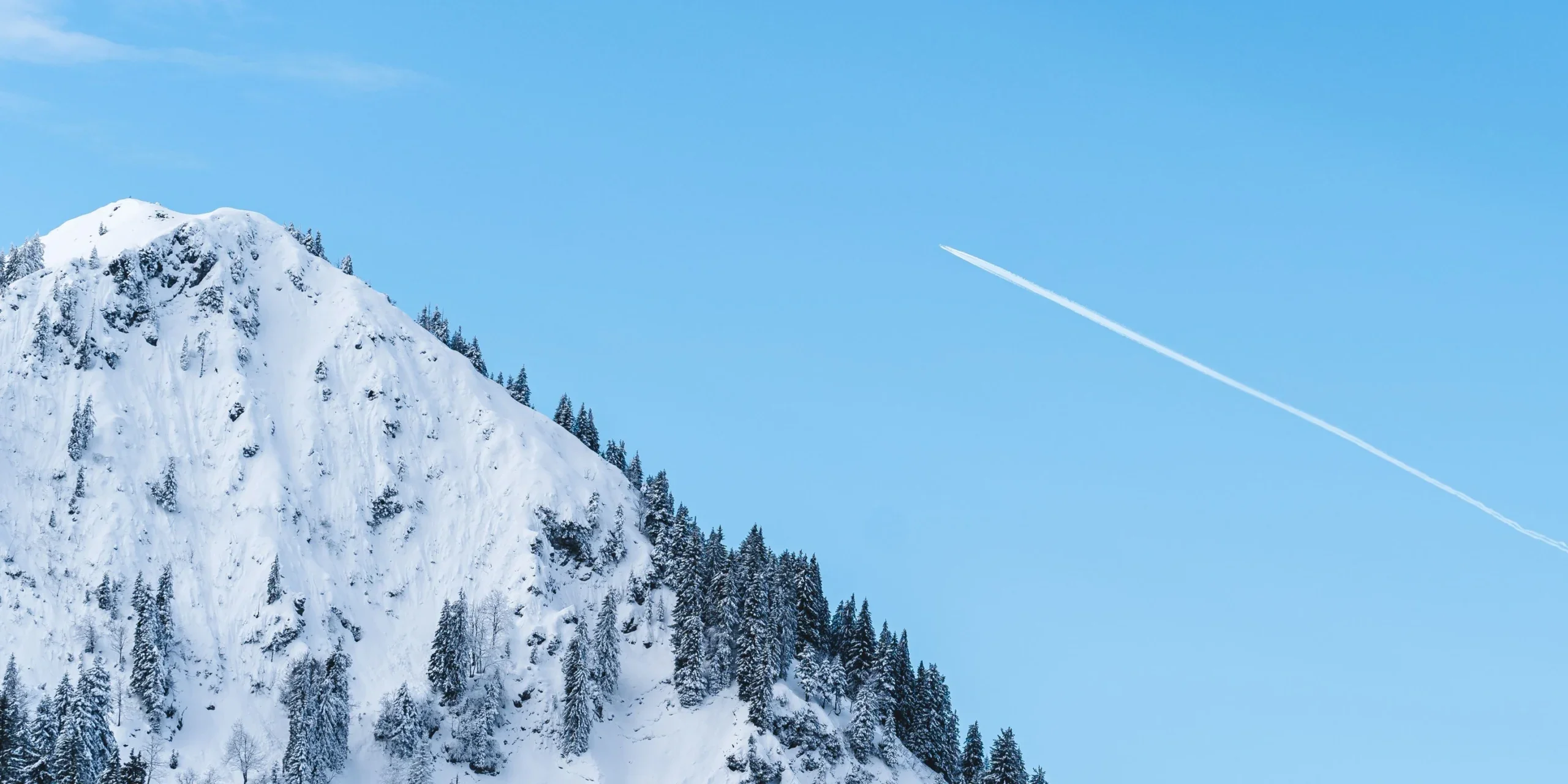
The skis are packed, the jet is ready, and the only question left is where to land.
Because while planning a weekend away in the mountains is all well and good in theory, you can end up losing half a day to transfers, and the sun has gone down before you even see the snow. Not to mention that mountain airports come with short runways and unpredictable weather that make the final leg of the journey an experience in its own right.
The trick is knowing which airfields can accommodate your aircraft, and having somewhere exceptional waiting at the other end. And fortunately, the rewards are considerable: Aspen’s see-and-be-seen slopes, Courchevel’s Michelin-starred tables, St. Moritz’s old-world glamour, and Niseko’s seemingly endless powder.
These are the ski destinations worth flying private for – and the hotels that can undo all the drama of a day on the slopes.
-
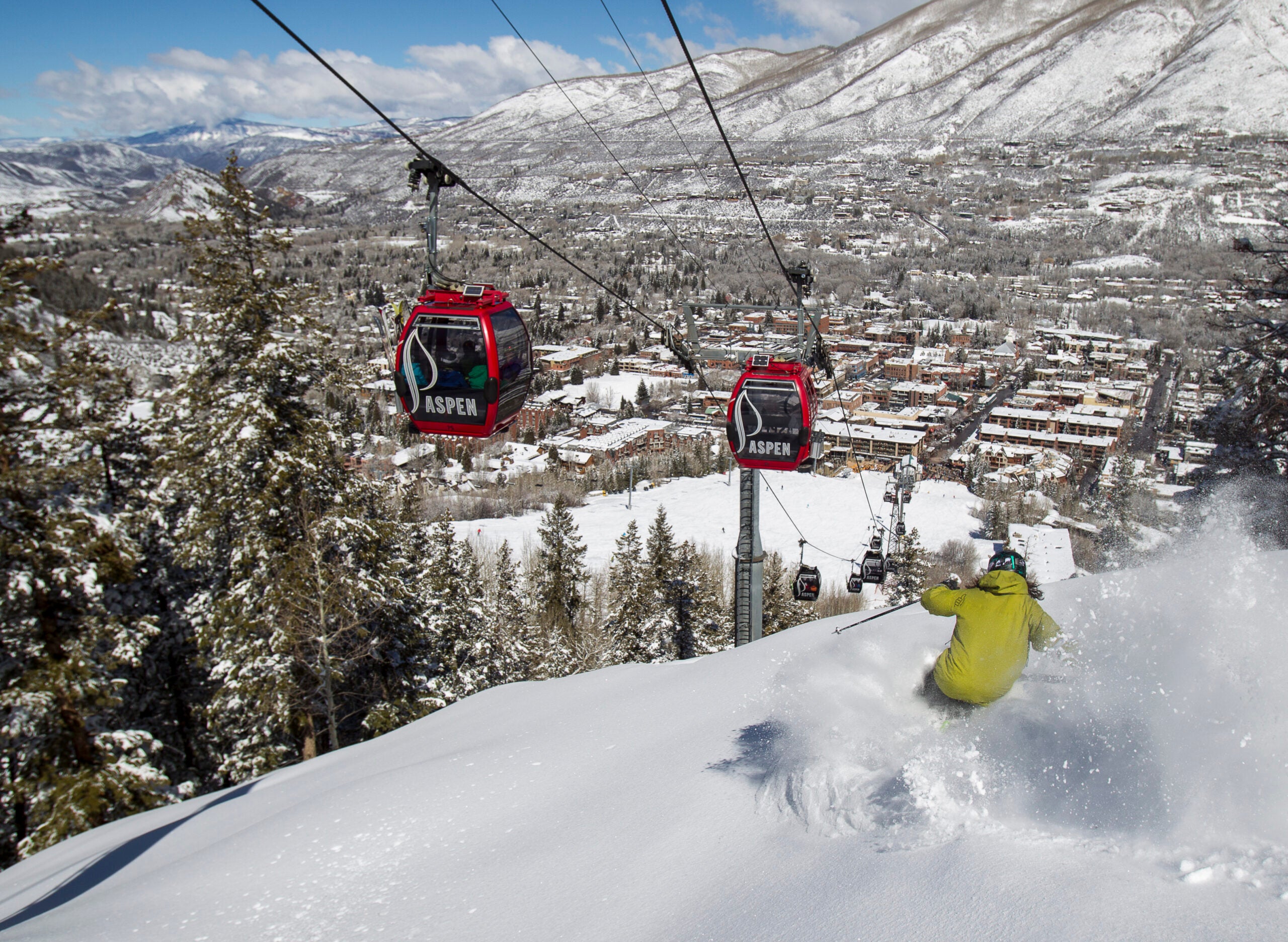
Aspen, Colorado
The seemingly inevitable and endless celebrity sightings are only part of Aspen’s draw. Four mountains offer skiing for every ability, from the steeper runs of its namesake mountain to the wide-open terrain of Snowmass, while the town itself has enough excellent restaurants, galleries, and boutiques to keep non-skiers occupied until the last lift closes.
How to get there: Fly into Aspen/Pitkin County Airport, and downtown is just a 10-minute drive away. The catch is the airport’s mountainous setting and operational restrictions, which means you need to check aircraft suitability and weather conditions in advance.
Where to stay: The Little Nell is Aspen’s definitive slopeside address, beside the Silver Queen Gondola and with ski-in/ski-out access. Its ski concierge can arrange everything from equipment tuning to first tracks before the gondola opens to the public.
-

Telluride, Colorado
Tucked into a dramatic box canyon in the San Juan Mountains, Telluride combines challenging terrain and impressive vertical with a charming historic downtown of Victorian streets, independent shops, and excellent restaurants. The atmosphere is more low-key than Aspen's, but that’s precisely the point.
How to get there: Telluride Regional Airport is around 10 minutes from town, but its elevation of 9,070 ft and demanding operating conditions mean it isn't suitable for every jet. Montrose Regional Airport can be used as an alternative, with a road transfer of roughly 75 minutes.
Where to stay: Madeline Hotel & Residences in Mountain Village puts you close to the lifts, with ski-in/ski-out convenience and easy access to the gondola linking the mountain village with Telluride proper. Its Timber Room has become a focal point of the après-ski scene.
-
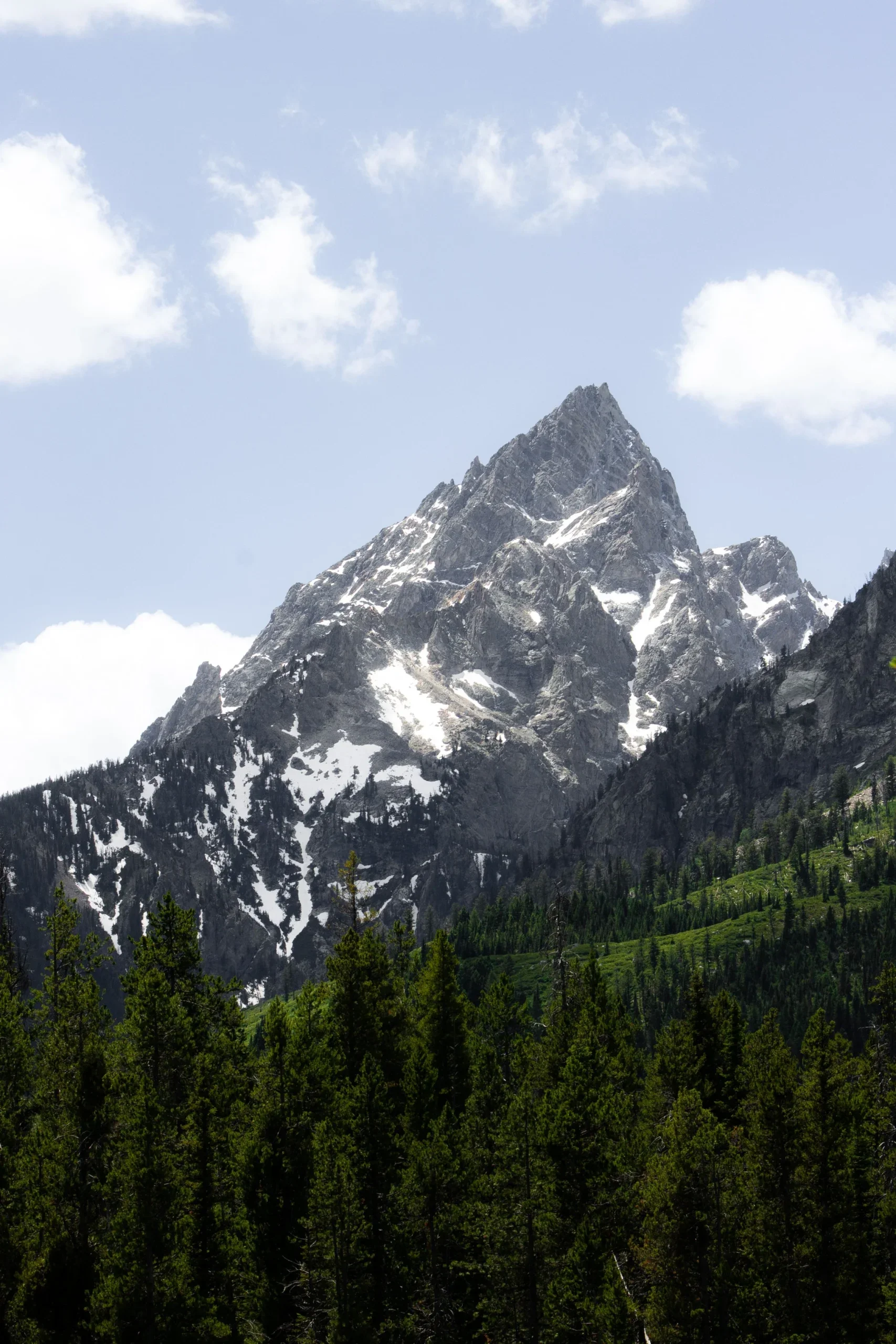
Jackson Hole, Wyoming
Renowned for steep terrain and challenging runs – including the famous Corbet’s Couloir – Jackson Hole is better suited to skiers seeking adventure over apres options. The Teton Mountains provide one of North America’s most dramatic ski settings, while Grand Teton National Park is just beyond should you want more outdoor adventures.
How to get there: Jackson Hole Airport sits within Grand Teton National Park, so the drive to Teton Village takes around 35 minutes.
Where to stay: Four Seasons Resort and Residences Jackson Hole sits at the base of the mountain in Teton Village, with ski-in/ski-out access and a ski concierge to take care of the practicalities. In the wellness center, there’s the heated outdoor pool and hot tubs, perfect after a day on Jackson Hole’s more demanding terrain.
-
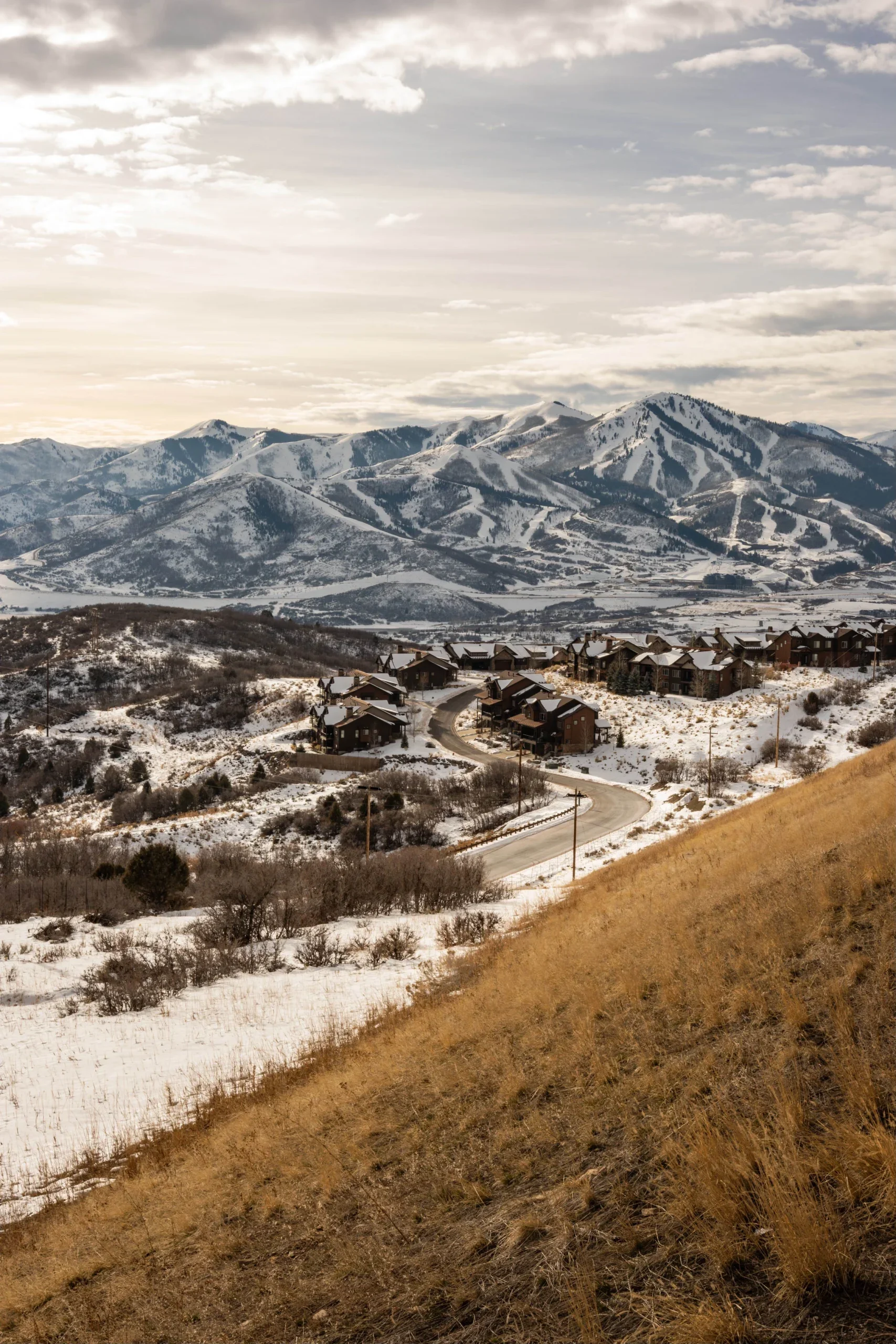
Deer Valley, Utah
If the ideal ski day involves as little queueing as possible, Deer Valley deserves serious consideration. The Utah resort has built its reputation on skier-focused service and carefully groomed runs, with terrain continuing to expand. Nearby Park City provides a historic Main Street, restaurants, and a livelier evening scene, should you fancy venturing beyond the resort.
How to get there: Fly into Salt Lake City International Airport, then transfer by road to Deer Valley in around 40 minutes.
Where to stay: Montage Deer Valley sits in Empire Pass, with ski-in/ski-out access, a substantial spa and a choice of rooms, suites and residences. Its signature restaurant, Apex, serves French-inspired cooking with regional ingredients, while Daly’s Pub & Rec offers bowling and games for a less formal evening.
Related article: The Best Luxury Hiking Trips For a Crowd-Free Escape
-
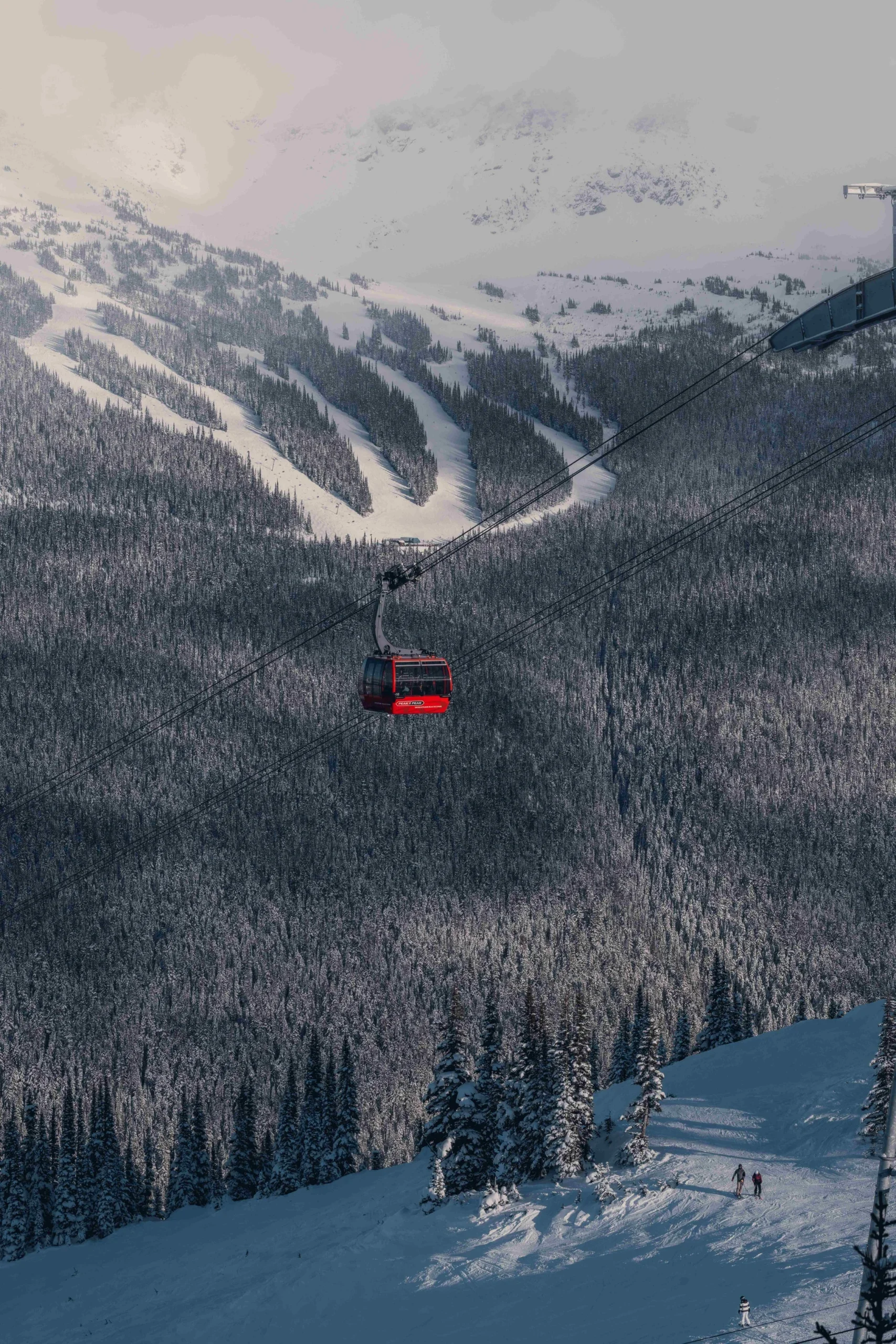
Whistler Blackcomb, Canada
Whistler Blackcomb is the destination for those who like a challenge, thanks to its two vast ski areas offering extensive terrain for all types of skiing, from long cruising runs to more demanding descents. The Coast Mountains give the landscape a distinctly different character from the Rockies, and the sheer breadth of the terrain makes it particularly rewarding for a longer stay.
How to get there: Land into Vancouver International Airport, and the drive to Whistler takes around 2.5 hours – although a chartered helicopter can cover the journey in approximately 30 minutes.
Where to stay: While it sits at the foot of Blackcomb Mountain with ski in/out access, Fairmont Chateau Whistler’s appeal extends beyond its convenience to the slopes. The Mallard Lounge has a long-standing après-ski tradition, featuring live entertainment and an even livelier terrace overlooking the mountain.
-

Courchevel 1850, France
Courchevel 1850 is the Alps at their most unapologetically extravagant. Palace hotels, Michelin-starred dining, and some of the region's most desirable chalets sit alongside access to Les Trois Vallées, one of the world's largest linked ski areas.
How to get there: Courchevel has its own altiport close to the slopes, but its short, steep runway means specialist aircraft and suitably qualified pilots are required. Flying into Chambéry Savoie Mont Blanc Airport and continuing by road is a more practical option, taking just over an hour.
Where to stay: Cheval Blanc Courchevel combines ski-in/ski-out access with a Guerlain spa and the sort of personalised service expected at a Palace hotel. Le 1947 à Cheval Blanc holds three Michelin stars, with chef Yannick Alléno overseeing an elaborate take on contemporary French gastronomy.
-

Gstaad, Switzerland
Gstaad's traditional chalets and discreet private residences give the village an old-money appeal, while its network of ski areas offers plenty of terrain for a week on the slopes. The atmosphere is more country-house retreat than party resort, but there are boutiques, restaurants, and long lunches that can provide the requisite diversions when the lifts close.
How to get there: Saanen Airport is the closest airfield and accepts mid-size jets, subject to prior permission and operating restrictions. For larger aircraft, Geneva Airport is the more flexible landing point, followed by a 2.5-hour drive.
Where to stay: The Alpina Gstaad offers a contemporary interpretation of the traditional Swiss chalet, with a design-led interior and a substantial spa. MEGU serves Japanese cuisine in another striking space from designer Noé Duchaufour-Lawrance, with a sushi counter and an extensive sake selection.
-

St. Moritz, Switzerland
The Engadin valley's high-altitude skiing and famously sunny winter days are part of the appeal of St. Moritz, but so is the social calendar, grand hotels, designer boutiques, and plenty of fine dining options.
How to get there: Engadin Airport at Samedan is just under four miles from St. Moritz. But at around 9,600 ft above sea level, it is one of Europe's highest airports, so mountain conditions and aircraft performance matter. The reward is a drive of roughly 10 minutes into town.
Where to stay: Badrutt's Palace Hotel is the classic choice, overlooking the lake with the grand interiors, celebrated dining, and top service. The hotel’s extensive restaurant offerings include La Coupole – Matsuhisa, where Nobu Matsuhisa serves his Japanese-Peruvian cuisine, and Chesa Veglia, a historic Engadin house housing several restaurants and bars.
-

Zermatt, Switzerland
Few ski resorts have a calling card quite like the Matterhorn. Zermatt's mountain scenery is extraordinary, and the skiing extends across the Swiss-Italian border, offering a substantial area to explore. The village itself is car-free, with a mix of traditional chalets and luxury hotels that make it feel quainter than the larger, more traffic-heavy resorts.
How to get there: Fly into Sion Airport, then arrange a helicopter transfer to arrive into town in around 15 minutes. If weather prevents flying, a road-and-rail journey provides the alternative, as Zermatt itself is car-free.
Where to stay: The Omnia is a contemporary mountain retreat perched above the village, with Matterhorn views and a more intimate atmosphere than the grand traditional hotels. Its entrance is reached by a lift cut into the rock, giving arrivals a little theatrics.
-

Verbier, Switzerland
Verbier is where the Alps' more adventurous skiers come to play. Part of the Four Vallées, it has extensive terrain, challenging off-piste opportunities, and access to some formidable high-mountain skiing. But the resort isn't all early starts and technical descents; the strong restaurant scene and lively après-ski culture make sure of that.
How to get there: Sion Airport is around 45 minutes away by road, depending on conditions. Geneva Airport offers a wider range of international connections, but the drive is considerably longer at two hours.
Where to stay: W Verbier brings a more energetic take to Alpine hospitality, while still offering direct ski-in/ski-out access and a location close to the resort’s lifts. Its indoor-outdoor pool and lively bar scene help distinguish it from the more traditional chalet-style hotels.
-

Lech, Austria
Part of the Arlberg region, Lech has access to a substantial linked ski area, alongside traditional Alpine architecture and a village atmosphere that feels more residential than showy. It is an excellent option for families and experienced skiers alike, particularly those who want the scale of a major ski region without the overt party scene.
How to get there: Innsbruck Airport has a dedicated General Aviation Center for private and business aviation. From there, the drive to Lech generally takes around 1.5 hours.
Where to stay: Severin’s The Alpine Retreat offers a secluded, residential-style stay with just a small collection of suites, making it a more intimate proposition than the larger resort hotels. The property is designed for guests who want to retreat from the village at the end of the day without giving up access to the wider Arlberg ski area.
-

Niseko United, Japan
The Hokkaido resort of Niseko is famous for its abundant snowfall, which produces the light, deep conditions that so-called ‘powder heads’ travel across the world to find. Four connected ski areas offer plenty of variety, while Japanese cuisine and onsen bathing make this a markedly different proposition from a week in the Alps.
How to get there: Even when flying private, the journey to Niseko isn’t exactly the quickest. Fly into New Chitose Airport, which has the dedicated business-aviation facility, the Hokkaido Business Aviation Center, and then it’s a drive of around two to three hours, so bear this in mind.
Where to stay: Park Hyatt Niseko Hanazono combines ski-in/ski-out access with spacious residences, extensive spa facilities, and handles all the airport-transfer arrangements from New Chitose.
Molière Montagne brings French technique to Hokkaido ingredients, while Sushi Mitsukawa serves sushi and sashimi under Michelin-starred chef-owner Mitsukawa. In winter, the hotel’s Krug Igloo Privé adds the option of a private dinner in a snow-covered igloo beneath the stars