



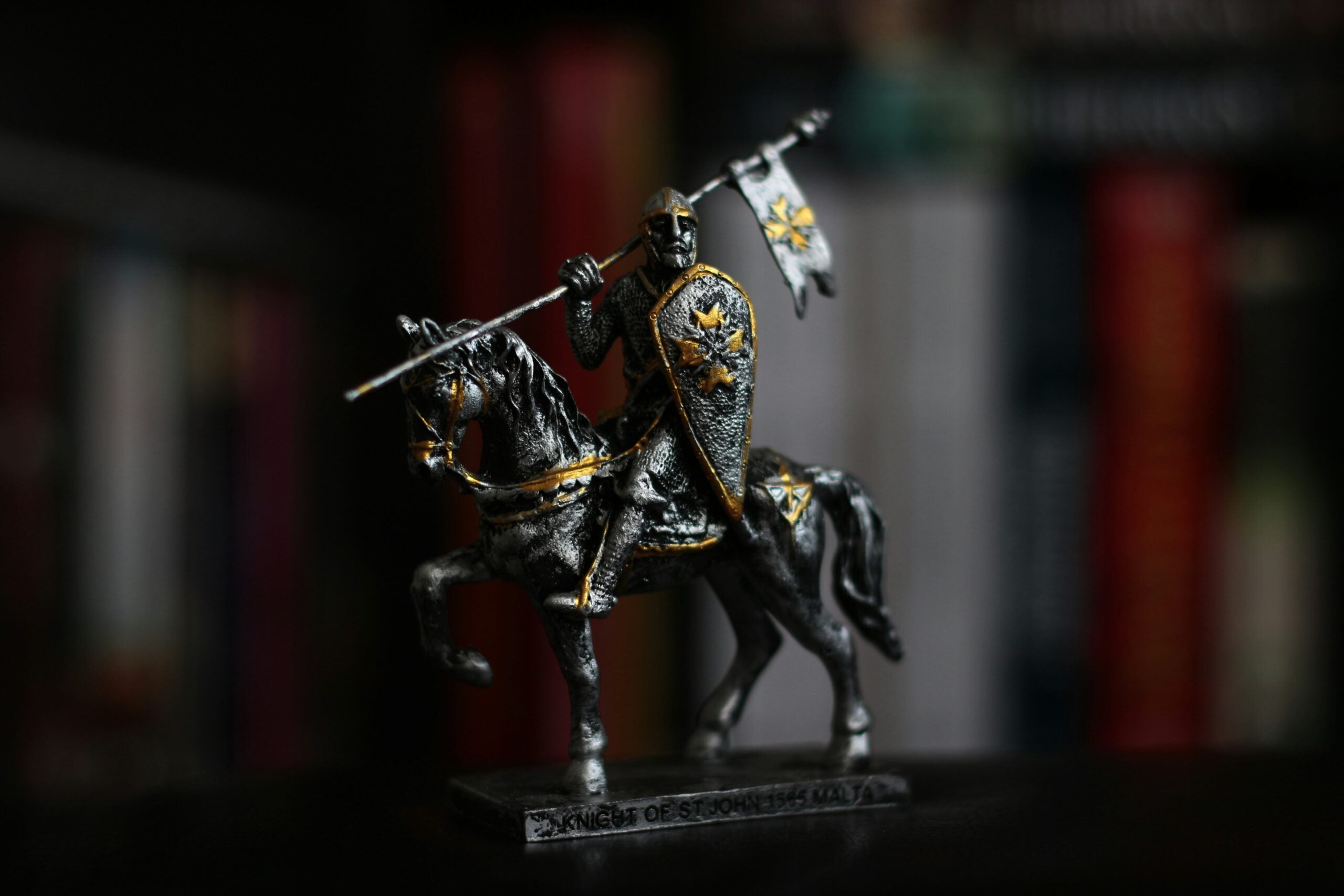
There is, at first glance, something improbable about treating medieval arms or suits of armor (‘harnesses’ to use the technical term) as an asset class. A flanged mace or pair of Gothic-style pauldrons (shoulder defenses) do not slip easily into the same mental category as a Basquiat, a case of Romanée-Conti, or a Ferrari 250 GTO. And yet, speak to the small, quietly thriving world of specialist medieval dealers, academics, and curators, and a different picture emerges – one in which historic harnesses sit comfortably alongside more orthodox collectibles.
For those inside the market, these are highly sophisticated cultural objects. “The single most important thing to understand,” says Dr Tobias Capwell, one of the world’s leading authorities on medieval and renaissance arms and armor, “is that they are expressive works of art at the same time as they are functional tools.” In other words, they represent a rare blend of design, craftsmanship, history, and identity fused into one.
See also: Pokémon Cards and Picasso? Meet London’s Most Eclectic Collector

This layered meaning has long underpinned demand. As Thomas Del Mar, a specialist auctioneer and the founder of Olympia Auctions, points out, armor has been collected alongside fine art for centuries. Early European museums displayed it not as a curiosity, but as a peer to painting and sculpture – pieces imbued with symbolism and artistry. “These aren’t objects of belligerence,” he notes. “They’re much more than that. They’re symbols of status.”
Del Mar points to the enduring legend of fantasy swords such as King Arthur’s Excalibur, or Hrunting (the sword carried by the eponymous hero in the Old English heroic poem Beowulf), as markers of prestige and influence, and emphasizes that modern collectors still resonate with this. “They like the idea of a man and his castle.”
Today’s buyers – often collectors already active in art, design, or antiquities – tend to approach the category with a similar sensibility. Provenance and condition are paramount. A well-documented piece with a strong historical narrative will always command a premium, usually appreciating in value over time.
The market itself, however, is far from commoditized. Rather, it’s intimate, relationship-driven, and (crucially) finite. Peter Finer, a veteran dealer whose family business spans decades, Collectors in search of an asset class with a difference are turning to medieval arms and suits of armor. Far from being objects of aggression, they’re the ultimate symbols of status, says Aleks Cvetkovic, who describes a trade built as much on stewardship as sales. Objects circulate slowly, often returning to the same dealer decades later via estates or private collections. “Quite a proportion of our stock is material we’ve sold in the past,” he says, underscoring the long memory of the market.
See also: How a 28-Year-Old Collector Built One of the Rarest Vintage Patek Philippe Collections
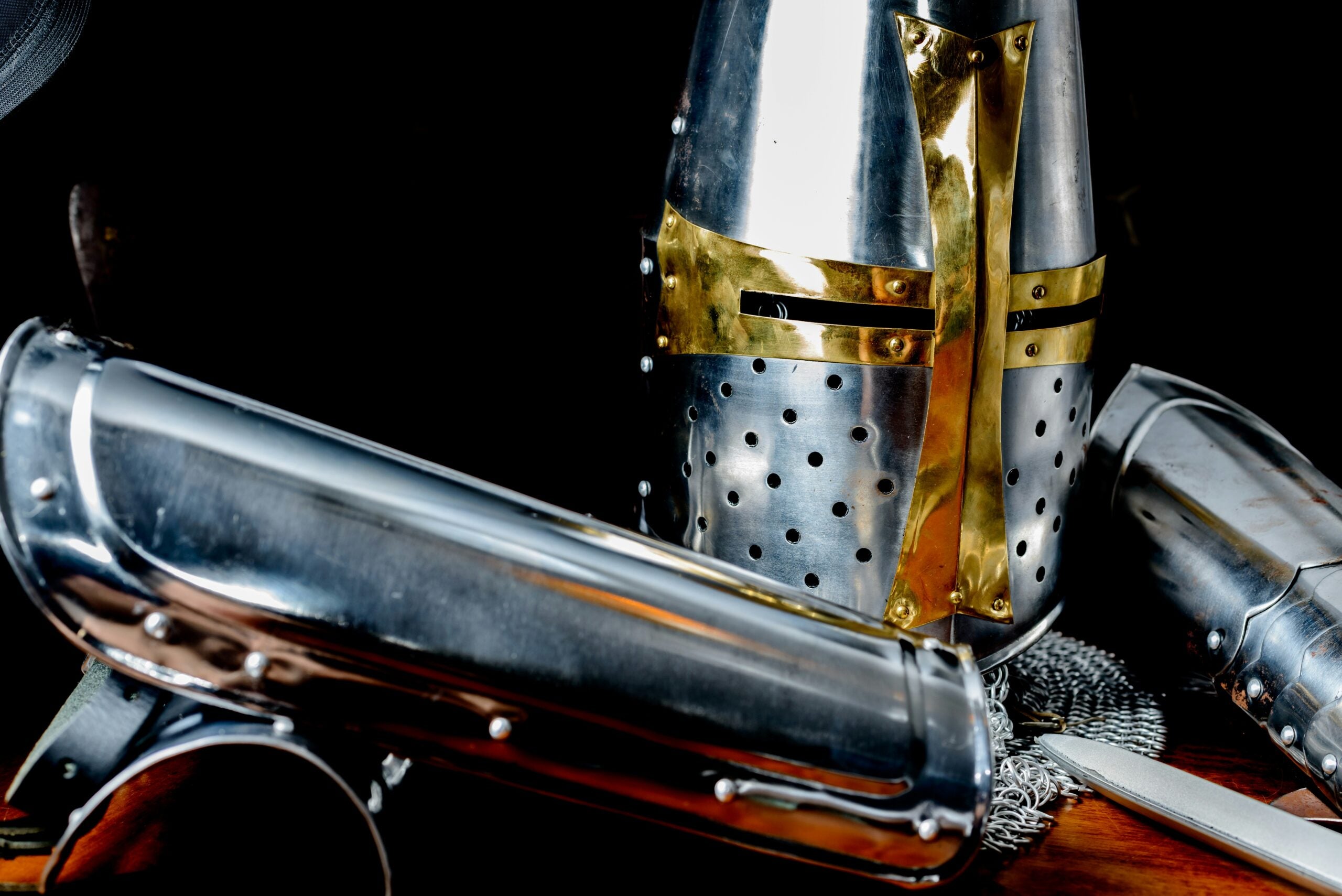
This scarcity is part of the appeal. Unlike contemporary art, supply cannot be expanded, and museum-quality examples are genuinely rare. Institutional buyers remain active – museums across Europe and the US continue to acquire significant pieces – but private buyers are increasingly curious, particularly those seeking differentiation from more crowded categories such as contemporary art.
Prices vary hugely. Entry-level objects – medieval badges, ornaments, or spurs – can be found in the low thousands. At the upper end, a fine, complete 15th-century harness can comfortably exceed six figures, while exceptional pieces with notable provenance move into a different league entirely.
See also: Meet the Man Who Handles the World’s Most Valuable Whisky
That said, it would be misleading to frame the category purely in financial terms. Even its most commercially minded advocates are quick to temper expectations. “We’re not talking about investment strategy,” says Del Mar. The comparison he draws is telling: one does not ‘invest’ in theater or great food, except in the “nourishment of the soul” they provide.