

Most collectors spend years searching for the next addition to their collection. Douglas So spends just as much time uncovering the stories behind the ones he already owns.
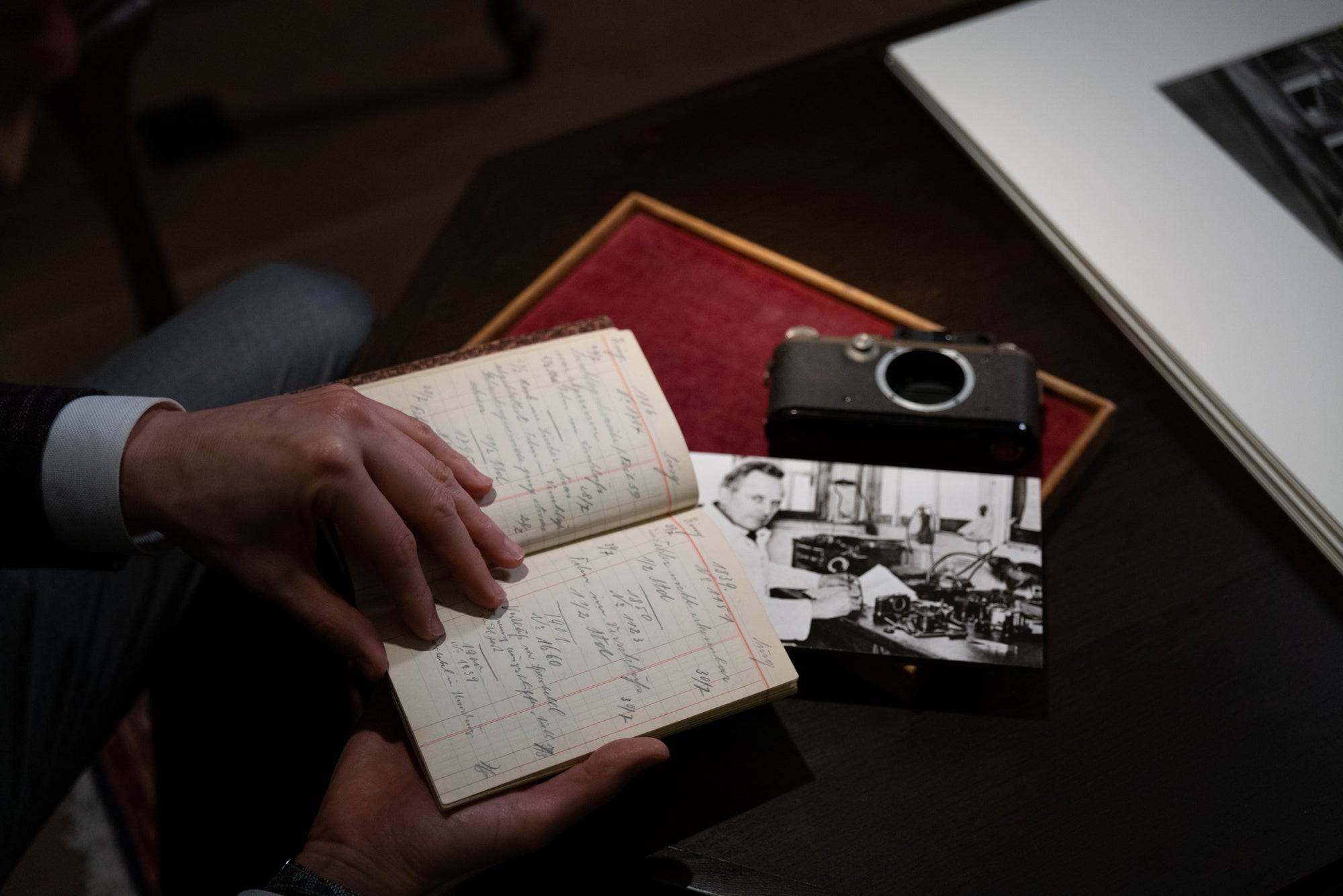
One prototype among the hundreds of Leica cameras in his collection continues to send him back to the company’s archives in Wetzlar, Germany, searching through decades-old documents for an answer that no textbook has yet managed to provide: why Leica abandoned the project altogether.
“I think collecting is about discovery,” So tells me over a video call from his home in Hong Kong. It’s a thought he returns to several times over the course of our conversation.
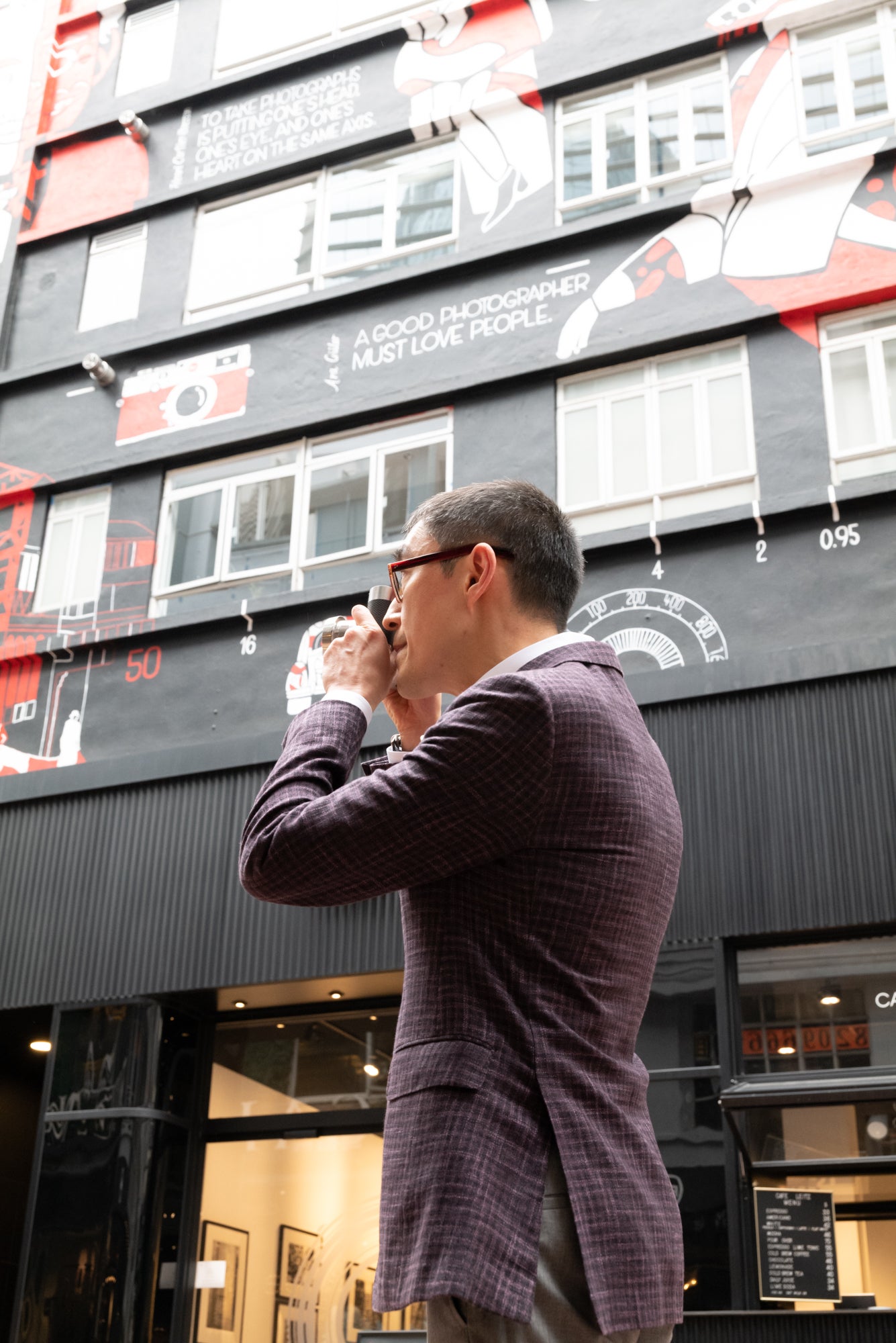
Over the years, it’s that curiosity that has established So as one of the world’s foremost Leica collectors. Yet despite the number of cameras now under his care, all housed inside Hong Kong’s F11 Foto Museum, he insists his fascination never began with the equipment itself.
As a secondary school student with an interest in history, he became captivated by the photographs that documented the defining moments of the twentieth century: images of Martin Luther King Jr., Mahatma Gandhi, wars, and political assassinations.
It isn’t difficult to imagine the rabbit hole So fell down, digging deeper into understanding more about these photographs and who took them. “Naturally over the years it led me to the question, what was the equipment they used to take these important images?”
See also: How a 28-Year-Old Collector Built One of the Rarest Vintage Patek Philippe Collections
The answer kept coming back to Leica. Before the brand was established, cameras were large, cumbersome things, making photography difficult to take far beyond the studio. The arrival of Leica’s portable 35mm camera in 1925 allowed photographers to travel more freely, documenting wars, cultures, and landscapes with a speed that had previously been impossible.
“I think it changed the world in the sense that photographers were able to travel the world and bring images from China, Africa, and South America, and let people see for the first time what these places were like.”
His first Leica came years later, finally buying the M6 after qualifying as a solicitor. After admiring it from afar during his school days, finally learning to use it was now the lesson at hand. “You had to learn the ABCs of how you make an image,” he recalls. “Everything was mechanical. You had to do everything yourself.”
He believes that same slower, more deliberate process is drawing a younger generation back to analogue photography today. “Many of them are now hooked,” he says. “They really want to make something authentic, not touched by AI or smartphones.”
See also: The Psychology of Why We Collect
Ask So about the highlights of his collection, and he doesn’t focus on famous or rare pieces. Instead, the cameras that interest him most are prototype models that never made it into production. For example, during the 1970s, Leica explored producing a miniature 110-format camera, creating numerous working prototypes before shelving the idea altogether. A handful survive in private collections, but why the project was abandoned has largely disappeared from the historical record.
“It’s important that apart from what’s available, you look at some of the things that aren’t. Apart from focusing on the winner, look at some of the so-called losers. Why Leica did not choose that prototype always fascinates me – I’m still trying to find out the answer,” he reflects. “One day, I would love to go back to the Leica archive in Wetzlar to see if I could find something in the meeting minutes or some other papers that would tell us why Leica did not go ahead with the project.”
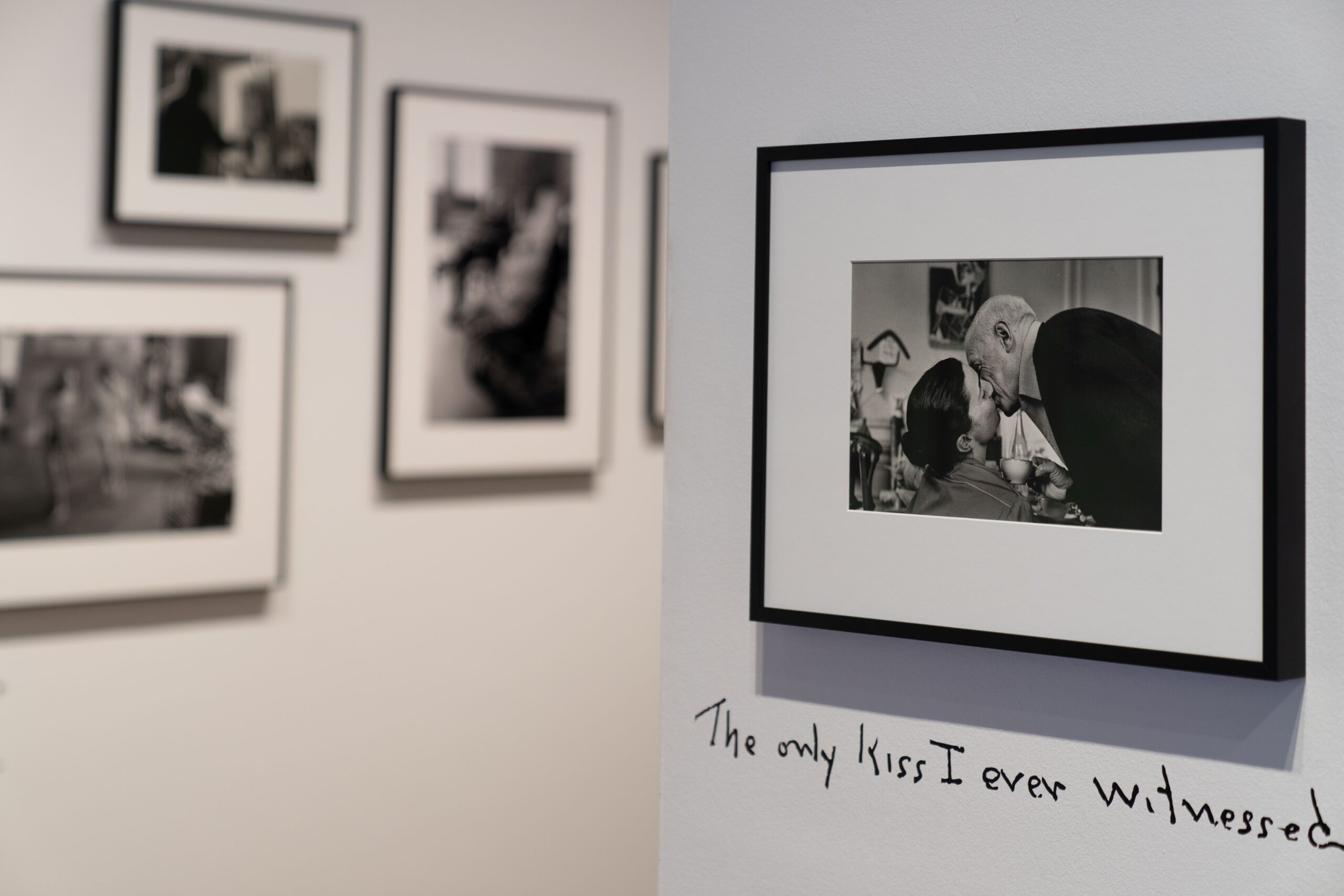
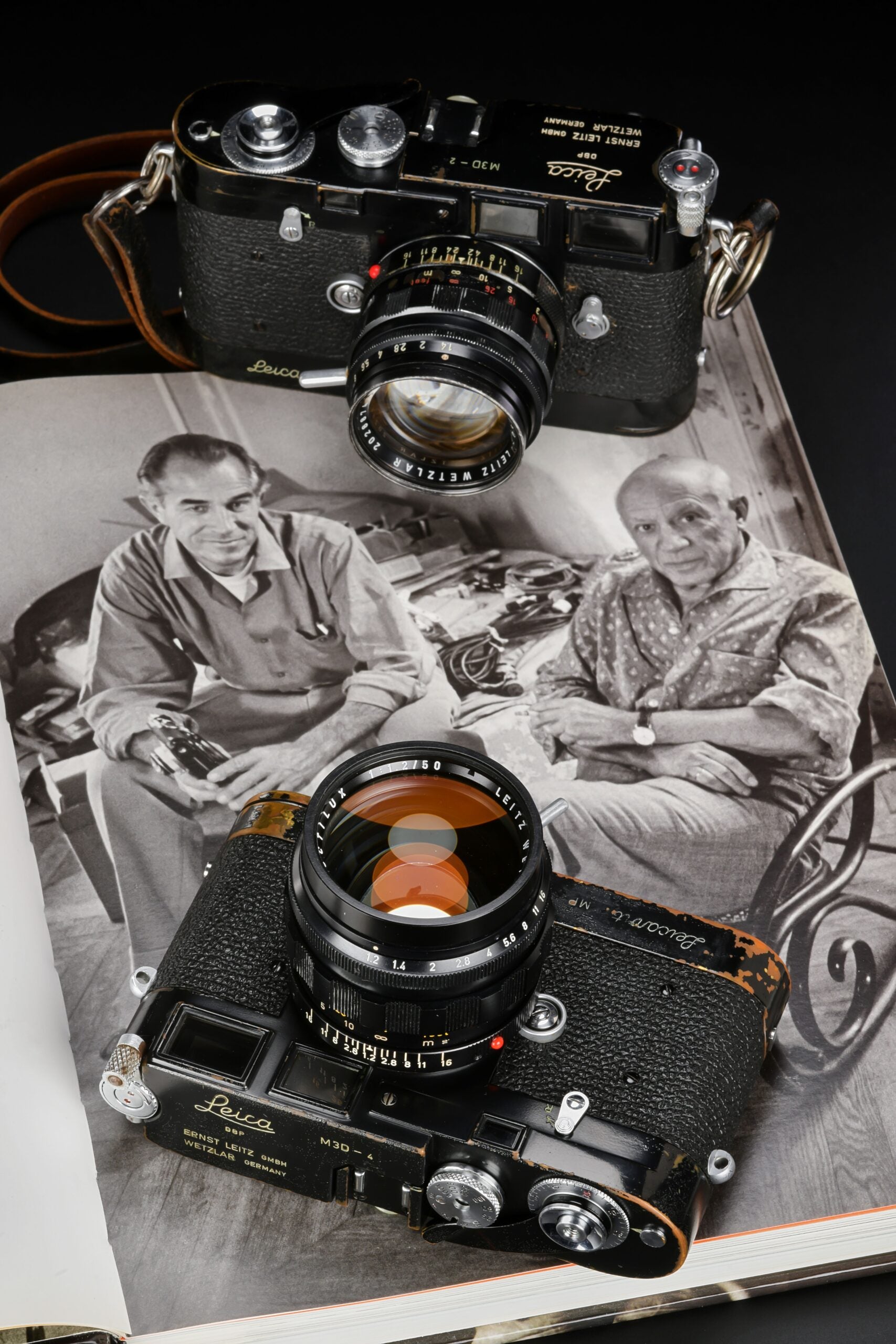
As I’m talking with So, it’s clear that he is just as excited to tell you about the photographer, the engineer, the stories behind the camera as the object itself. He lights up when recounting how two of his most admired photojournalists, Alfred Eisenstaedt and David Douglas Duncan, lobbied the company to rethink its design of the new M3, with their feedback eventually leading Leica to develop the MP for professional photographers. “The interaction and collecting feedback from photographers in the design of future products – we’ve seen more than one example of this over the last 40 or 50 years,” he explains.
See also: This Dutch Collector Turned His Home Into an Incredible Fossil Museum
Choosing one, he jokes, would be like choosing a favorite child – a comparison he borrows from the late photographer Elliott Erwitt – before gently sidestepping the question altogether. But among the pieces he treasures most are cameras once owned and used by Henri Cartier-Bresson and other Magnum photographers. For So, their significance has little to do with condition or value: “You look at the camera, and you know there is so much history. They’re not just commemorative cameras with somebody’s name on them. They were cameras they used to take some very, very important photographs.”
Eventually, So opened his private collection to the public with the launch of F11 Foto Museum in 2014. Rather than choosing a conventional gallery, he restored a 1930s colonial residence in Hong Kong’s Happy Valley, believing the building itself should become part of the experience. Alongside the cameras sit rotating photography exhibitions and an extensive library of photobooks.
“Apart from discovery and learning, the third most important component about collecting is sharing,” he notes. Many visitors bring stories of their own – encounters with photographers, family memories or snippets of Leica history that never found their way into books. “I don’t know whether it’s fair to say visitors learn more from looking at my collection, or whether I learn more from them when they come and talk to me.”
Related Story
For someone who spends so much of his life thinking about (and in many ways, preserving) history, it’s perhaps inevitable that So has also considered the future of his own collection. Rather than seeing it dispersed, he hopes one day to establish a foundation that will keep both the museum and its collection intact. “I’ve seen collections being broken up,” he reflects. “Collectors probably put in decades of effort to put the collection together, so it’s sad to see.”
If all goes to plan, future visitors will continue to wander through the museum’s rooms, interested in not just admiring the cameras from behind glass but in the stories behind them. “I just hope that when people walk out the door, they love photography more than before they walked in.”