
If there’s a more unsettling phrase than ‘wellness journey,’ I’ve yet to hear it. This is undoubtedly due to my reluctance when it comes to taking my own wellness journey. This voyage conjures visions of uncomfortable exertions in a cult workout studio wearing athleisure and drinking overpriced water.
This distinct fear echoed in my mind as I arrived at the Buchinger Wilhelmi clinic in Marbella, Spain, where presumably a fair amount of wellness journeying was going to unfold. I was here for a week and a half, destined to survive on a paltry 250 calories a day, about the same as a generous glass of wine.
This was a repeat performance on my part; my first Marbella visit was a year prior, to write a story. Normally, I write about travel – eating around Alsace or enjoying Tokyo izakaya. When I go on a trip, the first thing I do is make restaurant reservations. I’ve never looked at the photos of the hotel gym in my life, much less entered one. So, writing about fasting was a departure, like sending a pacifist to cover a war.
I showed up at the clinic with a certain amount of skepticism but a nagging awareness that I had to get healthier. The issue came to a head not from a visit to a doctor (which I try to avoid), but because more and more people started to refer to me as a bon vivant. Now, bon vivant implies an appreciation of the pleasures of the table, of the arts, and sartorial expression; all good things, we can agree. But it’s also a euphemism for a man usually straining at his overly patterned waistcoat as he pushes his chair back after a leisurely lunch, patting his stomach before he takes a well-deserved nap.
No, bon vivant would not do. It’s one step above being called jolly. Nobody crossing the finishing line of a marathon is called jolly. Santa Claus is jolly and Santa, it’s safe to say, has never been on a wellness journey.
The first time I went to Buchinger, I fasted, dropped some poundage, and had my suits slimmed. It was a great experience, but it didn’t really take. I’m afraid I wasn’t quite prepared to make all the changes to diet, exercise, and the rest that I knew I needed to make. Discipline departed and the weight returned, not all at once but slowly and stealthily, the way these things do.

Then I turned 50, which tends to focus the mind. I started to miss the Buchinger experience – I did feel better when I was there. Maybe it was time for a revisitation. So I returned on my own, not as a skeptic, not as a writer, just as a faster. When I told friends what I was doing it elicited extreme reactions.
Fasting has that effect on people. Some are supportive and curious. “I’ve always wanted to try that,” they say. Others are unsettled, even scandalized. “Why would anybody want to fast?” they huff. “That sounds awful.” And you can’t always guess who’ll say what.
Beware the convert who comes back from some spiritual experience, and calmly implores you to trek across the desert, go on a silent retreat, or fast. “You have to,” they whisper sagely, “you simply have to.”
Now, I’m not saying you have to do anything, but I do think that there are people who would enjoy fasting more than they’d imagine. The fact that the clinic is in Spain helps. The original Buchinger, still going strong after more than 70 years, is set in Germany, near the Swiss border, on the shore of Lake Constance. It looks lovely, but, if we’re honest, I’d rather hear hard truths about my diet from a Spanish doctor with palm trees outside swaying in the breeze.
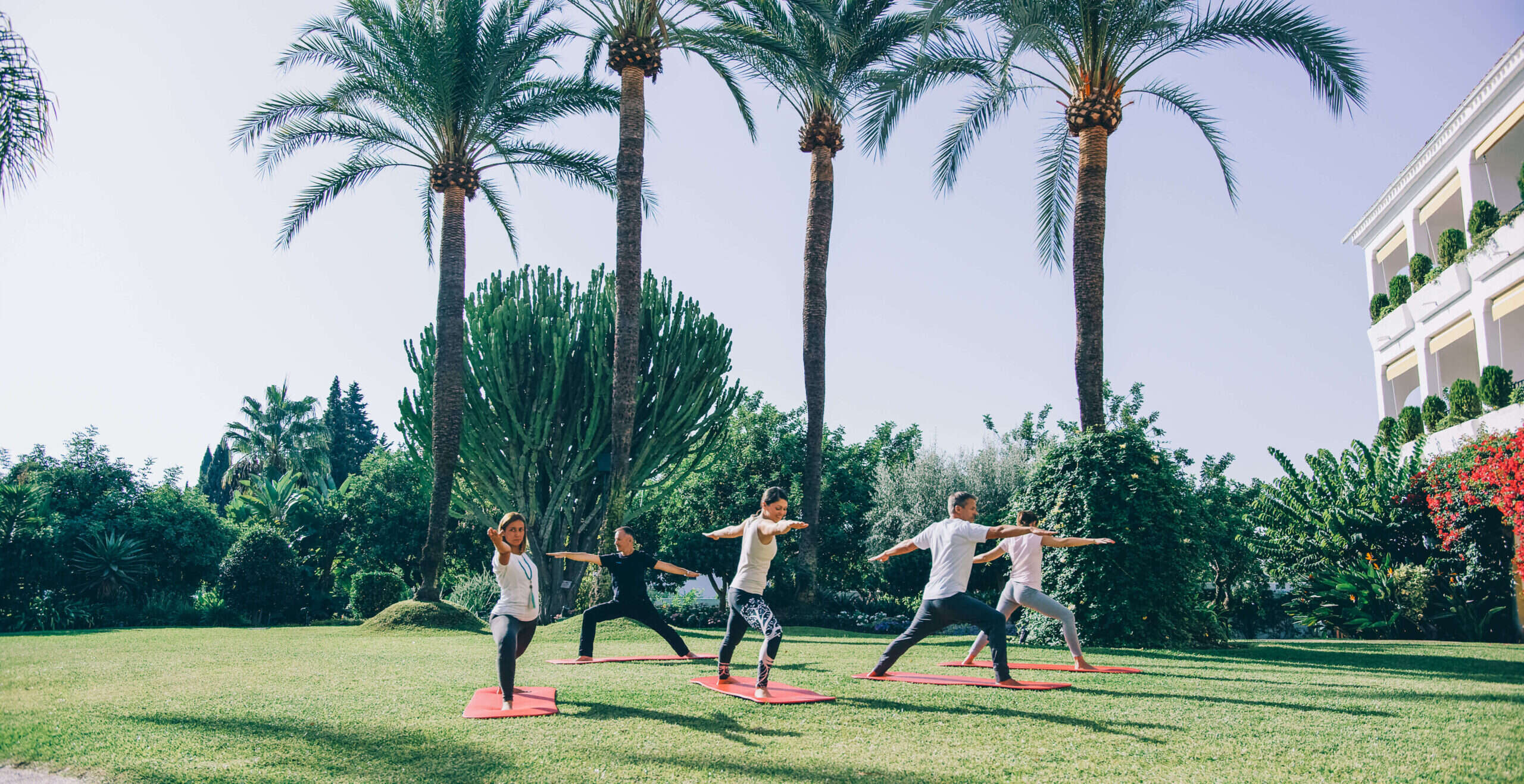
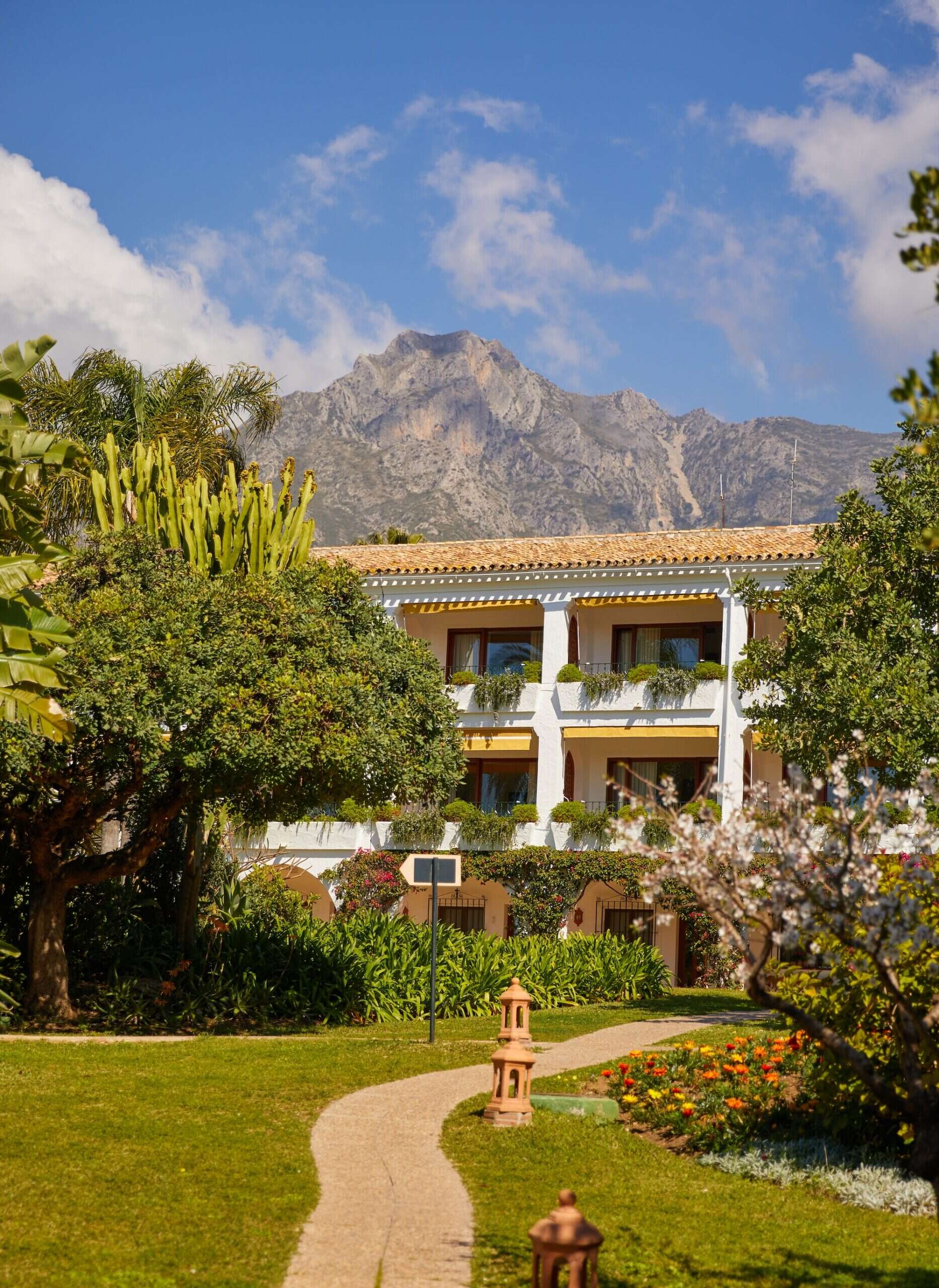
Before we get righteous, revved up, or rush to any conclusions, let me tell you what life is like at Buchinger. The clinic, up the hill from Marbella proper, resembles a stately resort. From the balconies there are views down to the Mediterranean, and a peaceful atmosphere reigns. There’s a curious balance between rigor and relaxation.
Essentially, you can do what you want, as long as what you want doesn’t involve eating and drinking. That does take some time to get used to. This contrast is mirrored with the people you see. Doctors in white jackets and nurses in uniform. They are all kind, but turn stern going over your blood work, and some of the analysis, in my case, was unsparing. “Just how much wine did you say you drank?” is not something you want to hear from a medical professional.
See more: The Best Spas in London for Utter Relaxation
There is something almost charming about the ritual of visiting the nurse each morning. She weighs you and takes your blood pressure and enters the numbers in a little notebook, which you carry around like a Montessori student. I would say this is infantilizing, but the numbers keep going down, which is surprisingly satisfying. You might even feel a sense of pride as you convert from the European kg into the American lbs.
You drink a lot of water and a lot of tea – the clinic has an apple-cinnamon blend that goes well with lemon juice from nearby trees. These things take outsize importance, because they’re basically all you’ve got. I became so obsessed with Bezoya, one of the six types of water they offer, that I actually looked into whether I could have cases of it delivered to New York. Oh, and don’t think you’re getting any coffee here, my friends; you’re going caffeine-free as well.
Otherwise, you have two meals a day. Very good soup (say, a celery fennel) and very good juice (perhaps an apple carrot). Everything they use is from nearby farms. The food is terrific; the issue isn’t quality (which is high), it’s quantity (which is low). And despite their reminders to take your time, the meals are done sooner than you’d wish.
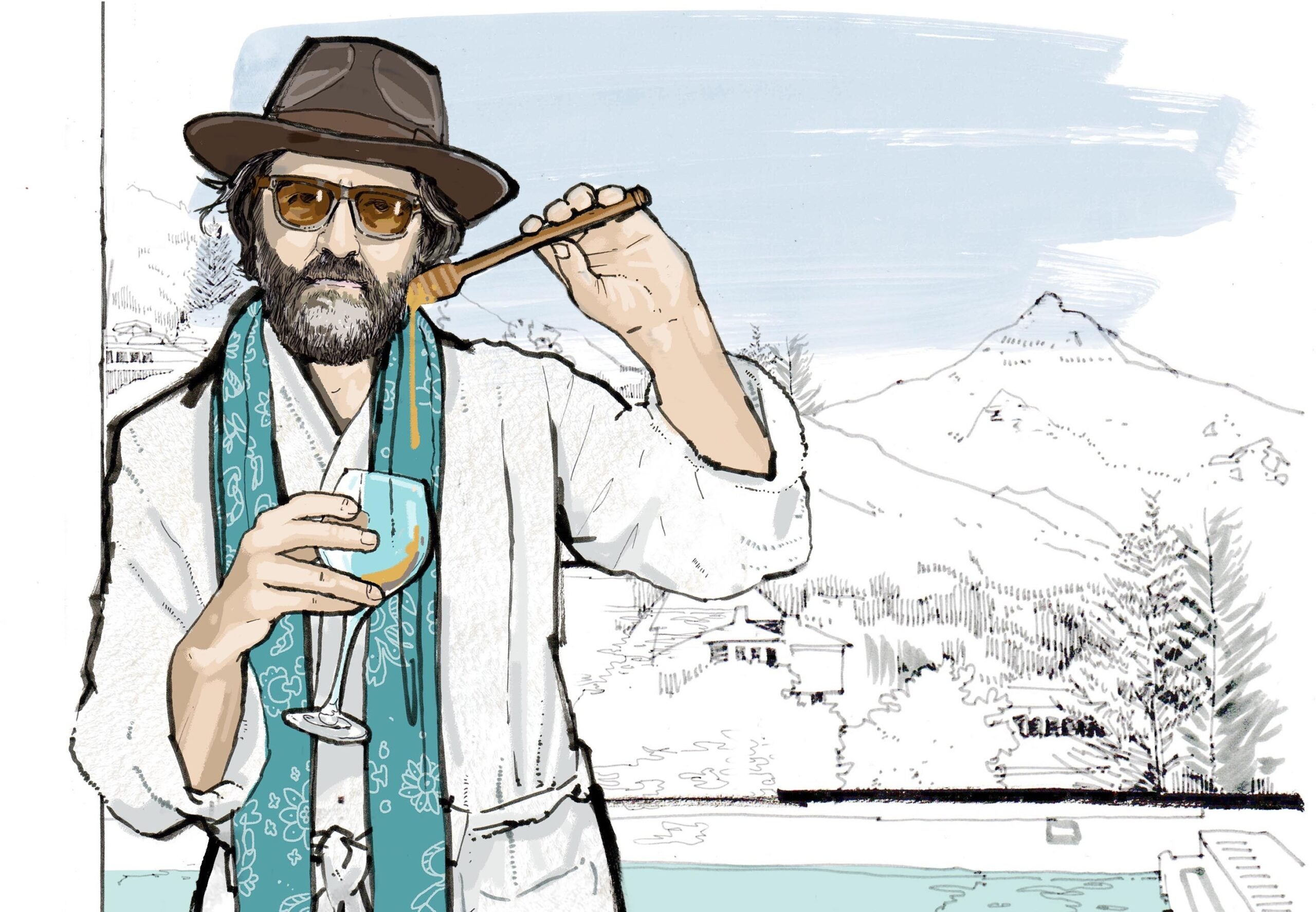
You also receive a small amount of honey each day, which arrives in a dish the size of a silver dollar. This treat is for when you’re suffering low blood sugar or you’re convinced that you’re not going to make it. I’m not sure I’ve ever looked forward to anything more in my life than to this honey every afternoon.
As a minimalist painter could tell you, when you strip nearly everything away, what remains really matters. When there’s sugar involved – which is what your brain craves – you might mistakenly think your life depends on it. On a day the honey failed to arrive I called the desk, nearly in tears, begging them to bring more.

What is an actual fast like? You want to know if I struggled? Some people derive a morbid pleasure observing self-imposed suffering. Perhaps the faster strikes them as overly righteous, implicitly casting judgment on everybody else’s habits. Well, the first few days you feel tired, possibly very tired, which is even more noticeable than the hunger.
While I wasn’t endlessly hungry, I became obsessed with food. Not acquiring and eating it, but imagining tremendous meals in beloved restaurants. The idea of a three-hour lunch possessed me; I wrote friends and arranged dates far into the future. In the depths of my withdrawal, I read the menus of restaurants from gastronomic temples in Paris. At one point, I was overtaken with a desire to eat dim sum, and started surreptitiously looking at photos of dumplings.
It’s on the fourth or fifth day that everything starts to pay off. That’s when the body stops trying to convince itself that it’s hungry. Instead, ketosis kicks in and, if you’ll pardon the image, the body starts to feed on its own fat. Nobody likes the sound of that but they like the result. You lose weight, yes, but suddenly you’re possessed with endless amounts of energy.
The first time this happened to me I emailed every person I knew and caught up on a year’s worth of correspondence. The feeling is a little like having a triple espresso if you’ve never tried caffeine. But it’s not synthetic like taking a designer drug, it’s the result of your own good behavior, which is reinforcing. It’s a high that feels like it’s never going to end.
You get ambitious, you might want to write a screenplay, hit a pilgrim’s trail, or devote your life to good deeds. These things pass but the memory remains, and that’s why people return to fast. For me, Marbella creates the conditions to focus on the balance I’m looking for in life, if that doesn’t sound too sentimental.
The clinic isn’t preachy about it; they give you space to figure it out yourself. Also: I like that this is in Europe. I’m not sure I could handle this in coastal California or anywhere I’m surrounded by Tribeca overachievers.
This isn’t a productivity hack or something you do before heading to an awards show. There are more painless ways to lose weight, and this way requires more discipline. It’s more analog, if you will. Buchinger allowed me to reassess my relationship to food and wine – that’s to say, my relationship to pleasure.
The fast is a time to settle accounts, and in my case, some were past due. I confronted something I already knew: that I couldn’t live the way I did when I was 30 now that I’m not. Yes, that’s obvious, but hectic life in New York, where I live, can distract anybody from a variety of hard truths. Fasting allows a reset and even if some ambitions burn off when they meet the atmosphere of reality back home, some remain.
These days I’m making a surprisingly good celery root soup and there are fewer wine bottles in the recycling bin. After making my Pilates debut to very little acclaim at Buchinger, I’ve brought my dreadful technique to the reformer machines of Manhattan. However this turns out, I feel like I’m in a better position to play the long game. So I guess I am a fasting believer. You might be too – after all, what have you got to lose?