
It perhaps seems unfair to begin this look at Maria Grazia Chiuri’s debut cruise collection for Fendi with reference to her previous employer, Dior. After all, she left her role as the first female creative director at the French fashion house almost a year ago, and six months later joined Fendi as the chief creative officer, her first time overseeing menswear alongside womenswear.
It may seem even more unfair to draw attention to her gender, since that is rarely a lens through which her male peers are examined. But as both an explicit feminist and arguably the most commercially successful female designer of the last decade, almost quadrupling Dior’s sales during her tenure, those facts inevitably shape how this new chapter is read.
Her first collection at her last job was marked by the (now somewhat infamous) ‘We Should All Be Feminists’ T-shirt. For better or for worse, it was explicit, zeitgeisty, and attention-grabbing for the Buzzfeed era of the internet. Her debut Resort 2027 collection for Fendi, while visually worlds apart, still engages with ideas around gender but with more nuance and less reactivity than her previous heart-on-sleeve approach at Dior.
See also: Dior’s Star-Studded LA Cruise Show Marks a New Era for the House
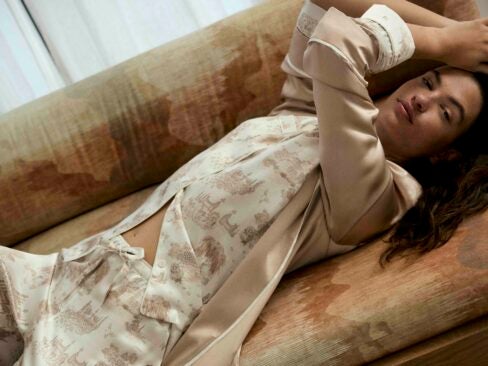
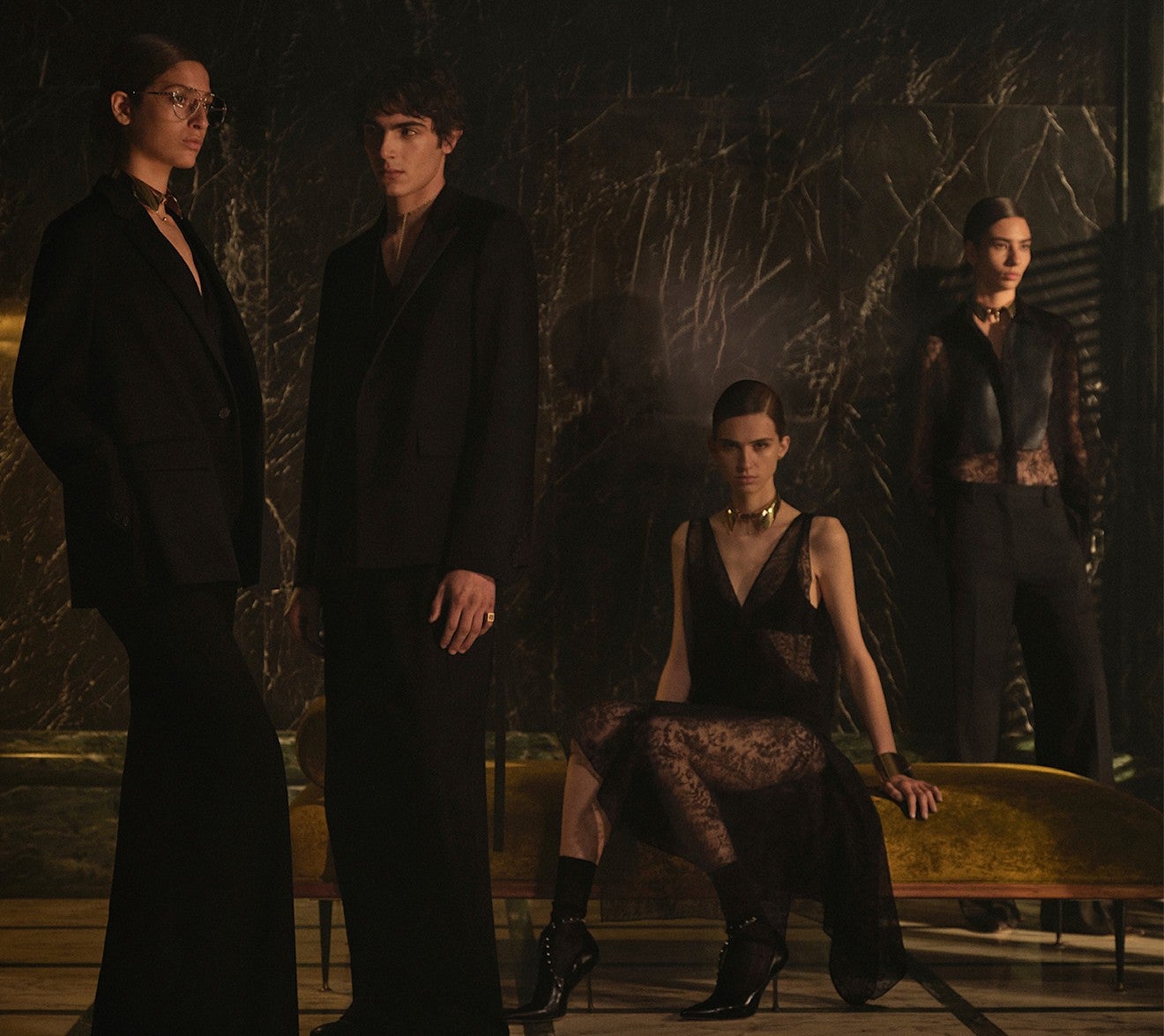
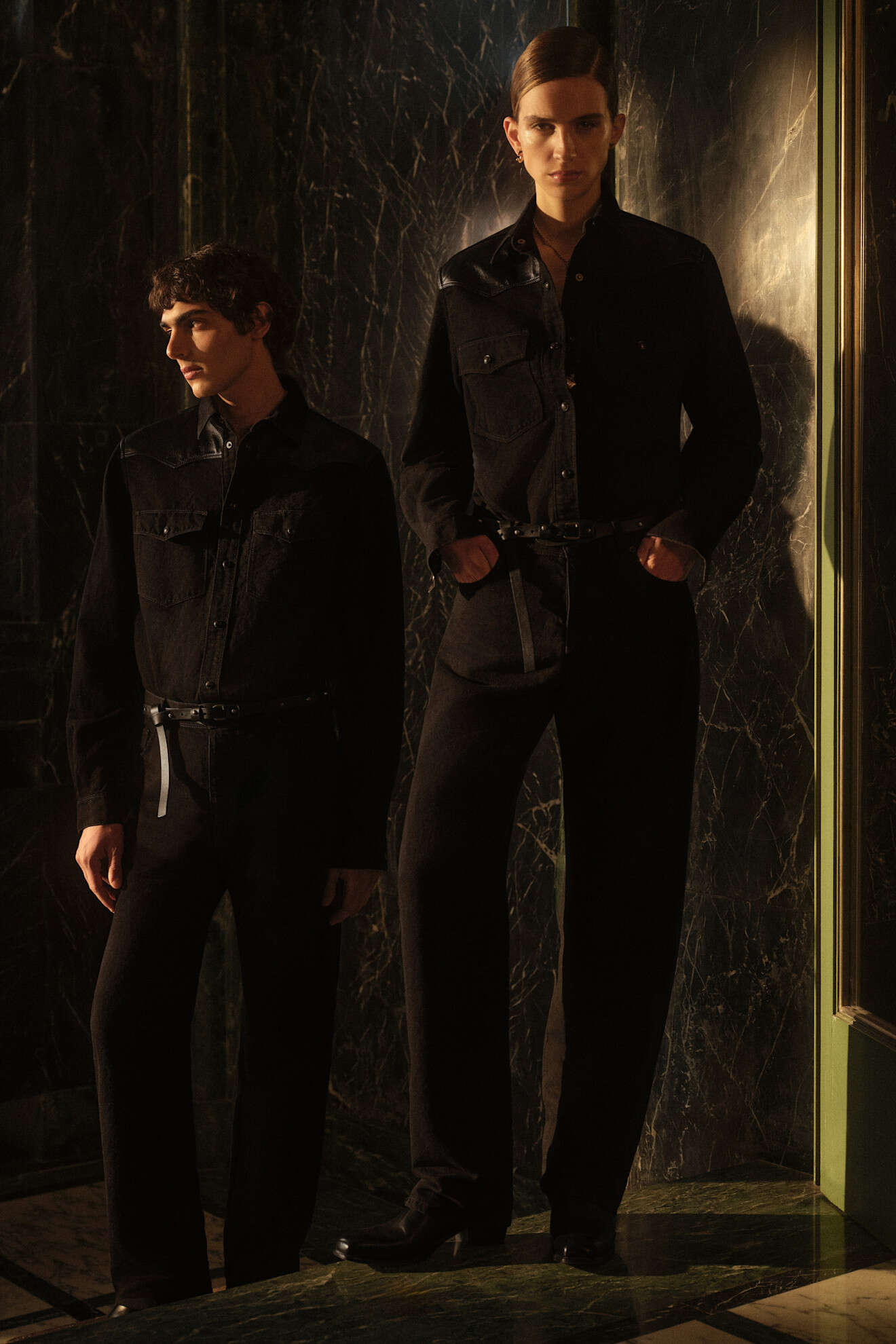
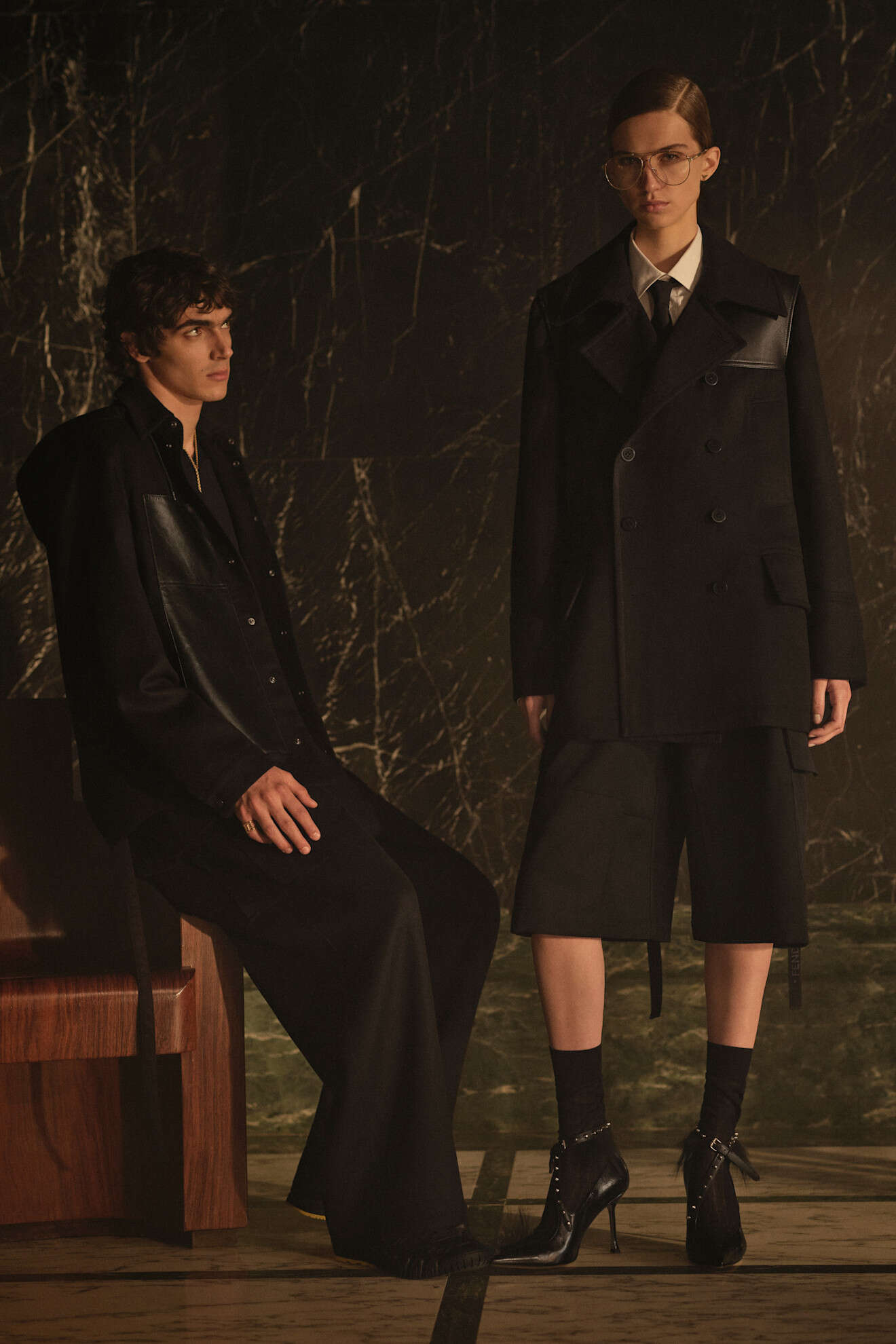
For Fendi Pre-Season 2027, Chiuri presents male and female models in pairs, wearing variations of the same wardrobe. Not quite gender-neutral – a term that can imply the erasure of difference altogether – but rather gender-fluid (or, at the very least, detached from gender clichés). These are unisex clothes designed to move between men and women naturally, with softened tailoring, tactile fabrics, and silhouettes that feel adaptable rather than fixed.
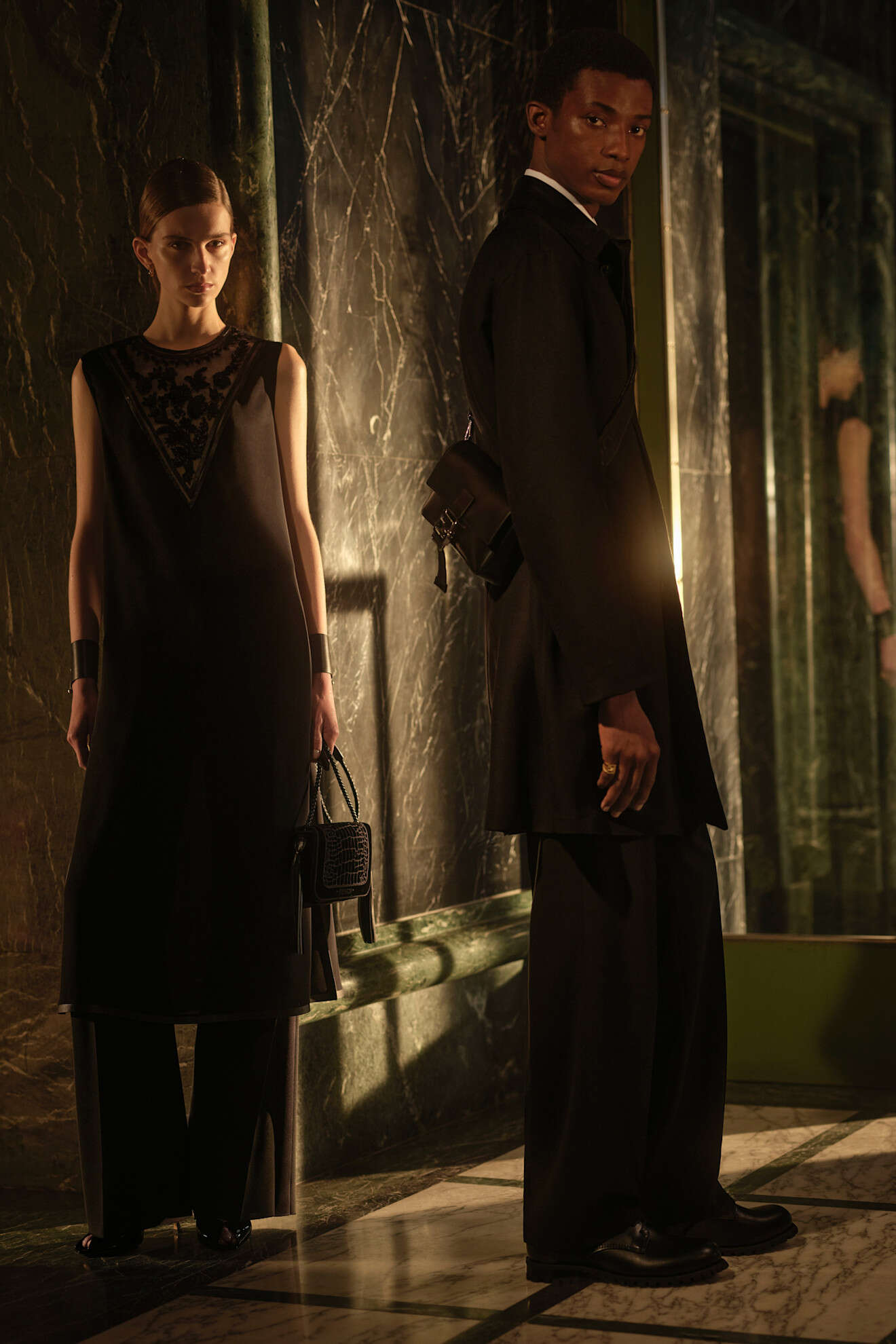
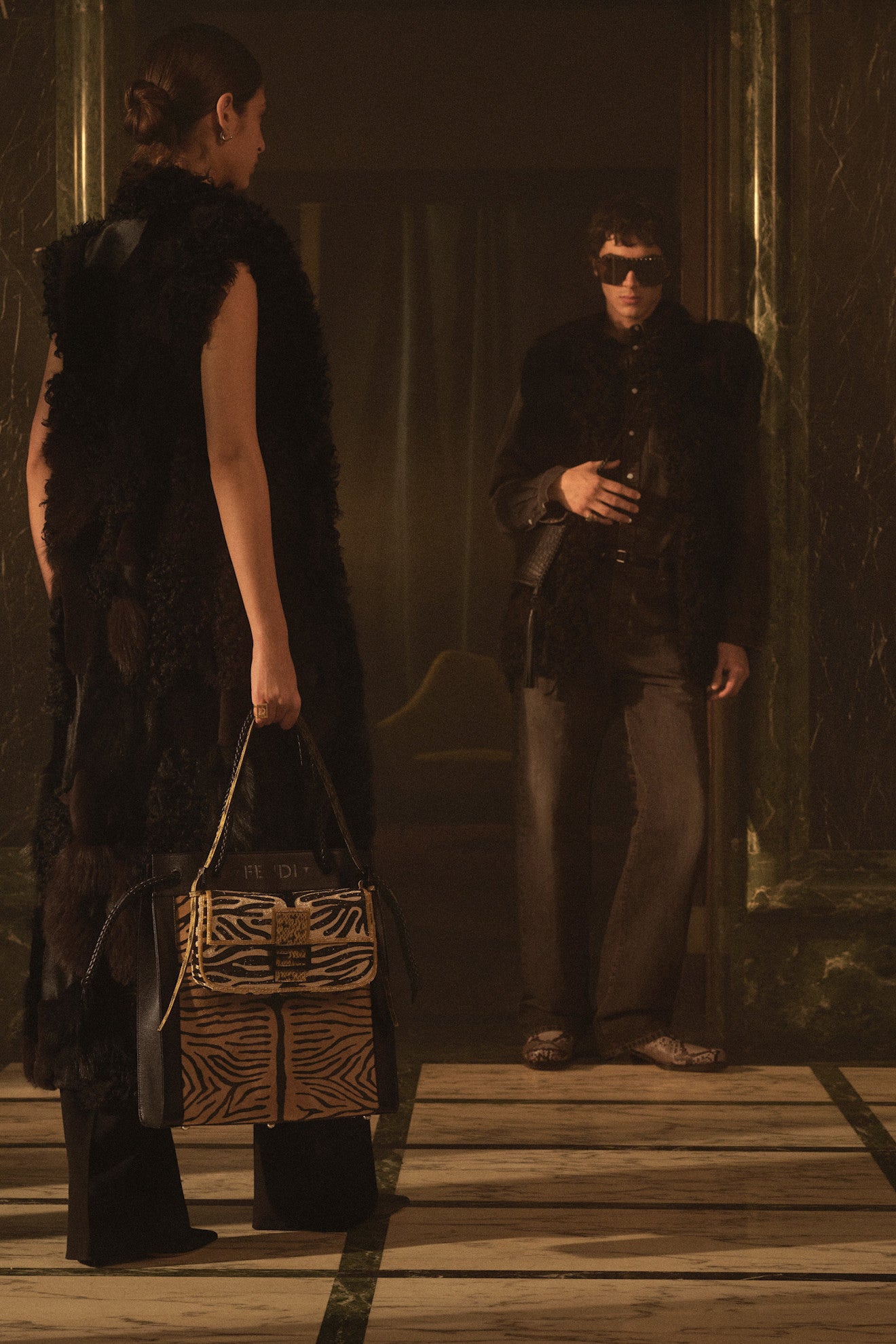
As Churi explained in a short film posted on Fendi’s socials, the collection’s core inspiration comes from the maison’s historic use of parchment, referenced both literally in accessories like a reworked Baguette bag as well as through a palette of creams, tobacco, stone, and faded beige. The collection proposes a kind of modern bourgeois wardrobe, though not in the obvious ‘quiet luxury’ sense that we’ve all grown tired of hearing, but Chiuri describes clothes shaped by familiarity and everyday ritual.
See also: Gilded Age Meets Keith Haring at the Louis Vuitton 2027 Cruise Show
Men and women wear near-identical looks throughout, from silver-washed denim to oversized trenches and softened leather coats. It’s not in a way that feels forced or performative; Chiuri presents a shared wardrobe built around adaptability and repetition, with garments designed to gain character through wear.
See also: Matthieu Blazy Brings Seaside Surrealism to Chanel Cruise 2026/27
From the outset, with her first Fall Ready-to-Wear 2026 collection, Churi said the realism and everyday nature of a shared wardrobe would mark her tenure at Fendi. She’s spoken about being a regular thief within her husband’s closet, and finding pieces of her own going missing, too.
But what does make the debut interesting is not that it radically reinvents Fendi, but that it resists the need to. In an industry increasingly obsessed with disruptive first statements (not least when every season seems to mark a new debut or two), Chiuri’s approach is restrained. If her Dior years were defined by slogans and overt messaging, then her first full season at Fendi suggests the designer is now more interested in nuance than declaration.