

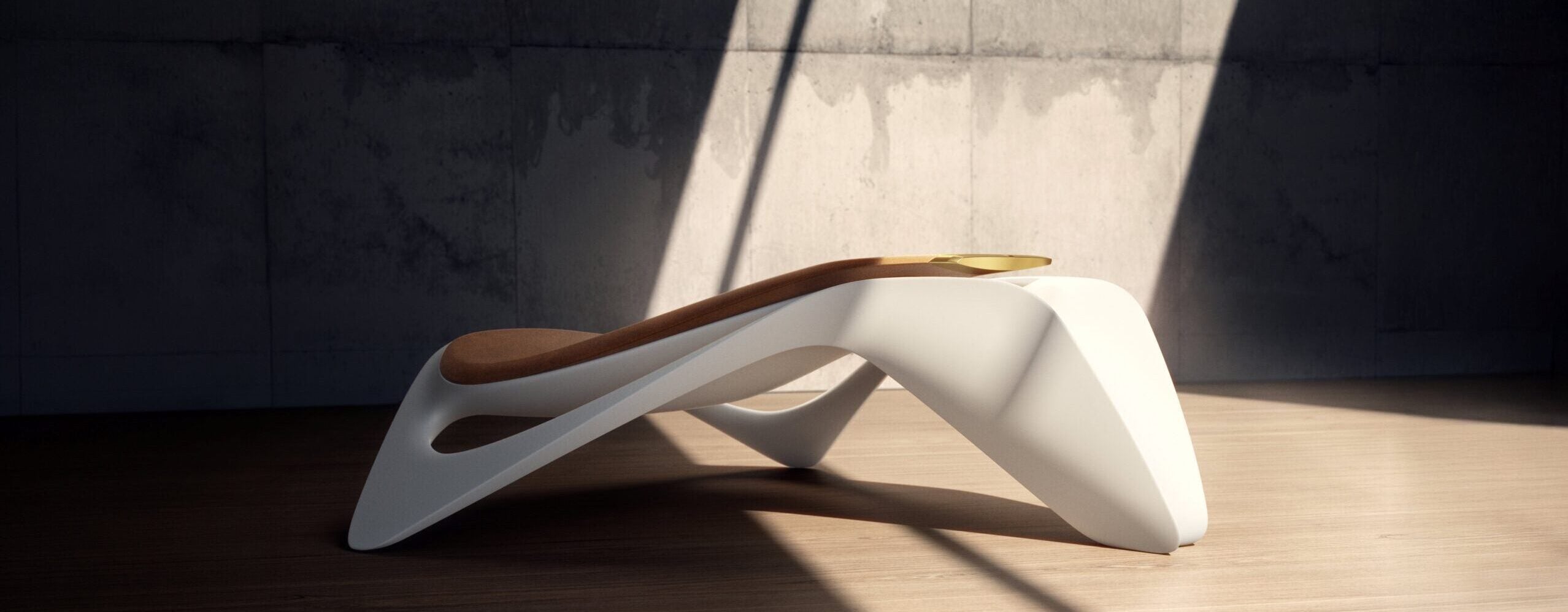
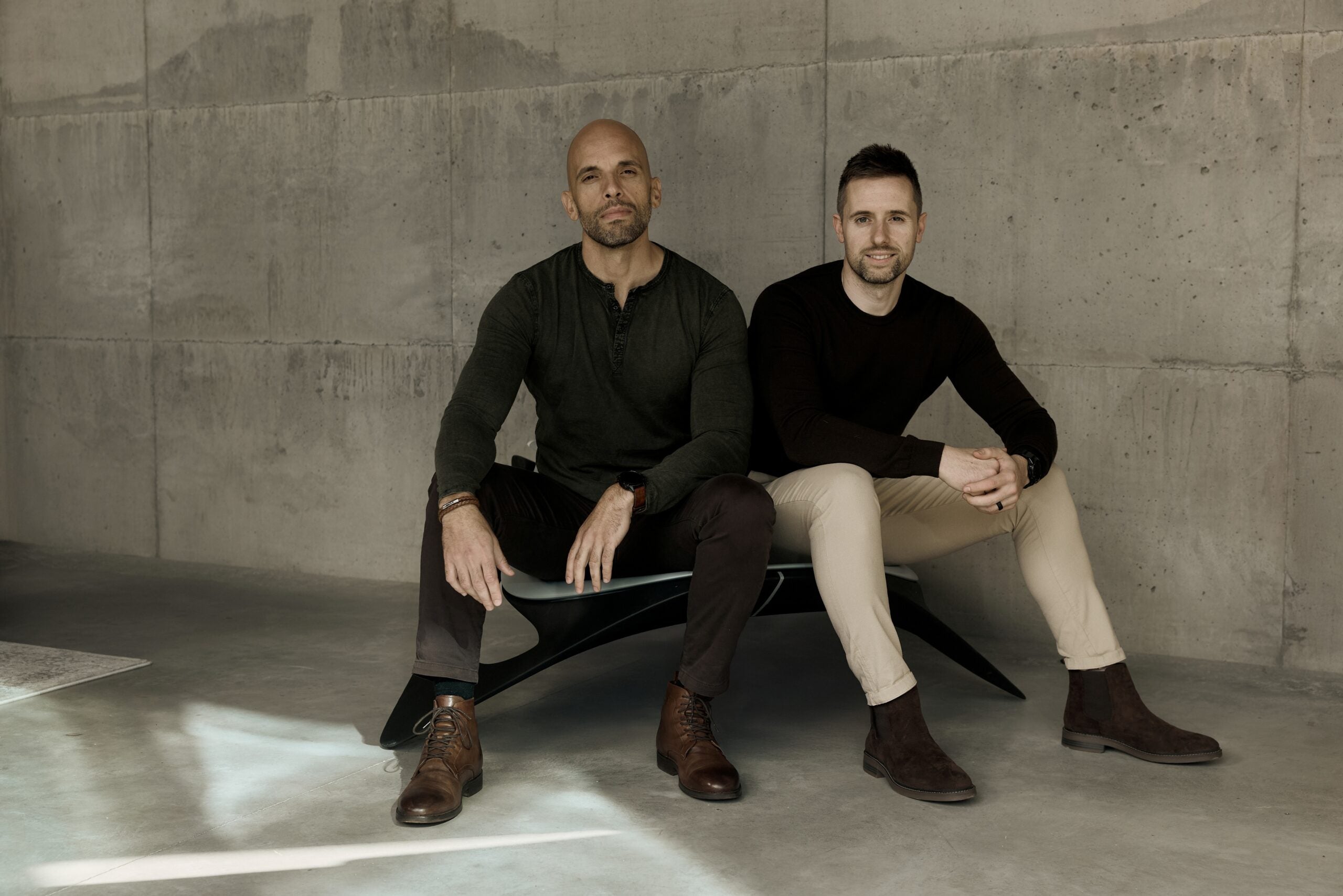
I wasn't entirely sure what I was looking at when I first saw Element 01. I didn’t recognize it as a chair, a sofa, or even a piece of furniture. That ambiguity, its creators try to convince me, is entirely deliberate.
"That was actually the idea," says João Dias, former head of exterior design at McLaren. "When you walk into a room and take one look at it, you don't know what it is."
Element 01 is the first piece from ENNUA, a new studio founded by Dias and Patrick Carton, another McLaren alumnus. The two designers’ previous careers were spent shaping some of automotive’s most ambitious projects, including the Speedtail, Elva, and W1. Having reached the upper reaches of automotive design, they found themselves asking a different question: what comes after the supercar?
"When you work on a project [like the W1] with that importance and emotional impact, you naturally start asking yourself what's the next meaningful step," says Dias. "Doing another supercar was a bit too expected."
The answer, at least according to Dias and Carton, was creating a £100,000 (approx. $134,000) carbon-fiber object that sits somewhere between furniture, sculpture, and conversation piece. The founders are understandably reluctant to call it a chair. Throughout our interview, they describe it variously as “functional art, [...] sculptural design, [...and a] seating device". That latter phrase feels particularly telling: the pair are not interested in designing furniture, but rather applying the thinking behind a supercar to an object made for the home.
Their past connection to the world of automotive design runs through almost every aspect of the project. Carbon fiber forms the structure. The development process involved digital modeling, physical prototypes, and endless refinement of surfaces and proportions.
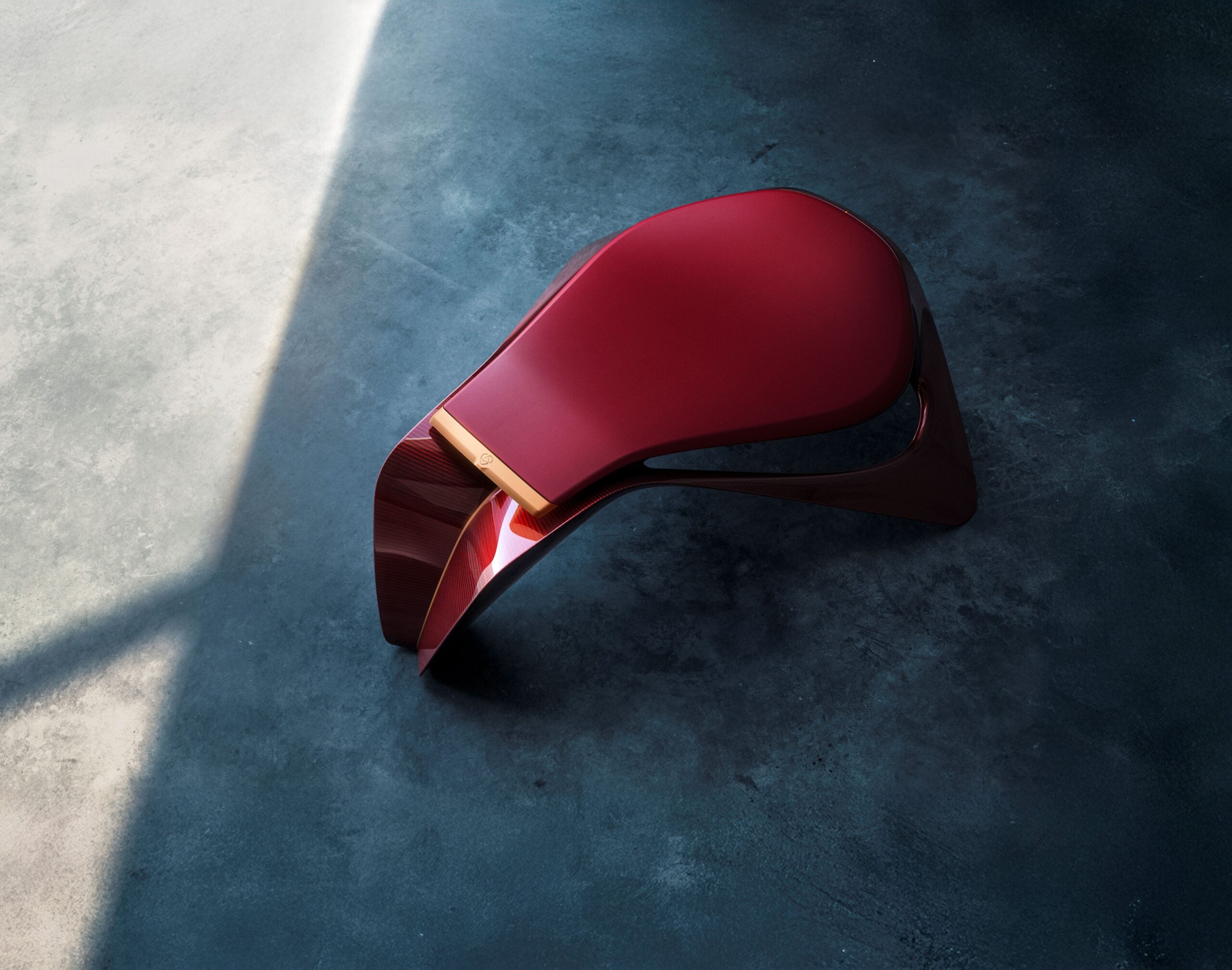
Yet despite the founders' insistence that it isn't automotive-inspired in any literal sense, traces of their previous careers are difficult to ignore. Cars are all about silhouette and proportion, and Element 01 seems to have inherited that thinking, too. Carton recalls a visitor encountering the piece for the first time at London’s HOFA Gallery, and remarking that it somehow reminded her of a car, despite having no idea who designed it.
Even the language feels familiar. Like a limited-edition hypercar, only 199 examples will be produced, with buyers able to specify everything from metals and finishes in bespoke leather – ENNUA is the only interiors company to use automotive leather supplier Bridge of Weir. "We've seen what happens when you increase volume," says Carton. "It stops being special."
See also: From Dashboards to Drawing Rooms: Interior Designers on Finding Inspiration Behind the Wheel
Given their backgrounds, the engineering credentials are, of course, impressive, if perhaps slightly beside the point. The exposed carbon-fiber structure may be able to withstand loads equivalent to around 2,000 kg (4,409 lbs), as its founders claim, but most people aren't likely to spend more than six figures on a piece of furniture because it can support the weight of a small truck.
Then again, ENNUA would probably argue that furniture isn't really what they're selling.
Element 01
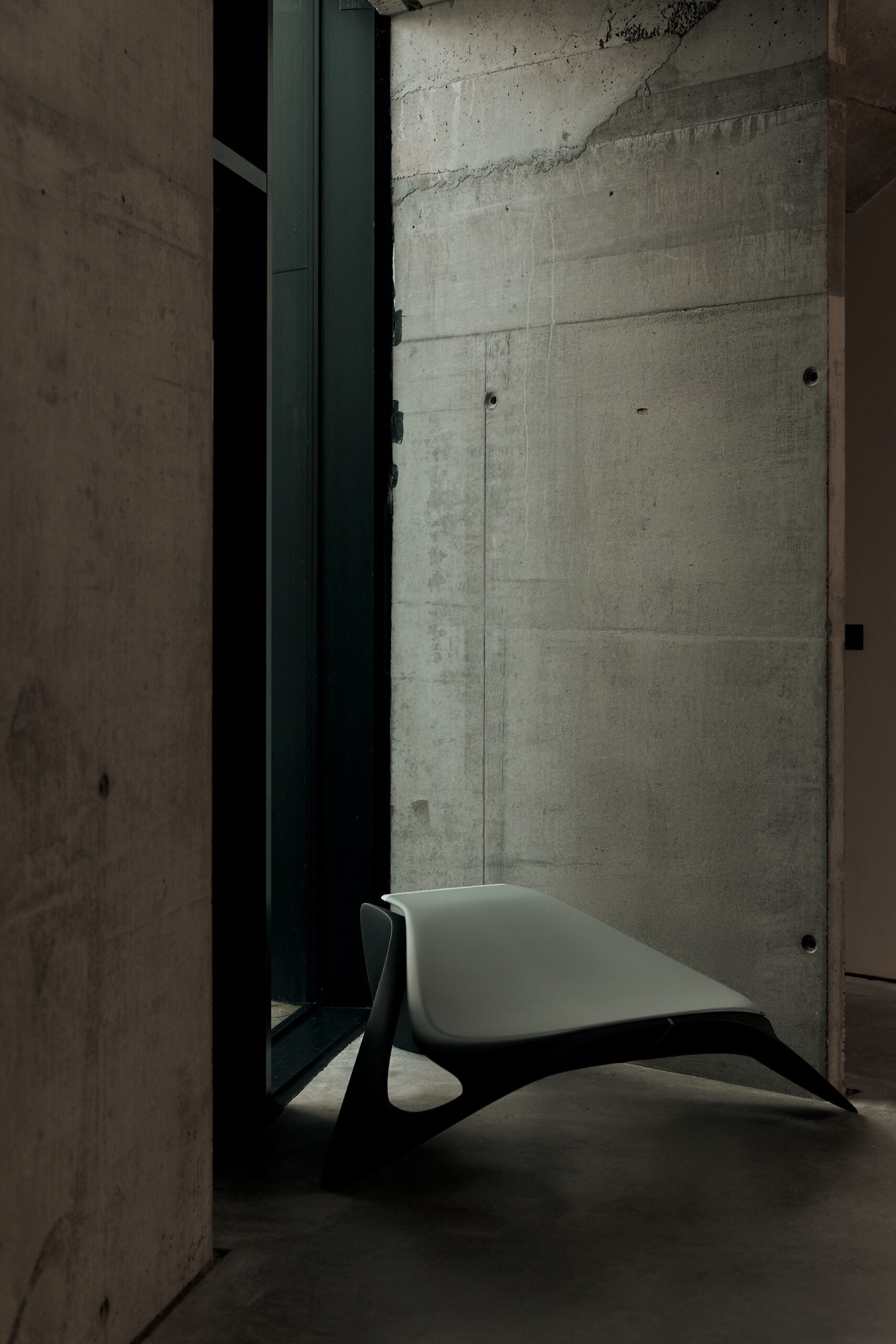
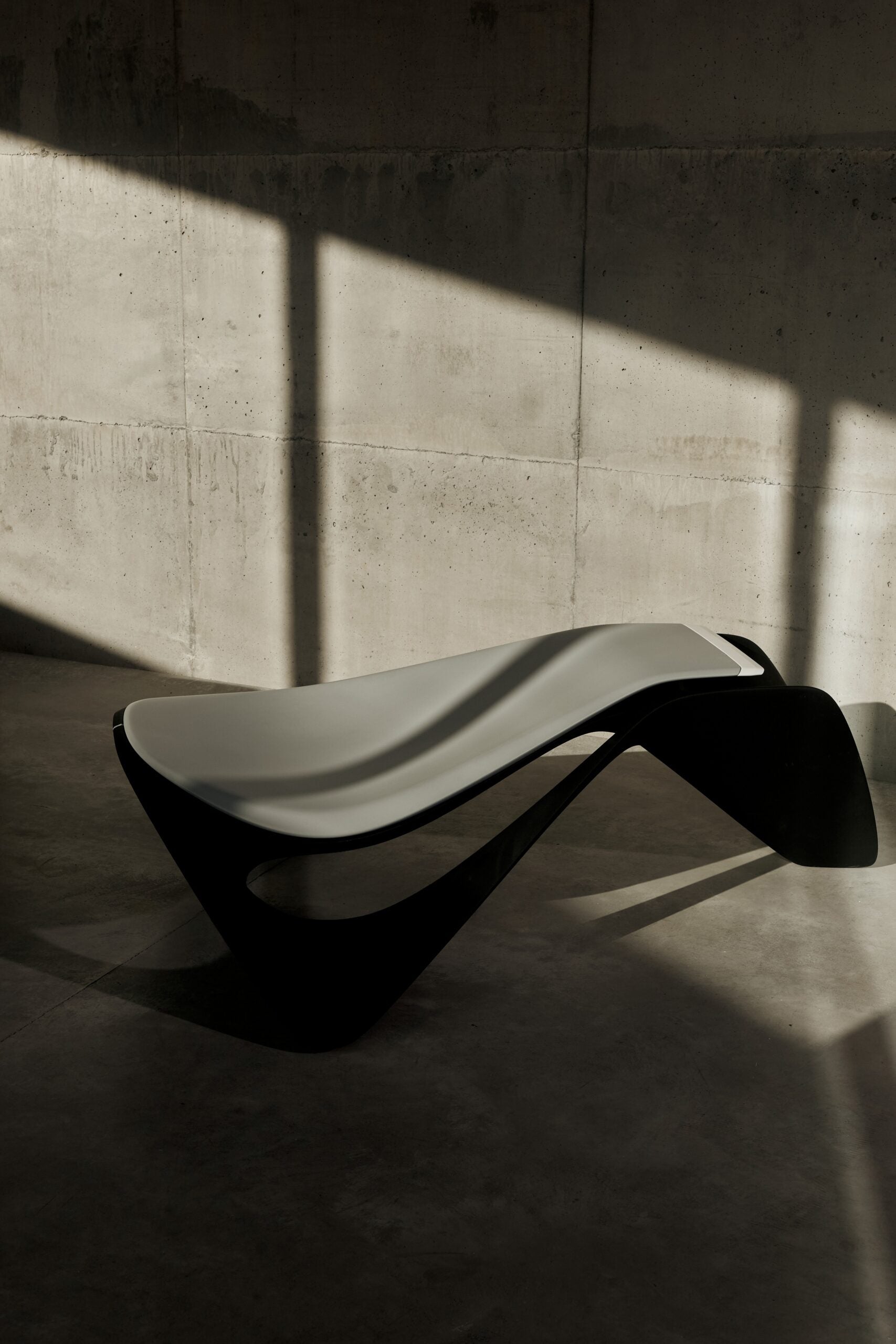
Element 01 is only the first phase of a much broader idea, and Dias and Carton tell me that they already have the next five years of the brand planned out. Exactly what that future looks like remains (somewhat unsurprisingly at this point) vague. The founders hint at everything from audio equipment to fitness products, and even a possible return to automotive design. What they are keen to avoid is becoming known simply as a furniture brand.
"We didn't want to corner ourselves into an industry," says Carton. "We always want to create something that has a function."
See also: This Designer Left Jaguar – and Now Makes Ultra-Luxury Chairs
Whether Element 01 succeeds as furniture is almost beside the point. In truth, I'm still not entirely convinced that's what it wants to be. But the ambition of the exercise is admirable. Rather than launching another automotive consultancy or chasing the restomod trend, Dias and Carton have taken a risk and attempted to translate the emotional appeal of a hypercar into a completely different category.
The result may be intriguing, baffling, or perhaps a little of both, but judging by the founders' original brief, that's probably exactly the reaction they were hoping for.