
The modern world is one of hybrids: cars, working patterns, even job titles now seem incapable of existing without a slash, dash, or parentheses. Retail stores have become coffee shops, restaurants double as members’ clubs, and hotels increasingly feel obliged to function as wellness retreats, cultural institutions, and more all at once. It is no longer enough to do one thing well; everything must now be several things simultaneously.
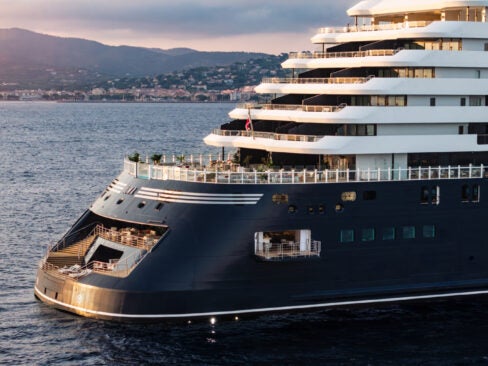
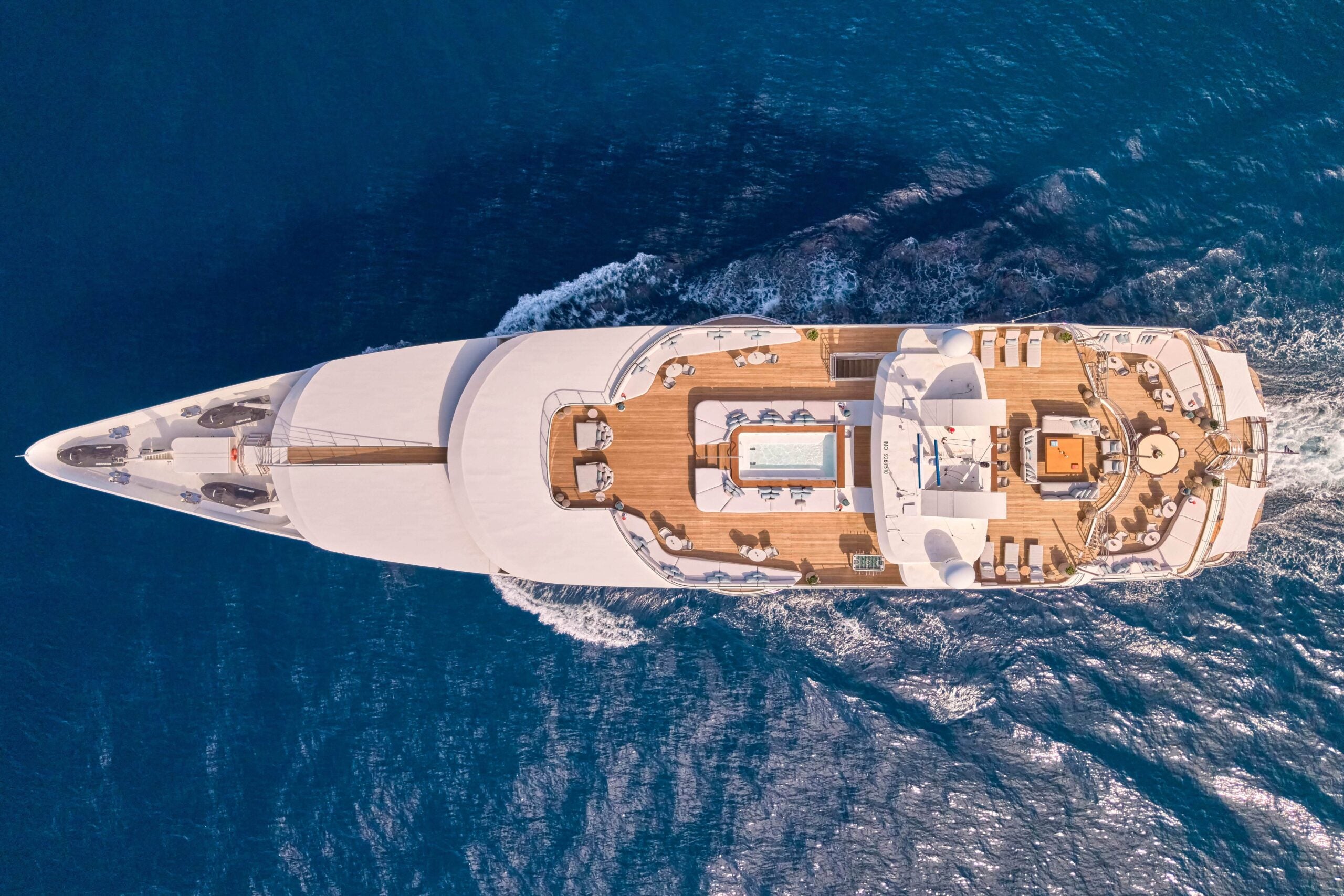
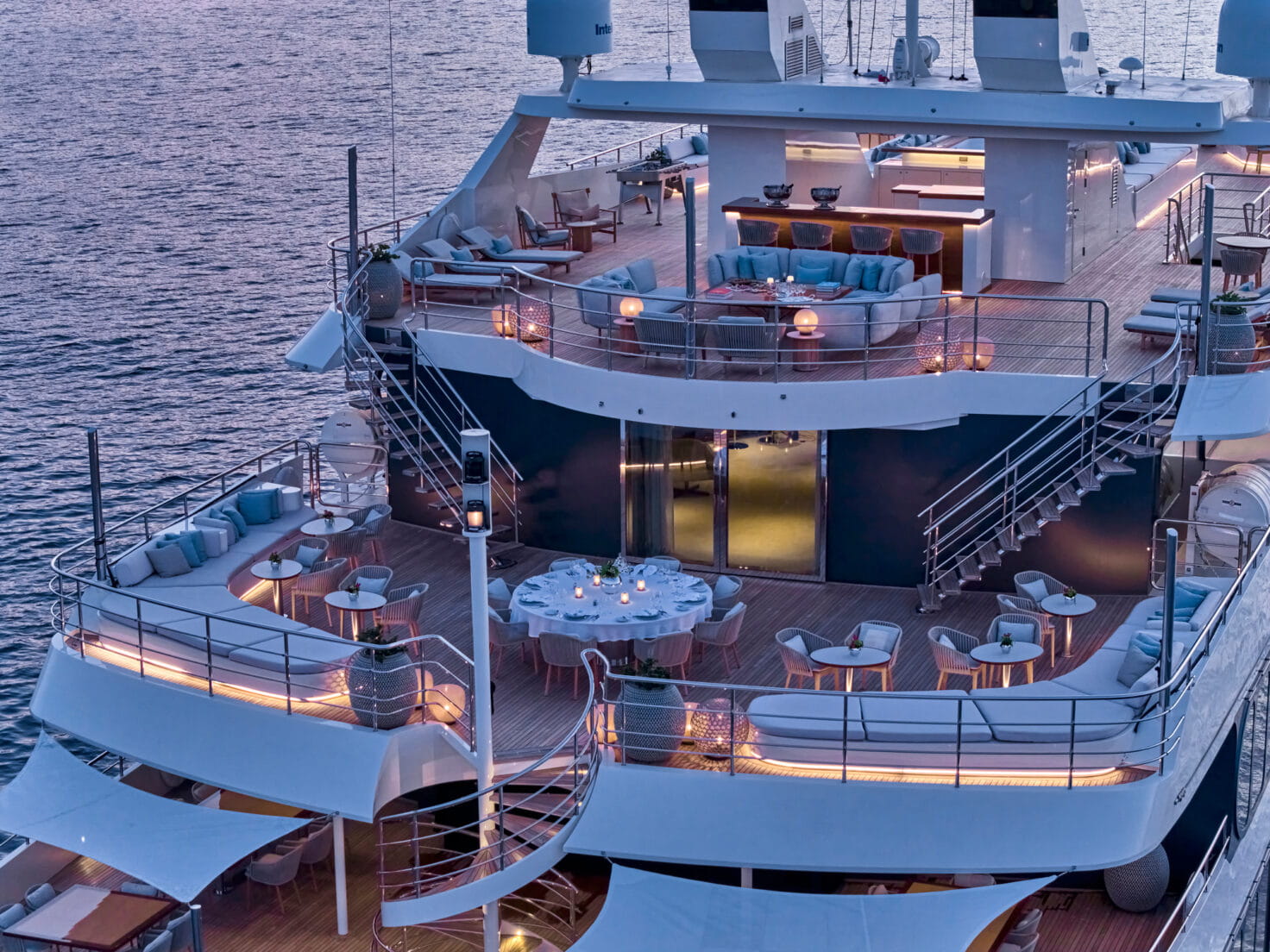
Perhaps my own tedium with multi-concepts is why I first approached The Floating Art Hotel with a degree of skepticism. Self-described as “the world’s first travelling art hotel”, it is making its debut during this weekend’s Monaco F1 Grand Prix. Housed aboard a 72m (236 ft) superyacht moored in Port Hercule, it brings together a contemporary art exhibition, boutique hotel, members’ club, and Formula 1 hospitality experience in a single floating package.
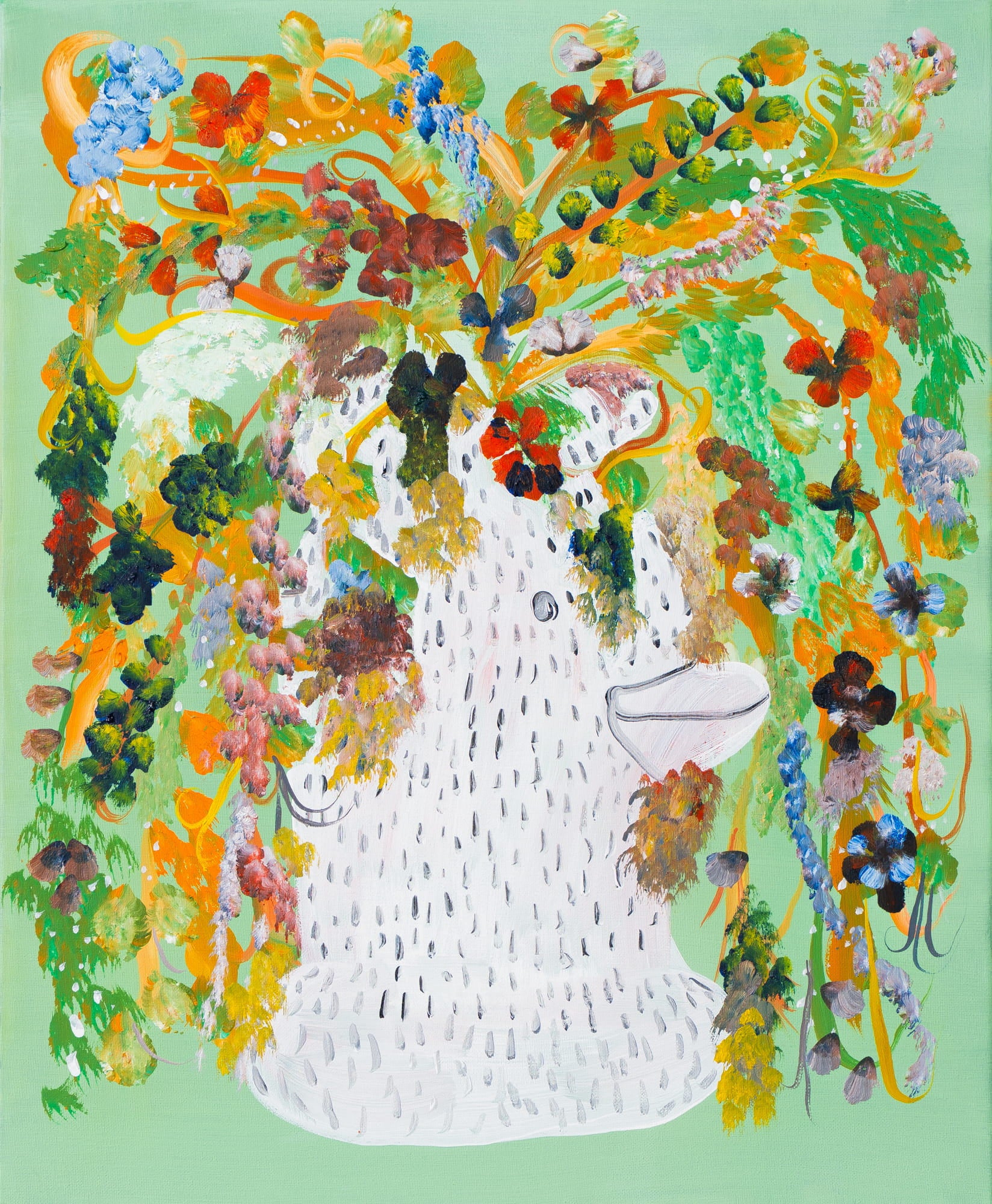
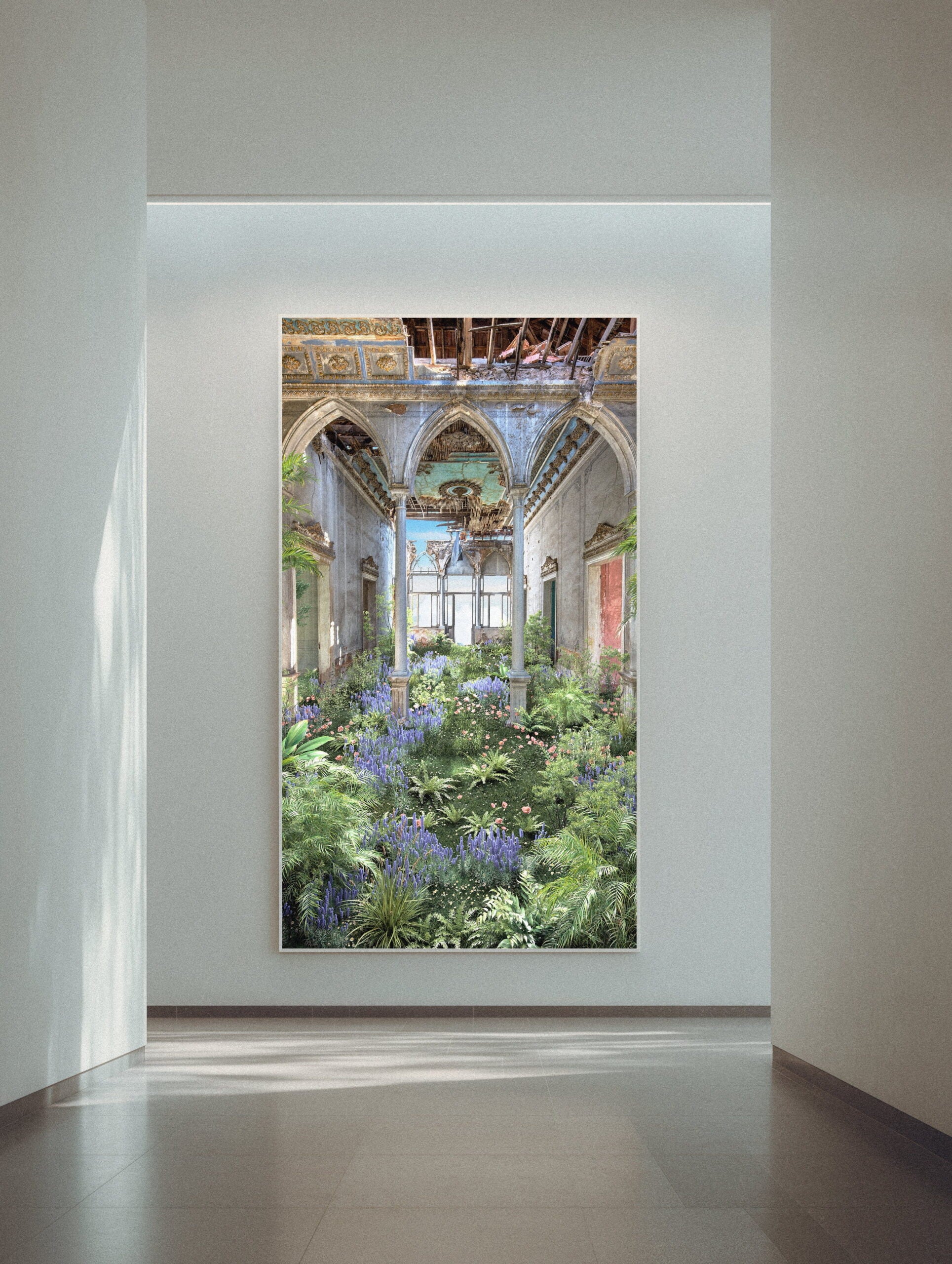
At its core is the exhibition States of Motion, which features more than 30 international artists, including Marina Abramović, Shirin Neshat, and Tomás Saraceno. On-board works span sculpture, photography, installation, digital art, and performance, while the yacht’s 3,770-sq-ft sundeck has been transformed into a sculpture garden.
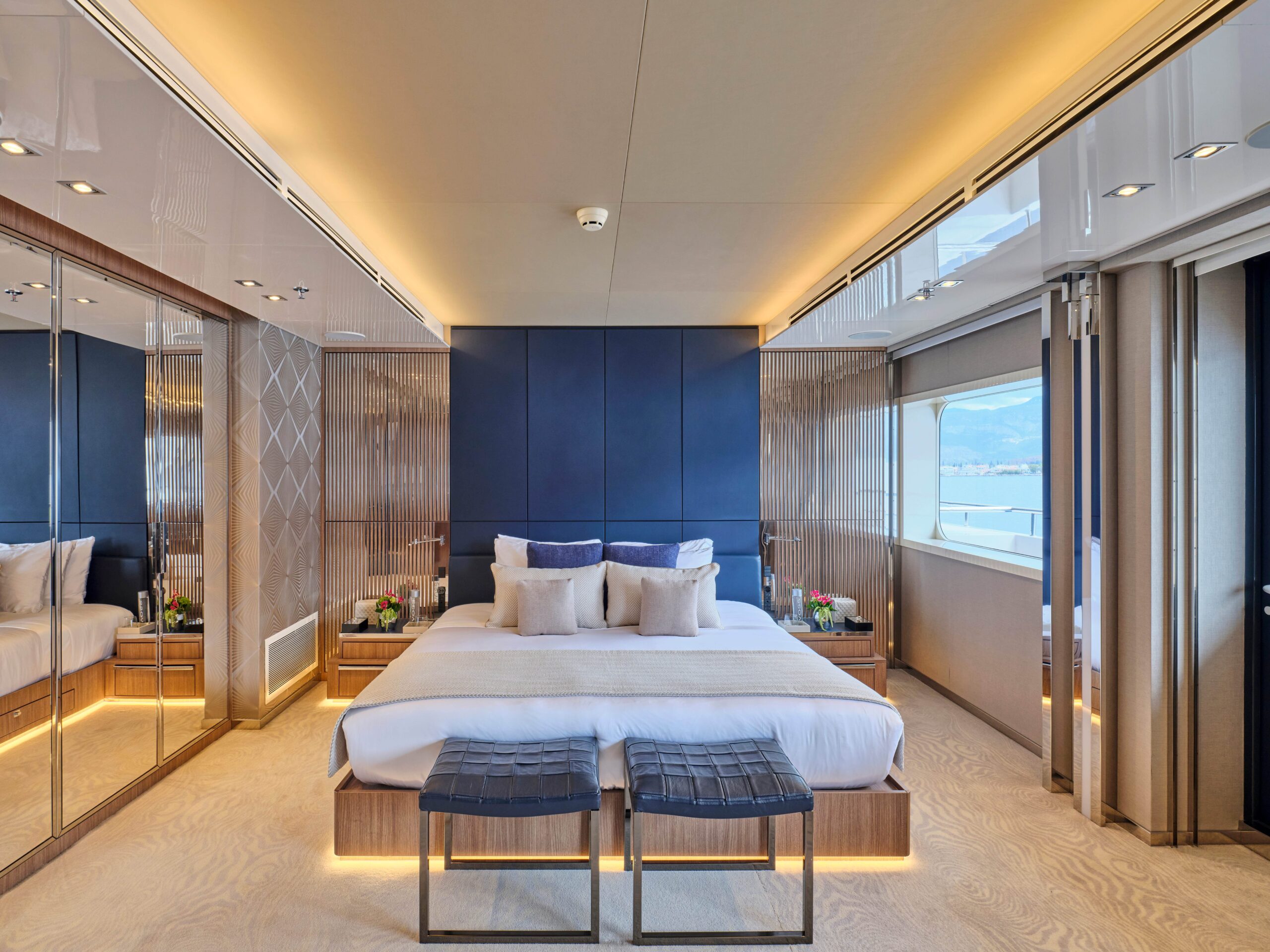
But the exhibition is only one layer. Alongside the public gallery sits a program of collector breakfasts, artist talks, wellness sessions, and sunset events. Above that sits the hotel element, where just 14 suites accommodate a carefully curated guest list of collectors, artists, entrepreneurs, and cultural figures. Then there is the members’ club component, which allows guests to follow future editions as the concept travels around the world.
If all that sounds slightly complicated, that’s because it is.
The obvious question, then, is why put all of this on a yacht in the first place? For founder Gaelle Jaunay Calendini, the idea grew out of years spent working around the superyacht industry. “People kept asking me, ‘Can we have an experience where people are not packed? Can we have an experience where we are around the same kind of people?'” she tells Elite Traveler. During Grand Prix weekend, that degree of separation from the crowds feels especially premium when the Principality’s streets, hotels, restaurants, and clubs are all operating at maximum capacity.
See also: An Expert Guide to Yacht Shows Around the World
The yacht, however, is only part of the equation. Francesco Marchiaro, who oversees the curatorial vision, argues that the concept emerged from a gap noticed between industries that already existed independently.
“There are hotels with art, there are yacht hotels – and even more launching soon – there are members’ clubs that rotate collections,” he says. “But there is nothing in between, nothing uniting all of them.”
Whether that constitutes a new category or simply a particularly ambitious combination of existing ones is up for debate. What is clear is that the founders see the project as more than another elite hospitality venture. “It’s not just another luxury hotel,” says Marchiaro. “It’s really creating a community.”
That ambition is reflected in the exhibition itself. Around 80 percent of the works on display were sourced directly from artists’ studios rather than galleries, while live performances from the likes of Jorge Parra, Ana Maria Caballero, Ryan Koopmans, and Federica Bell bring artists and collectors into direct conversation throughout the weekend.
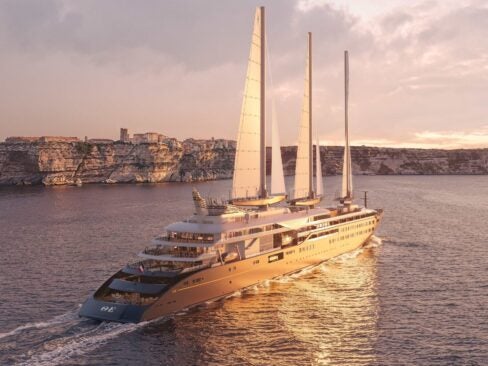
See also: What It’s Like On Board the Orient Express Corinthian, The ‘World’s Largest Sailing Yacht’
Access, meanwhile, operates on several levels. While the exhibition remains free and open to the public, visitors can also purchase passes for talks, performances, and hospitality experiences throughout the weekend. At the highest tier are the yacht’s overnight suites, accommodating just 28 guests, which for a four-night package covering the Grand Prix weekend “ranges from €65,000 to €150,000 (approx. $75,110 to $174,615),” says Marchiaro.
The Monaco edition is only the first stop. Future iterations will travel to Art Basel Miami, Hong Kong, and Abu Dhabi, each with a new curatorial theme and a roster of artists drawn from the region. That nomadic element, Marchiaro believes, is central to the appeal. “We saw the demand in the market for art experiences and hospitality backed by culture,” he says. “It’s not only the culture-backed events, but the nomadic element.”
Related Story
Whether the future of luxury travel really lies in ever-more elaborate hybrids remains to be seen. But in an era where galleries host dinners, hotels stage exhibitions, and members’ clubs increasingly function as wellness hubs, a floating art hotel suddenly feels a little less tedious than it first sounds.
See also: Move Over Monaco: The Superyacht Hotspots of 2026 Have Been Revealed