
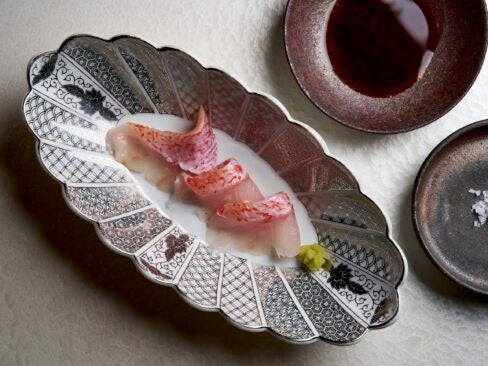
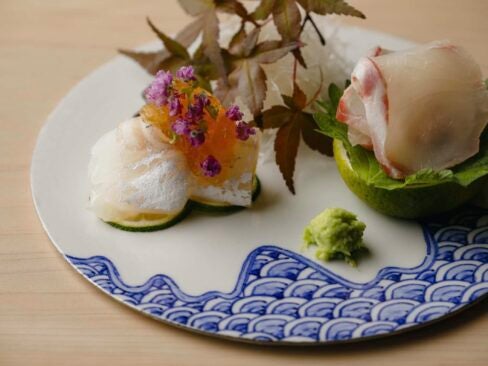
Omakase, which comes from the Japanese verb makaseru (任せる), meaning ‘to entrust’ or ‘to leave something in someone else's hands,’ puts the menu entirely in the chef's control.
Diners leave all the decisions to the chef, who often adapts dishes in real time based on guests' preferences and the best ingredients of the day.
The concept has roots in Japan's Edo period (1603–1868), when sushi vendors served whatever fresh catch was available, without a printed menu. Omakase evolved into a more formal dining experience in the late twentieth century. As Japan's affluent dining culture expanded, newly flush diners who were unsure of what to order — but wanted the very best — began leaving all trust in the chef's hands.
Today, omakase can be found in almost every major city. Some of the most sought-after are tucked away inside the walls of luxury hotels — or rather, behind a hidden door in a private dining room.
Best omakase rooms around the world
-
El Secreto at Faena Miami Beach
 Miami
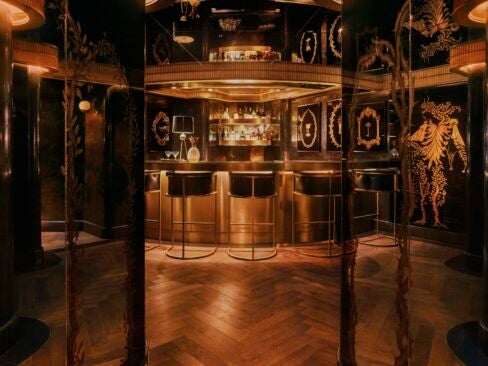
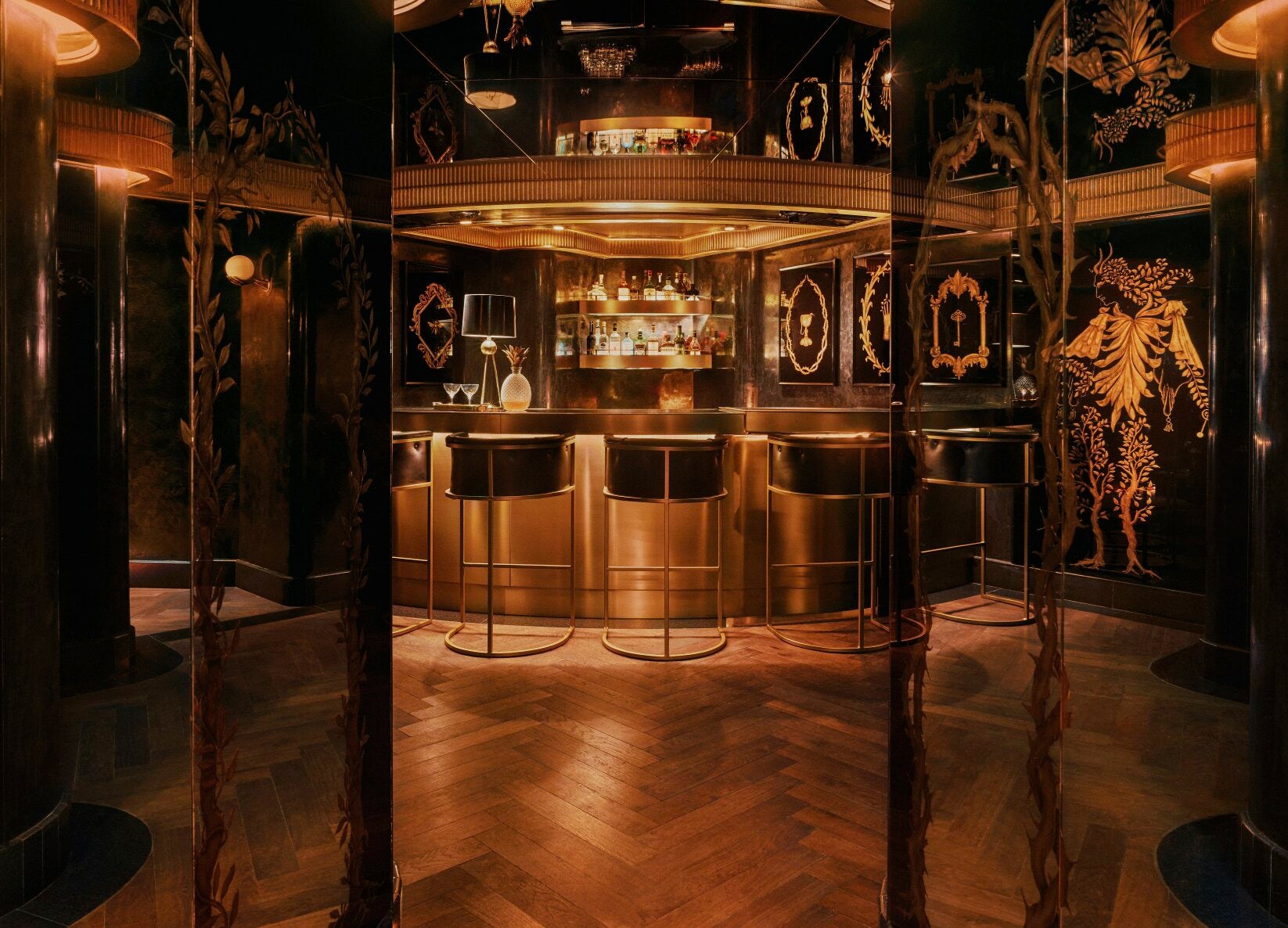
MiamiInside Faena Miami Beach, a 150-seat theater outfitted in red velvet and gold details conceals El Secreto behind a hidden door. The speakeasy-style dining room is all onyx marble, gold accents, and mirrored murals by Argentine artist Amaya Bouquet. Just six guests are seated each evening for an omakase experience by James Beard Award-winning chef Paul Qui. The sixteen courses blend Tokyo-style sushi and Kyoto-style kaiseki.
-
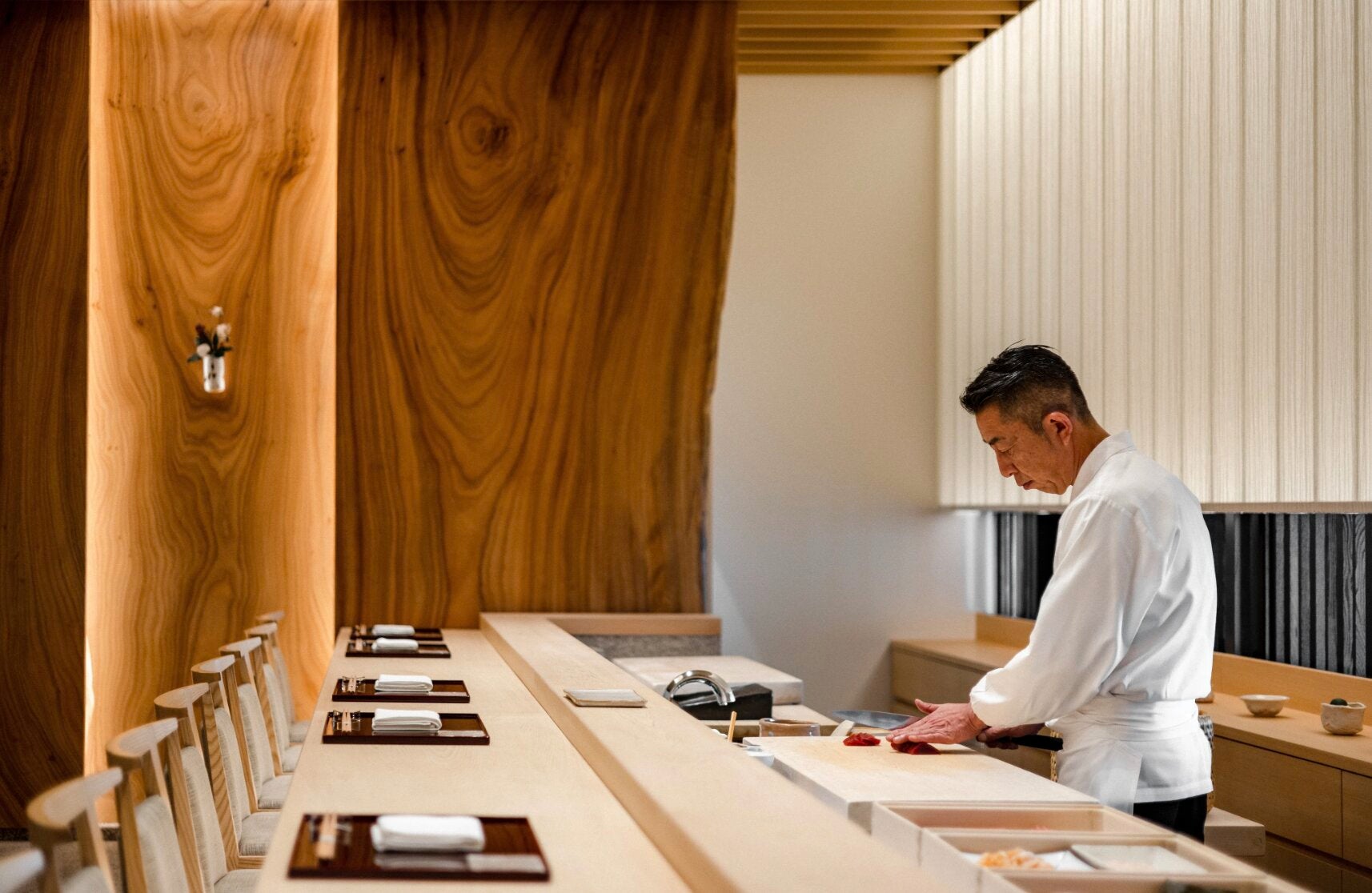
Musashi by Aman
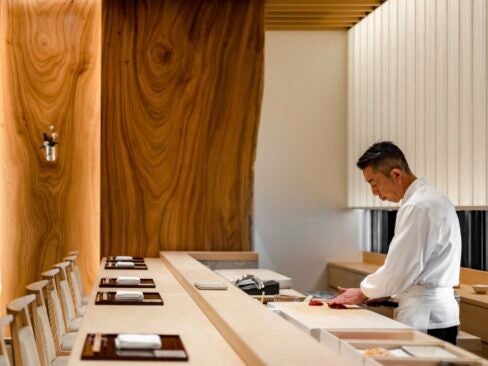
TokyoMusashi in Aman’s Tokyo outpost embodies the philosophy that good things take time. Master chef Hiroyuki Musashi has been growing and harvesting his own rice in his hometown of Yamanashi Prefecture, using pure Mukawa water to water his crop, and tends to it himself until harvest. The rice also goes into making his original sake, The musashi by Aman Extra DDry sake, which takes a month to brew. He travels into the Tokyo fish market early each morning to nab the freshest seasonal fish and seafood. The omakase menu is served on an eight-person hinoki cypress wood counter — and some dishes are served on crockery that Musashi has created himself.
See also: The Sushi Restaurants the World’s Top Chefs Actually Go To
-
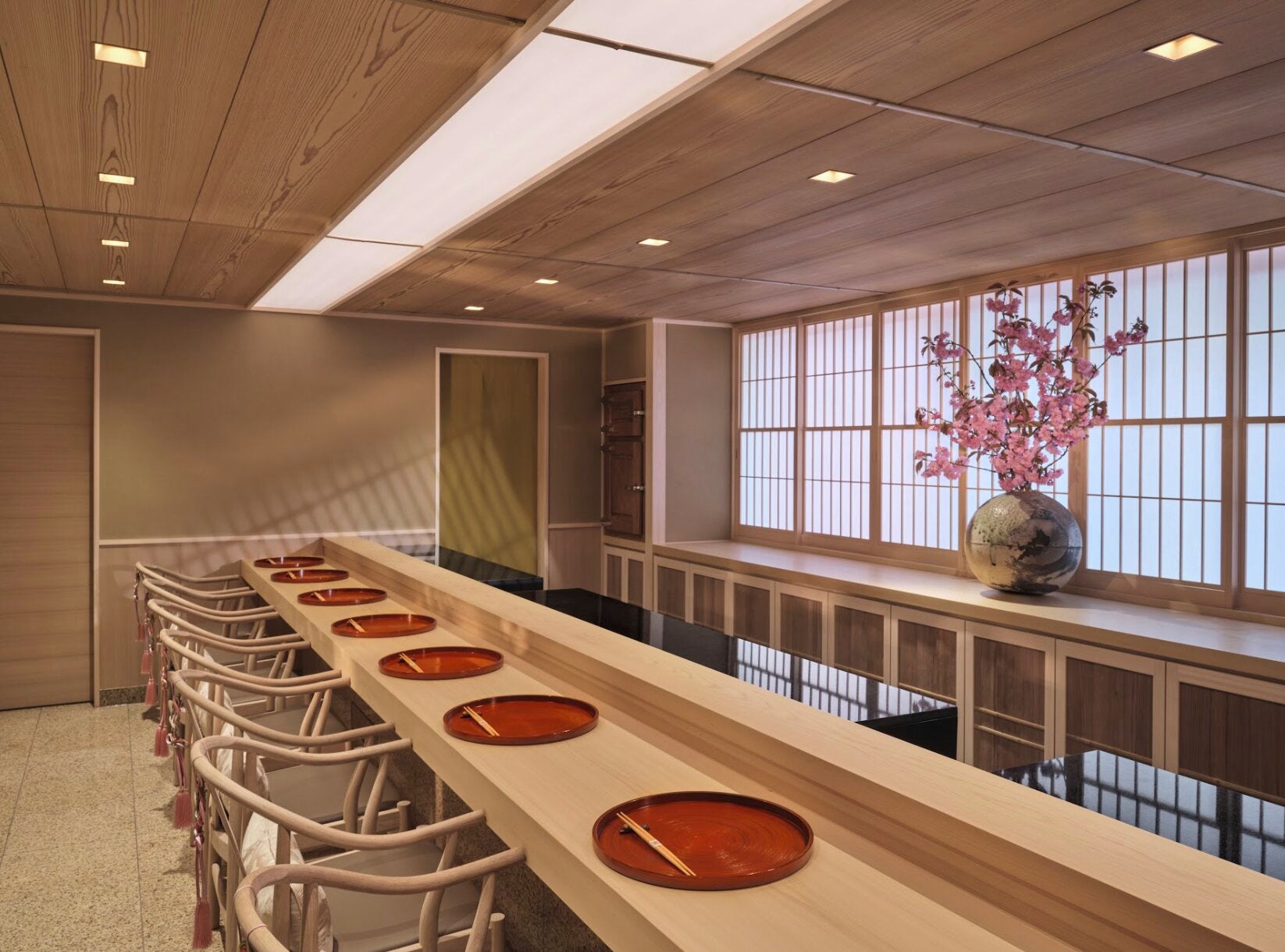
Sushi Kanesaka at 45 Park Lane
LondonOne of the best regarded restaurants in the capital (with the price tag to match), Sushi Kanesaka lies behind a hidden doorway at 45 Park Lane. The 18-course menu is the work of chef Shinji Kanesaka — he opened his first restaurant at just 28 years old after training at Tokyo’s Kyubey. Sushi Kanesaka earned its first Michelin star within seven months of opening. Naturally, the menu changes frequently, but expect dishes such as lobster cream croquette and octopus sonomono. Fish is sourced from Europe and Kanesaka favors the Japanese ikejime method (a traditional way to humanely euthanize fish to maintain maximum meat quality.); it is then kept in hinoki ice chests which were first used in Japan’s Edo period.
-
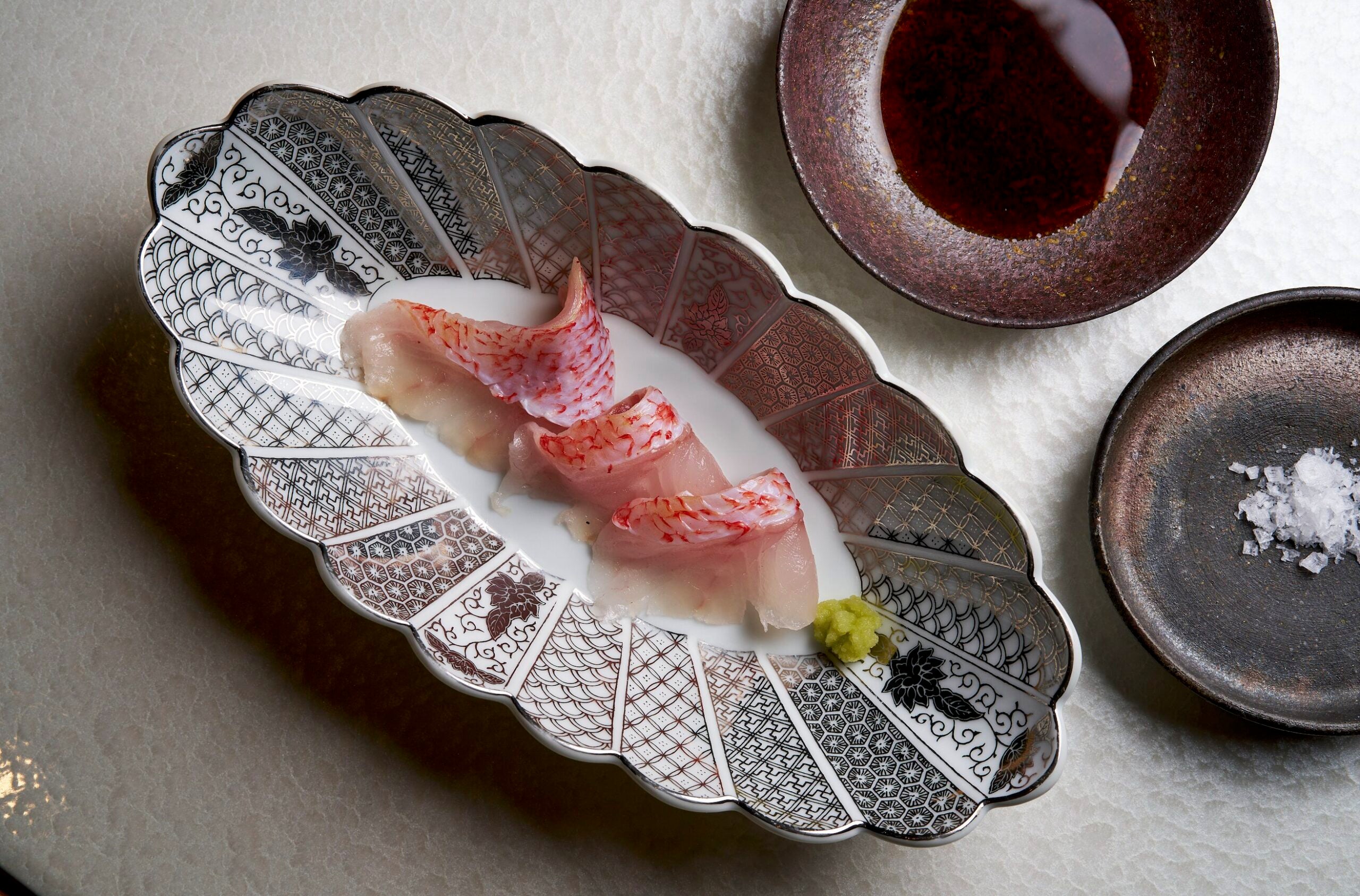
Hoseki at the Bulgari Resort
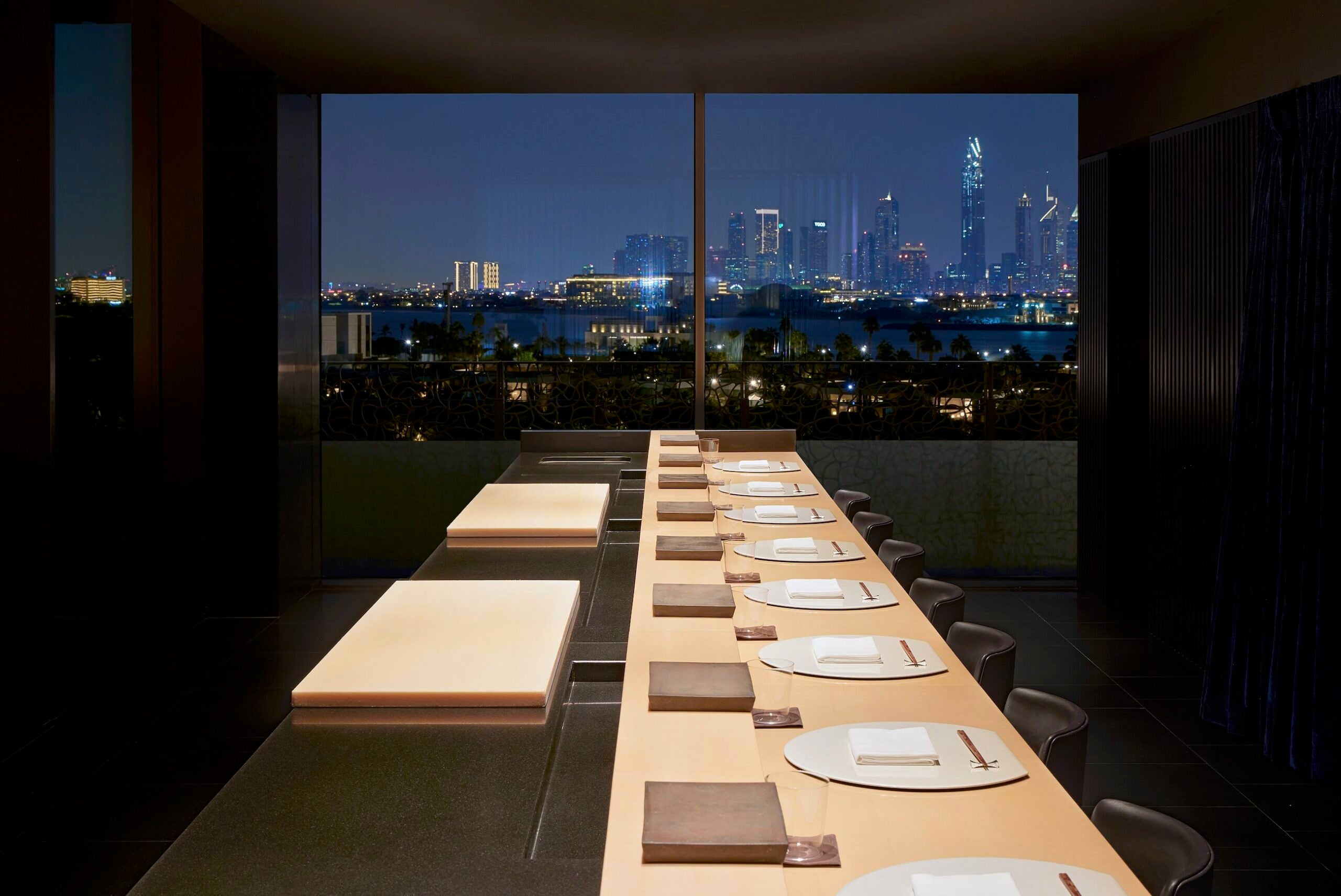
DubaiThe words intimate, minimalist, and understated are not usually associated with Dubai. But that’s precisely what you’ll find at Hoseki (meaning ‘gemstone’ in Japanese). On the fourth floor at the Bulgari Resort in Jumeira Bay, the restaurant has two counters and a private dining room with brilliant views of the city. Head chef Masahiro Sugiyama is a sixth-generation sushi master and former apprentice at Tokyo’s Sushi Kanesaka — the ever-changing menu favors Edomae sushi, a traditional Tokyo-style, hand-pressed nigiri sushi that originated in the 1800s.
-
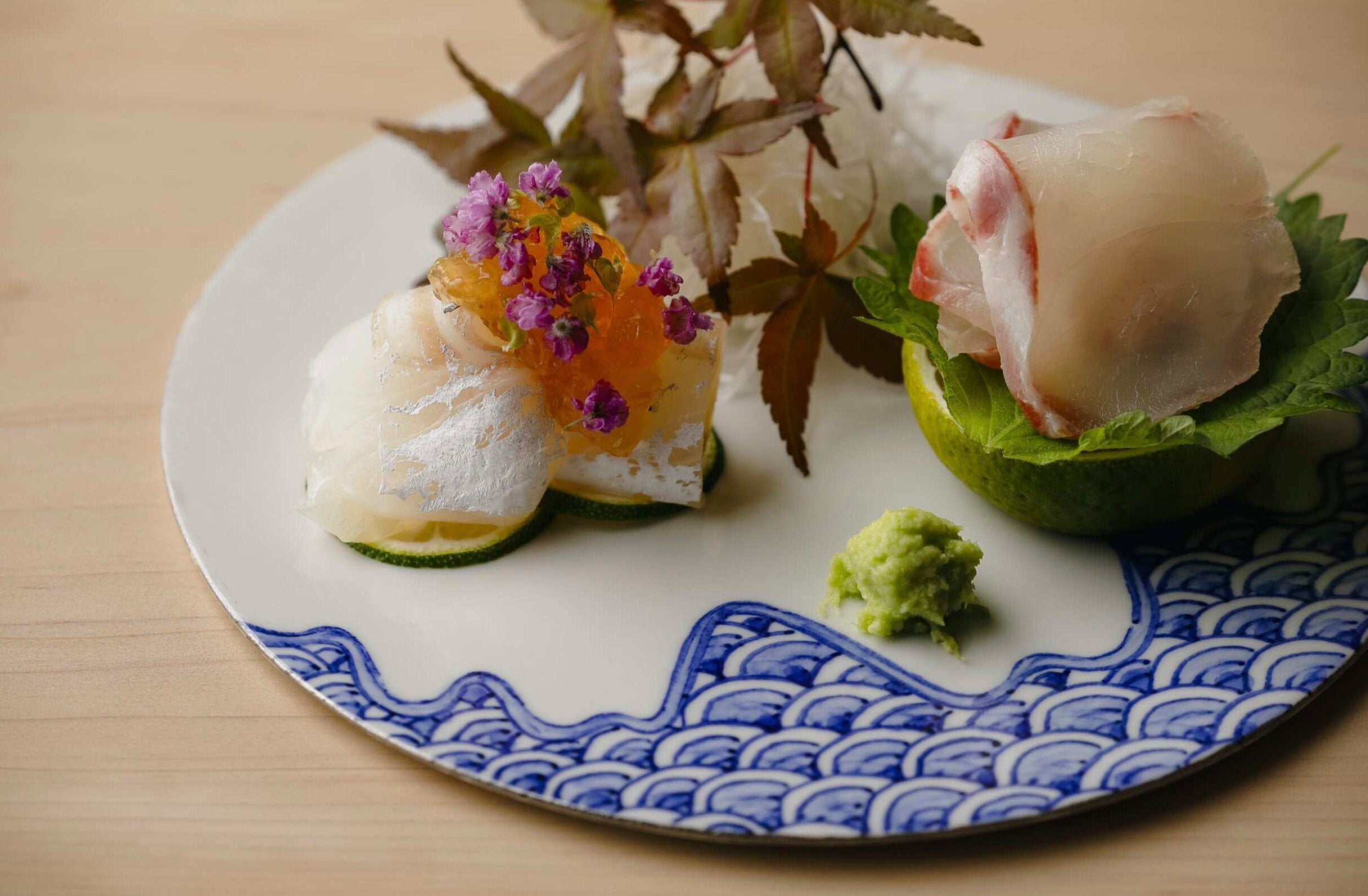
Sushi Ginza Onodera at the Four Seasons Hotel Kyoto
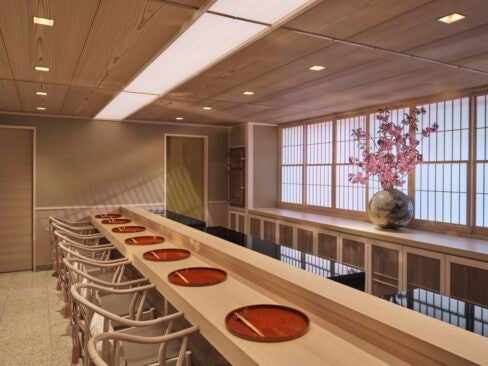
KyotoAt Sushi Ginza Onodera, Edomae sushi is served on a counter crafted from a 400-year-old Japanese cypress, or in the private dining room that has views of an 800-year-old Shakusui-en garden. Executive chef Takuya Kubo sources ingredients from local markets, as well as Tokyo’s Toyosu Market and Hokkaido. For just three months a year (June through August), a rare delicacy is on the menu. Sea urchin from Hokkaido’s Rebun and Rishiri islands are regarded as the best in the world as they feed on Rishiri kelp (kombu), which develops a deep, rich umami flavor with a naturally sweet, creamy texture.
-
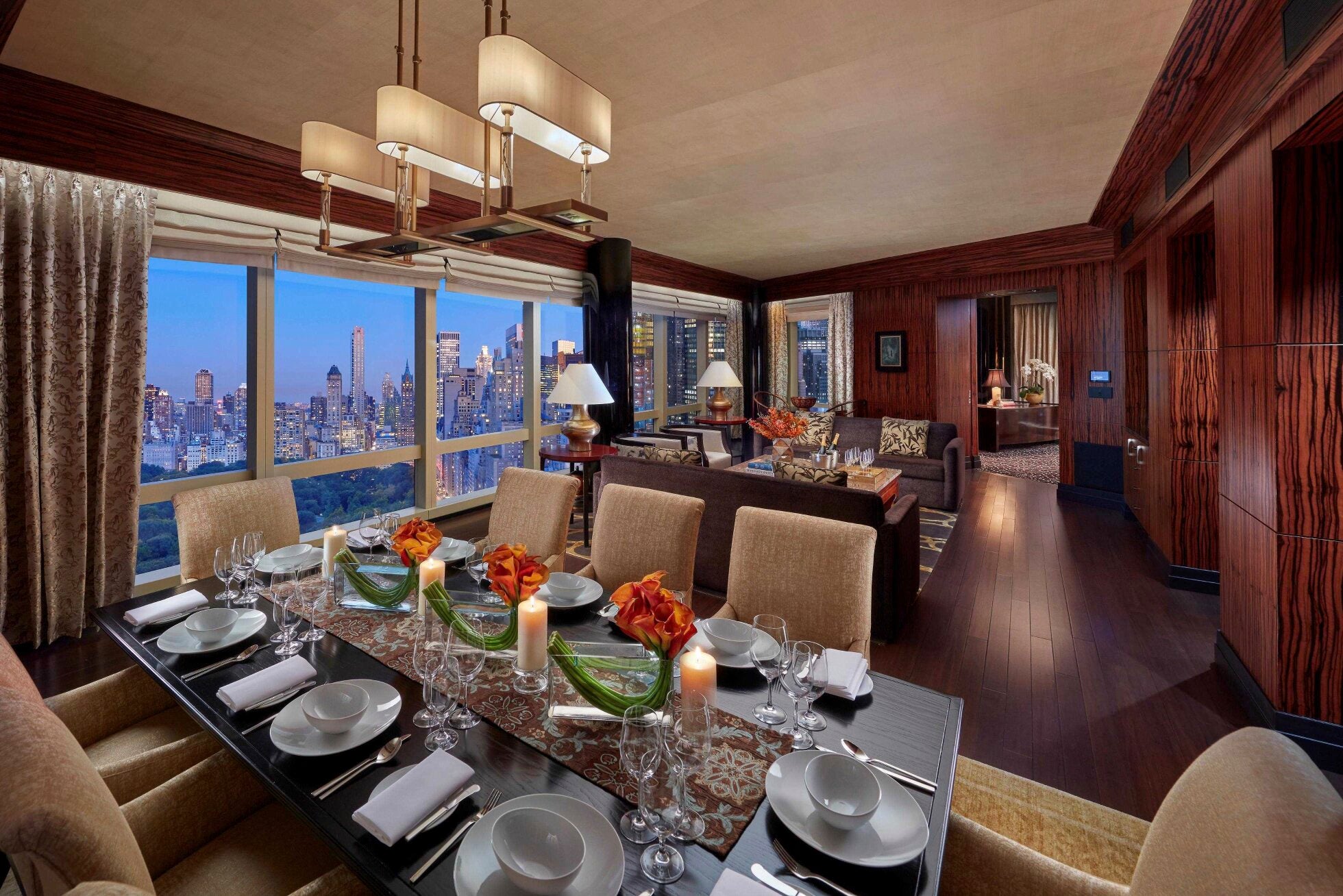
Masa at Mandarin Oriental
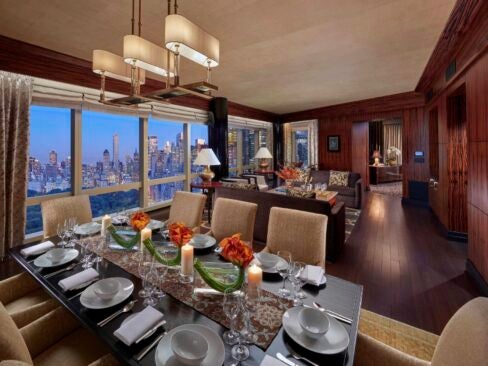
New YorkChef Masayoshi ‘Masa’ Takayama opened Masa in New York City in 2004; it then became the first Japanese restaurant in the US to receive three Michelin stars and held onto them for 15 years until 2025 when it was awarded two stars. It still remains one of the best-known dining spots in the city with a 23-course omakase menu and just 26 seats — the most coveted are the 10 at the hinoki wood sushi counter. Or skip the lengthy reservation list — guests of the Oriental Suite, Presidential Suite, or the secretive Suite 5000 at the Mandarin Oriental New York can have the omakase experience in-suite.
How we chose the best omakase rooms
Each venue featured is independently selected by Elite Traveler’s editors, informed by first-hand experience where possible and rigorous, in-depth research where not. Our curation spans the world’s most revered luxury restaurants alongside in-the-know addresses, each chosen for its uncompromising standards, exceptional service, and access to unparalleled experiences.