
Restaurants are, generally, under no obligation to accommodate food allergies. For many, particularly those working with small kitchens, set menus, and ingredients that are difficult to separate, declining requests where cross-contamination can't be guaranteed is the safest and most responsible course of action.
This is especially true of highly curated dining experiences. New York’s Sushi Sho, for example, serves an omakase menu that relies on a tightly choreographed sequence of dishes and therefore states it cannot accommodate ‘celiac/gluten-free, soy-free, vegetarian, or rice-free menus.’ Meanwhile, new Welsh restaurant Gwen (from the team behind Michelin-starred Ynyshir), with just eight seats and a fixed menu, tells diners that the experience ‘is not suitable for those with food allergies, intolerances, and dislikes,’ with no substitutions or amendments offered.
Yet, with the meteoric rise in food allergies and dietary restrictions, it seems even the smallest fine-dining restaurants may need to consider their approach. ‘Allergy’ is now considered Europe’s most common chronic disease. In the UK, the prevalence of common allergic diseases has tripled over the past two decades, while in the US, around 33 million people – roughly one in ten adults – live with a food allergy, according to Food Allergy Research & Education (FARE).
Michael Zhen, chef at Hakkasan Mayfair, says dietary requests have now become part of everyday service. “People are much more aware of their dietary preferences and requirements now, so these requests have definitely become more common over the years,” he says. “We receive many different dietary requests every day. Some are because of allergies, while others are for health, religious, cultural, or lifestyle reasons.”
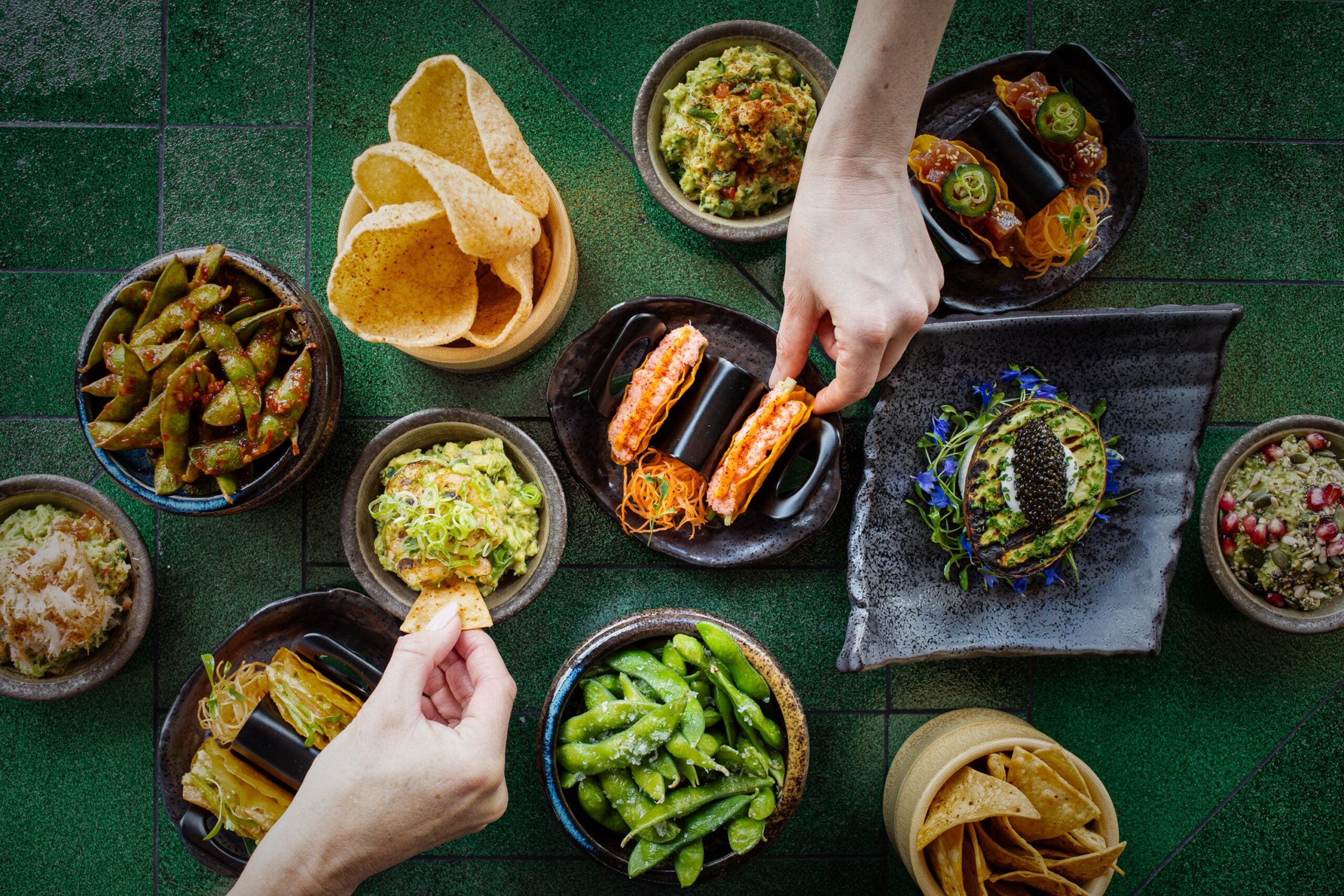
In the face of increasing demands from guests, like many others, Hakassan innovated, introducing a dedicated gluten-free menu four years ago. “This is now an expectation,” Zhen says. “In a fine-dining restaurant, guests expect the same level of choice, creativity, and quality, whatever their dietary requirements. It’s no longer enough to simply remove an ingredient.”
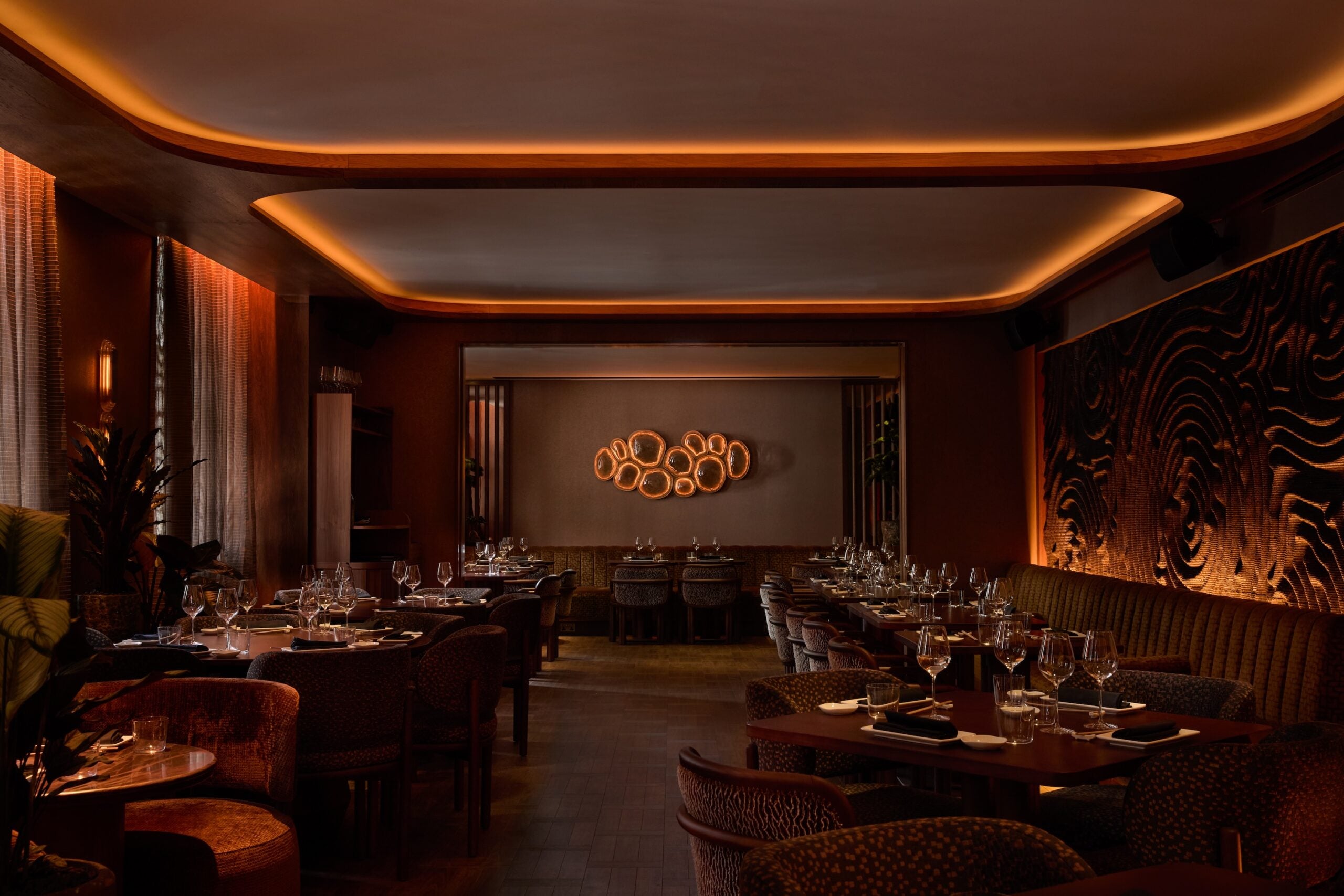
For restaurateur Markus Thesleff, however, adapting menus wasn’t enough. The founder of London’s casual fine dining restaurant Los Mochis and omakase rooms Juno and Luna has made the restaurants’ menus entirely gluten-, nut- ,and celery-free. His latest concept, Ma/na, is, he claims, the first luxury Japanese restaurant to be fully gluten-free.
While the popularity of his venues may work in tandem with changing dietary preferences, the conception was personal – Thesleff has lived with a dairy allergy since childhood and stopped eating gluten in 2015 after suspecting an intolerance. Watching his niece and nephew, both of whom have severe nut allergies, struggle to eat out reinforced how limited the options were.
Looking to replace the constant ‘Is that possible?’ request, Thesleff wanted these venues to make it easier for everyone to eat out. “During Covid, we had time, so the first thing I said when we made the menu was, ‘Can we make this all gluten-free?’”
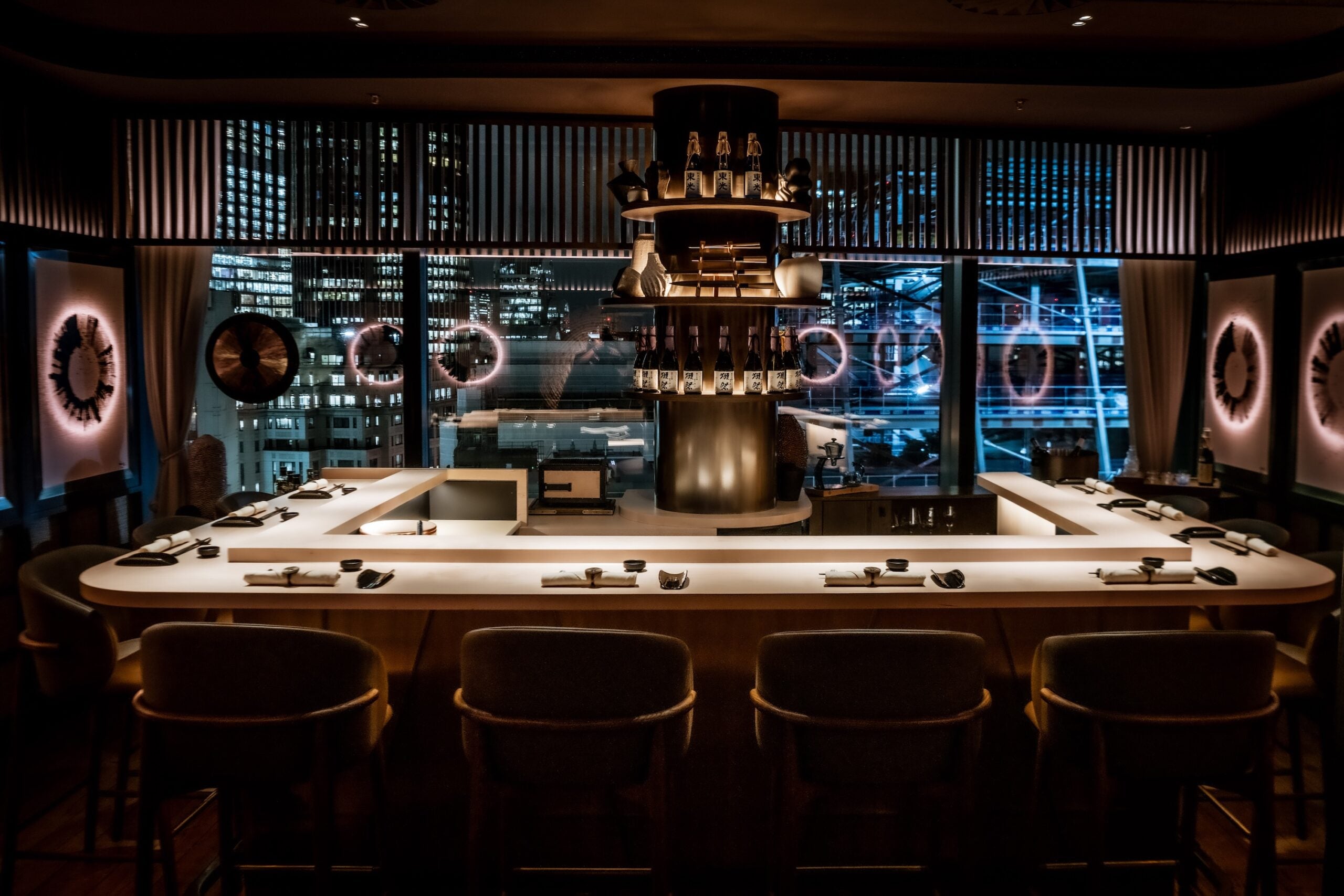
“We want people to be able to come and eat and not compromise,” he adds. “Why should they?”
And while this was the guiding thread through Los Mochis, and later Juno, Luna, and Ma/na, being allergen-free will never be part of the restaurants’ brand. “I will never put allergies front and center of what we do,” he says. “It’s more, ‘Hey, by the way…’”
“We don’t want you to come to us because of allergens. We want you to come to us because you love what we do. Hopefully we make you happy and bring you joy.”
One of the reasons he keeps this ethos low-key is due to the public’s preconceived ideas about allergen-friendly food. “The moment you start talking about allergies, people get their backs up – they assume the food is going to taste like cardboard,” he says. “And, and to be fair, I’ve had a lot of biscuits that taste a lot like cardboard,” Thesleff says.
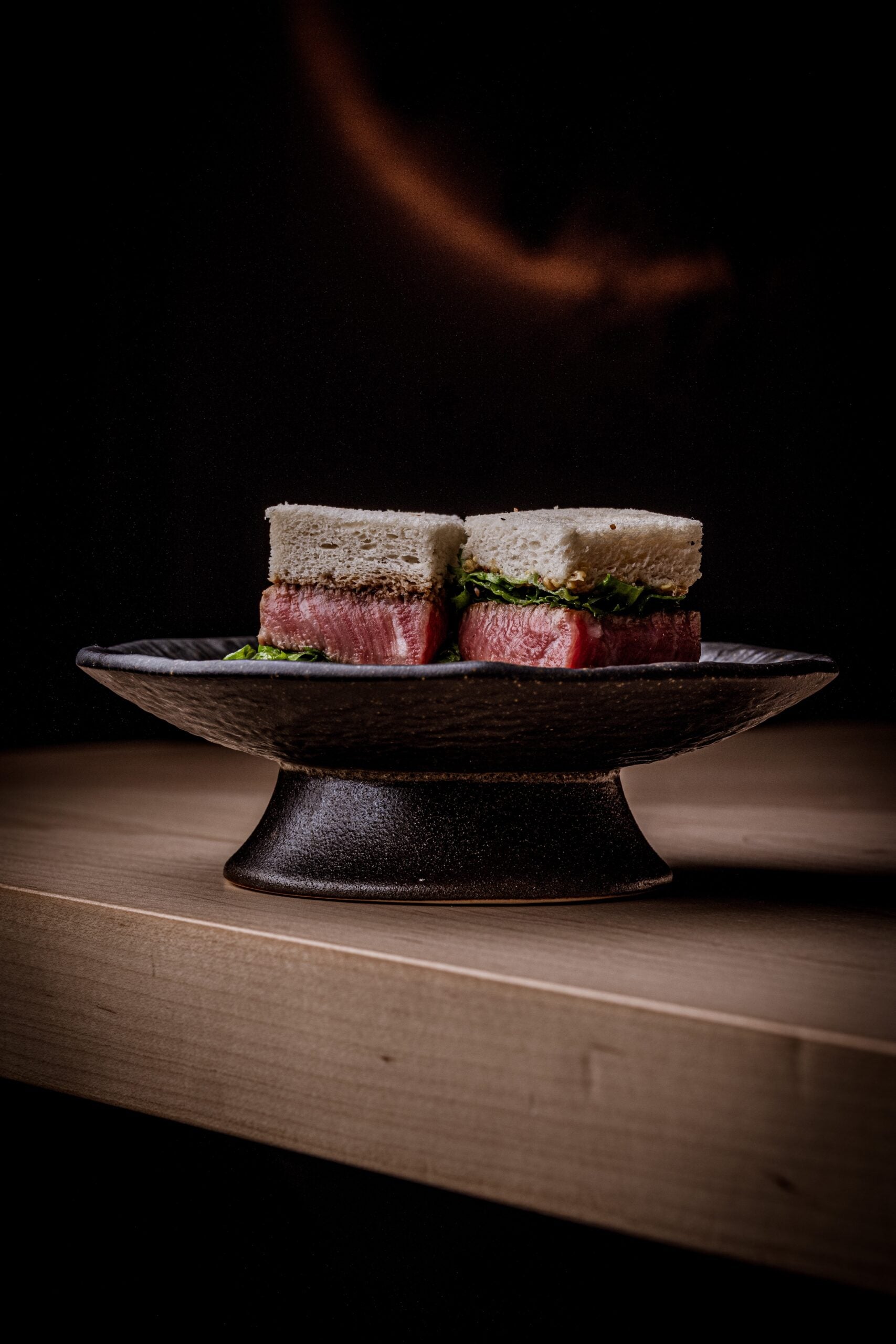
The reception of his idea from other industry insiders wasn’t encouraging: “They said it was impossible to do a fully gluten-free restaurant that would work. And when someone says you can’t, for me, that means I must.”
As recipe testing began, Thesleff realized it wasn’t for the fainthearted. “It took us months because we didn’t want people to be able to taste the difference.”
Today, almost everything is made from scratch, from sauces to pastry, because many commercial products contain hidden gluten or carry a risk of cross-contamination. “We make our own ponzu. Even really good chefs buy their ponzu,” he laughs.
But Thesleff credits his merciless pursuit of perfection to the restaurant’s popularity. “I’d never eaten churros before ours without getting sick, and now people come and don’t even realise they’re gluten free,” he says. “In fact, they prefer ours because they’re lighter.” At Ma/na, the recipes for the gyoza and tempura have taken nearly three years to perfect.
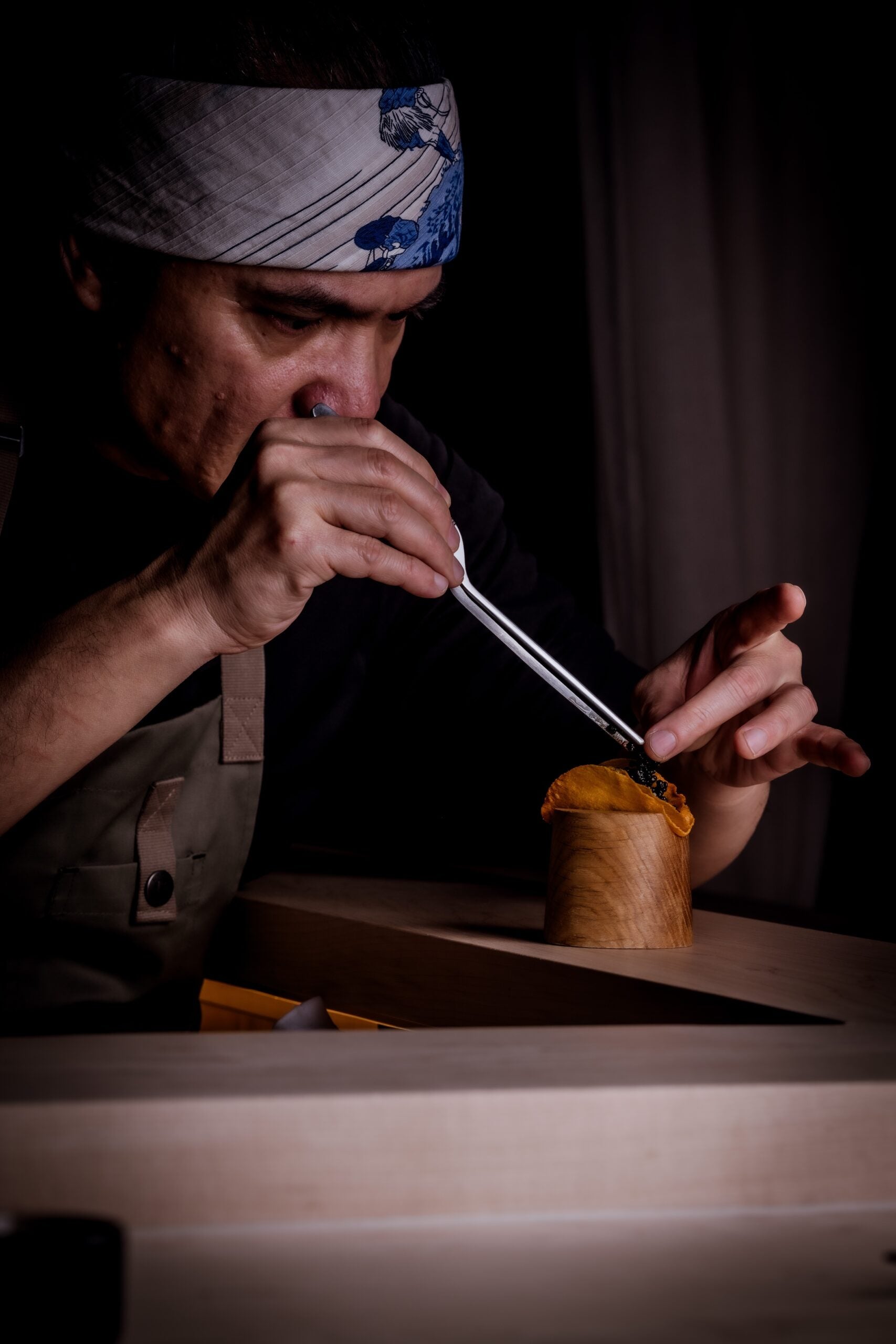
And his approach isn’t simply about swapping ingredients – it has extended to rethinking the entire supply chain. “We have a full-time health and safety person. We’re the only restaurant group we know of that has this,” he says. “We don’t bring in ingredients until we’ve checked all the way back to the factory that there’s no cross-contamination.”
As awareness of food allergies continues to grow, Thesleff believes restaurants designed around dietary needs will become increasingly common. “I absolutely think more diet-friendly restaurants are coming. Not just because chefs or their families have dietary requirements, but because it’s a natural evolution.”
And for Thesleff, this appears to be just the beginning. Speaking about Ma/na, he says, “We’re taking on Zuma and Nobu,” adding, “Let me rephrase that – I’d love to have our name in the same sentence as theirs; it would be an honor.” And with new locations already planned in the US, it seems the approach is ready to launch stateside.