
When speaking, writing, or even just thinking about fashion, you may not notice it at first, but the conversation increasingly returns to the ground. Whether it’s where our fibers come from, where our clothes eventually end up, or the growing demand for natural materials. Dress it up or not, luxury is indisputably connected to the Earth.
Ceramics begins there, too. Clay has been pulled from the ground and shaped by hand for thousands of years, yet today one of humanity’s oldest crafts is finding renewed relevance in one of the world’s fastest-moving industries. Luxury fashion houses are embracing ceramics with unusual enthusiasm. From Jonathan Anderson’s work across Loewe, JW Anderson, and now Dior to former Burberry chief creative officer Christopher Bailey’s investment in Burleigh Pottery, the relationship has expanded beyond occasional collaborations.
Few people are better placed to explain the shift than Henry Holland. After founding the fashion label House of Holland, the British designer turned to ceramics after the Covid pandemic forced the line into administration. What began as a few classes quickly became a second career by establishing Henry Holland Studio – and, as he puts it, a return to the kind of artistry that fashion can sometimes lose.
“It really reconnected me with creativity and the hands-on process,” he explains. “With fashion, when you’re running a brand and running a business, you can get bogged down with the business side.”
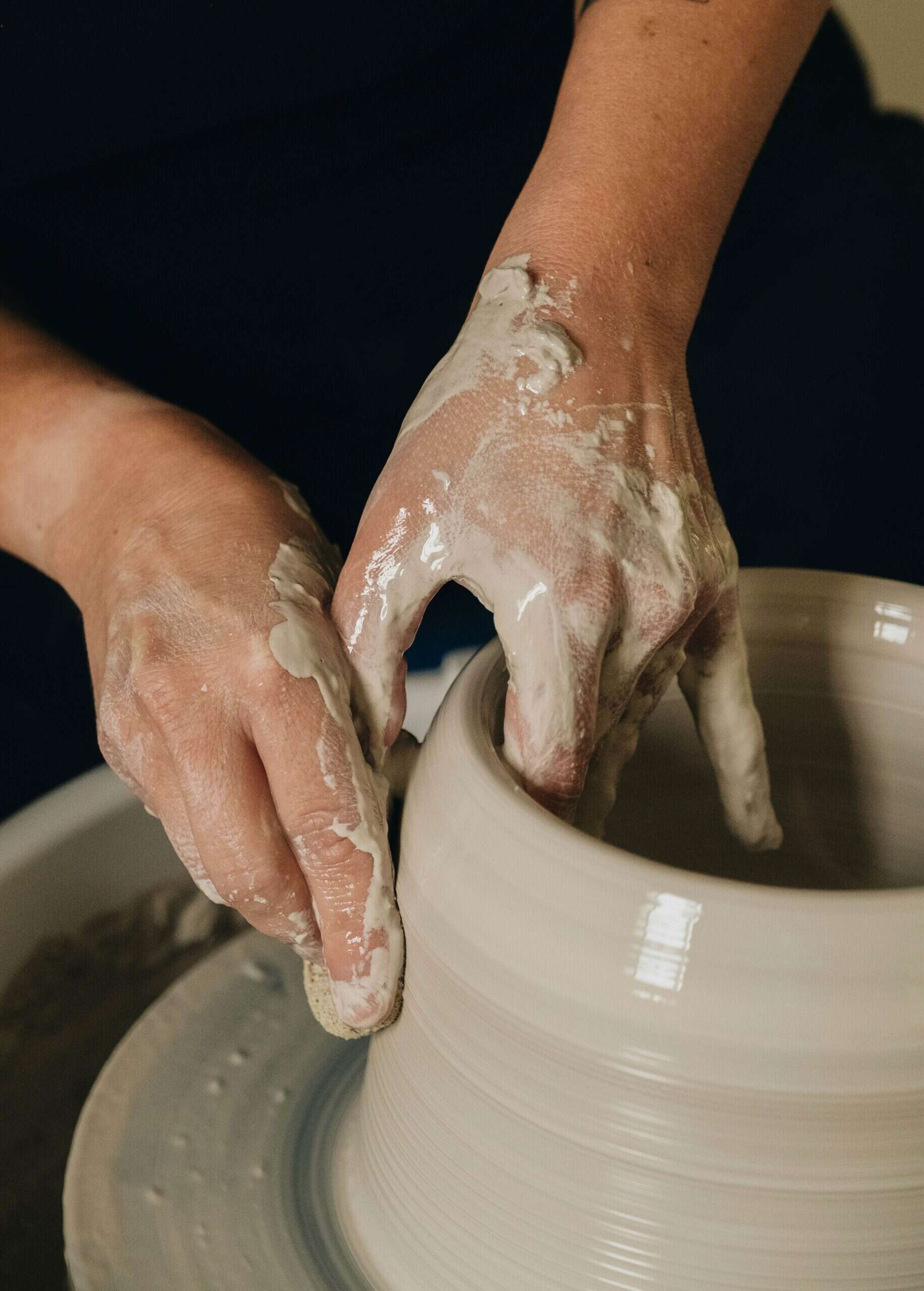
What appealed wasn’t clay itself, but the process. Unlike fashion, where an idea passes through countless hands before reaching the customer, ceramics bring the maker back into direct contact with the object. “It’s just me and my two hands again creating,” Holland says. “That was really refreshing.” In an industry where collections are produced on strict schedules and creativity is often shaped by commercial demands, clay represents something slower and more considered.
“The fashion industry has become so big, and it operates at such speed that sometimes that part of the process can feel slightly lost,” says Holland. “It can start to feel a bit like a conveyor belt of creativity.”
Fashion has always celebrated craftsmanship, but increasingly it’s something designers commission rather than make themselves. Ceramics bring them back to the process. Every fingerprint, irregular glaze, and slight variation is evidence of the maker, a reminder that luxury isn’t always about perfection, but about process.
“Ceramics is very much about slow craft and slowing down,” says Holland. “There’s a real respect and understanding between creatives across different disciplines. People appreciate the process.”
Few designers have done more to champion that relationship than Jonathan Anderson. During his tenure at Loewe, he established the Loewe Foundation Craft Prize, giving international recognition to makers working across ceramics, textiles, and other craft disciplines. Recently his eponymous label partnered with Wedgwood on a collection that reimagined the British pottery maker’s archive, with a second chapter expected later this year. His debut Dior collection carried that conversation forward, drawing on the work of British-Kenyan ceramicist Dame Magdalene Odundo alongside other artists and artisans whose practices sit beyond fashion.
Anderson is far from alone. Christopher Bailey recently acquired the 175-year-old ceramics firm Burleigh Pottery, Louis Vuitton has commissioned artists including Shio Kusaka, and Dior Maison has long collaborated with makers whose work blurs the line between functional object and collectible art.
Holland doesn’t think this is a passing fad, either: “I don’t see it as a trend because ceramics have been around forever. There’s a real deep appreciation for them. It feels like they’re having a moment, but that’s reflective of people really engaging with it as a medium.”
Fashion’s embrace of ceramics also reflects a broader shift in how consumers define luxury. Increasingly, value lies not only in rarity or price but in authorship, as collectors want to know who made an object, how it was made, and what story it carries. Handmade ceramics satisfy all three in a way that few industrially produced luxury goods can.
“Exclusivity has to come in lots of different ways now,” says Holland. “It can’t just be about price point anymore. I think you’ve got to bring different audiences in through storytelling and exploration of the roots of collections.”
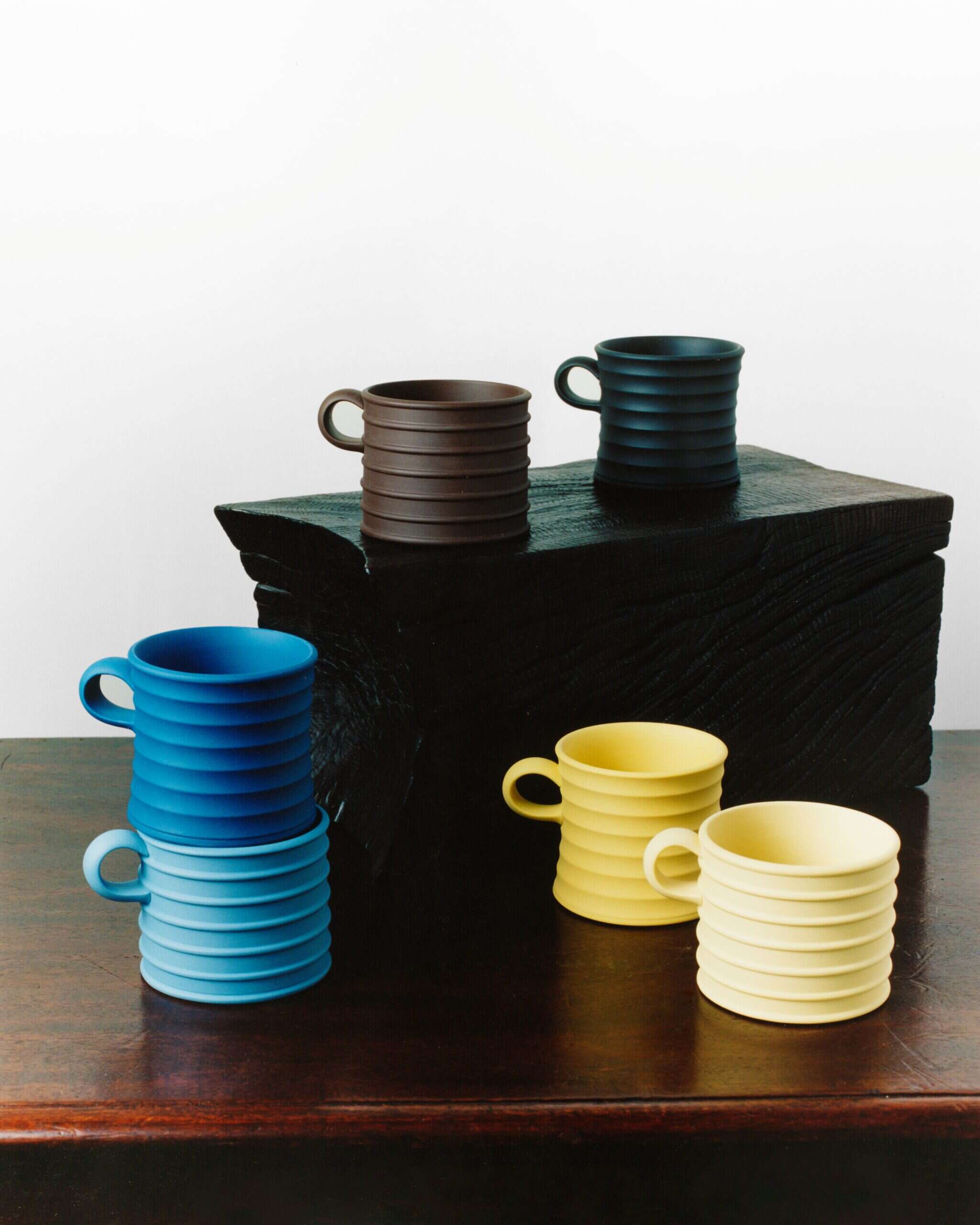
This is where initiatives such as the Loewe Foundation Craft Prize become significant, as luxury houses increasingly position themselves as patrons by supporting individual artists and bringing contemporary makers to new audiences.
“I think it’s really beneficial for the artisans and craftspeople,” says Holland. “It uplifts their work and creates a new level of recognition.”

Of course, fashion has a habit of turning movements into trends. So is ceramics simply the latest aesthetic obsession? Holland acknowledges that the industry has historically absorbed important conversations – from sustainability to inclusivity – before moving on. However, he does believe craft has the potential to become something more enduring. “I think designers and houses and brands are much more aware of that and making sure that they don’t engage in these things in a way that they engage and disengage,” he says. “It becomes part of the brand’s DNA.”
If ceramics are having a moment, it is one that has been thousands of years in the making. Fashion may move quickly, but if this growing fascination with clay suggests anything, it’s that some of the industry’s most interesting designers are no longer in a rush.