
The second-hand luxury market is no longer a niche corner of fashion reserved for the patient, the thrifty, or the extremely online. According to a 2025 report from Boston Consulting Group and Vestiaire Collective, the global second-hand fashion and luxury market is growing at three times the rate of the first-hand market, and is expected to reach up to $360bn by 2030. Resale already accounts for 28 percent of surveyed consumers’ wardrobes, rising to 40 percent for handbags.
But we already know this. We are likely even part of those statistics. What is interesting, however, is that as the market grows, so does the creativity around what these pieces are actually used for.
Vintage luxury accessories are no longer being bought solely to serve their original purpose, but are being reused for a different one entirely. Victoria Beckham using an old cigarette case as a card holder was a neat recent example that captivated online audiences, but she is hardly alone.
@voguefrance « In The Bag » avec #VictoriaBeckham: cet objet offert il a 27 ans par son mari David Beckham ne quitte jamais la créatrice. Pronostique sur le message gravé ? #voguefrance #davidbeckham ♬ son original – Vogue France
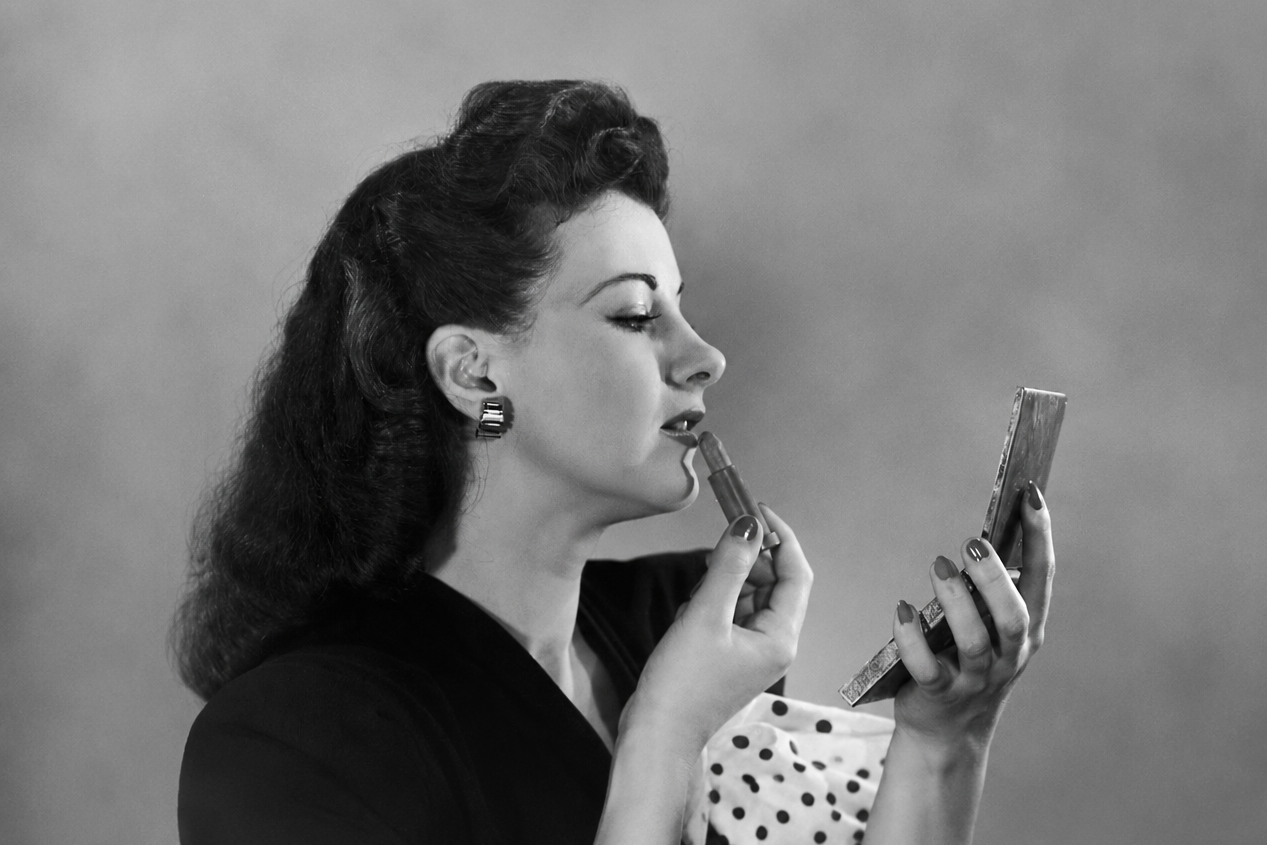
“I’ve definitely seen a strong move towards vintage luxury accessories being reimagined for modern use,” says Kylie James, CEO of luxury auction platform LAX.BID and London Art Exchange. “Cigarette cases being used as card holders is still one of the most popular examples because the proportions are perfect for today’s essentials.” She also recounts seeing “Art Deco vanity cases being worn as clutch bags or evening pieces.” Meanwhile, vintage cigar cases are being repurposed for “cosmetics, lipstick holders, compact mirrors, even AirPods cases”.
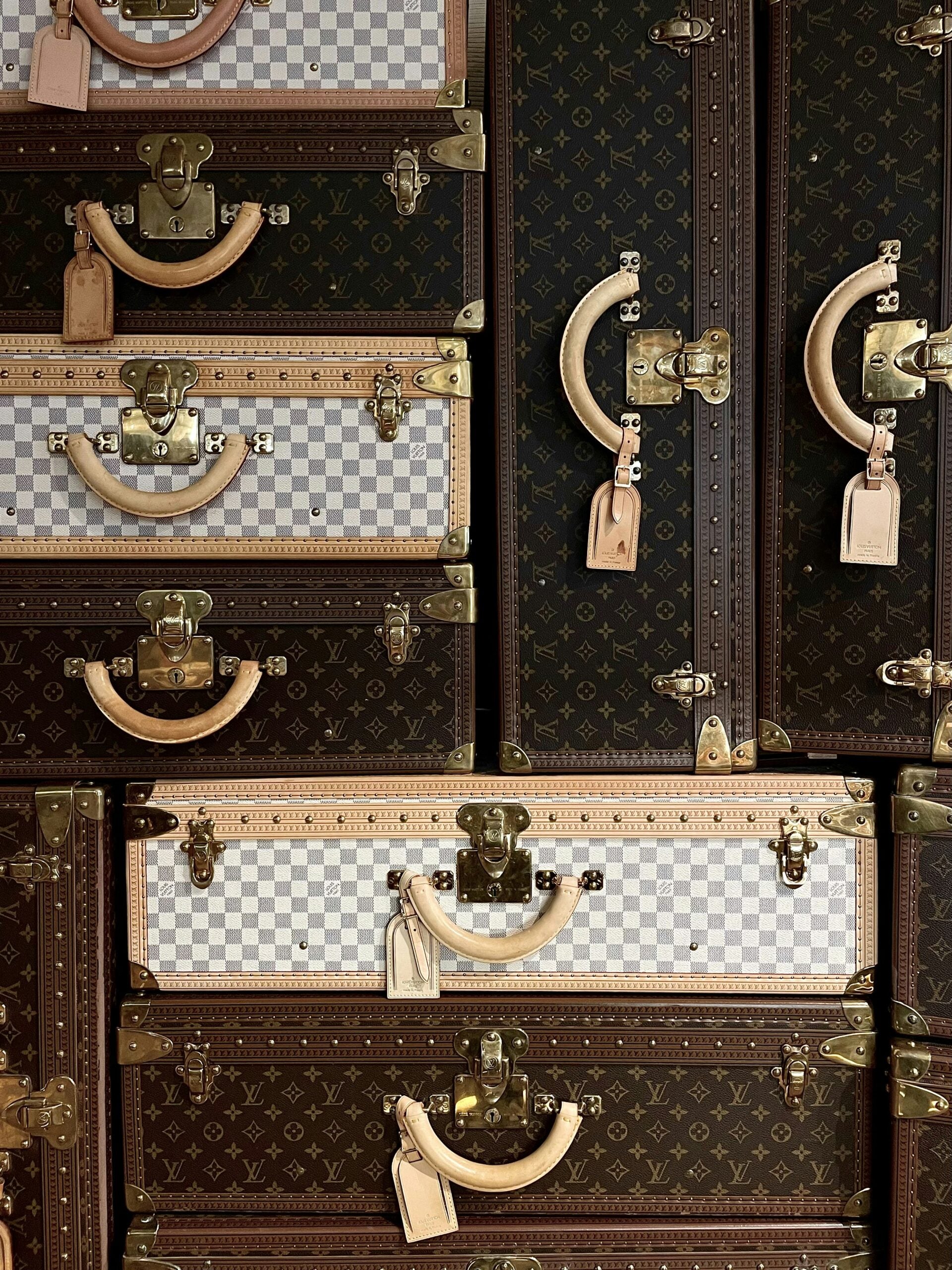
It is not only fashion accessories being recast with new meaning. “People have been repurposing for years,” says James Constantinou, founder of Prestige Pawnbrokers. He points to the recent trend of Louis Vuitton trunks being turned into coffee tables, or older trunks from the 1920s and 1930s used as statement furniture.
See also: The History of the Snuff Box and Its Rise as a Luxury Collectible
But there are a few reasons why this is happening more so now, with sustainability being one driving factor. Buying vintage allows consumers to extend the life of an existing luxury object rather than buying another new one, and that logic has become more persuasive as fashion’s waste problem has become impossible to ignore. The experts, however, are clear that this is not simply a moral turn; it is an aesthetic one too.
“Individuality is one of the biggest drivers,” says Katrina Aleksa, a luxury gifting and collectibles expert. “Consumers are increasingly moving away from owning the same products as everyone else and are looking for pieces that feel more personal and distinctive,” she adds. “Buyers are drawn to pieces that feel distinctive and difficult to find rather than simply focusing on traditional status items; [they] want objects with history, craftsmanship, and character.”
Nostalgia plays a role too, though not in an overly sentimental way. “The appeal extends beyond looking backwards,” James says, arguing that buyers are increasingly drawn to “objects that feel authentic and tell a story.” “It’s about connecting with quality and a sense of permanence that can sometimes feel missing from modern consumer culture.”
That helps explain why these objects are beginning to blur the line between accessory and collectible. Bleu Bosworth, founder of London-based art gallery and advisory firm Optima Contemporary, argues that younger consumers are approaching vintage luxury in a way that increasingly mirrors art collecting.
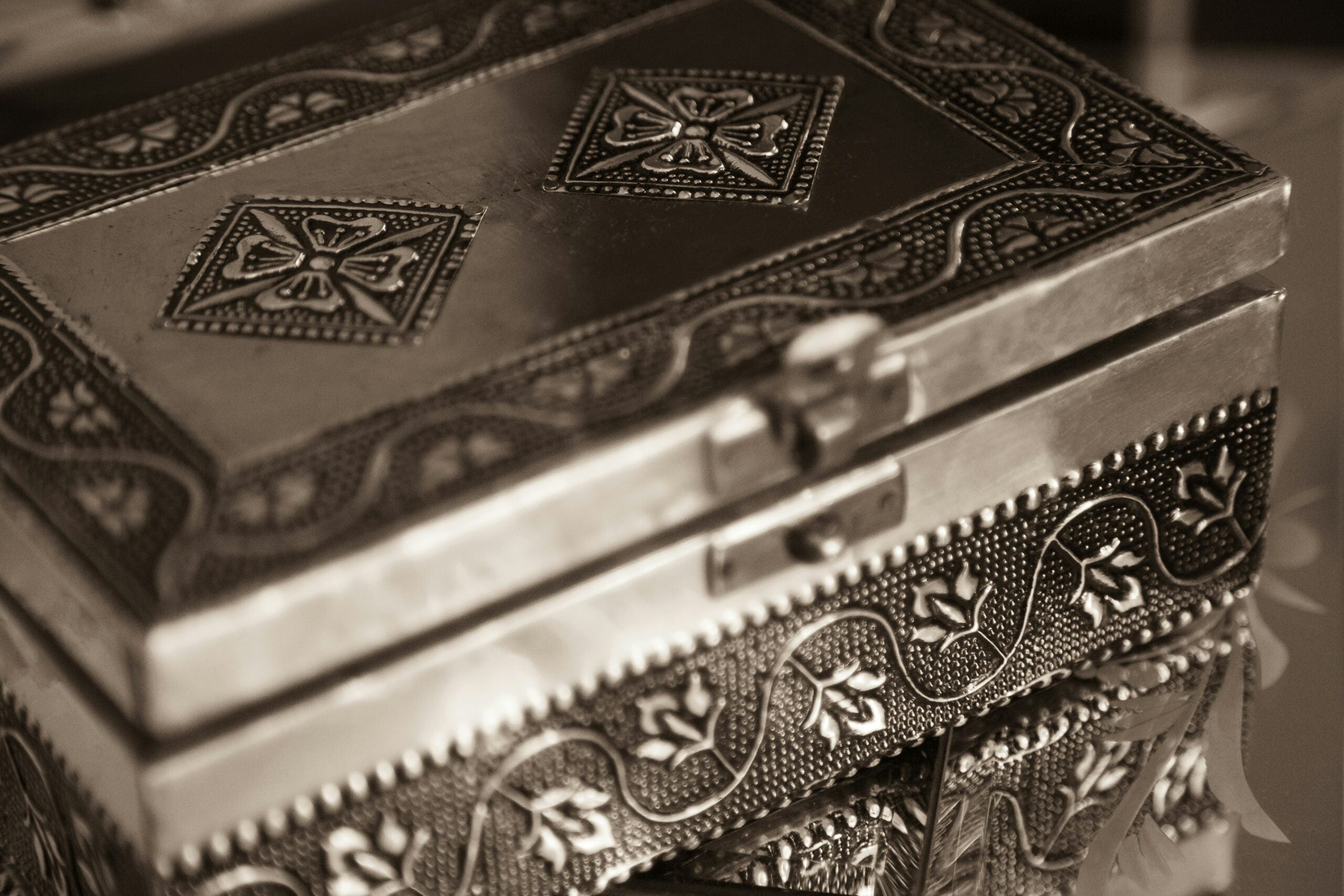
“A vintage accessory today might be viewed simultaneously as a fashion item, a design object, and a collectible,” he says, pointing to the popularity of vintage Cartier cigarette cases, which are no longer valued purely for their original function but for their “craftsmanship, provenance, rarity, and cultural significance”.
See also: Can Clash Become Cartier’s Next Signature?
And it is not just private shoppers and vintage obsessives driving this shift. Luxury brands themselves have been edging in the same direction, proving that the idea of giving older objects a second life is no longer confined to individual taste or independent designers. Miu Miu’s Upcycled project, for example, sources garments from vintage specialists, which are then restored and refashioned into one-off pieces.
Speaking about its 2026 collection, the house described the process as “breathing life into garments once worn and loved by others”, where “any marks of ageing and the passing of time are celebrated”. Coach’s Coachtopia, similarly, has turned circular design into an entire sub-brand built around creating bags and accessories from recycled and repurposed materials.
The scale is obviously different from using a compact mirror as a bag charm, but the principle is not so far off: luxury is increasingly interested in what already exists, and what it might become with a little imagination.