


Pre-opening nerves aren’t a thing for Bernhard ‘BB’ Bohnenberger. The Discover Collection’s president and co-founder has the luxury of knowing that all the guests at his forthcoming property in Ras Amud, Oman, will relish everything about his new project, from the adventure of arriving by boat — just as well as it’s inaccessible by road — to the activities program, which caters more to culturally curious intellectuals than clout-chasing influencers. Why? Because they’re all in the club.
Yes, reserving a stay at any Discover Collection address will only be possible for individuals already accepted into its ranks. And it’s not an anomaly: members’ clubs have become a defining trend in luxury travel over recent months, whether it’s from communities joining together for shared superyacht charters or fitness fanatics seeking out retreats that support them in vacationing virtuously. For Bohnenberger and his team it’s a ‘filtration process’ (subject to a $650 joining fee and annual $3,600pp membership fee) that will mean everyone should rub along nicely. His community of ‘globally mobile founders, investors, and cultural patrons,’ with an average $10m-plus net worth, will share a predilection for conservation and wellbeing — unsurprising focal points given Bohenberger stewarded Six Senses for decades — and they’ll be indulged with bespoke touches throughout their stays, too.
Ambition is not in short supply, and Bohnenberger is bullish about what he’s building: "It will spoil other hotel stays for them as we’ll provide a level of customization it will be impossible to enjoy anywhere else,” he claims. Alongside the basics — think in-suite bars tailored to an individual’s taste and anytimeanywhere dining with chefs who’ll serve guests’ favorites on demand rather than restricting them with a menu — activities will be tailored to their interests with their every quirk already understood and accommodated. As the Discover Collection portfolio grows, with future resorts coming to Kenya, Ireland, Albania, Bhutan, and beyond, Bohnenberger expects its carefully curated community to directly influence how those locations evolve and what they will offer.
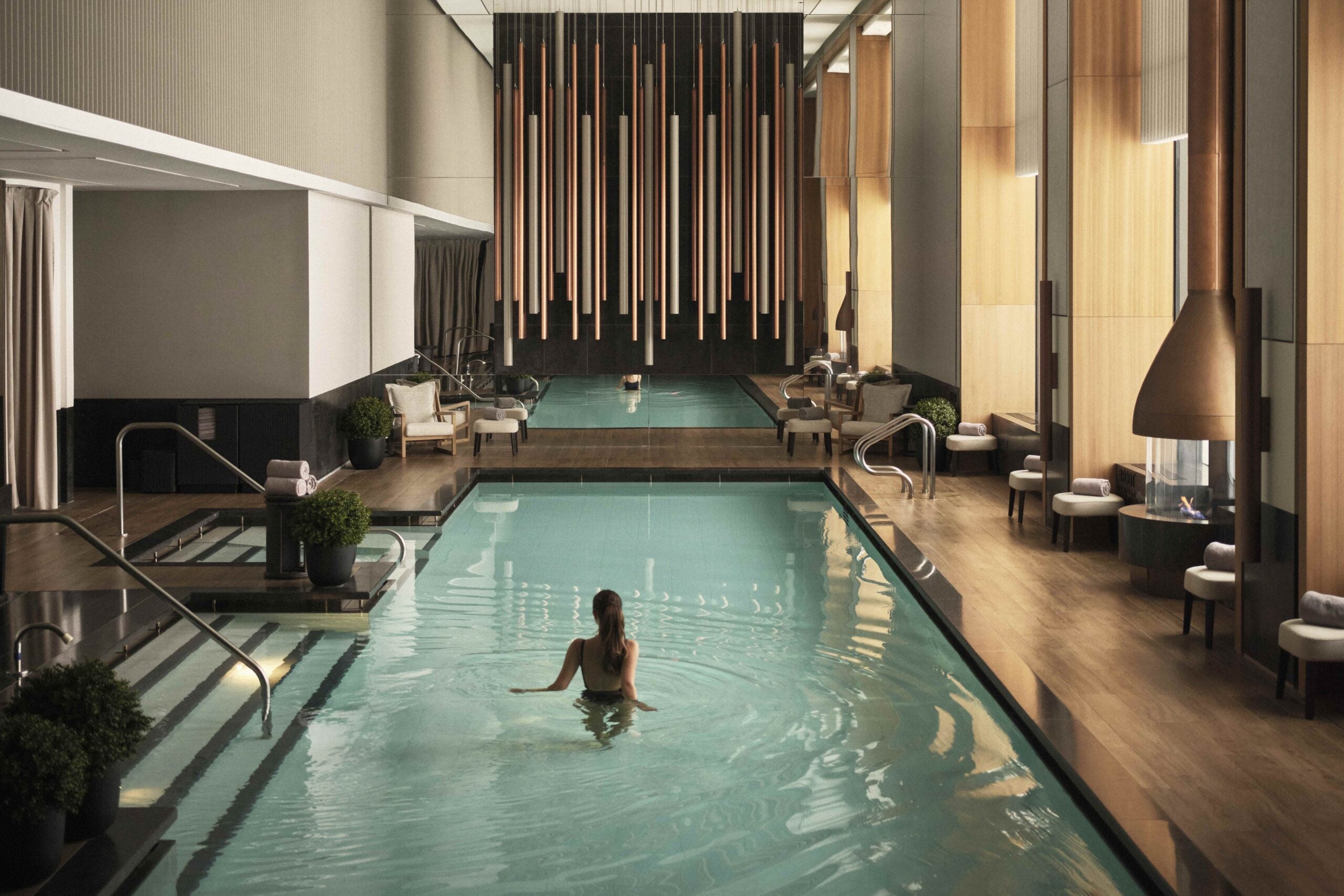
Other hotel groups are also tinkering with the conventional members’ club concept so it fits more closely with their brand DNA. Found in New York, Tokyo and Bangkok, and with 10 more locations currently under development, Aman’s Aman Club provides ultra-discreet opportunities for socializing, culinary experiences, and wellness. Introduced in 2022, says its head Felicia Marquez, “in response to strong demand from brand loyalists,” it is perhaps the sector’s most unapologetic expression of exclusivity. Granted after payment of a $200,000 initiation fee and $20,000 in annual dues, membership is by invitation only but can be passed on to future generations by direct lineage, a perk that “inherently cultivates long-term loyalty.”
Carlyle & Co is a Hong Kong members’ club devised by Rosewood Hotels that sits operationally and physically apart from the city’s flagship Rosewood hotel. Its VP, Jonathan Frolich, however, acknowledges that drawing from Rosewood’s pedigree and in-house hospitality expertise has been advantageous in creating a distinctive offering. Hotel-side colleagues consulted across design, service, and more, and prospective members have the promise of special room rates across every Rosewood hotel as an incentive to join should a packed events calendar — featuring pop-up tattoo sessions, K-pop dance performances, monthly wine clubs, and horology masterclasses — not quite cut it.
With Growth Market Reports estimating that the global members’ club market will almost double between 2024 and 2033 (from $31.7bn to nearly $60bn), it’s no surprise other hospitality groups are now developing their own offerings. But while the pull of such a significant payday is understandably enticing, caution is advised. Previously, the only barrier to enjoying the high life was a guest’s ability to pay for it. Partitioning access while ignoring or ultimately rejecting some of their most loyal customers will guarantee offence, so how each brand navigates that challenge will be a key predictor of future success. Take too lenient an approach, and the club’s sense of desirability, so clearly predicated on its supposedly highly curated community, will be eradicated. No doubt many in the business will be mindful of last year’s Soho House PR debacle, when coverage of its rickety share price and bloated 210,000-plus global membership numbers torpedoed any sense of exclusivity.

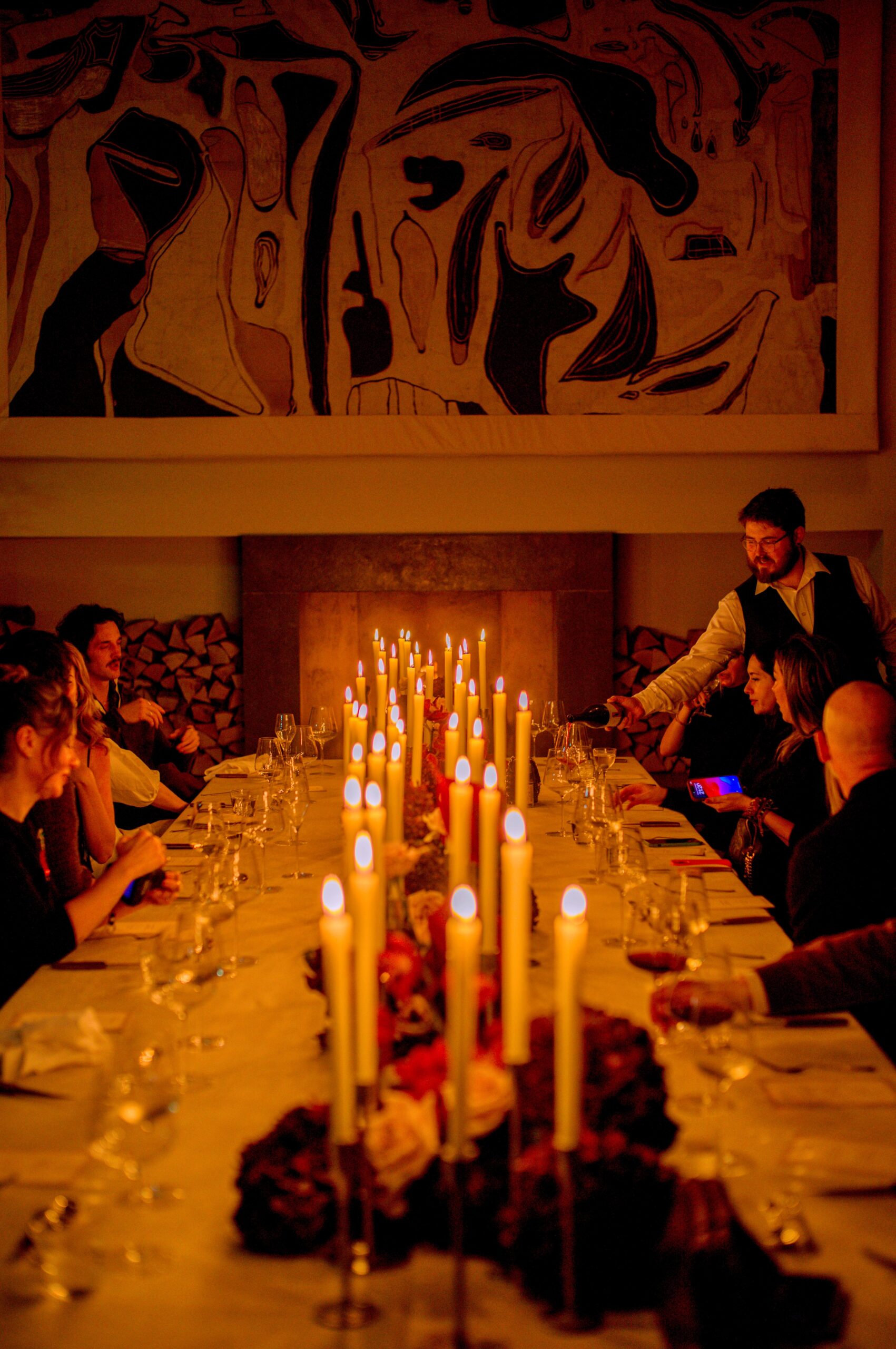
Copper Beech is a consultancy that conceives, builds, and operates members’ clubs globally. CEO Matt Hobbs predicts we’ll see increasingly eclectic reinterpretations of the traditional model. Alongside growing demand for offerings outside of legacy markets, he’s noting “a move away from status-driven clubs towards experience-led environments” and a greater emphasis on clubs that don’t focus on access to a specific building but which “create a platform for a certain way of living.” Of course, members’ clubs introduced within the travel sector will have more opportunities to respond to that shifting landscape than others. Travel provides the playground for the pursuit of new experiences and forms of discovery both internal and environmental. Playful, unpredictable concepts are perhaps more likely to flourish when we’re with a like-minded community thousands of miles from home, rather than round the block from our office.
New concepts are being rolled out by Delano, India’s The Leela, and One&Only, whose Palmilla Social Club incorporates many of the bells and whistles of a members’ club but, in a break from the norm, eschews the need for an actual paid membership to better facilitate interactions between hotel guests and the local Los Cabos community. Six Senses is also forging its own distinctive approach with the launch of the first Six Senses Place within its hotel in London. Indicative of a more health-conscious shift in how we choose to socialize, this club isn’t courting Lexi Featherston types who want to prop up the bar all night. Instead, members are up bright and early for morning workouts and perhaps a sexology workshop or some biohacking. For hotel manager Nick Yarnell, the space was crafted in response to how people “want to feel when they walk out the door. If you can move better, think clearer, sleep deeper, and still feel connected to the people around you, that’s when something becomes part of your life.”
That premise is taken even further at Long Lane, a new wellness-first members’ club and hotel in West Sussex, about an hour from London. The leafy estate will allow for woodland sound-healing sessions and forest bathing; in the 20 bedrooms, TV screens and minibars have been replaced by Healf collagen shots and IV drips. For co-founder Harrison Hide, the launch is an intuitive response to a clear market demand: The Global Wellness Institute estimates the wellness economy is now worth a record $6.8 trillion.
Alongside unlimited access to the estate, members on the £500-a-month ($675) Longevity Membership tier will receive biannual blood testing, gut microbiome analysis, and other medical assessments that will then be integrated into their on-site experience, meaning, for example, that their biometric data will be taken into account when the restaurant team advise on dishes they should order. Firmly off the menu, no matter what, is alcohol. An entirely alcohol-free hotel and members’ club might have been unthinkable in Britain a few years back, and Hide concedes it remains polarizing, but it’s another measure that ensures the right people come on board. “We’re not trying to be everything to everyone,” he says. “The people we’re building for don’t need convincing. If health is the foundation, [then being] alcohol-free just makes sense.”
See also: How Private Members’ Clubs Are Taking Over the English Countryside
It’s a far cry from the likes of the Dracula Club at Kulm Hotel St Moritz, famed for its revelry, strict Berghain-style no-camera-phones policy, and opaque membership-eligibility rules. Still going strong since it was founded by Gunter Sachs in 1970, a year after his divorce from Brigitte Bardot, it draws a global elite, and hangers-on desperate to join the fun as a plus-one, during its brief opening run each winter season. You can now discern something of that hedonistic spirit at year-old Le Chéile, the first NYC-based social club for travel enthusiasts. Alongside regular home-city get-togethers, its team organizes glamorous international vacations where members can gallivant as they wish during the day but reconvene for lively group dinners or special activities come evening.
Travel members' clubs
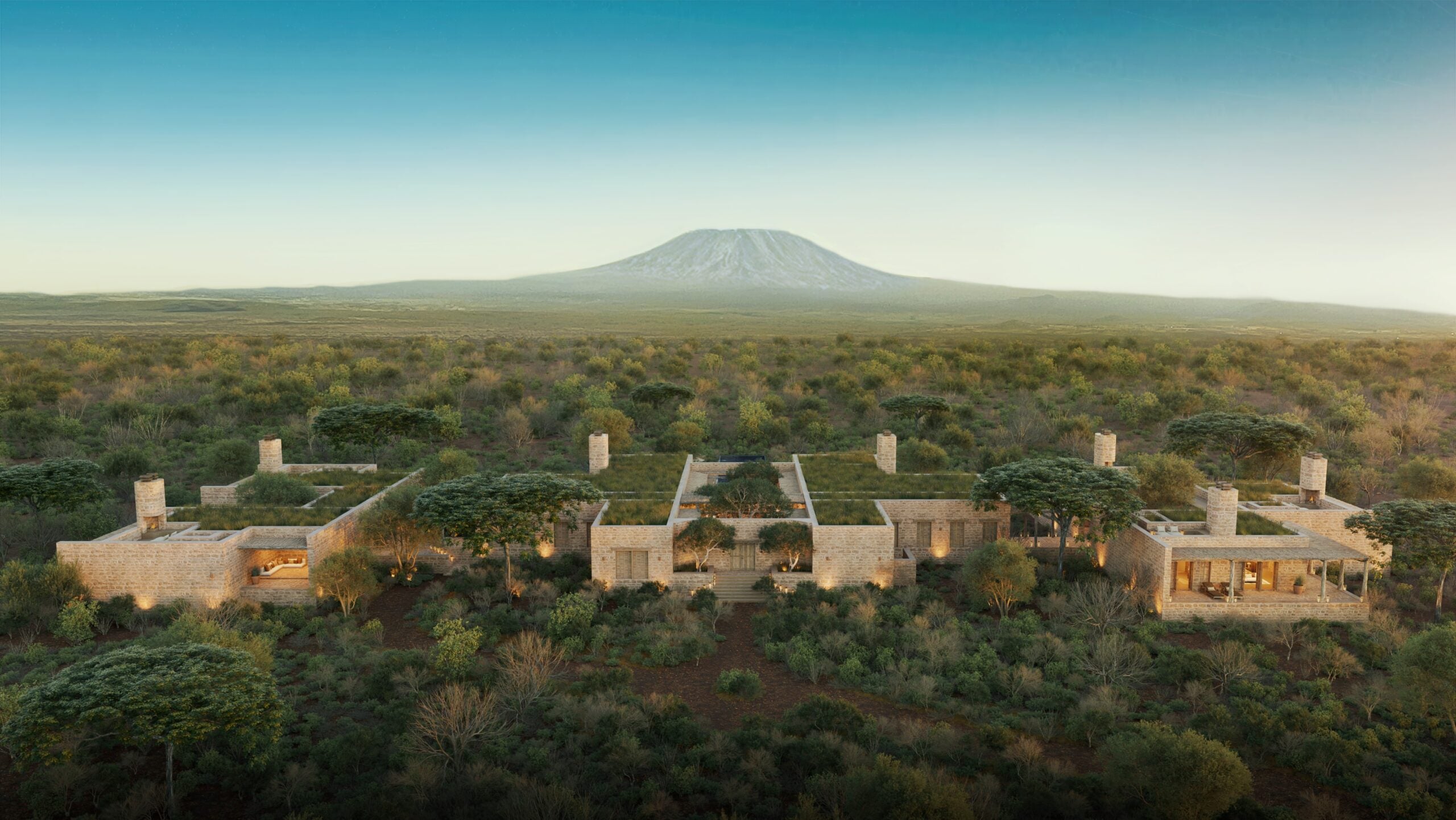
The Discover Collection is planning to open in Kenya, in addition to Ireland, Albania, Bhutan, and beyond.
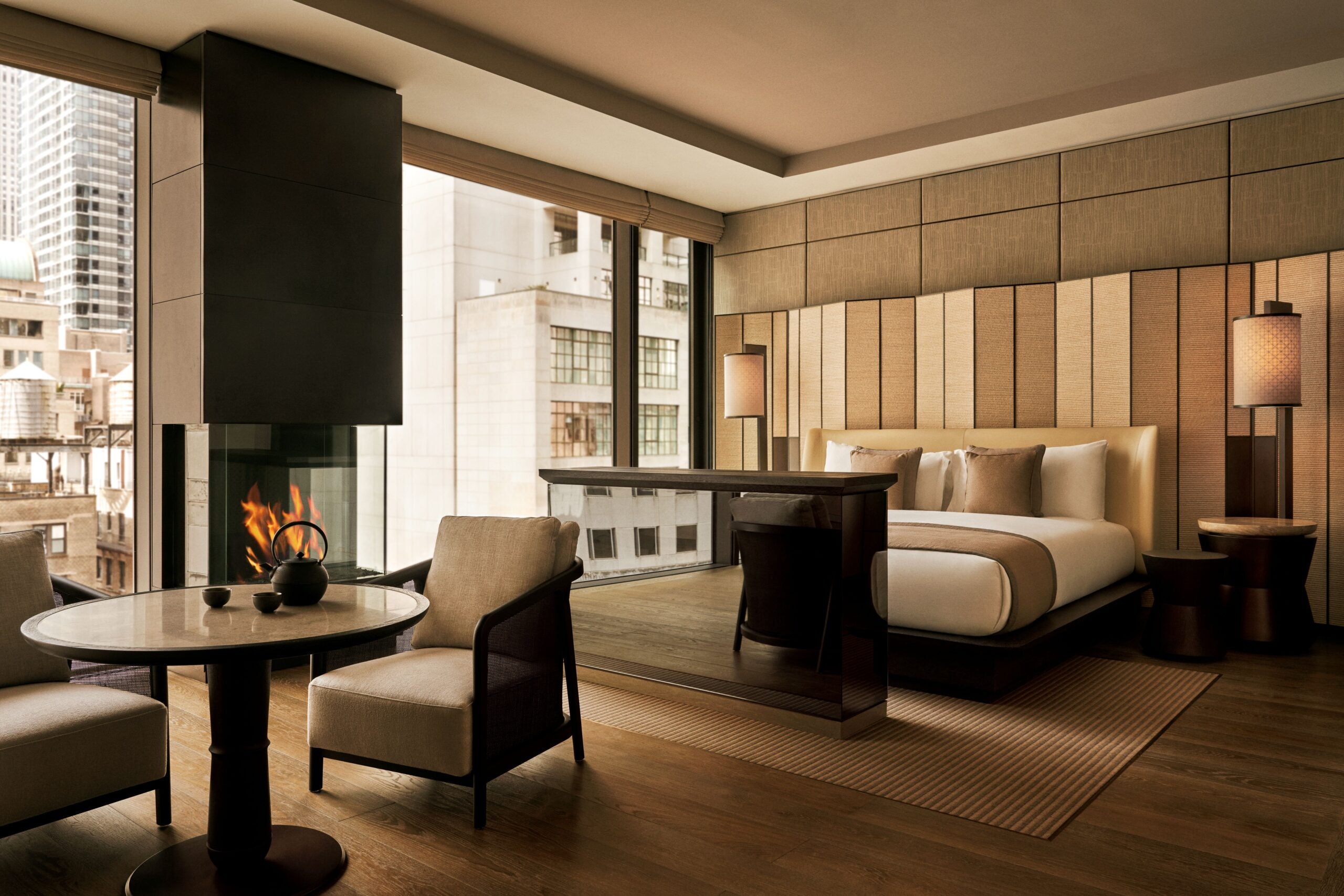
Access to Aman’s Aman Club provides ultra-discreet opportunities and access to premier amenities in its hotels.
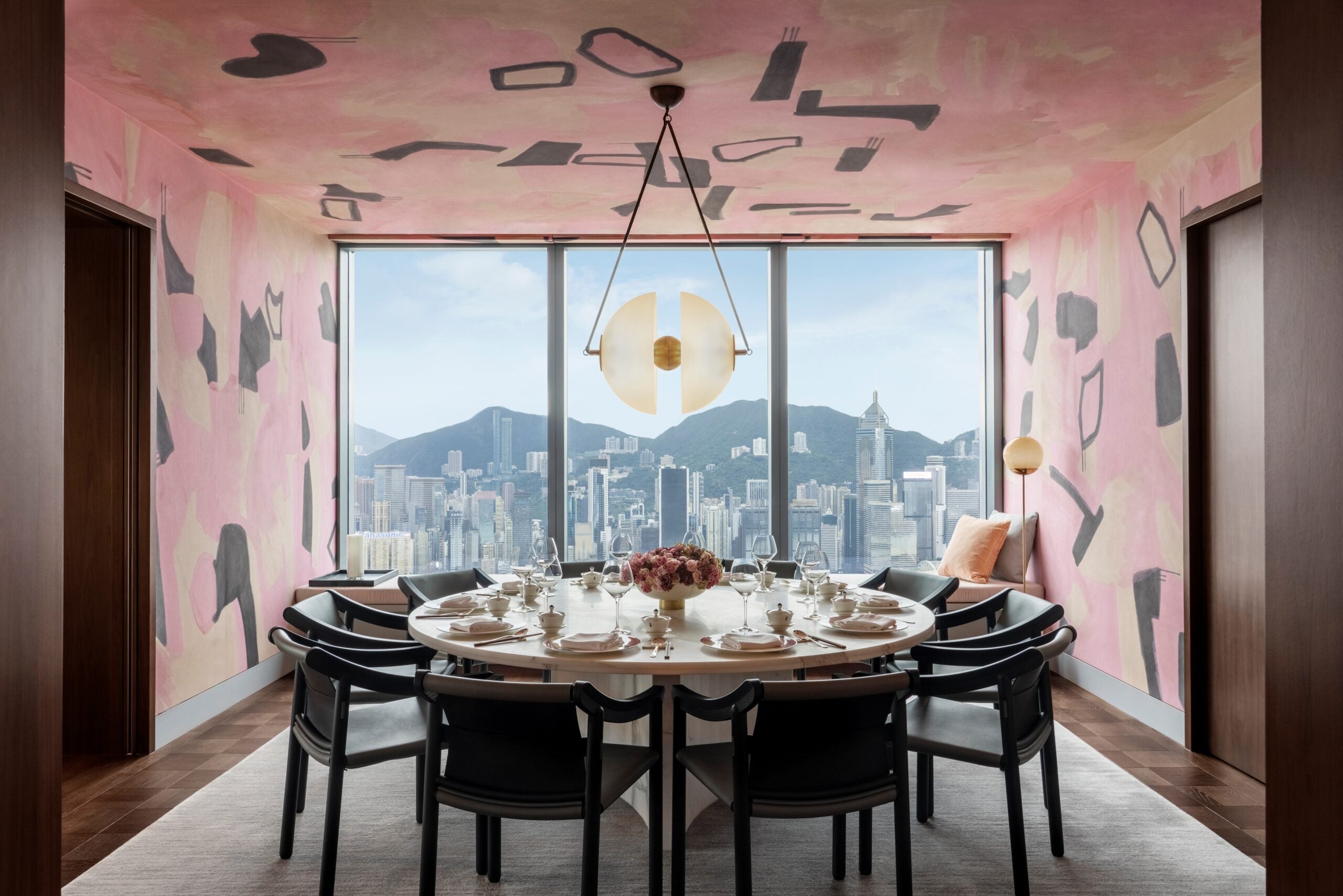
Carlyle & Co is a Hong Kong members’ club devised by Rosewood Hotels.
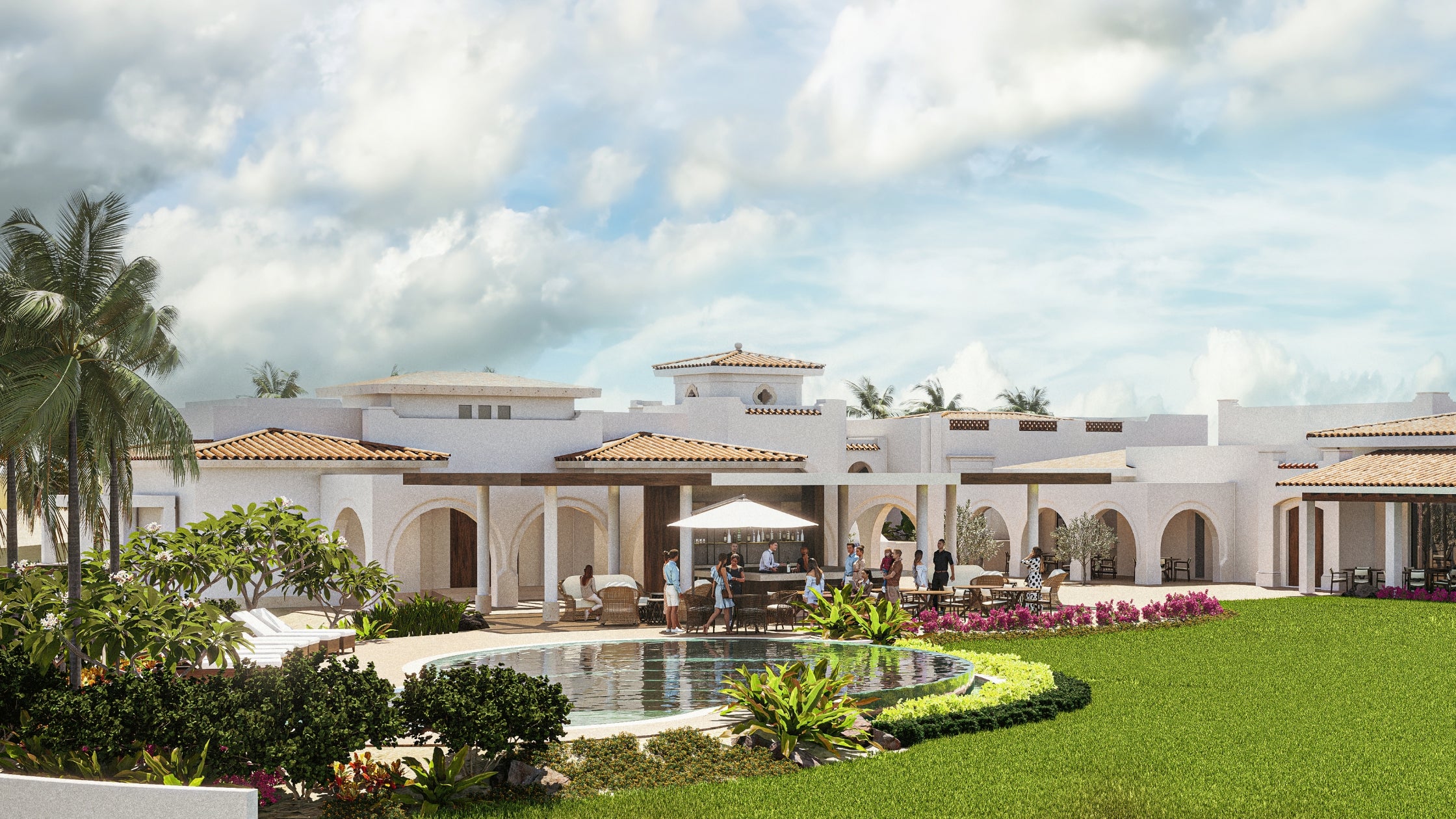
One&Only's Palmilla Social Club acts as an exclusive space within its Los Cabos resort.
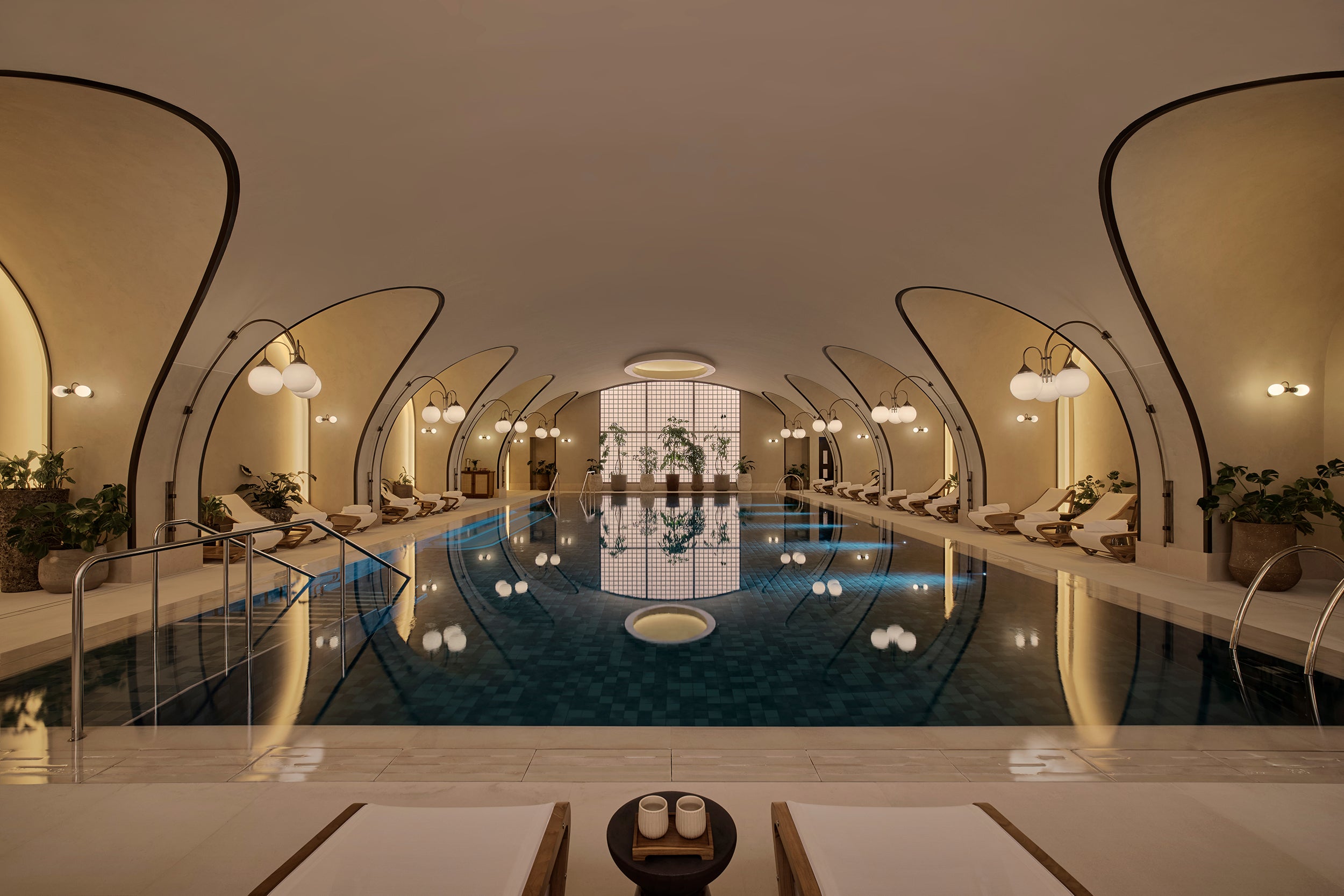
The first Six Senses Place within its hotel in London is geared towards wellness rather than revelry.
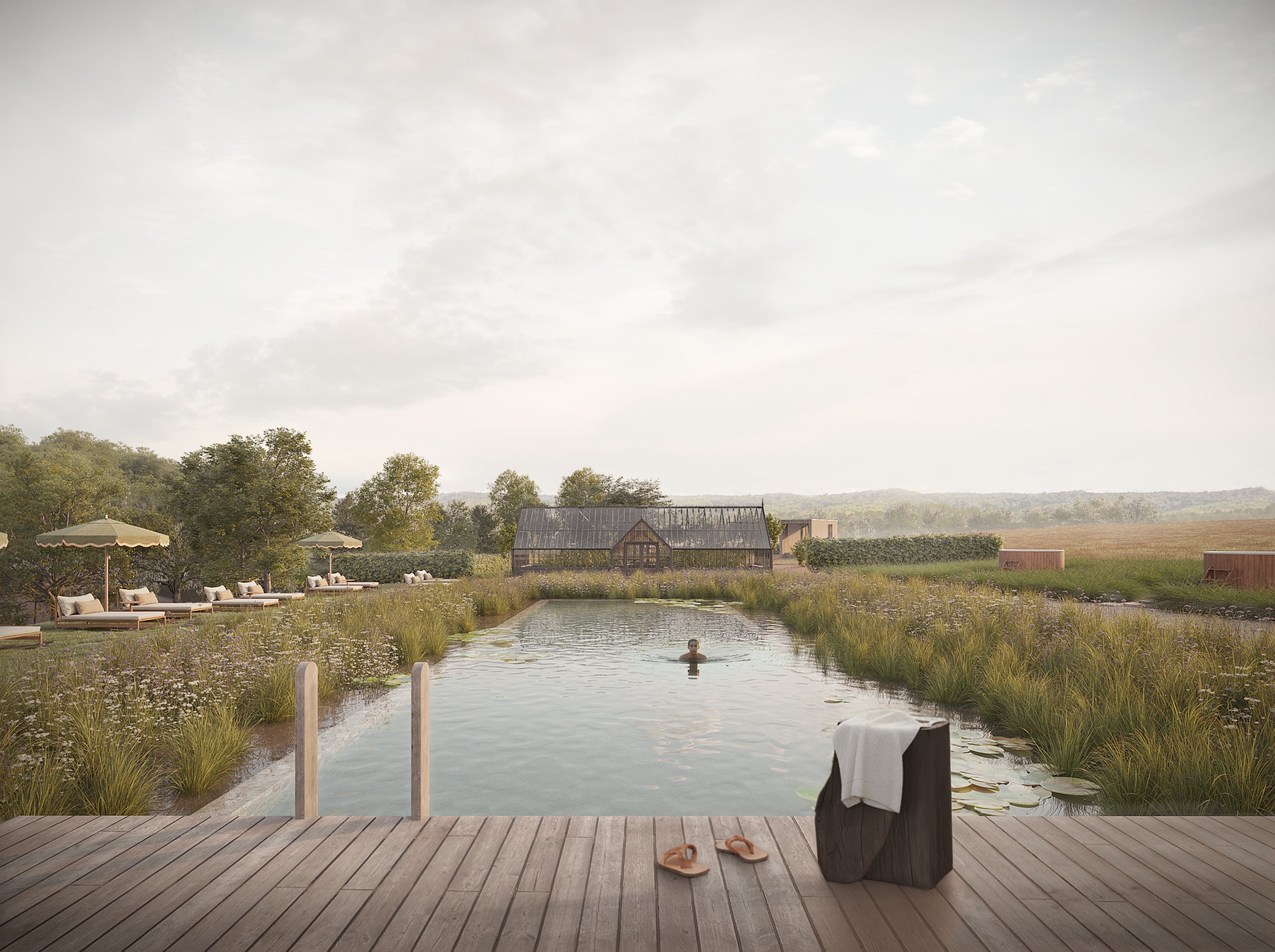
Alcohol-free Long Lane is a new wellness-focused members’ club and hotel in West Sussex, England.
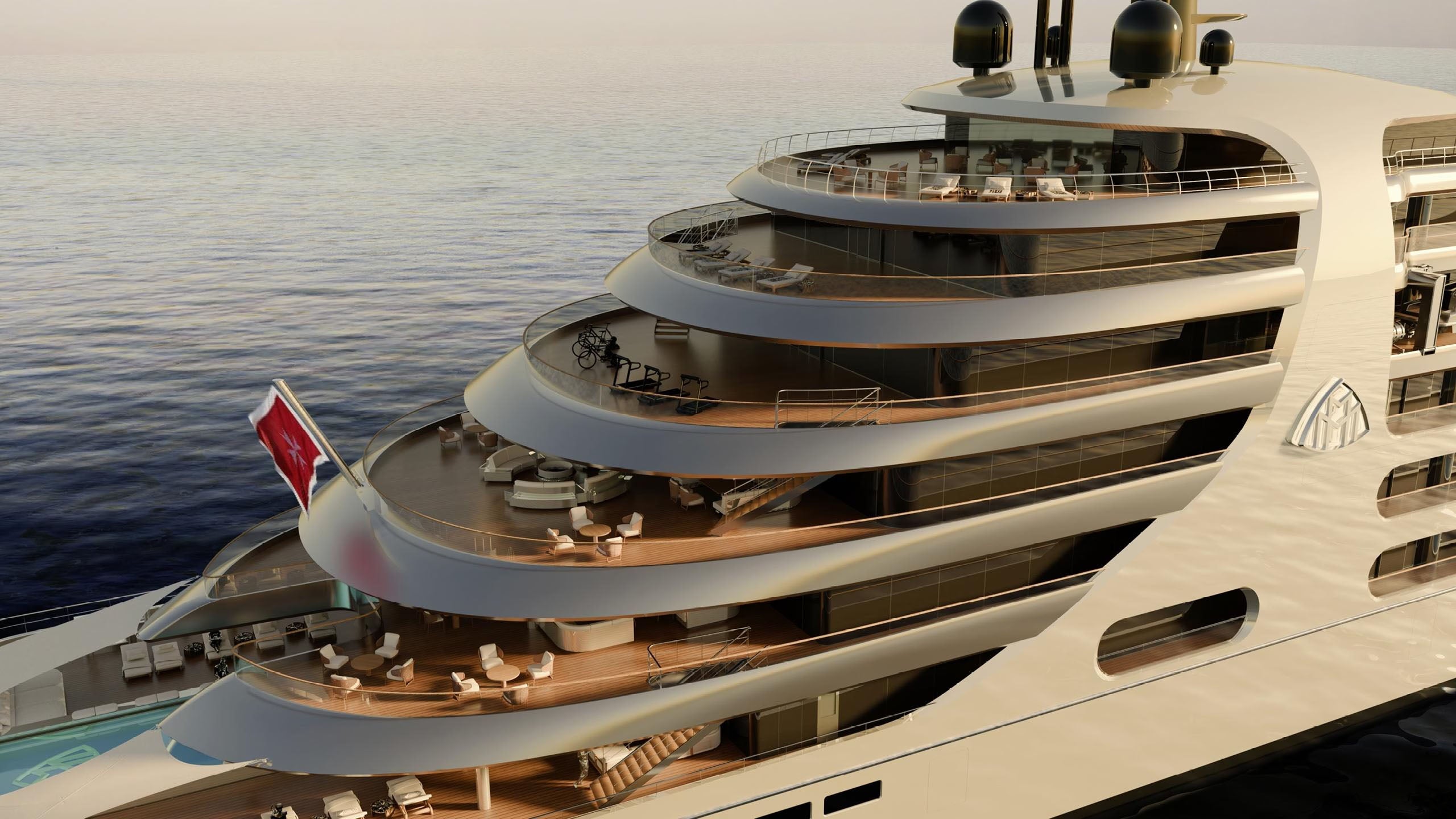
The Maybach Ocean Club invites members to enjoy the pleasures of yachting without the burdens of ownership.
Other integrations on those get-aways include destination-appropriate turndown gifts (think Lost Pattern cashmere scarves or Fuchs chocolates in Zermatt); some imaginative, if not always entirely appropriate, CSR elements (on a winter trip to England, the club contacted a UK charity that connects volunteers with isolated elderly people and arranged for Le Chéile members to write holiday cards to them); and access to a travel stylist who can provide packing tips and guidance on the perfect holiday wardrobe. For founder Molly McDermott, when it comes to building a sense of community, establishing a club centered on travel just makes sense: “I’ve always believed that travel experiences connect people on a deeper and more meaningful level than almost anything else. Feeling members’ energy and anticipation for what’s ahead [before a trip] is what makes it all so special.”
That same premise partially drives Maybach Ocean Club, which will offer its invitation-only members ‘the pleasures of yachting without the burdens of ownership’ as they enjoy access to a 30-suite, 508-ft superyacht developed in collaboration with Mercedes-Benz Design. Access costs more than $3m to buy-in and roughly $70,000 in annual fees for four weeks at sea per year.
There is also a growing number of private members’ communities predicated on the idea of acquiring a holiday home within a private estate, but there’s another significant factor to consider here. If an agreeable sense of community spirit doesn’t exist, extricating yourself from these agreements is a lot more complex than simply canceling your membership.
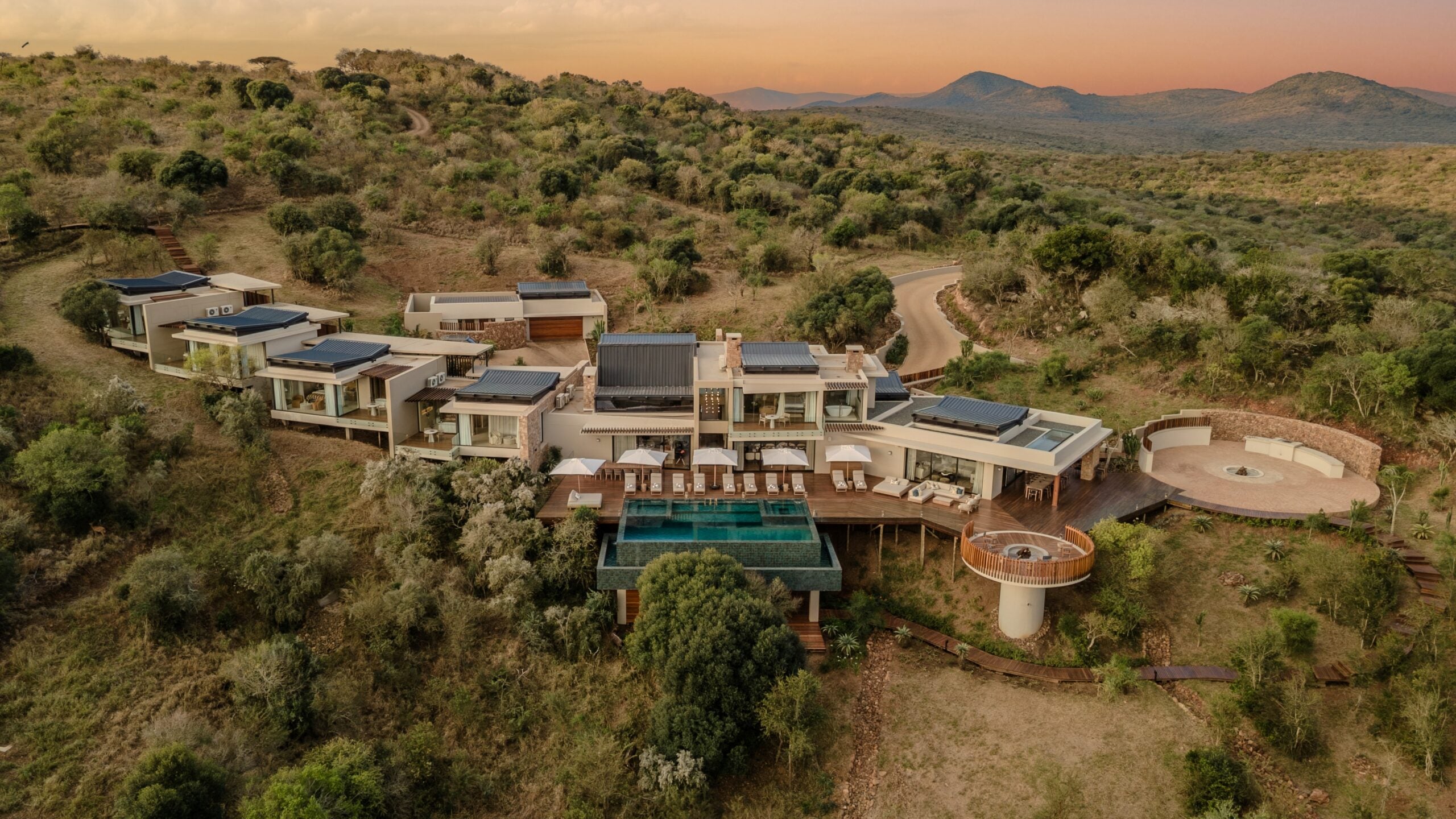
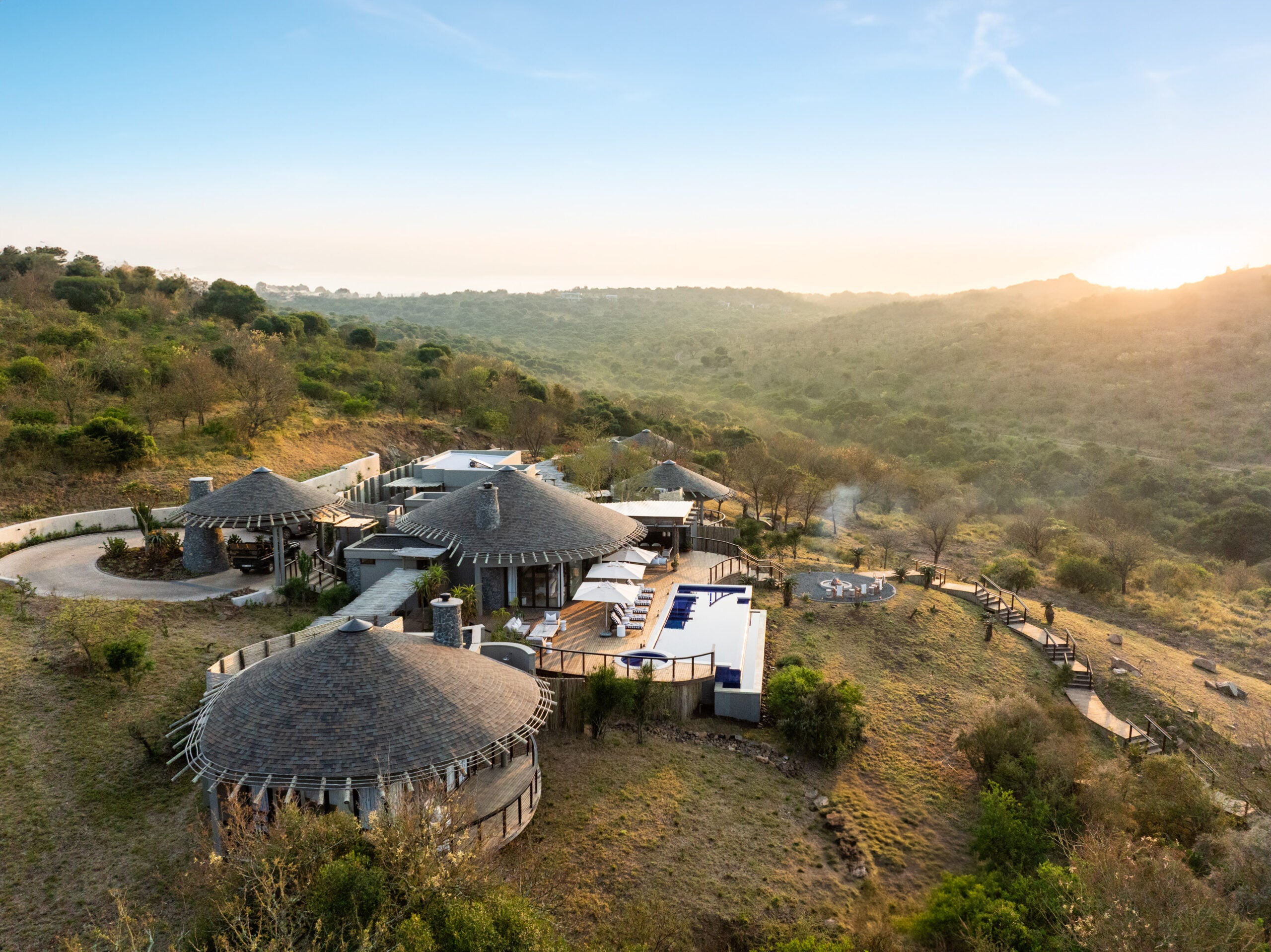
Whoever their neighbors are, residents at Utah’s new Marcella Club, with its 144 gated estate homesites, will at least be consistently distracted by an all-season leisure experience focused around Deer Valley skiing in winter and top-tier golf come summer. Expect the project, still under development, to be highly civilized, though when the same premise is teleported to a wilder environment it’s even more vital everyone can have complete trust in their chosen community. An estate of 44 Royal Residences within the 35,800-acre Thanda Safari Big Five reserve in South Africa, the by-invitation Royal Thanda Club will not only facilitate game drives and evening soirees in a clubhouse capacious enough to host balls and charity auctions, it will even be ready to save the day in an emergency. Among the ultraexclusive community’s many amenities are a fully equipped medical center and operating theater, plus a dedicated club-member helicopter so residents can zip in and out effortlessly.
As perks go, elephant sightings and an on-demand helicopter certainly beat the prospect of an overpriced martini while networking at another old members’ club in the city. So, what will your new community offer you?


