




For seasoned escapists, the Cayman Islands’ fusion of extraordinary wildlife, authentic culinary culture, and barefoot chic surpasses anything else encountered on their frequent escapes. Non-stop flights and new routes from major US hubs, such as New York, Dallas, Miami, and others, speak for its appeal.
Luxury accommodation here is typified by prestigious beachfront resorts offering carefully curated relaxation, with seamless service, impeccable facilities, spas, golf courses, and fine dining around the clock (Grand Cayman alone has more than 300 restaurants). Alternatives include intimate boutique hotels and secluded waterside vacation homes with state-of-the-art facilities and concierge services.
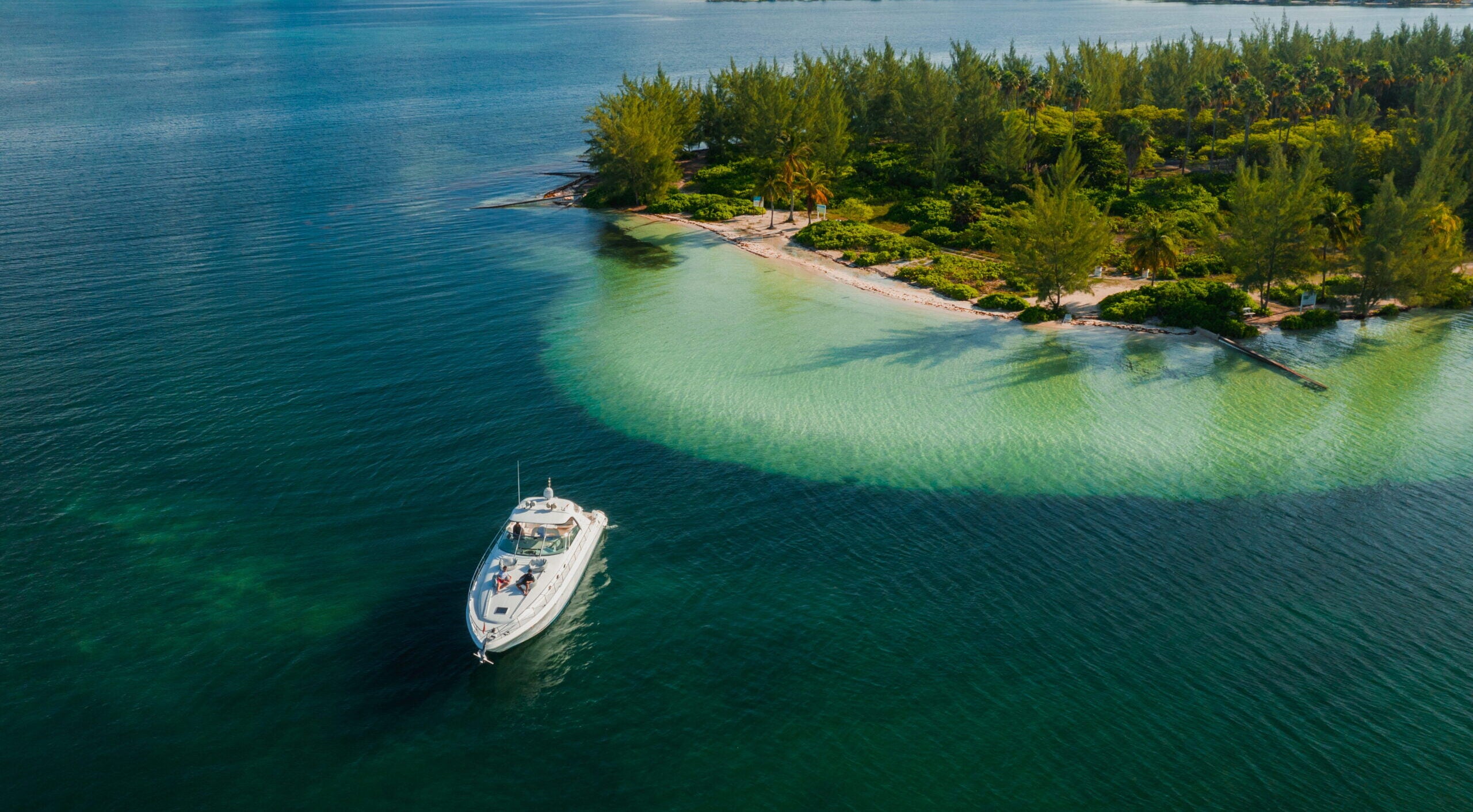
This trio of islands comprises Grand Cayman, Cayman Brac and Little Cayman, each of which boasts its own version of untrammeled luxury.
See also: The World’s Most Beautiful Hotel Pools to Dive Into
Grand Cayman
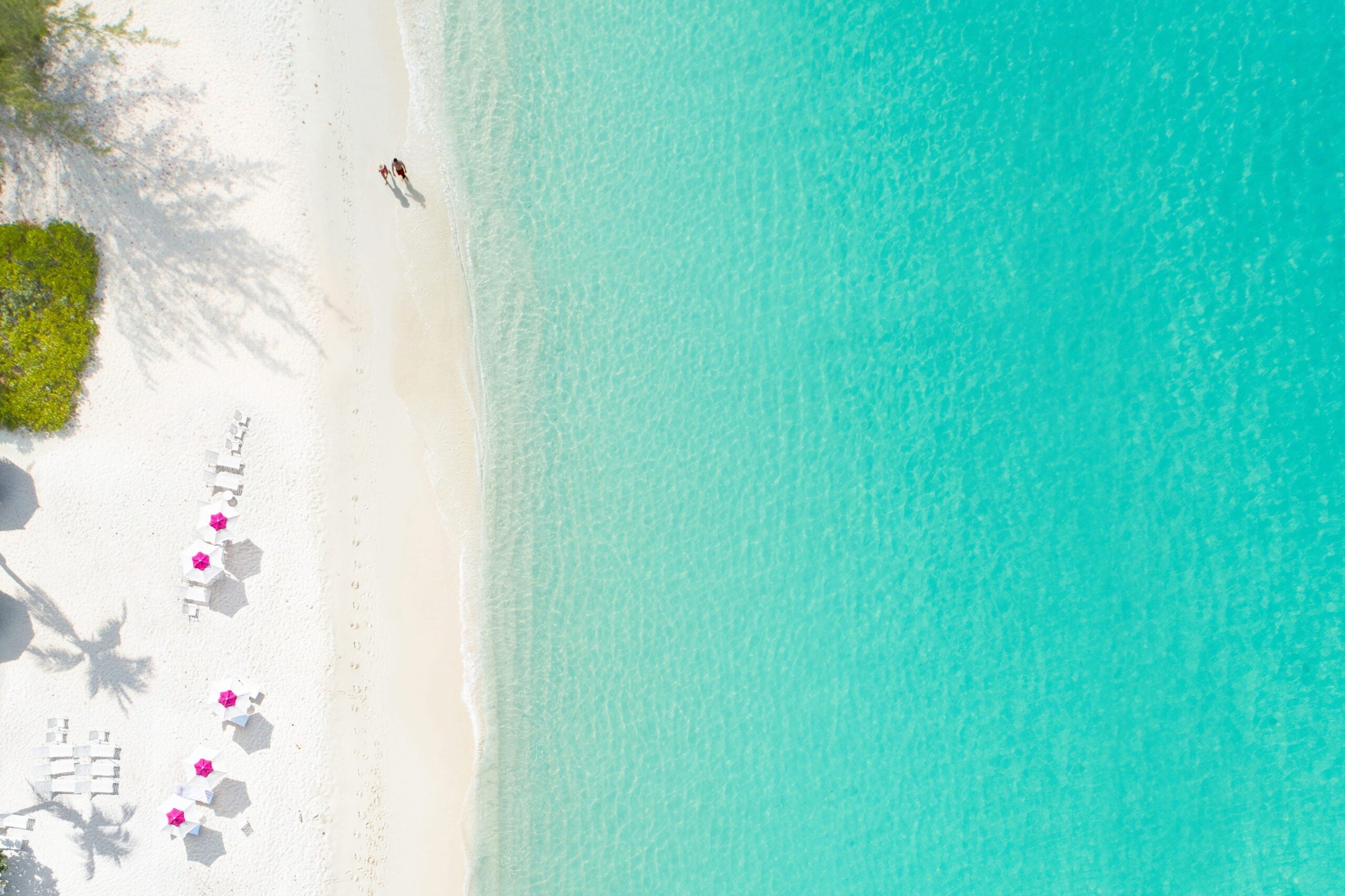
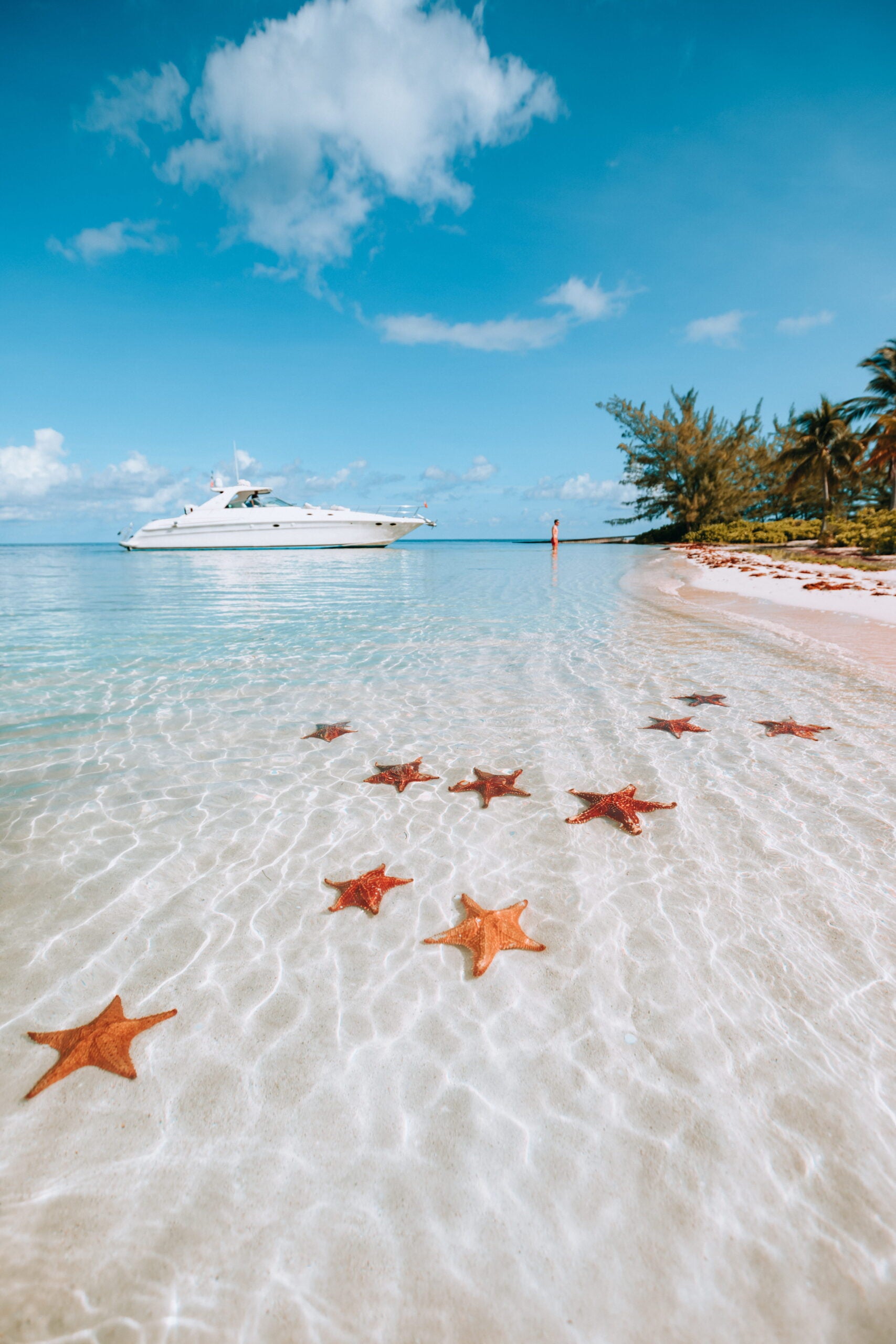
Calm turquoise waters lap the pearl-white sands of Seven Mile Beach, famous for the quality of its activities in and on the water. The Cayman Islands is widely celebrated as the Culinary Capital of the Caribbean, where world-class chefs, fresh ingredients, and vibrant island flavours come together to create an unforgettable dining scene.
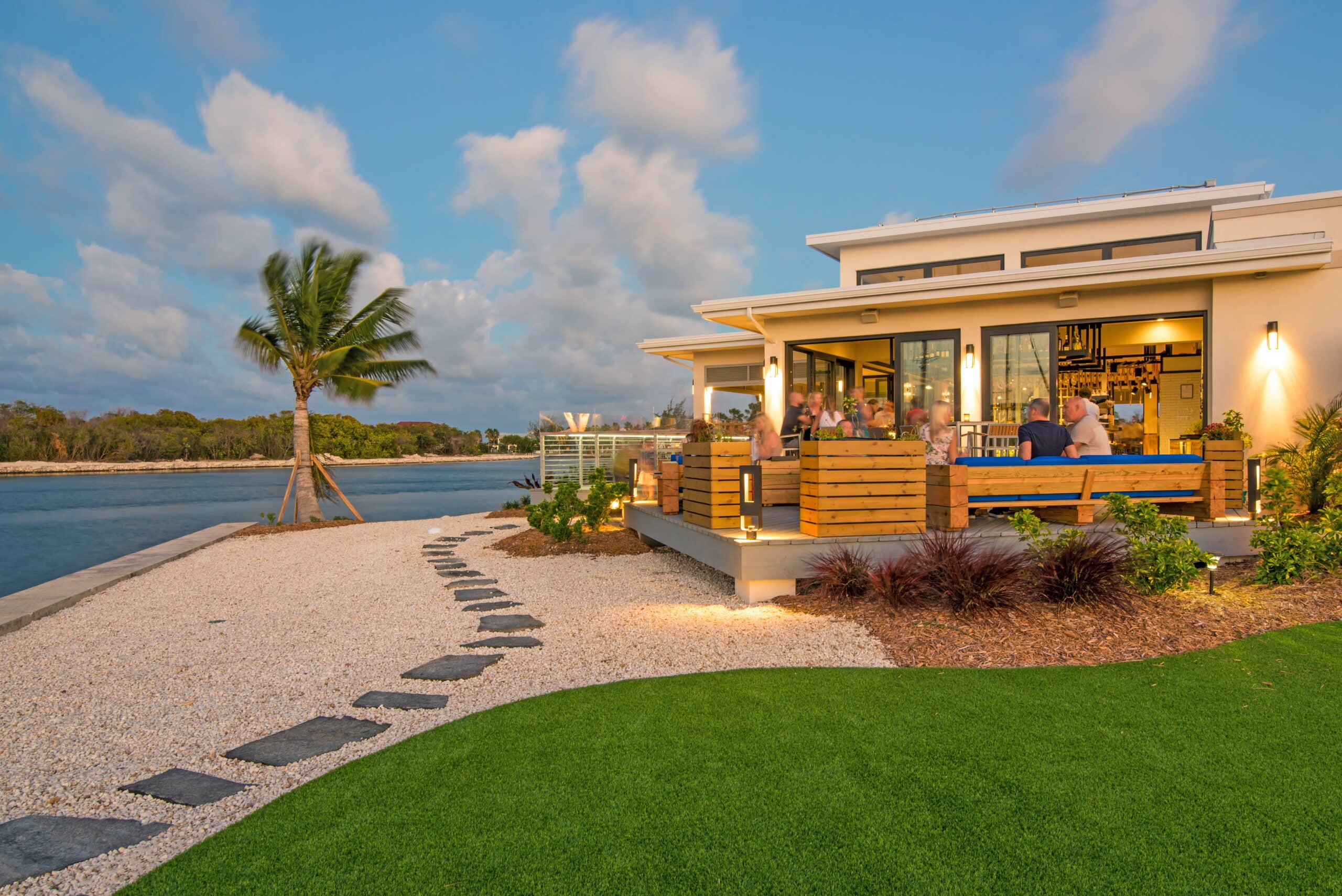
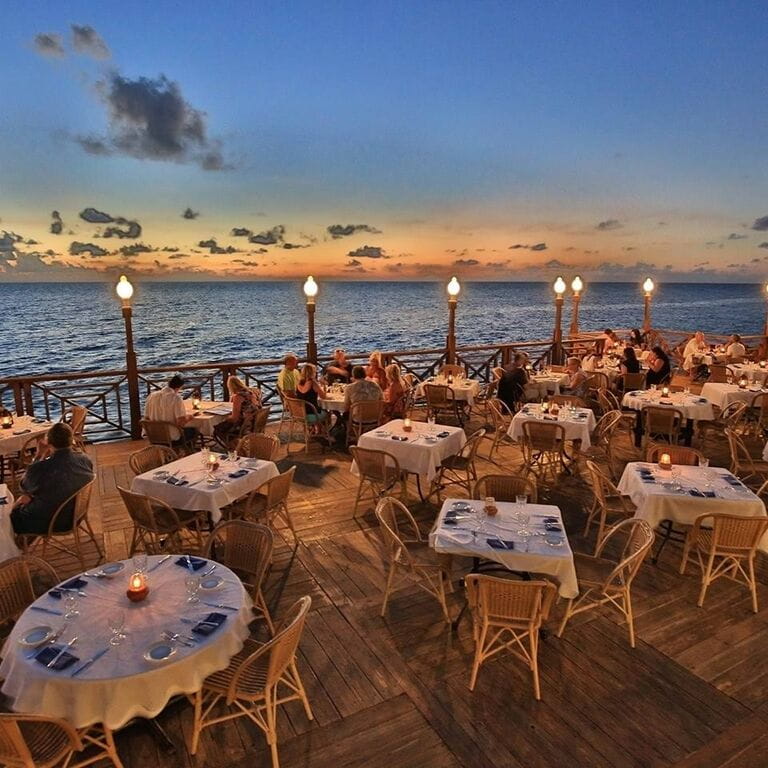
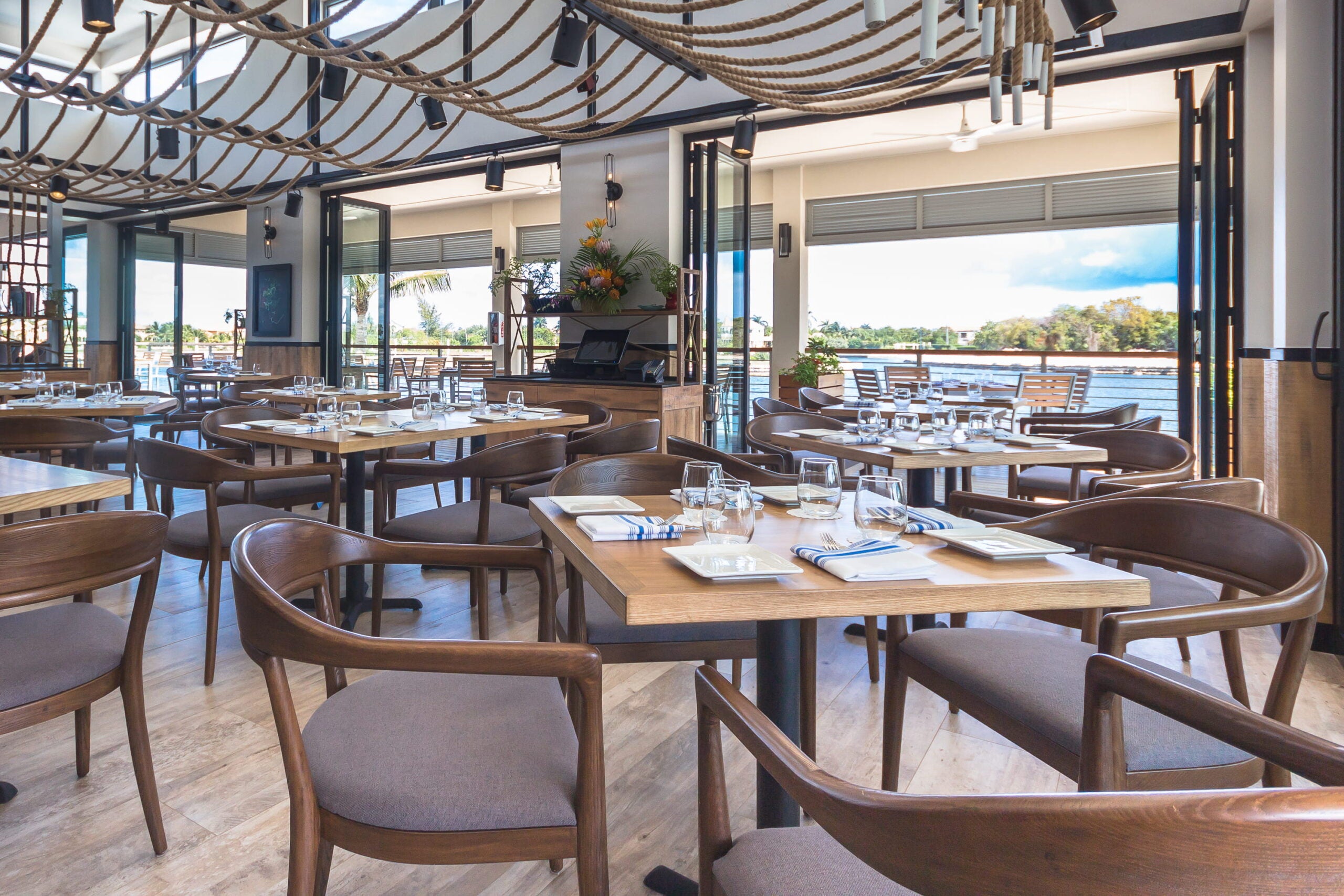
At the premium resorts, hotels, and restaurants that line Seven Mile beach, guests indulge in menus created by Michelin-starred chefs, including Eric Ripert at the AAA five-star-rated Blue, but the enclave’s gastronomic experiences extend further, and include luxury pop-up dining, fish shacks, farm-to-table feasts and roadside jerk stands.
See also: Superyacht Launches to Have on Your Radar for 2026
The island’s food-truck scene serves broad tastes, ranging from vegetarian Nepali food to Detroit-style pizzas with a Caribbean twist (jerk chicken and Cayman-style beef are two favorite toppings locally).
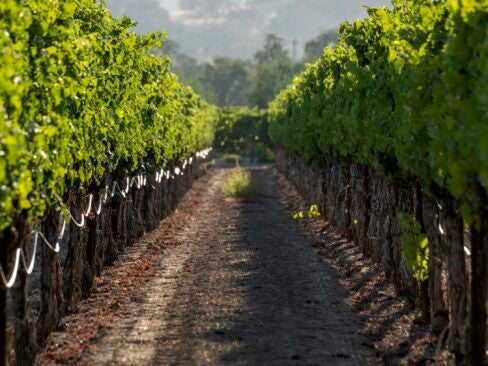
Foodies will relish the Cayman-grown fare in Hamlin Stephen’s Farmer’s Market at George Town’s Cricket Grounds, where vendors offer native fruits and vegetables. Papaya, coconut, and starfruit can be found in fresh juices and smoothies; Cayman sweet peppers are used to make a sweet, spicy jelly served with meats, cheeses, and other savory dishes. Don’t leave without trying cassava cake, a sticky, sweetly spiced festive treat and the national dessert of the Cayman Islands.
Cayman Brac
When it’s time to pause on the eating, take the 40-minute flight from Grand Cayman to its smaller Sister Island, where hiking and rock climbing enable expeditions lead to stunning clifftop views.
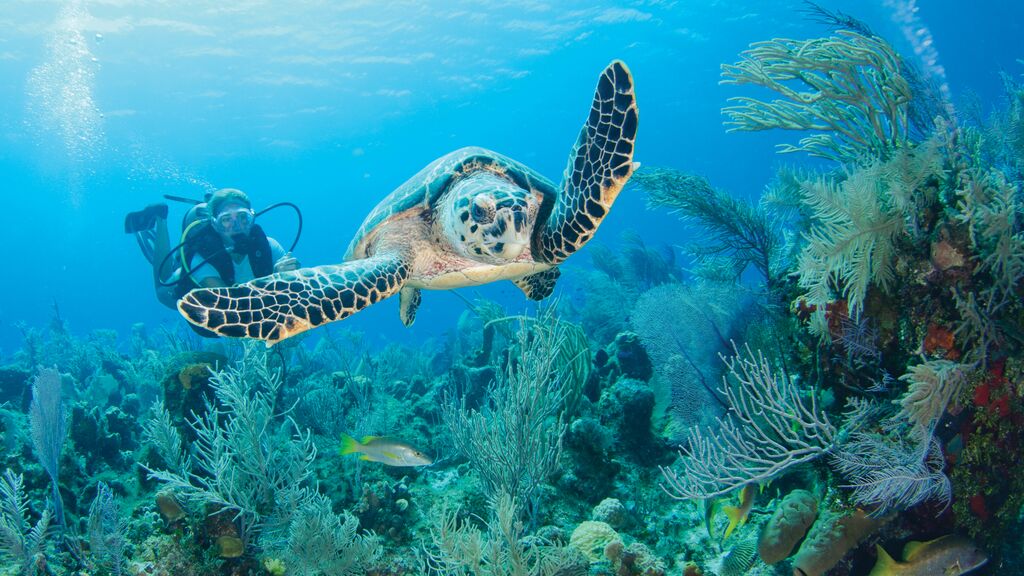
The Cayman Brac Museum (brac means ‘bluff’ or ‘ridge’ in Gaelic) recounts local shipwrecks, including the MV Captain Keith Tibbetts, a 330-ft frigate sunk off Cayman Brac, which today provides a thrilling underwater adventure for experienced divers.
Its biodiversity means wildlife enthusiasts can meet the endangered Cayman Brac parrots at the Parrot Reserve and watch other exotic bird species from high on the bluff. Cayman Brac Racer snakes and rock iguanas might also be spotted in the wild, while endangered loggerhead and green turtles nest on the beaches in season.
Little Cayman
For off-grid Caribbean tranquility, head to Little Cayman, the smallest and least developed of the isles, surrounded by waters so pristine that divers can enjoy 100-ft visibility while looking at coral, octopus, barracuda, giant sponges and other exotic marine life.
There’s no shortage of breathtaking experiences here: Bloody Bay Wall is a submerged mountain range, with a 6,500-ft vertical drop to the seabed. Those who prefer to stay above water can kayak to the uninhabited Owen Island, visit Booby Pond nature reserve with its viewing deck for bird watchers, and explore Blossom Village’s pretty nature trails on foot.
At the end of each day, watching the sunset from a simple beachside bar is the last word in Cayman Islands luxury.