


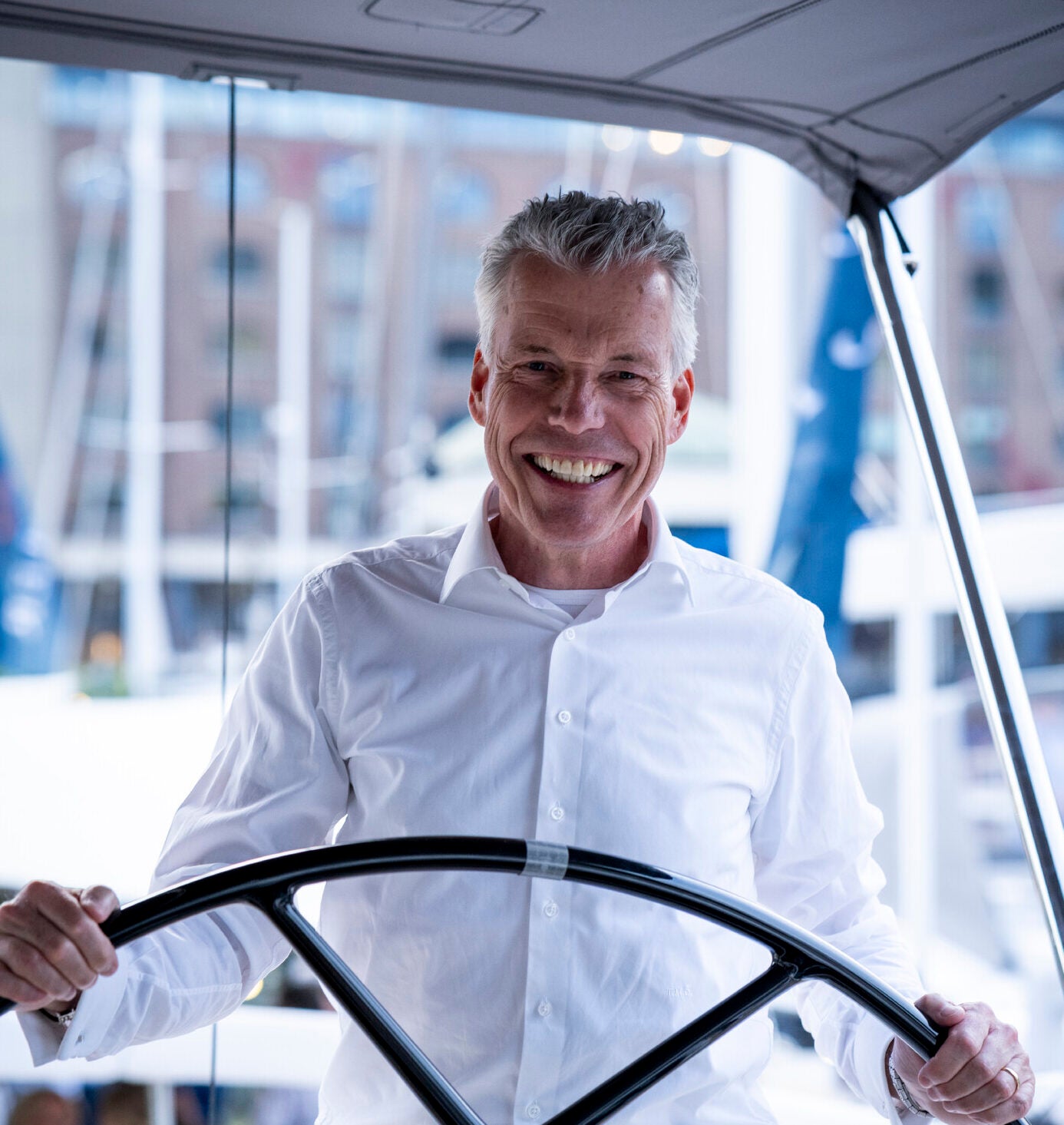
Torsten Müller-Ötvös has spent a career defining what modern luxury looks like – first on four wheels, now on open water.
After more than a decade at the helm of Rolls-Royce Motor Cars, where he helped steer the marque into a new era of younger, experience-driven clients, his move to Oyster Yachts raised more than a few eyebrows across the industry.
But for Müller-Ötvös, when he received the invitation from owner Richard Hadida to join Oyster as a strategic adviser last summer, the decision required little hesitation. “I didn’t need to think twice about it,” he tells Elite Traveler. And while the medium may have shifted from motor cars to bluewater sailing yachts, the underlying philosophy is familiar to him. “It’s a great brand, and they’re very similar in terms of values: craftsmanship, small series, dedication, excellent engineering, and that hunger for excellence.”
Yet, as he explains to me at Oyster’s London Private View 2026, where the brand also revealed its new 50-ft yacht concept, there is one crucial distinction. “Oyster is where Rolls-Royce was maybe 12 years ago. And I don’t mean that in any way negatively – it simply means a bigger journey is starting now.”
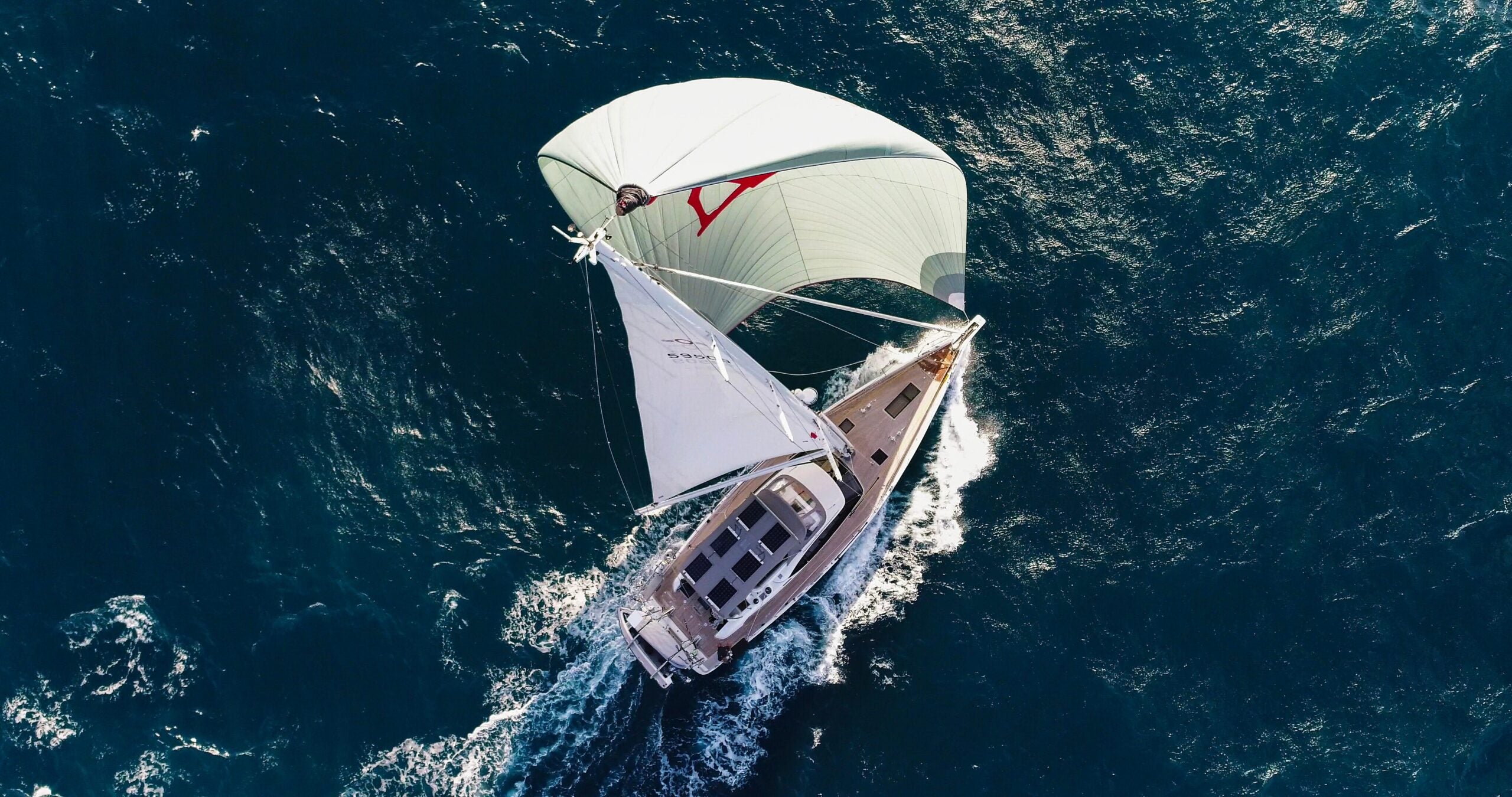
Müller-Ötvös is not embarking on that journey alone. He is joined by the recently appointed CEO, Stefan Zimmermann Zschocke, along with Hadida taking up the role of chairman. And when I ask what expertise he brings from his years at Rolls-Royce, he is quick to humbly defer to the technical knowledge already in place. “Nobody knows better than Stefan how to build these masterpieces. I would not be able to tell him how to do it more efficiently. He knows exactly what to do.”
See also: The World’s Largest Sailing Yacht Has Launched – See It in Pictures
Instead, Müller-Ötvös sees his contribution within the client world that he knows intimately. “Where I can bring quite a lot of knowledge and input is in understanding ultra-high-net-worth individuals: what they like, what they dislike, and how we can better convince them. That’s where I step in.”
Listening to clients, he suggests, is the principle that has shaped some of the brand’s most decisive moves. “You need to be eye-opened and see new opportunities and chances. For instance, at Rolls-Royce, we listened carefully before we brought the SUV, the Cullinan, into the market. That was quite a daring move at the time, and was even heavily criticized. But now it’s 50 percent of the entire volume. Imagine where Rolls-Royce would be without an SUV.”
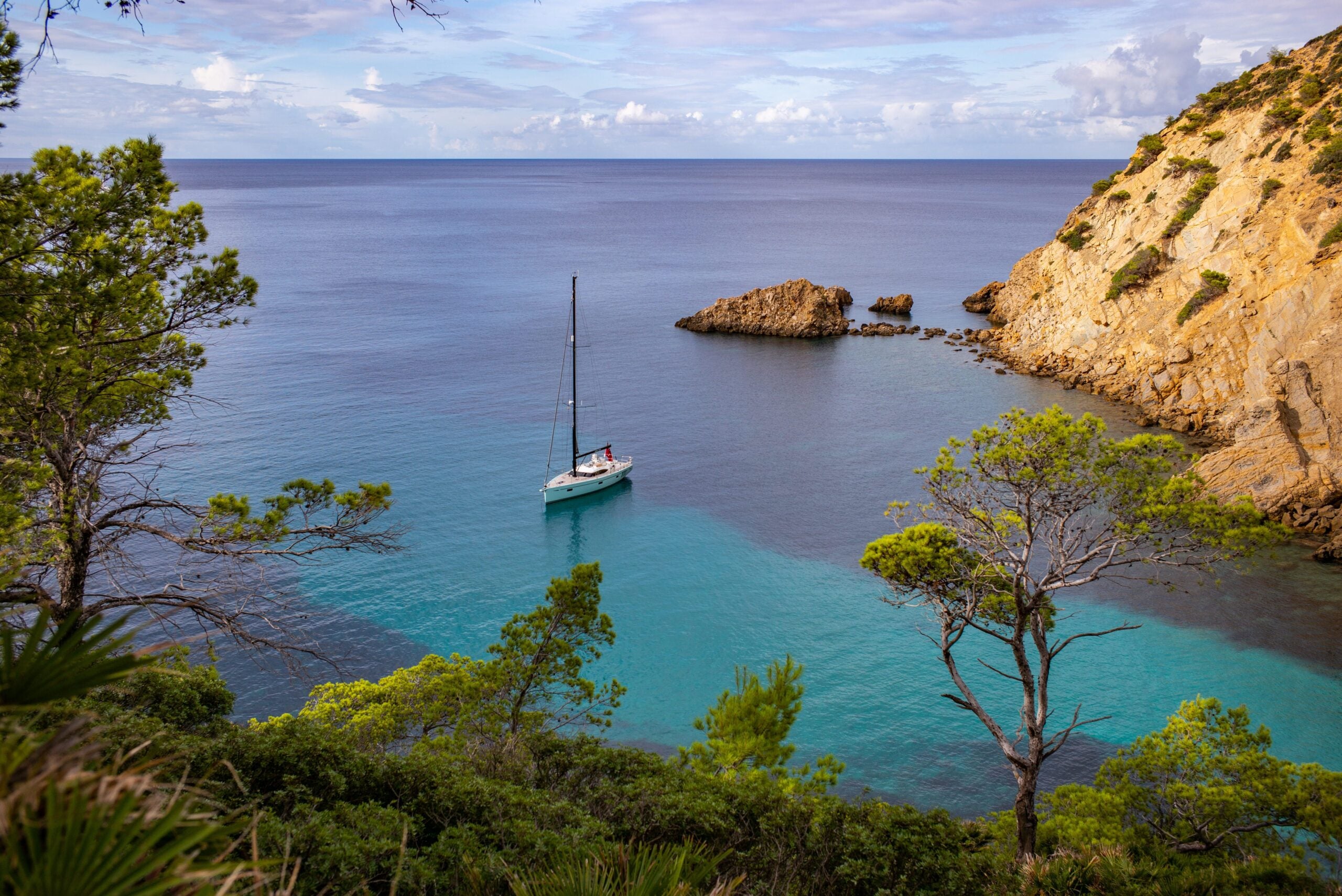
British heritage is another thread that runs through Oyster, one Müller-Ötvös is quick to underline, particularly given his years spent at the helm of one of Britain’s most storied marques. For him, the appeal lies not just in provenance, but in a level of craftsmanship he believes is “second to none”, and something that continued to surprise him even after more than a decade in the UK.
“You probably don’t cherish that enough here,” he reflects, drawing a comparison with his native Germany. “It’s a fundamental difference. To see people working meticulously on certain parts for hours, refining them and bringing them into perfection – it’s something quite special, and it’s exactly what clients respond to.”
See also: An Expert Guide to Yacht Shows Around the World
But as Müller-Ötvös explains it, if the product is the “canvas”, it is the experience surrounding it that increasingly defines its value. While the language of luxury may have shifted in recent years away from overt displays of wealth, the underlying motivations have not disappeared entirely. “Many people say they are no longer into opulence. I think that’s only half the truth,” he says. “Bragging is still very important for human beings – but it’s done in a far more subtle way today.”
Ownership, in this sense, becomes less about possession and more about participation. Rather than signaling status through price alone, value is expressed through experience and capability. “You don’t own something just for the credentials of the brand,” he explains. “You own it because of what you can do with it.”
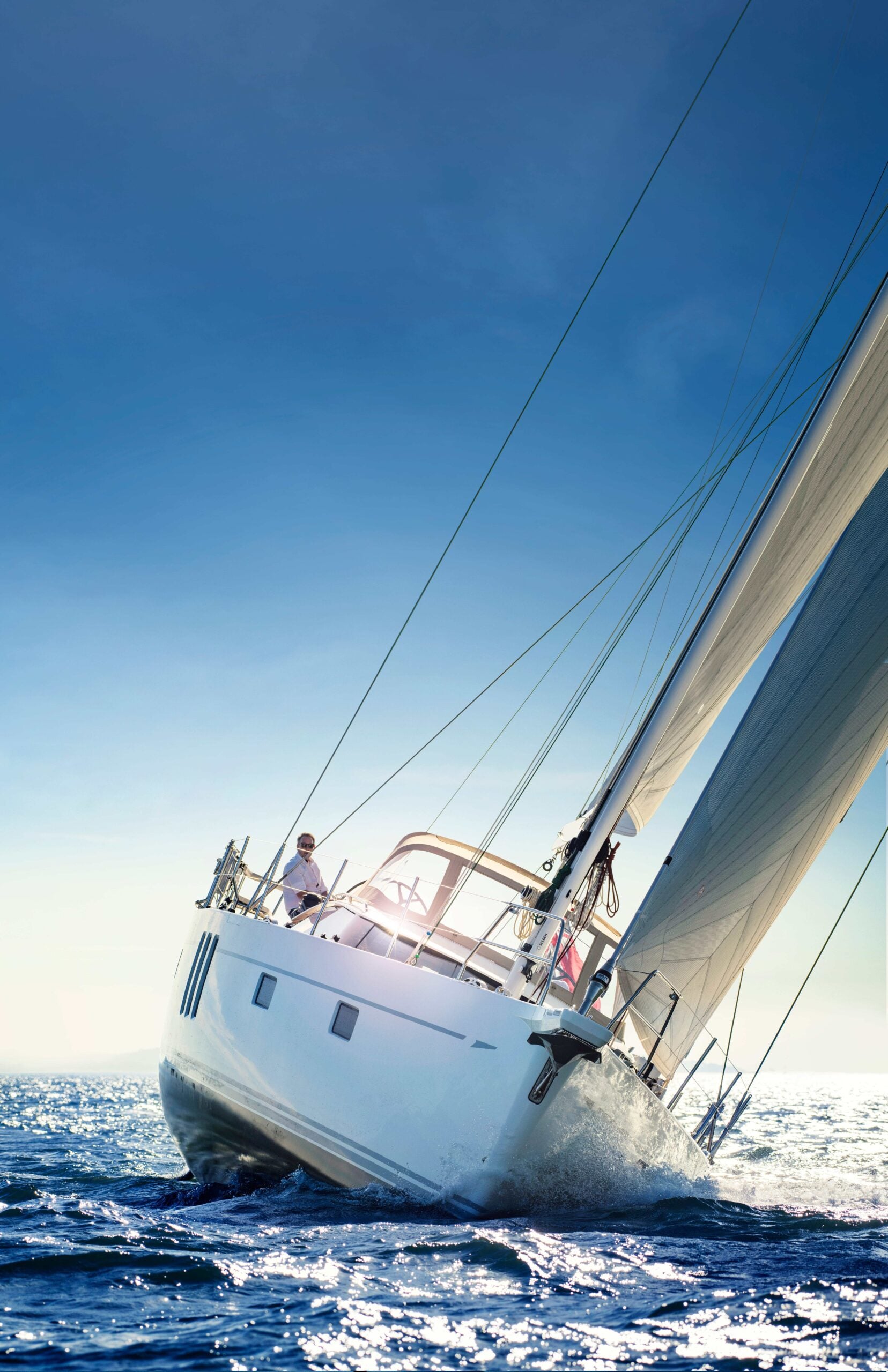
It is this shift from object to experience that he sees as defining not only the future of yachting, but of luxury more broadly. “It’s not about telling people how expensive it was. It’s about what it is capable of doing – circumnavigating the world, for example. That speaks a completely different language about value.”
It’s a philosophy that Oyster has been refining for years, from the Oyster World Rally to the Oyster Explorers Club, building a client experience that extends far beyond the yacht itself. It also opens the door to a new kind of client, including those with little prior sailing experience but a clear appetite for something more meaningful.
“It’s not about whether I own an Oyster,” he concludes. “It’s about being able to say that, on that platform, I circumnavigated the world – and had experiences others simply haven’t had.”