



For decades, golf has been where business gets done. CEOs have found investors between fairways, founders have met private equity backers on the back nine, and multimillion-dollar deals have been sealed at the clubhouse. Today, however, another court is attracting an equally influential clientele.
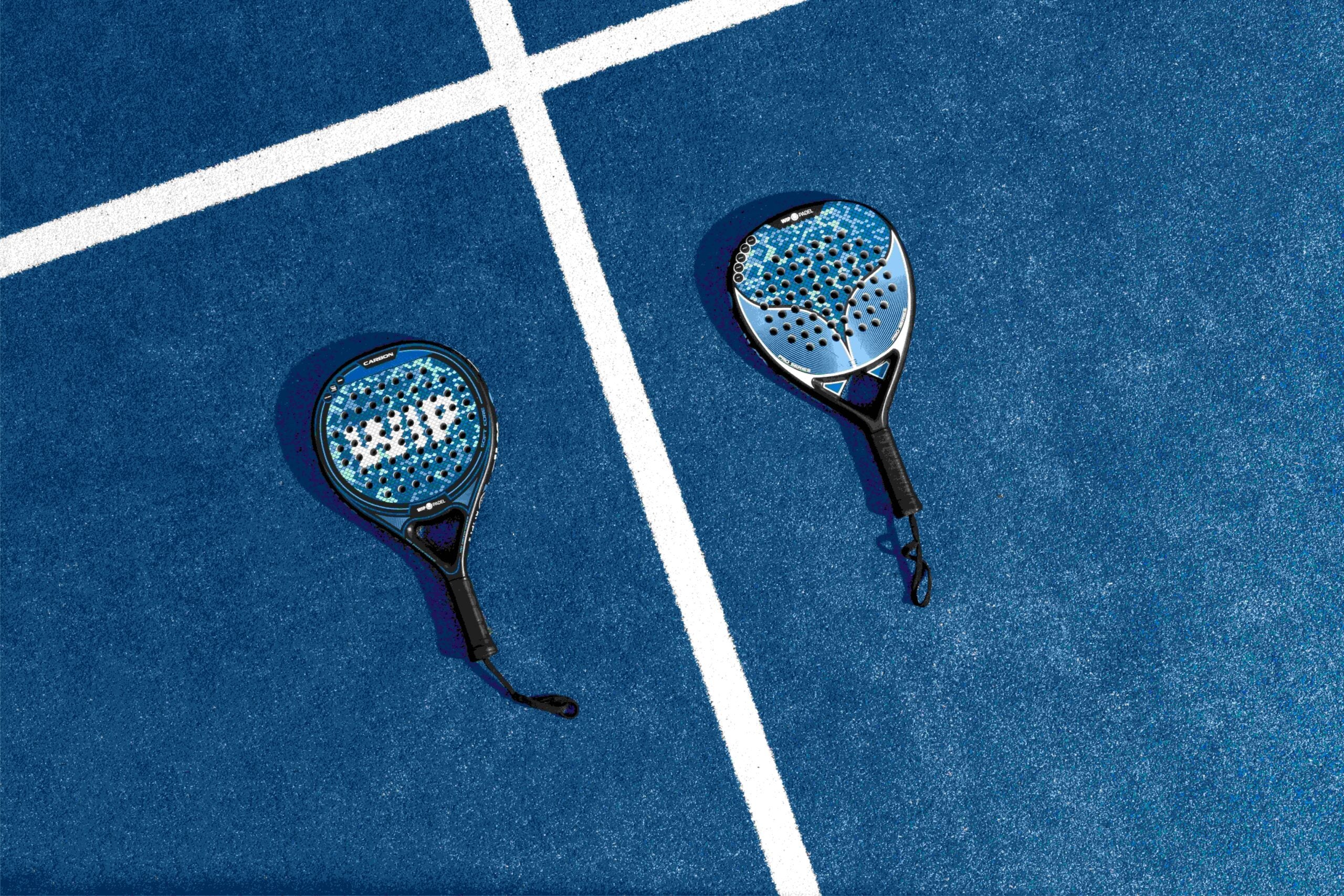
Padel – the fast-growing racket sport that blends tennis and squash – is turning up everywhere from branded residences and private members’ clubs to five-star resorts. And as its popularity surges, it’s becoming more than just a leisure pursuit. According to the International Padel Federation (FIP), more than 30 million people now play padel across over 140 countries, with more than 70,000 courts worldwide. The US – still in the early stages of adoption compared with Spain and Latin America – is widely regarded as the industry’s next major growth market. Deloitte estimates the global padel economy could exceed €6 billion (approx. $6.85bn) annually within the next few years as court construction accelerates and hospitality brands continue investing in the sport.
See also: The Best Padel, Tennis, and Pickleball Accessories to Buy This Summer
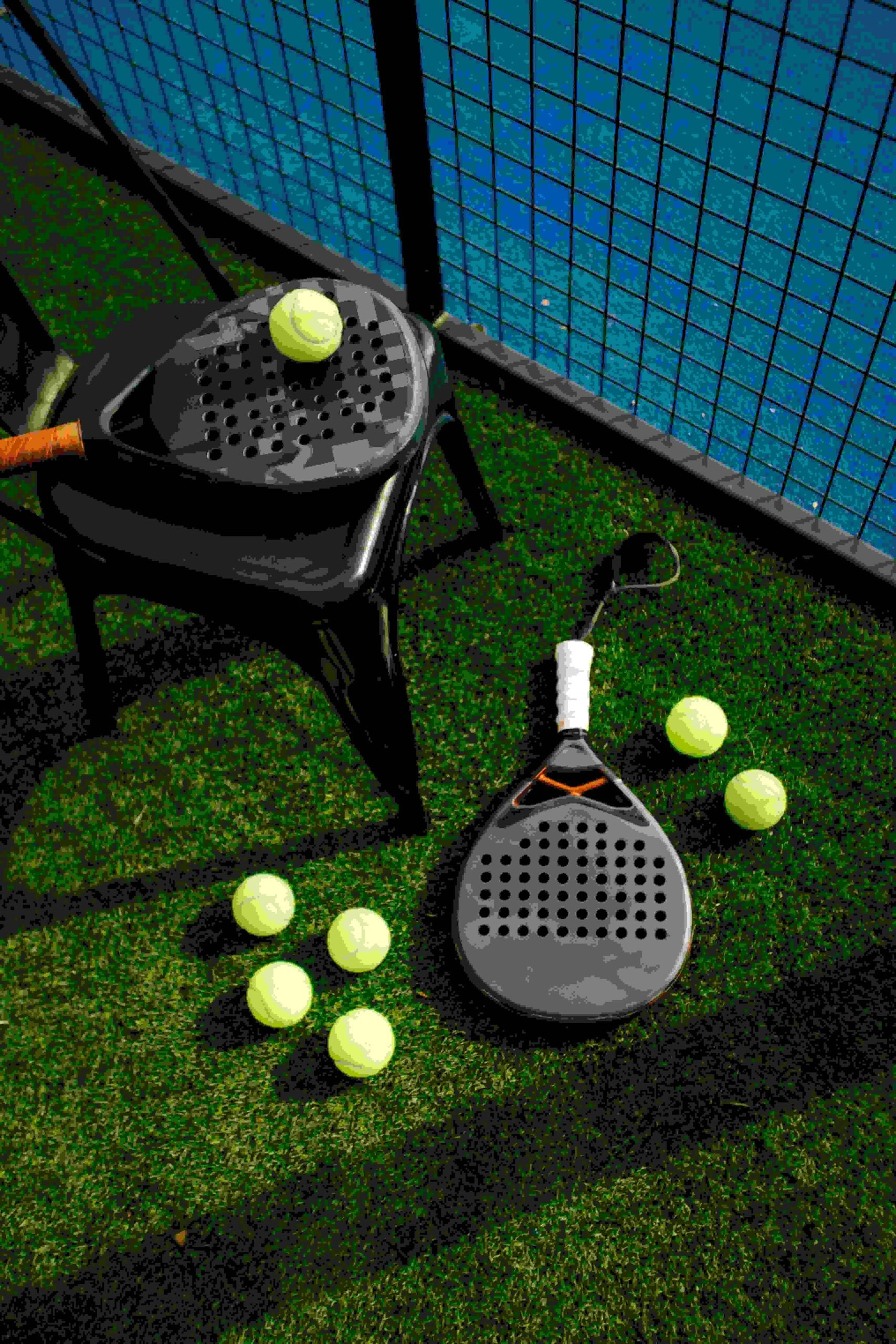
Few people have had a closer view of that evolution than Diego Ramos.
Ramos teaches at Albany, the ultra-private Bahamian community co-founded by Joe Lewis, founder of the Tavistock Group, and backed by Tiger Woods, Ernie Els, and Justin Timberlake. He’s also general manager and an equity partner of the reigning Professional Padel League champions, the New York Atlantics.
A decade ago, he says, padel wasn’t exactly fashionable. Today, he says it’s routine to see “global leaders, athletes, and Hollywood stars” sharing the same court. Private clubs across Europe and luxury resorts throughout the Caribbean are racing to install courts, drawn in part by the sport’s accessibility. “Tennis is difficult [to play] if you are a beginner … but everyone can have fun from the very first moment [of playing padel].”
That ease of entry has made it a natural fit for hospitality. “People want to belong. They want to go to clubs and be seen there. That’s why hospitality brands and luxury brands are now much more involved in padel,” he claims.
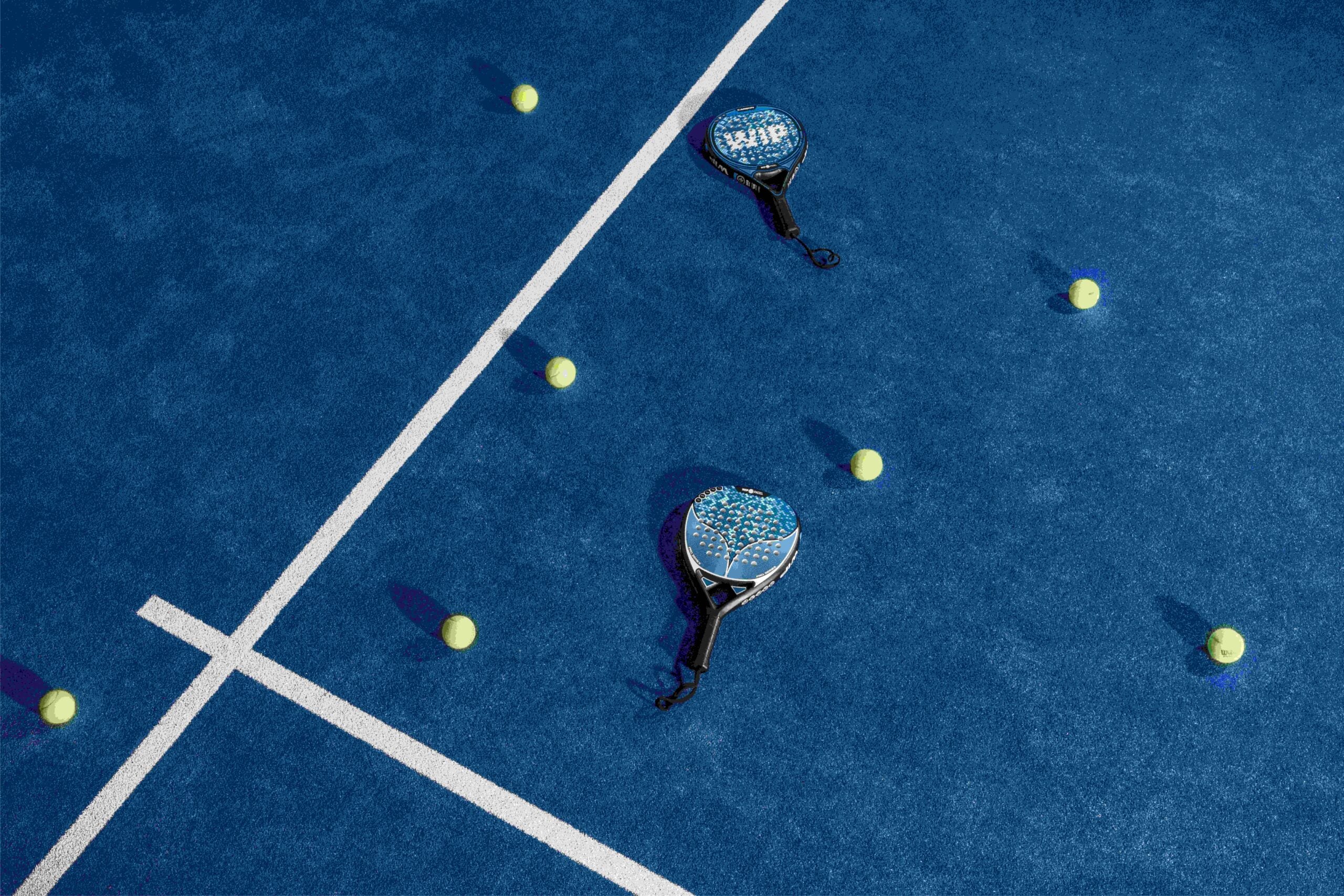
The economics are compelling, too. A single tennis court can typically be converted into three padel equivalents, increasing capacity while generating significantly more revenue. And unlike many resort tennis courts that often sit empty, Ramos says padel courts rarely stay vacant nowadays. Travelers are increasingly choosing destinations based on their padel facilities, too, much like golfers have been selecting resorts by the quality of their courses. “You can even find travel agencies offering padel training holidays,” Ramos adds.
But perhaps the most intriguing shift is cultural rather than commercial. As golf once became shorthand for corporate networking, Ramos believes padel is carving out a similar role for a new generation of executives and entrepreneurs. “I’ve introduced businesspeople who didn’t know each other on the court,” he says. “It happens very often.”

For ultra-high-net-worth individuals, the appeal is also practical. “We play a match in 90 minutes. Time is incredibly valuable for these people. In those 90 minutes they can network, do business, have fun, and work out.”
Ramos believes the sport’s next defining chapter will be written in America. “The US has the potential to take padel to the next level because they understand how to sell an experience,” he says. “You want a great facility. You want a good meal afterwards. Maybe there’s a spa, shops, other things to do. The US is raising the bar.”