



Headwinds. If you wanted to summarize the Scotch industry’s year in one word, that would be it. Like most luxury sectors, it’s faced falling revenue and slowing demand brought on by weak consumer confidence.
Single malt sales have dropped 40 percent from their 2022 peak, when a post-pandemic surge led to unprecedented levels of interest. Industry figures are quick to cite external economic pressures for the slump, but they’re far from blameless for the mess they find themselves in.
The Covid-driven boom came at the end of a decade of steady growth and amplified already unrealistic expectations. Whisky is notoriously difficult to forecast, and many producers were caught out by the sudden spike in demand. Secondary market prices subsequently soared, and several major brands tried to capitalize by ramping up production and raising prices to match auction values. Both moves have proved costly.
Spirit must mature in oak for at least three years before it can legally be called Scotch, meaning the liquid laid down in good times is now flooding into a saturated market. As auction prices regress to the mean — down 48 percent year-over-year — some bottles are stuck at price points that no longer make sense. Yet reluctance to discount runs deep.
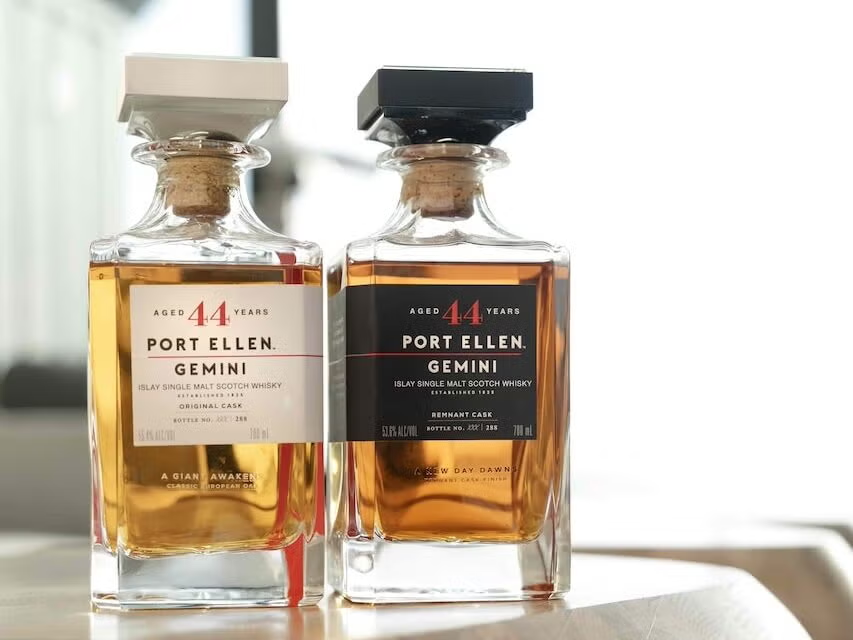
The effect at the top of the market has been brutal. Releases once presented as works of art are now trading at auction for tens of thousands of dollars below release price. Bowmore Arc-52, a 52-year-old Scotch launched in 2022 at $75,000, recently sold for $35,000. Port Ellen Gemini, released at $57,000, fetched $25,000. The whiskies themselves are exceptional; the problem is that distillers stretched both price and volume beyond the limits of demand.
As Sotheby’s global head of whisky, Jonny Fowle, puts it: “There are too many high-value releases coming out. That includes both frequency and number of units. There are numerous occasions where pricing has outstretched its realistic capabilities. If you’re selling something for over $50,000, more than 100 bottles is a lot for the market to absorb. Auctions have shown how few people operate at the high end of this industry.”
Although Bowmore sold all 100 bottles of Arc-52, its successor, Arc-54, has not fared well, and plans for an Arc-56 have been shelved. Gemini, which was released in 274 two-bottle sets, remains available at its initial price. The flippers, with fingers burnt, have exited the market. Those who remain — long-term collectors and drinkers — have regained control. Many feel their loyalty has been exploited and are now looking for alternatives.

Avin Patel, a prominent collector who counts The Macallan Reach 81 Year Old among his holdings, puts it simply: “The smaller distilleries are in a great position because drinkers are ready to move away from big brands that overprice their liquid. Just because I can afford to spend my money doesn’t mean I’m going to overpay. I’d rather drink better whisky that’s better priced. There are great distilleries like GlenAllachie, Arran and Bunnahabhain selling good age statements for much less.”
The response from the major players has been slow, but the tide is turning. Port Ellen’s recent 200th anniversary release, a 42-year-old, is both cheaper ($10,000) and rarer (150 bottles) than recent predecessors. Diageo’s global private client director, Tod Bradbury, wouldn’t be drawn on pricing strategy, saying only: “It’s always a pleasure to share new Port Ellen releases with our private clients, and each one captures their interest. This release is no different.”
But it is different. Two years ago, Diageo released 413 bottles of a 43-year-old Port Ellen at $18,500 each, and some still sit unsold. Patel believes the 200th anniversary bottling reflects feedback from those same clients. “Diageo has clearly listened to drinkers,” he says. “It’s exceptionally well priced, fewer than 200 bottles, with no extravagant packaging. It’s just a simple bottle that can sit proudly on any bar.”
The distinction between expensive and valuable has become the defining line in the fine and rare market, and Diageo is not the only company catching on. Casper MacRae, CEO of The Glenmorangie Company, tells me: “There is a high degree of caution amongst buyers. If you set an ambitious price point, you need to be able to justify it in a very clear way. What is it about the whisky that makes it unique? That is something high-net-worth consumers are still willing to pay for, but they are discerning in identifying those products.”
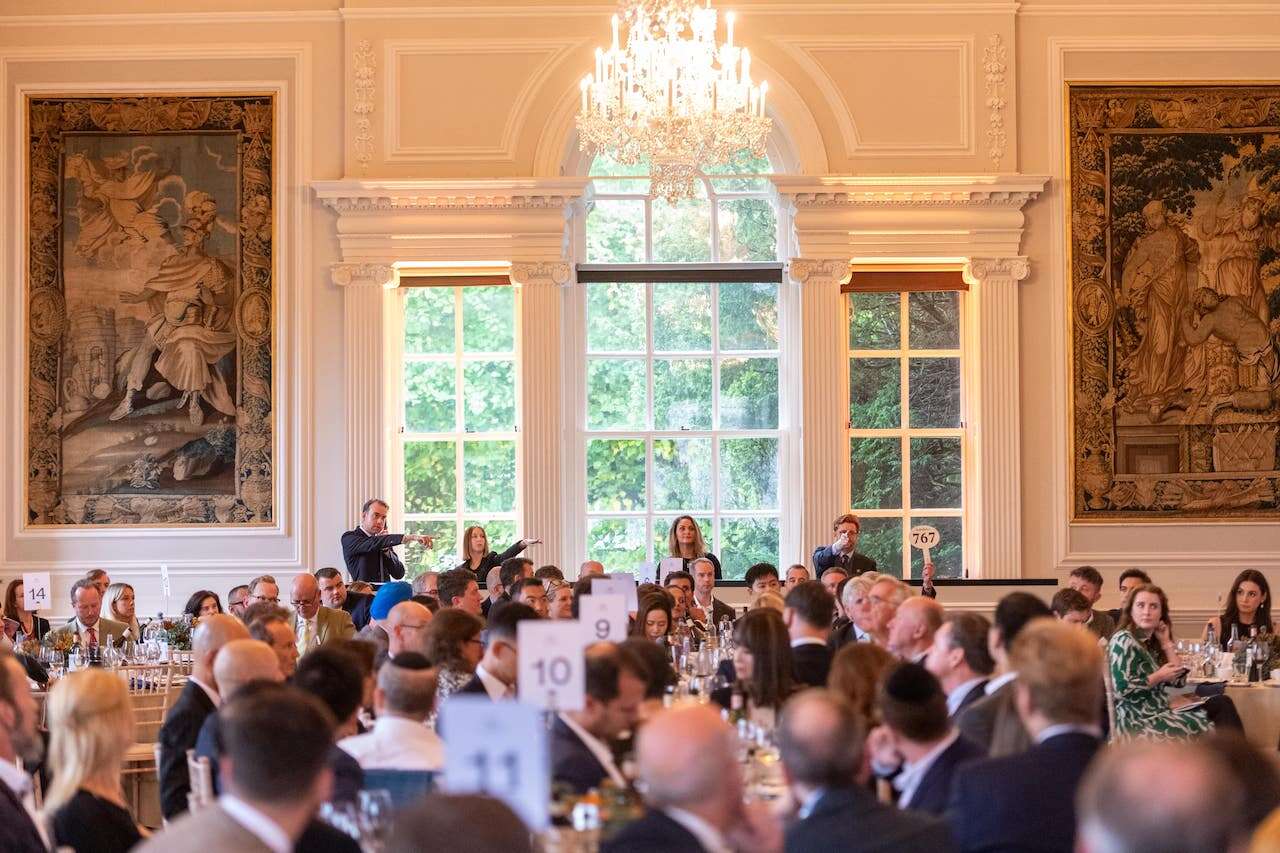
Take the recent Distillers One of One auction, a biennial charitable event where distilleries reimagine decanters as objets d’art and fill them with their most precious liquid. It bucked the wider trend and surpassed the previous edition to raise $3.9m. In many cases, the Scotch inside these decanters is not far removed from what’s already available. The key difference lies in rarity, as every lot is a one-off. The result perhaps brought a sigh of relief from anxious brand teams, but it offered valuable lessons.
As Fowle said after the auction: “This should encourage brands to think outside the norm — crazy concepts, large formats and high-age statements that don’t adhere to their usual iconography. Add to this the fact that the bottles are truly rare. Collectors are always looking for something that others either don’t have or can’t get, and this proves that genuine scarcity motivates buyers.” For producers willing to listen, whisky’s next chapter may be more sustainable than the last.
Alex Martin is the editor-in-chief of The World of Fine Spirits, a new publication focused on all things distilled, launching in 2026. Sign up for the newsletter here.