

On a backstreet of Hondarribia, in a virtually unmarked dining room, I’m served one of the most unassuming yet delicious plates of food I can remember. My host Andrés Castela ushers me over to watch as he spoons sizzling garlic oil, direct from the pan, over a hunk of broiled monkfish and sliced potatoes. It spits ferociously and I jump back to avoid the scalding projectiles.
Castela has none of my fear, and pours the infused oil back into his pan, swirling it deftly. The process repeats until the oil thickens and emulsifies; by the time it reaches my plate, it has become the famous northern Spanish pil-pil. Creamy and pale yellow, it smothers the meaty slab of fish. With it, a simple tomato salad and white bread for mopping.
As good as this is, you’ll struggle to sample it yourself. You can’t call up and book a table, nor can you queue up. You won’t find it in a guide book, and it’s unlikely to crop up in a viral Instagram Reel. Instead, you’ll need a friend on the inside to visit one of the region’s several hundred gastronomic societies (txokos in Basque), where locals cook from an unwritten recipe book of Basque classics.
See also: Are Communal Tables The Future For Fine Dining?
Closely guarded, these societies emerged in the late 19th century as men-only retreats and a development of rural and raucous cider houses. Membership was strict and spaces were often hereditary. Things have advanced since the late 1800s: most societies allow women, some even admit children, and new members can be recommended rather than relying on a funeral.
I’ve managed to secure a coveted dinner at Klink, a society around 14 miles from San Sebastián on the Spanish/French border, that has been operating since 1978. A carpenter by trade, Castela, 68, was a founding member in his late teens, and now runs the show. He proudly identifies his youthful face amid a mass of portraits on the wall.

Many of those in the photographs have since died, which points to a widely held concern: will the gastronomic societies eventually disappear too? Castela is not worried about longevity, however, and delights in Klink’s youthful social scene. “Lunches are often for older people, but we’re full with young ones in the evening,” he says, via translation from my guide and human Basque Country encyclopedia, Mattim Larrea.
While the society’s kitchen is professional-grade (with a second cooking space for busy periods), the dining area is convivial and intentionally home-like. There are no tablecloths or candles; instead members eat at long benches under strip lighting. The food is simple but elegant enough to prove Castela has spent decades in a kitchen. Before the monkfish came plates of engorged stalks of sweet white asparagus, wafer-thin slices of butter-soft jamón ibérico, and flaky bonito tuna that Castela preserves himself with spicy pickled peppers.
See also: Is Dessert Back on the Menu? These Chefs Say So
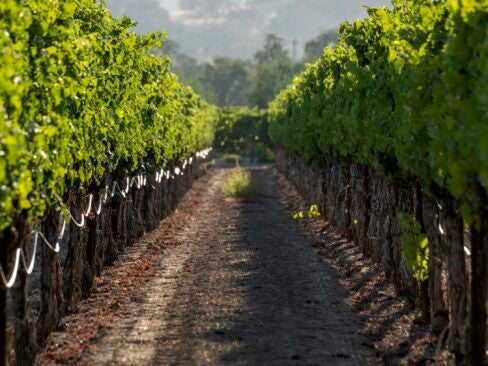
A glass of txakoli wine materializes, too, poured from a height. This signature local drink’s reputation was historically poor in wider Spain: “It used to taste like vinegar,” Anne Ortega Pinto of Ameztoi winery tells me the next day during a tour of its vineyard. But tides have turned and a new era of vintners have adopted aging on lees which has imbued their wines with more depth and less tang, but its distinct saline minerality and gentle fizz remain, and the funky acidity slices through Castela’s oily dishes. Dessert is huge chunks of pantxineta, a puff-pastry pie filled with custard and topped with almonds, which I’m told is the real Basque dessert, not that famous cheesecake tourists so happily queue up for.
Klink differs from many societies in that it intentionally drives revenue, used to fund local charitable initiatives, from cooking for the elderly to hosting soccer matches. A portion of that revenue is made from the select few tourists allowed in, facilitated by Ikusnahi Tours — a local operation showcasing Basque culinary heritage, from market tours and producer visits to wine tasting and cooking classes.
I found them though my hotel, Nobu San Sebastián, which opened in 2023 and has knockout views across the ocean, a chic outdoor bar, and the brand’s signature Zen interiors. It clearly recognizes its standing as an international outsider in a fiercely independent region, though, and has put thought into connecting its guests with the Basque Country beyond the obvious — hence the recent collaboration with Ikusnahi.


While access to a gastronomic society is stringent, once you’re in, generosity comes at you from all directions — Castela is trying to offload extra slices of dessert on me as I leave, and invites me to return anytime. Larrea claims that Basque locals are considered straightforward to the point of being rude, but I found the opposite to be true. “When you are here, you are at our home,” our host says.
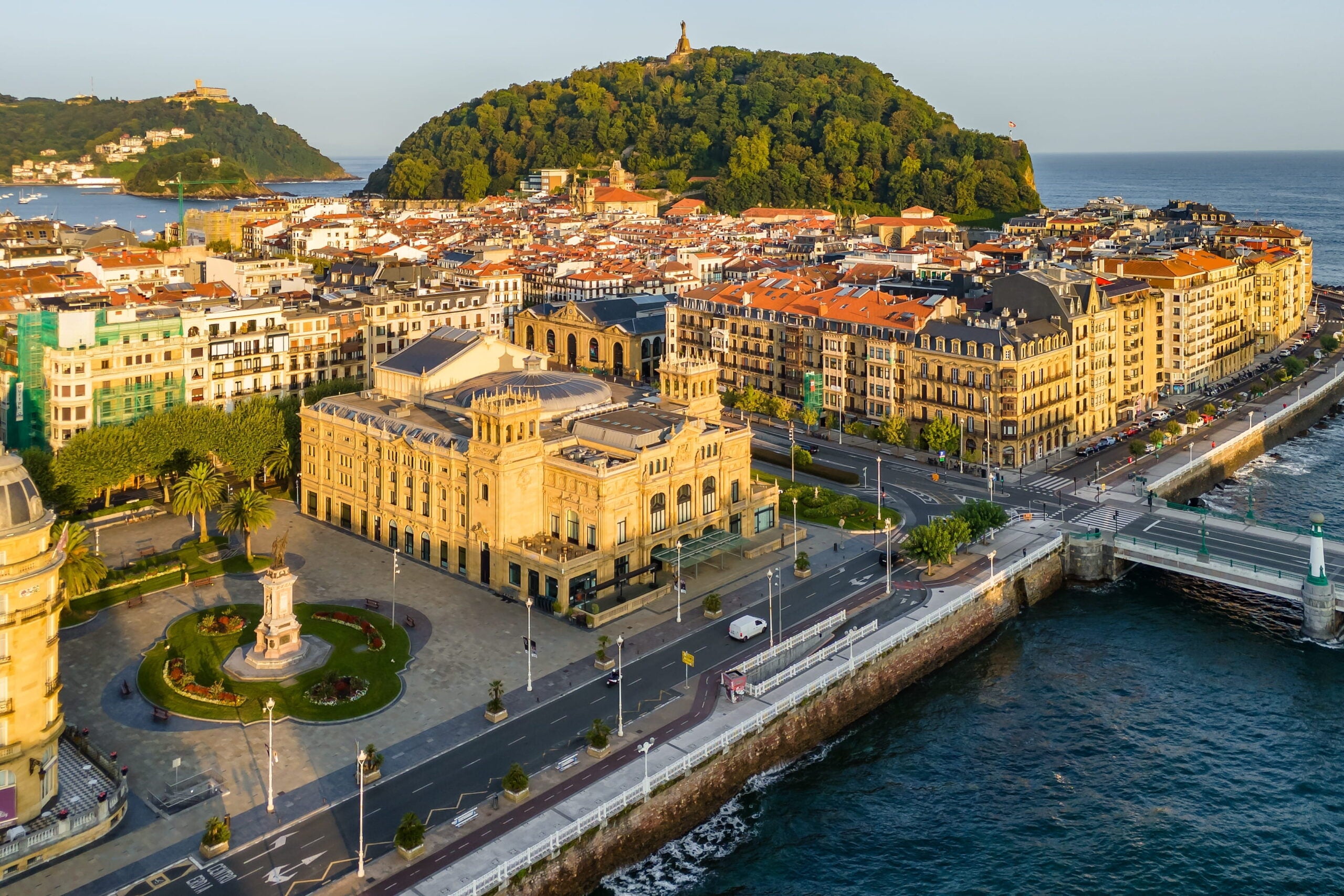
To really understand the Basque Country’s obsession with food requires a step back in time. The region has a long gastronomic identity (the first txoko supposedly opened circa 1850) but it was in the 1970s, not un-coincidentally around the time that Francisco Franco’s dictatorship dissolved, that ‘New Basque Cuisine’ emerged. Forged by chefs Pedro Subijana and Juan Mari Arzak, it was inspired by the refinement of French gastronomy but celebrated both the ingredients and the traditions of northern Spain. While San Sebastián’s food culture has grown in the past 50 years, with a new generation of chefs offering their own take on modern Basque cooking, Subijana and Arzak’s restaurants remain pillars, and warrant visits outside of any organized tours.
See also: Are Cocktail and Bar Snack Pairings the Next Big Thing in Dining?
The former’s pioneering three-Michelin-starred Akelarre is a short drive up the winding roads of Mount Igeldo. Subijana prides himself on constantly evolving, and dedicates a huge portion of real estate to a high-tech test kitchen where a full-time team experiments with new dishes. The latest thing to pass strict testing and join the meticulous tasting menu is a local sheep’s cheese that, instead of aging in salt water, spends time in anchovy brine. That menu is extensive — lunch stretches well into the afternoon and dinner into the night — but since 2017, diners can stay in one of 22 Relais & Châteaux-approved suites.
This might be serious hospitality but familial warmth radiates here. Subijana jokes during a tour of his pristine kitchen, and his daughter Oihana manages the ocean-facing dining room with cool charm and beaming smiles. While Akelarre is a San Sebastián mainstay, new openings clamor for attention.
Just a few moments’ drive away is Itzuli, which opened last summer and was soon awarded the city’s newest Michelin star. Family leads here, too: Iñigo Lavado heads up the kitchen, his wife Arantxa Martínez bosses the dining room, and son Julen manages the wine program. The youngest siblings are both at culinary school but help in the restaurant over weekends. You get absorbed into that family over the course of your meal; my four-hour-plus lunch begins with a formal handshake from Arantxa, but ends with a hug. But it’s Julen’s wine pairing that stays the distance long after you leave. I can still recall the way a sip of a Majuelo del Chiviritero Verdejo transformed from citrussy and spicy to sweet and lively after a bite of smoky cod skin.


Back down the winding road into town, the far less formal pintxos bars show this is a place of two halves. Dotted about the city, from the cobbled streets of the Old Town to the upand-coming Gros over the river, the taverns are rustic and chaotic. Lingering isn’t the done thing: Eat your pintxos, sip your drink, and move on.
Each bar has its own specialty. Txepetxa is known for its bracingly sharp anchovies, while La Cuchara de San Telmo specializes in tender suckling pig with crackling. At Gandarias Jatetxea, order the solomillo — two-bite-sized hunks of rare sirloin on bread, dotted with punchy green pepper. It’s the type of food that makes you look round at your companions to silently confirm that yes, this is maybe the best bite of steak they’ve ever had too.
Then there is Bar Nestor, which finds its way onto most recommendation lists. Be in line at 6.30pm to put your name down for its five dishes: soft tortilla laced with caramelized onion; heavily salted Gernika peppers; olive oil-drenched tomatoes; and, the star of the show, enormous slabs of charcoal-cooked txuleta steak presented on a sizzling hot plate. Wash down with a fruity Rioja and finish with the Cafe Casa — layers of condensed cream and espresso, sprinkled with a cloud of cinnamon.
While we now know that pantxineta is the real Basque sweet, forget what I told you and visit La Vina where the cheesecake, with its gooey, almost molten center and dark, caramelized edges, is worth the queue. Order a slice to yourself — no sharing — with a glass of syrupy Pedro Ximénez to drizzle over the top. Txakoli is poured liberally, as is the cloudy and acidic Basque cider, but don’t shy from kalimotxo — a cocktail of sorts that mixes equal parts red wine and cola, served over ice with a sharp dash of lemon. It comes together with surprising success.
On my final night, even after a full sit-down meal I managed to hop around those pintxos bars once more, swinging by Gandarias Jatetxea for a final bite of steak, and sneaking under the shutter at La Vina for a last fix of cheesecake. As the bars spill out and the streets fill with cheerful drinkers, many doors remain firmly shut, and I wonder which of these has an elusive gastronomic society hiding inside. Despite its place among the great culinary cities of the world, San Sebastian holds some secrets close to its chest.