
Fresh from a very flush year for Chanel – in which free cash flow climbed 44 percent and more than $700m was spent acquiring specialist makers and suppliers – the French maison has found another home for its increasingly deep pockets.
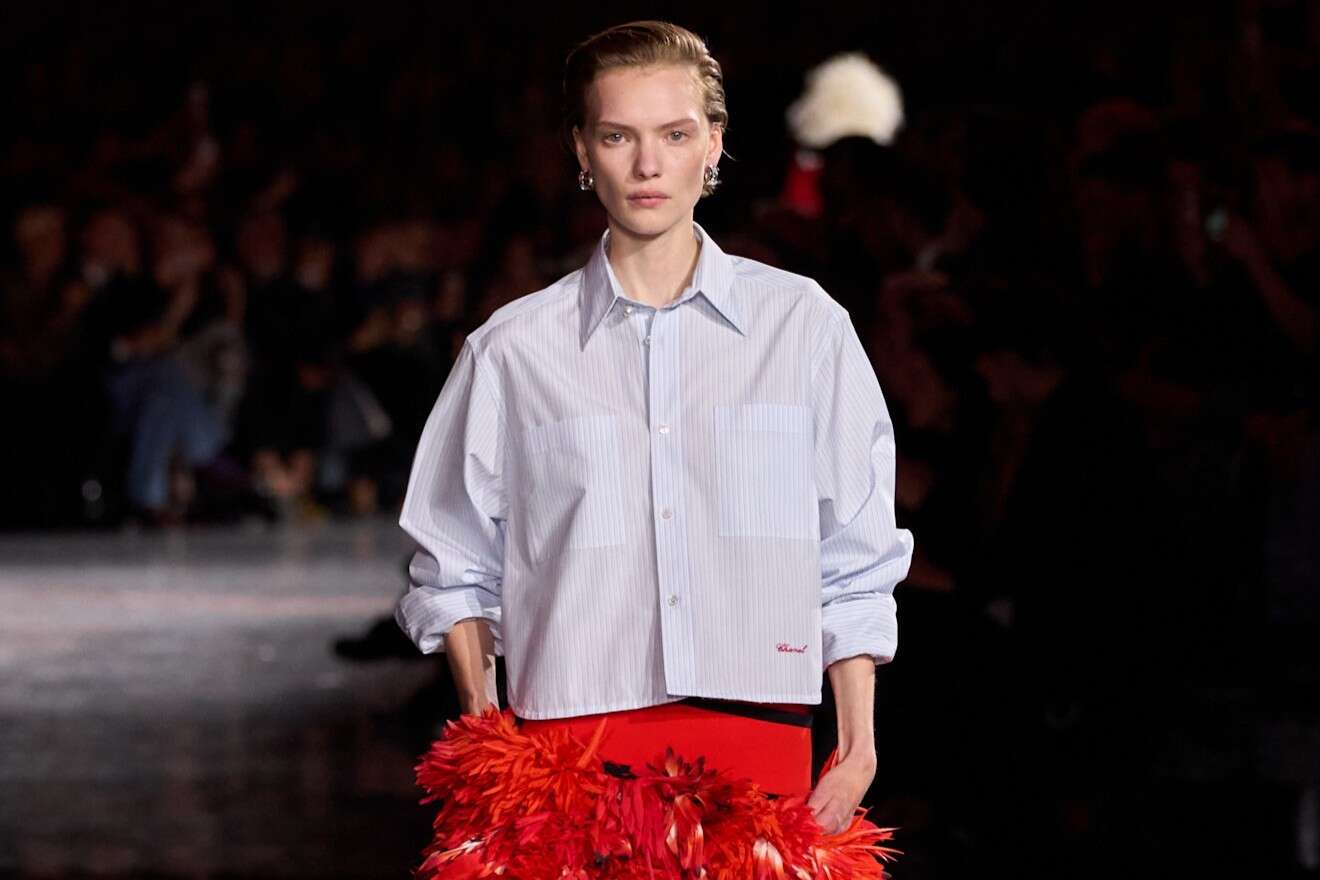
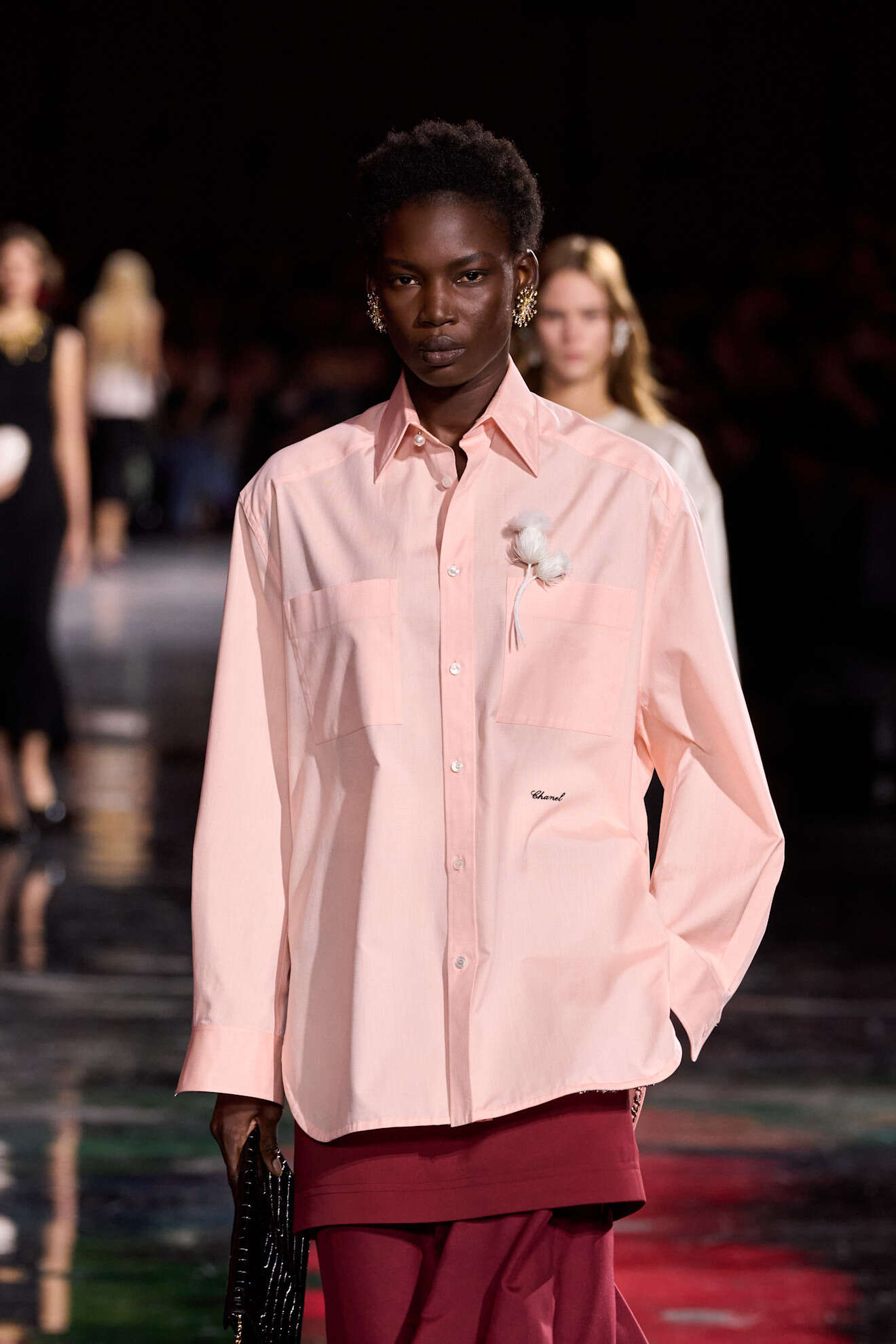
The fashion house has acquired Charvet, the Parisian shirtmaker that creative director Matthieu Blazy enlisted to produce shirts for his debut Chanel collection last October. Less than a year later, Chanel now operates the 188-year-old house outright.
The financial terms of the acquisition have not been disclosed, but in a statement upon the announcement, Chanel says the purchase is intended to “support, over the long term, the passing down of unique savoir-faire and the continued existence of an iconic French heritage house,” while preserving Charvet’s creative independence.
Tucked away on Place Vendôme, Charvet has continued to operate in a similar style since its founding in 1838. There is no E-commerce except through carefully chosen third parties (Charvet’s own website largely functions as a business card), and its clientele – ranging from Winston Churchill, Charles de Gaulle, and Coco Chanel herself – has been built through recommendation rather than marketing campaigns.
But there is always something inevitably bittersweet about yet another family-run luxury house surrendering its independence. Yet the reality is rather more nuanced. Jean-Claude and Anne-Marie Colban, the siblings who have run Charvet since the 1980s, are now entering their 70s with no obvious family successor waiting in the wings. “What we were looking for above all was a solution to maintain our identity and preserve what we do,” Jean-Claude told Business of Fashion. “We pride ourselves on being the only ones to do things a certain way, but [for] others, it is exhausting to deal with people who do not understand.”
“Seeing Chanel’s way of doing things, in particular [its] way of approaching subjects with competence, sensitivity, and also taking the necessary time, respecting expertise – we realised we were aligned,” he said.
The acquisition also invites comparisons with LVMH’s ever-expanding stable of luxury brands. But that isn’t quite the playbook Chanel appears to be following. While Bernard Arnault’s empire has been built through acquiring maisons across every corner of luxury, Chanel’s shopping list has been considerably more restrained.
Charvet joins roughly a dozen specialty brands and suppliers that Chanel has brought into the fold, from leather goods manufacturers to specialist ateliers, alongside heritage names such as Barrie, Eres, and Orlebar Brown. Many continue operating independently while benefiting from Chanel’s financial backing, and some manufacturers even continue to supply competitors.
Related Story

The acquisition has also reignited speculation around Chanel’s long-discussed ambitions in menswear. The house appointed Pedro Pascal as an ambassador earlier this year, and Blazy’s collections have been donned by the likes of Timothée Chalamet, Jacob Elordi, Pharrell Williams, and Frank Ocean, prompting ever louder calls for the brand to venture beyond its occasional men’s capsules. Chanel, even as recently as May, has repeatedly insisted a dedicated menswear line is currently “not on the agenda”, but buying arguably the world’s most revered shirtmaker will do little to quiet the conversation.
Whether this ultimately proves to be a play for menswear or simply another investment in French craftsmanship, it’s clear that Chanel is not sitting on its fortunes.