
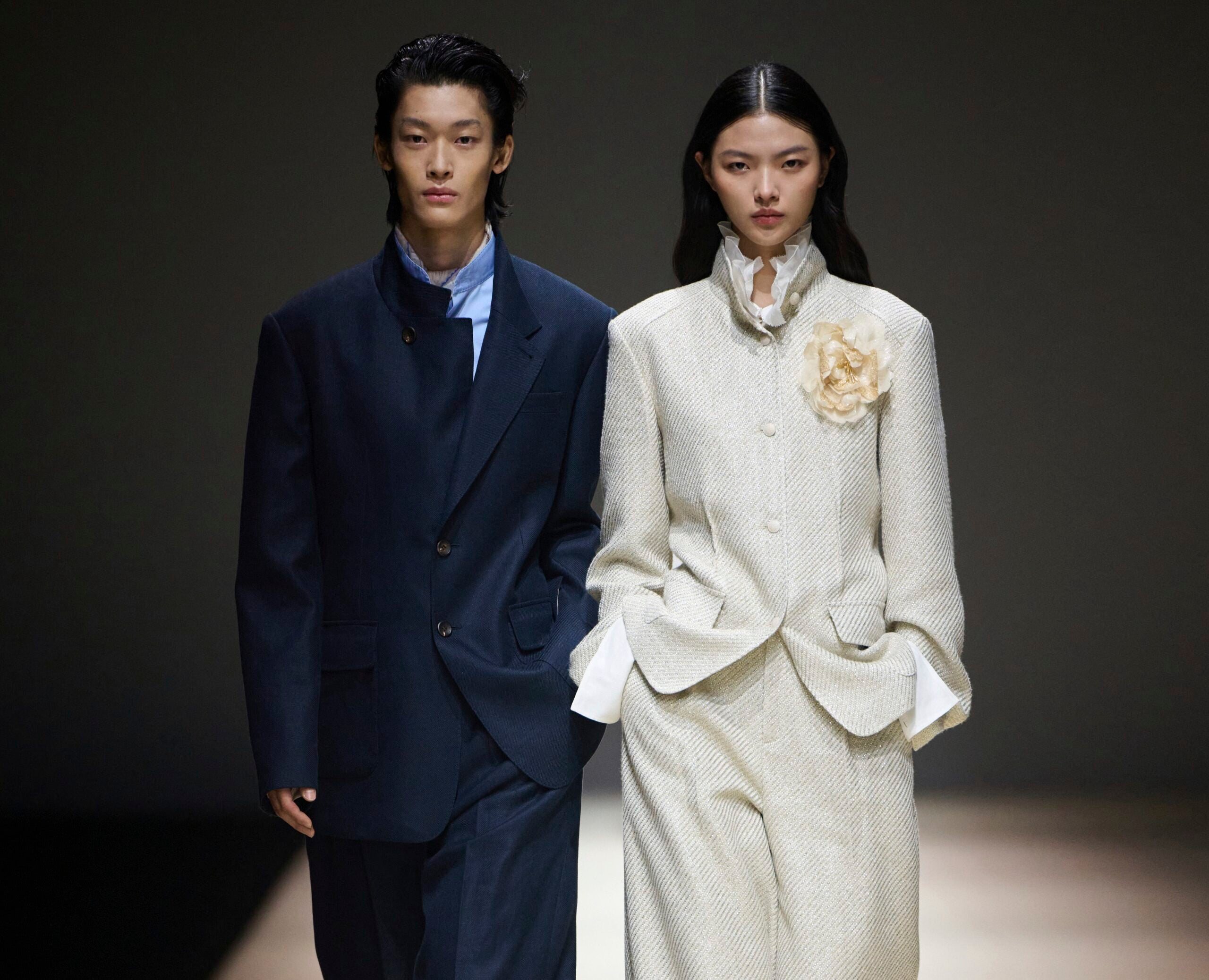
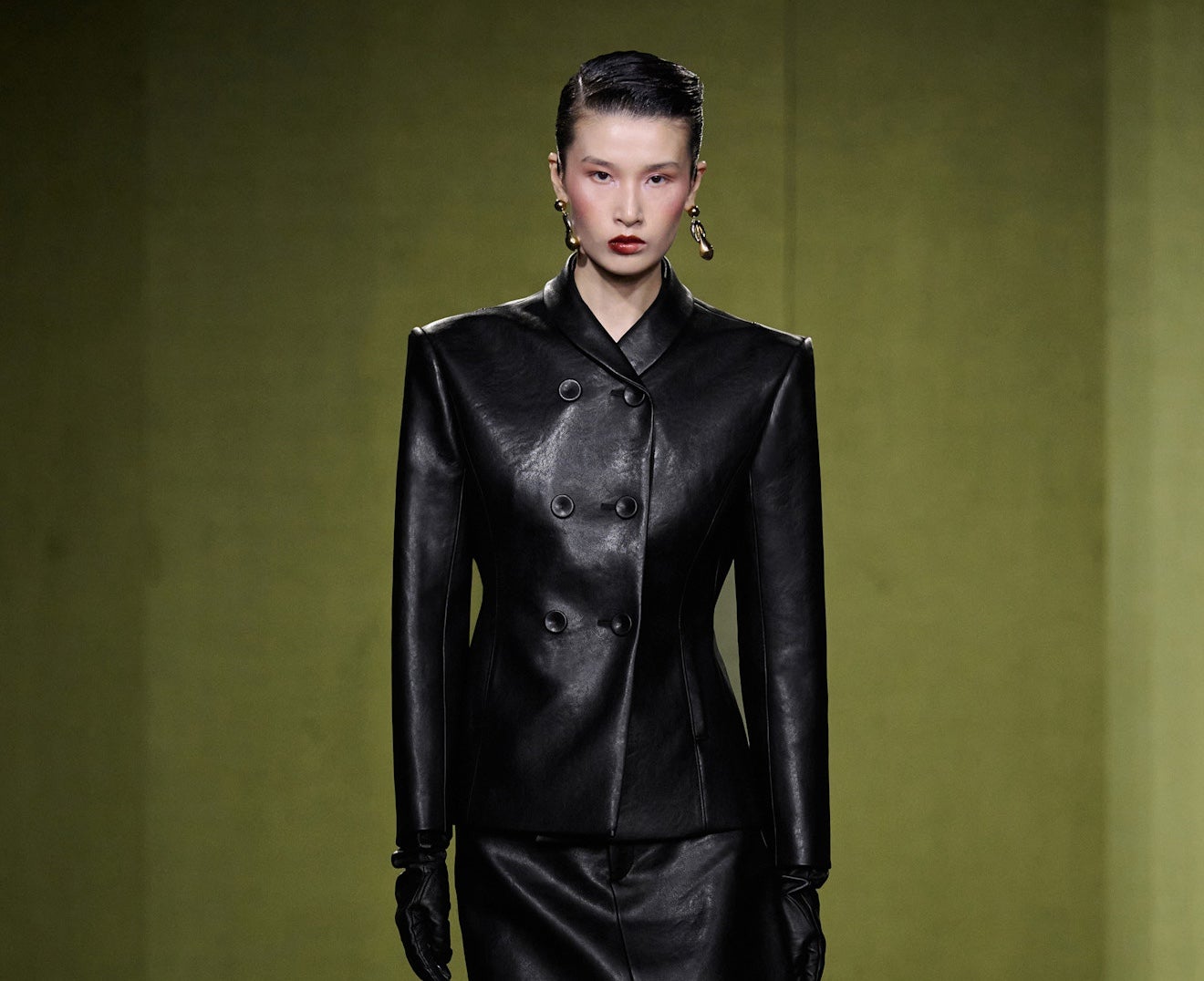
Economists may harp on about deflated Chinese consumer spending, but Shanghai Fashion Week, which featured a score of young local designers and key foreign stars, made the city feel like a boom town.
Maison Margiela staged the climatic show of the week; Tom Ford had Angelina Jolie to fete their beauty launch in the city’s coolest restaurant (she’s the face of Tom Ford Beauty); and Prada celebrated the season with a soirée in its remarkable 1918 villa, meticulously restored by master filmmaker Wong Kar Wai.
We can get to the big brands in a minute, but the main action was the cooler, young designers – some Communist princelings – often using European names: like Jacques Wei, Mark Gong, Comme Moi or Oude Waag, the latter named after a street in Antwerp. They provided great opportunities to witness what the cool cohort of the vast Chinese millennial audience – totaling an estimated 400 million people aged between 28 to 43, it’s the most important consumer market on the planet this century – are wearing.
Judging from this past week of shows, it turns out they are only too happy to embrace Western icons in music, film, art, and, above all, fashion. Which resulted in a surprisingly risqué assortment of body-con, femme-fatale styles.
Take Mark Gong, who was inspired by Sabrina Carpenter’s steamy video clips with drag queens. He showed the skimpiest chic: micro green flight jackets and matching hot pants trimmed in crystal; wide-open silk blouses exposing lacy bras; miniature houndstooth suits with miniskirts embroidered with jet.
Or Shushu/Tong, inspired by Violette Nozière (the last woman to be sentenced to the guillotine in France), who killed her father and later became the protagonist of Claude Chabrol’s award-winning 1978 film Violette. This led to a superb show, where models marched about in the strictest of cocktails; puff shouldered jackets with ruffled shirts; or ladylike mohair cardigans embroidered with strass.
See also: Why Haute Fragrance Matters More Than Ever, According to Maison Margiela
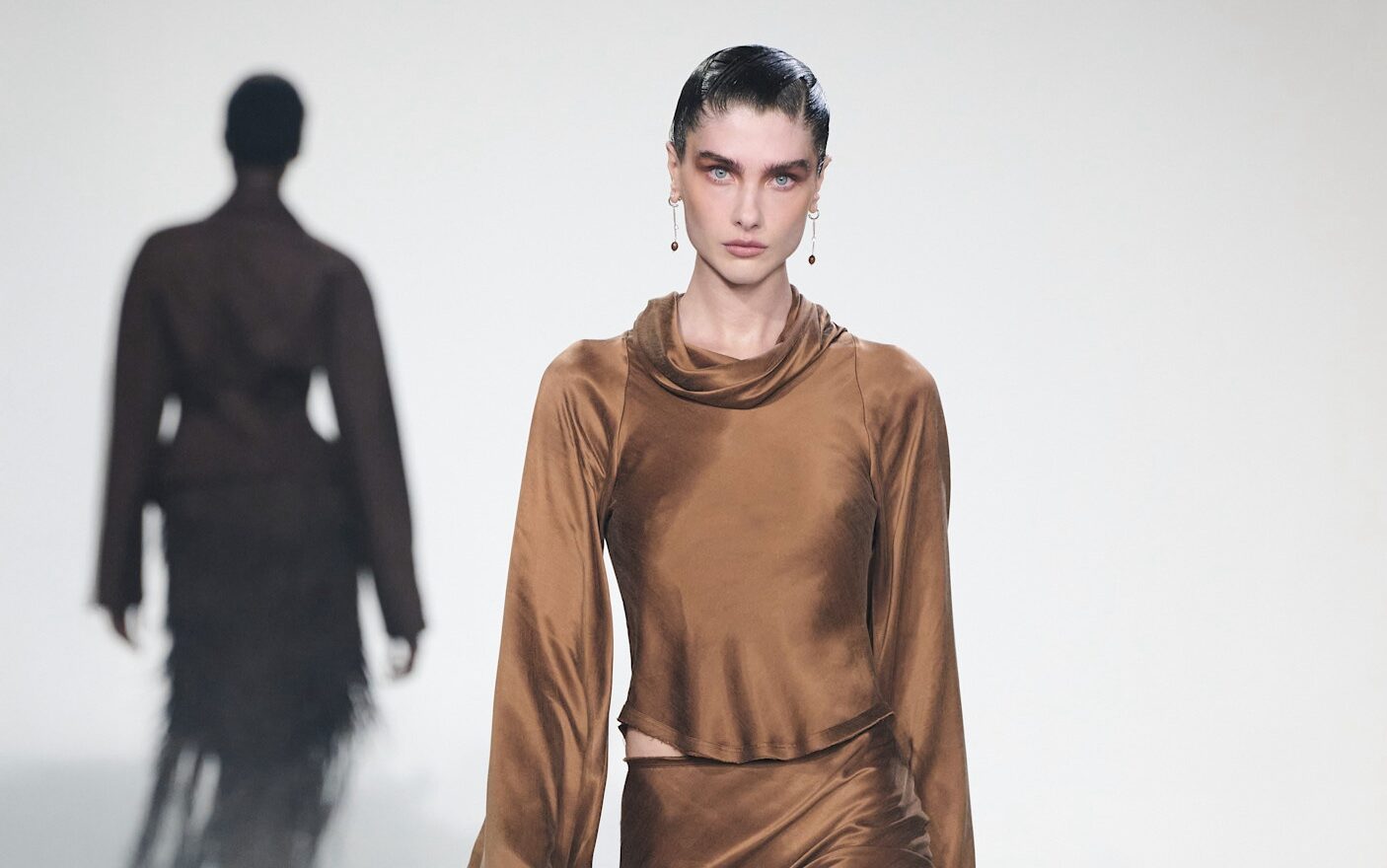
Elsewhere there was icy, lethal lady style, by the duo Liushu Lei and Yutong Jiang, two London College of Fashion graduates. Sociologically speaking, this was gutsy, since they inverted the myth of Asian Dragon Ladies seducing and ruining Anglo-Saxons seen in classic Hollywood films like The Shanghai Gesture by Josef von Sternberg.
Or consider Central Saint Martin’s graduate Xu Zhi, whose ode to counter-culture heroes led to John Lennon's navy boat captain cabans and Beatles worthy Hamburg skipper caps; rock goddess leopard-print chiffon dresses and shirts; or Jimi Hendrix faux-wolf coat and jacquard pajama pants.
“We love the idea that our clients discover the American art that inspires us through our clothes,” said Xu after his show in a custom-built space in central Xintiandi.
Western influence was again apparent at New Wave, China’s key award for upcoming talent, where I was a jury member. Five of the six finalists have studied in Britain, and the season’s two most inventive shows – Oude Waag and Samuel Guì Yang – featuring contemplative Chinese style, were both by Central Saint Martin’s graduates.
In every show, hundreds of fans turned up head to toe in their preferred Chinese designer. You might call them 4:2:1 fashionistas, referring to the family structure where single kids live with parents and grandparents, freeing up their disposable income to spend on style.
A quarter century ago, when I first came to Shanghai with Giorgio Armani, Xintiandi was a district of dusty alleys and proletarians in blue cotton Mao workerist suits. Now thousands of ‘Office Ladies’ – Chinese for ‘career girls’ – confidently dash about this creative district with multiple malls amid carefully preserved Shikumen gray brick buildings; a fusion of Edwardian architecture with traditional Chinese motifs and courtyards.
With Western consumers in a funk, the Gulf embroiled in war, luxury brands are focusing even more on Shanghai. Louis Vuitton’s giant new ocean-liner store named The Louis, is now one of the most visited sights in the city. Chanel just announced plans to bring its Métiers d’art project 19M to the Museum of Art Pudong in Shanghai, with a group exhibition by Chinese and French artists and artisans in September. Jacquemus feted his collab with Veuve Clicquot during the season.
So, Tom Ford sent the local social media network Xiaohongshu, meaning the Little Red Notebook beloved by Chairman Mao, into overdrive when Jolie joined creative director Haider Ackermann for dinner in Mess, a restaurant/gallery space whose Israel-Asian fusion chef Eliran has made it the hardest table to book in the city.
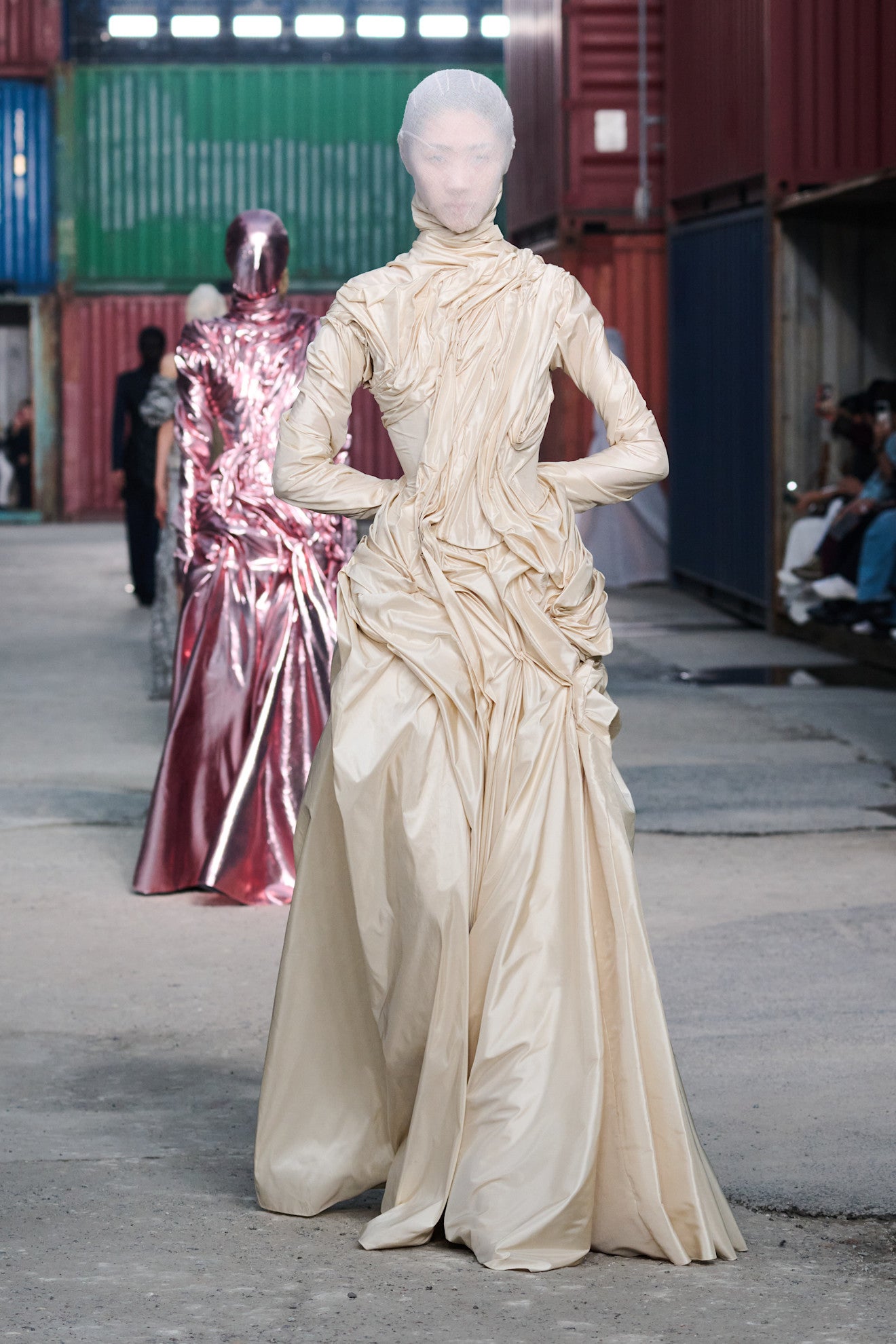
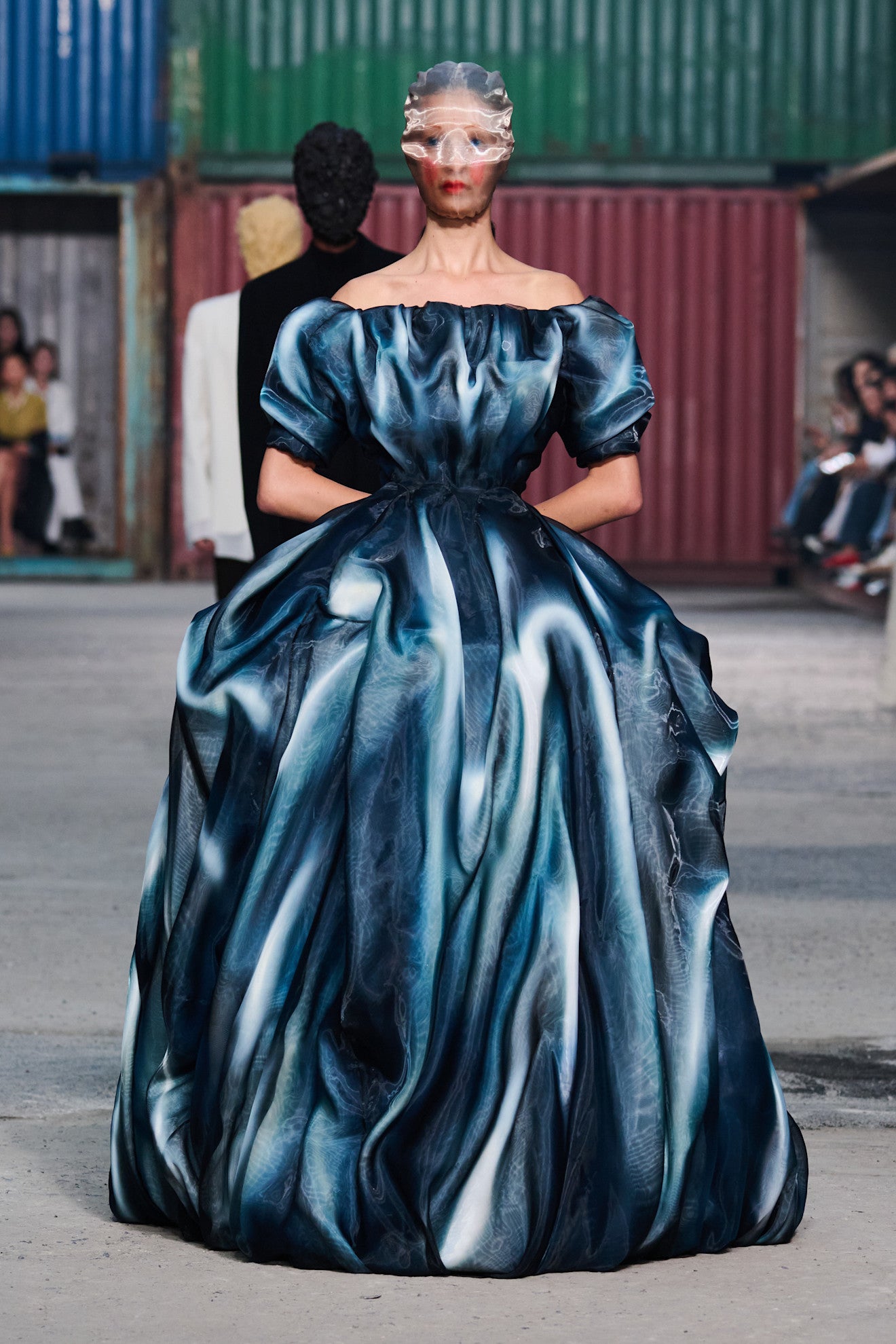
And then the season climaxed with Maison Margiela’s first show outside of France. The models were hidden behind masks, so the attention fell purely on the clothes. Fabulous conceptual cocktail dresses and gowns were constructed from gold metal leaf, Bianchetto white paint spray lace or wax cotton that you could hear crackling as the model strutted past. Museum-worthy creations, and ideal for brand building by Margiela, which also staged happenings, installations, pop-up cafés, and retrospectives in four Chinese cities this month.
“There has rarely been a better time to be in China. The nation is on a unique rise,” underlined Renzo Rosso, the Italian fashion billionaire entrepreneur who founded Diesel and owns Margiela. How Mao would have approved.