



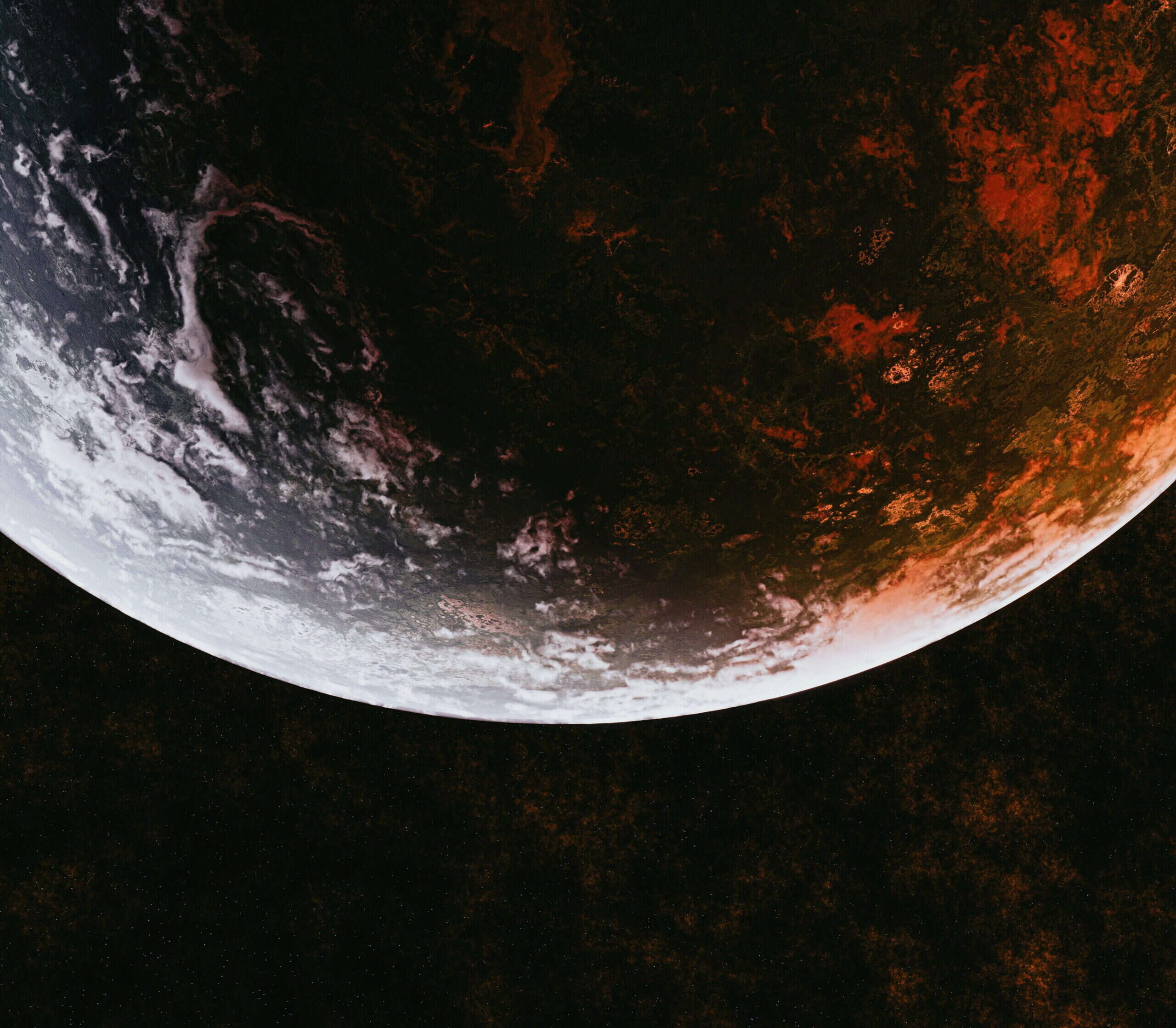
Retrofuturism is trending (again), propelled this time by the headline-making trip undertaken by the crew of Artemis II on April 1. Blasting off from the Kennedy Space Center in Florida, the mission set course for a part of the lunar surface never before seen by humans, marking the most significant step towards NASA’s goal of a crewed Moon landing by 2028.
This surge of orbital optimism doesn’t end with Artemis II’s takeoff. Even before the rocket took to the skies, Elon Musk’s SpaceX quietly filed with the US Securities and Exchange Commission (SEC) for a public offering, which would allow shares of the space exploration company to trade in the public market. According to reports by Bloomberg, Reuters, and The New York Times, the company plans to go public in June. If it hits the market with an estimated value surpassing $1trn, it would mark the largest – and most financially significant – stock market debut in history.
Meanwhile, Virgin Galactic is once again offering more than a glimpse of the cosmos – by selling tickets. Earlier this week, the company reopened ticket sales for its suborbital journeys after a near two-year hiatus marked by delays, technical setbacks, and the cooling of early hype. Once again, it seems that Richard Branson’s vision of commercial space travel, which has long hovered between ambition and reality, may finally be crystallizing into a viable market.
Still, the appetite for a brief flirtation with weightlessness remains niche. Tickets for Virgin Galactic’s 90-minute flights are now priced at $750,000 – a sharp climb from the $450,000 seats released in 2021 – positioning the experience firmly within the realm of ultra-elite adventure rather than any notion of mass tourism.
There is, however, a renewed sense of forward motion. CEO Michael Colglazier has confirmed that assembly of Virgin Galactic’s next-generation spaceplane, SpaceShip, is nearing completion, with ground testing slated for April and commercial operations expected to begin in late 2026. Gradually, it seems that space tourism is shifting from spectacle to schedule; a necessary step if the industry is to move beyond headline-grabbing indulgence and toward something that could genuinely pass as a vacation destination.
Yet the path remains uneven. If Virgin Galactic is attempting a relaunch, it is doing so against the backdrop of an industry that has often felt more farce than frontier. Much of that reputational wobble stems from its closest rival, Blue Origin, whose high-profile missteps and widely scrutinized launches have, fairly or not, cast a shadow over the credibility of space tourism as a whole. What was once sold as the next great leap for leisure has, in recent years, been reduced to a spectacle of billionaire vanity projects.
For Virgin Galactic, however, reputational turbulence is hardly new territory. Founded in 2004 with Branson’s lofty ambition of democratizing access to space (albeit for a very select definition of ‘democratic’), the company’s trajectory has been punctuated by technical setbacks and sobering reality checks. The most serious came in 2014, when a test flight ended in disaster over the California desert, killing one pilot and exposing critical flaws in safety protocols. Even its symbolic victories have not been without caveat: when Branson himself took flight in 2021, the moment was billed as triumphant, though subsequent reports suggested the spaceplane briefly veered off its intended course during ascent.
What followed was less a grand crescendo than a steady drumbeat. Seven commercial flights launched in relatively quick succession in 2021, roughly one per month, signaling operational consistency if not yet commercial viability. The economics remain, by the company’s own admission, less than stellar: of the first 800 tickets sold, the majority were priced between $200,000 and $250,000, before later rising to $450,000 – figures that underscore both early optimism and the stubborn reality of limited demand.
See also: The World’s Most Expensive Travel Experiences You Can Book Right Now
Still, if Blue Origin’s stumbles have tarnished the industry’s sheen, they have also created a curious opening. For all its false starts and faltering optics, space tourism may yet find its footing, not in the promise of a fleeting flight, but in the prospect of staying a while.
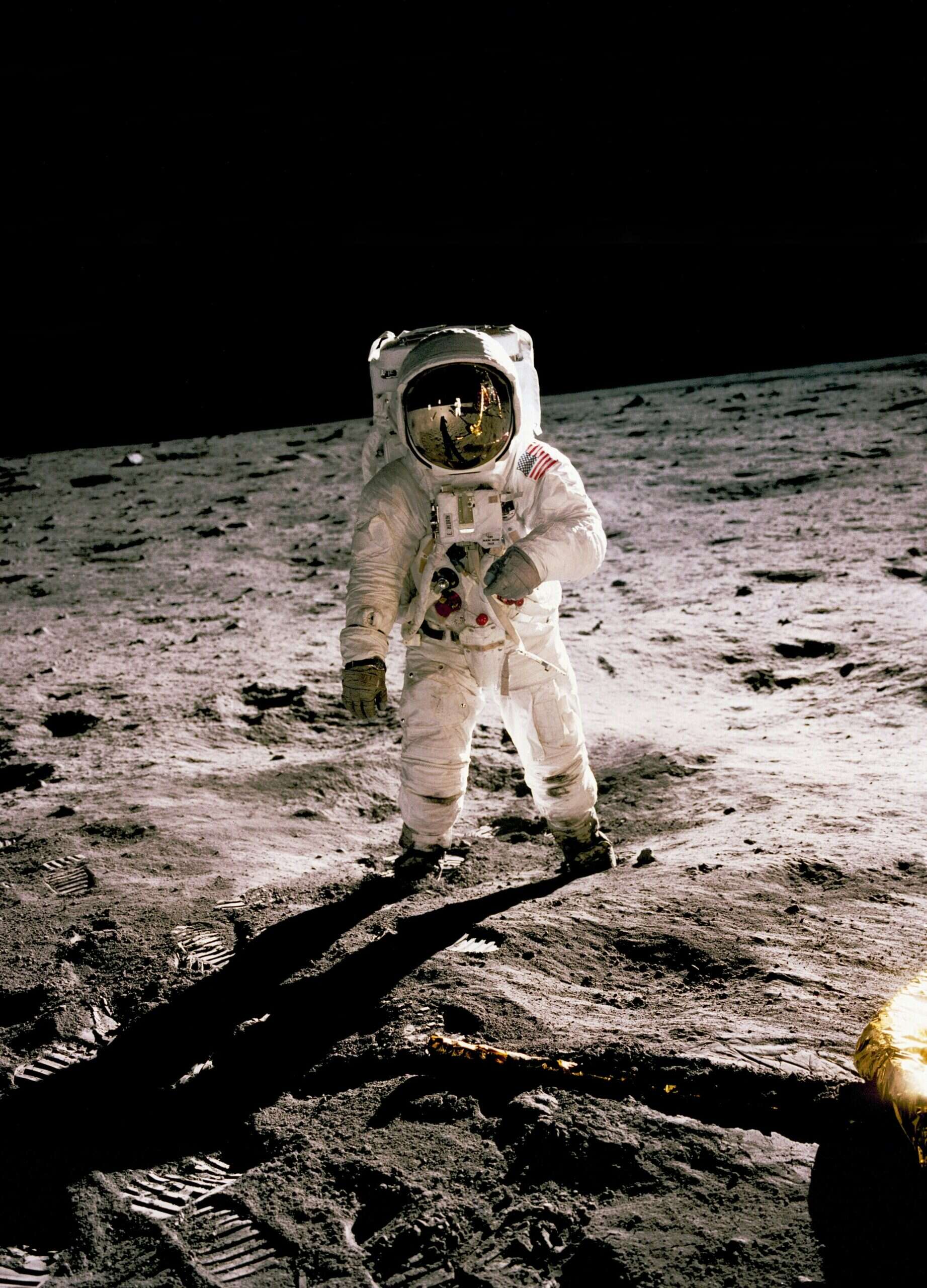
Enter GRU Space, a Silicon Valley start-up proposing what might be the industry’s most audacious pivot yet: a hotel on the Moon. Announced with a projected opening date of 2032, the concept, known simply as ‘v1’, suggests a shift from thrill-seeking to something more immersive – even aspirational. Construction is slated to begin as early as 2029, with the company exploring the use of materials already present on the lunar surface, marking a notable departure from the Earth-dependent models that have thus far defined commercial concepts.
Crucially, while companies like SpaceX and Virgin Galactic are concerned with getting civilians off the planet, GRU is asking what happens once they arrive. And if early plans are to be believed, the Moon is only the beginning, with ambitions stretching toward Martian hospitality and, eventually, the first off-world human settlements in the decades that follow. But let’s just say, don’t pack your bags… yet.

Of course, exclusivity comes at a cost – and then some. Prospective guests can already register interest with a non-refundable $1,000 application fee, with shortlisted candidates expected to be selected in 2027 based on specific mission roles. From there, deposits range between $250,000 and $1m, while the final price tag for a stay is expected to exceed $10m.
Related Story

And yet, in a landscape defined by delays, detours and sky-high skepticism, the idea of a lunar hotel suggests that space might be more than a fleeting thrill. If the early 2020s were about proving that private citizens could reach orbit, the decade ahead may be about giving them a reason to come back.
Space tourism, it seems, will not ignite in a single triumphant launch. Rather, it will inch forward, one small step at a time, until the extraordinary no longer feels light-years away.