


There was a time when “Would you like to see the dessert menu?” felt like the easiest “Yes, please” in the world. But in many restaurants, the pastry section has become an afterthought. Gone are the sprawling lists of sundaes, cakes, tarts, puddings, and pies; dessert menus are shrinking as dining habits shift, priorities change, and fewer diners indulge their sweet tooth.
Where this section was once a fundamental of any restaurant worth its sugar, an increasing number of top eateries are doing away with it altogether. “Myself and [head chef] George [Williams] decided very early on to not have a pastry section,” says Beth O’Brien, sous chef at The Fat Badger, part of London’s new wave of upmarket restaurant-pubs. “We all rotate – sometimes I do desserts, sometimes it’s George.”
In extreme cases, some restaurants are not just without a pastry section – they are without puddings altogether. “We don’t do dessert at Kiln,” chef Meedu Saad tells me matter of factly. “We’re just not set up to do that.”
See also: Why London Restaurants are Embracing a New York State of Dining
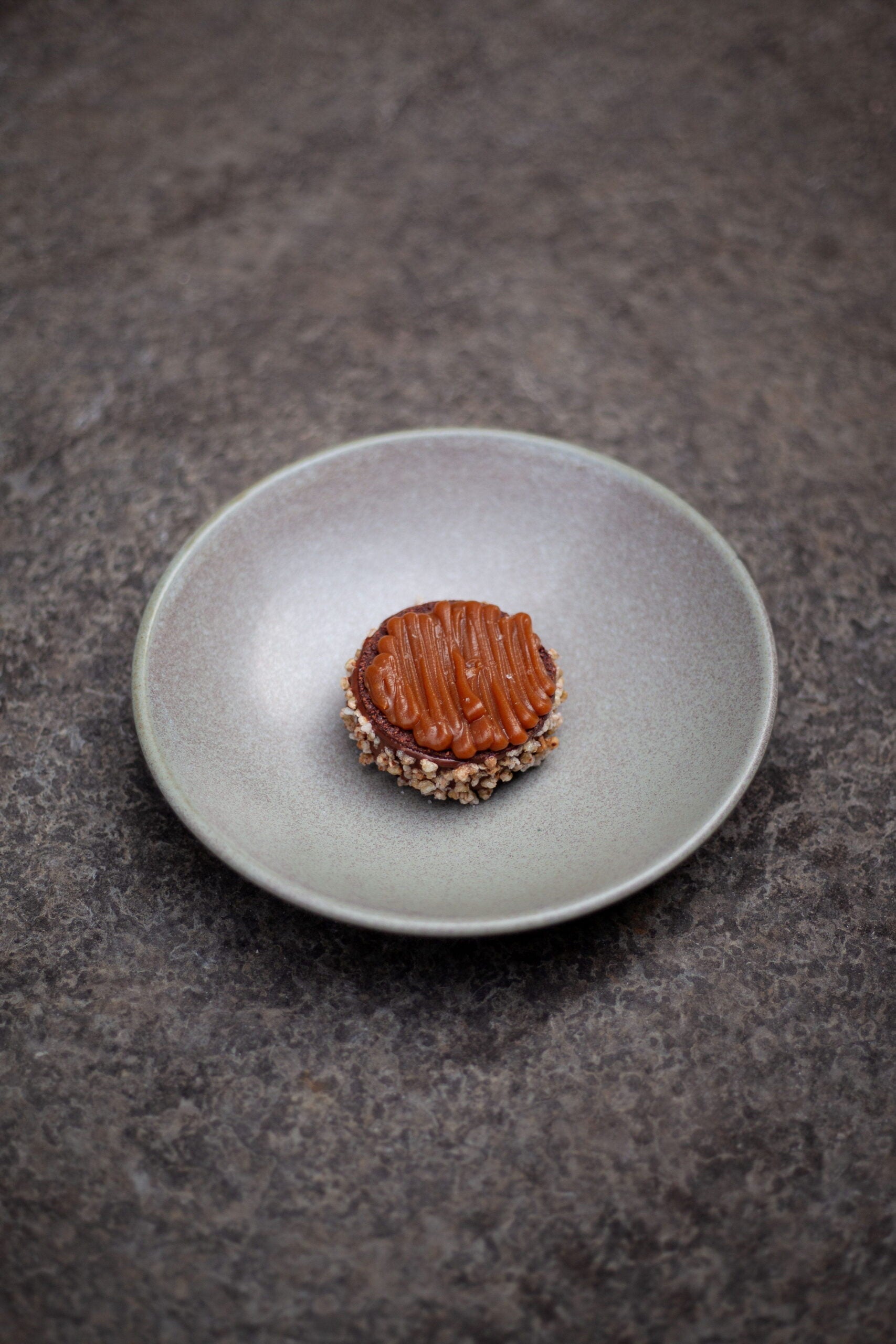
Saad’s second restaurant, Impala, is the current London buzz spot and like its big sister, sweet dishes are not a priority. Just one dessert – a pistachio and date custard tart – is on offer, and even this one dessert has salt in every single element, from the pastry to the date puree. “I didn’t want to go from eating a savory meal into a sweet thing that’s completely different … and I didn’t feel like we needed anything else to prop it up,” says Saad.
And where does the blame for the decline of the dessert lie? An easy finger to point is at weight loss drugs: “We’ve had a few people in recently [at The Fat Badger] who led by telling us that they’re on Ozempic, so they want a smaller and lighter menu,” says O’Brien. “We often just end up sending out a sorbet.”
Tastes, too, are changing, with The Future Laboratory’s recent food and drink trend reports finding that salted, sour, and umami-led profiles are emerging as key flavor preferences.
But, even if diners are leaning more toward savory dishes, many restaurants make a case for customers themselves not being the root cause of the problem. The call is coming from inside the industry. “It’s become a lot more difficult to run a restaurant,” says Louis Lingwood, head chef at London newbie Osteria Vibrato. “And because restaurants have to optimize, they’re like, ‘okay, we can’t afford more people in the kitchen. Let’s do an offering that this limited team can cope with.’”
“In casual and mid-market dining … guests move faster, spend more consciously, and dessert is often the first thing cut,” adds chef Gabriel Kreuther, whose eponymous New York restaurant still leans heavily on classic French pastry principles. “The rise of small plates and shared formats has blurred the meal’s architecture in ways that make a formal dessert course feel out of step.”
See also: Are Cocktail and Bar Snack Pairings the Next Big Thing in Dining?
The knock-on is that young cooks don’t see sweet as the ‘cool’ place to be. “Chefs aren’t pursuing pastry because it’s not seen as important,” adds Richard Phillips, head of pastry at Timberyard in Edinburgh (and dessert whizz at Le Manoir, Blue Hill at Stone Barns, and the Waterside Inn). “A lot of people just want to cook meat on barbecues because that is the stylish thing to do … And for [restaurants], to say that they’ve dissolved their pastry section is upsetting. There is so much unknown knowledge and forgotten techniques that people don’t perceive as being important anymore.”
But, the tide might be turning on this disdain for dessert. In an attempt to revive the oft-forgotten section, prestigious cookery school Le Cordon Bleu has launched a new patisserie scholarship, with a prize fund worth over £75,000 (approx. $100,800), including 12 months of professional training and mentoring, as well as London accommodation.
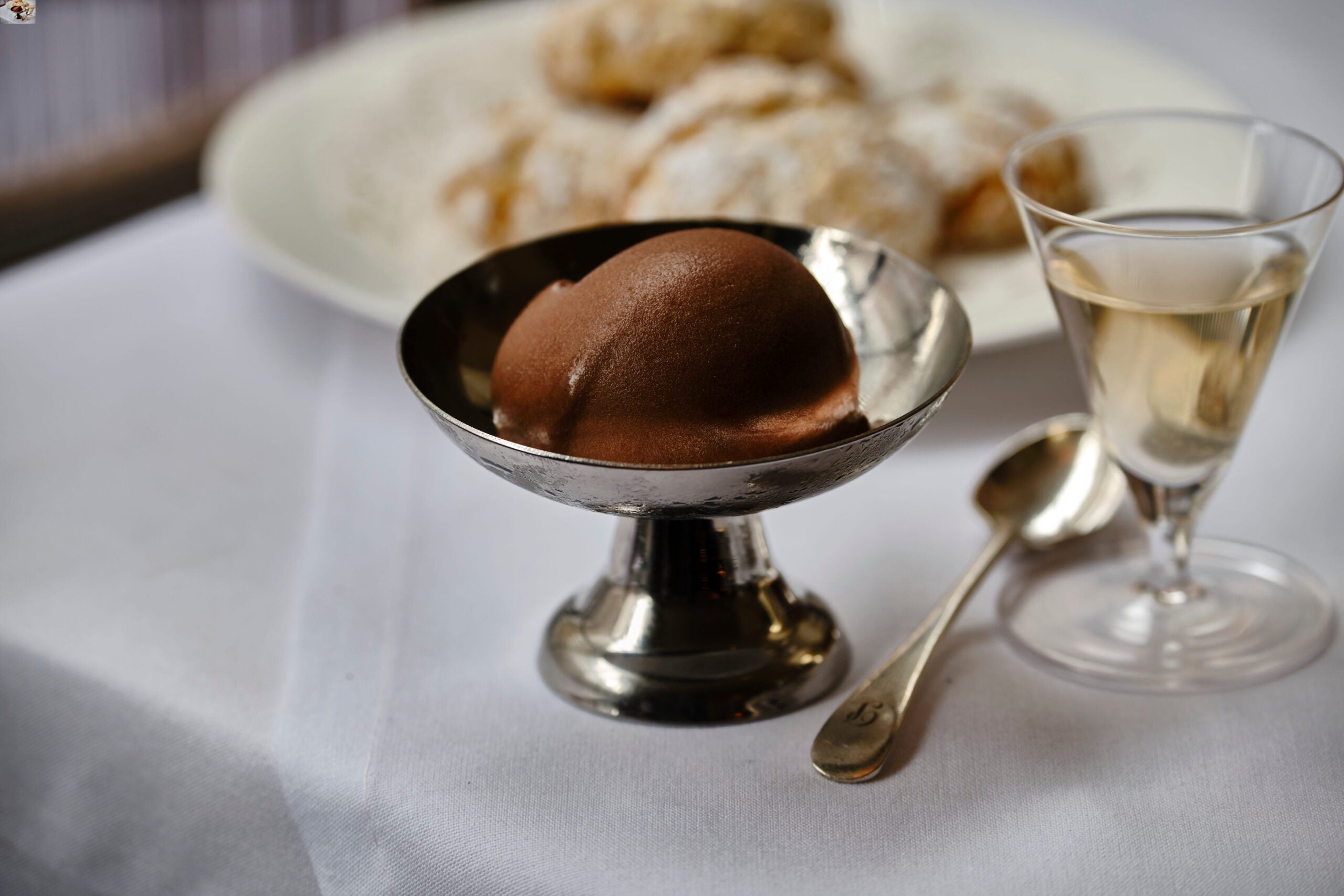
In tandem, a wave of chefs are on a mission to re-instate pudding to its former glory. “I think dessert completes the experience,” says Lingwood. “When I look at a menu, I look at the desserts straight away and think, ‘save room for this.’” Osteria Vibrato’s pastry section is alive and well, and led by Kate O’Sullivan. Instead of pulling back, the dessert list is propped up by theater, namely in the form of its made-to-order biscotti. They’re doughy, fudgy, and finger-tingingly hot. They’re messy, too, with clouds of icing sugar billowing over the table.
See also: Michelin Star Recipes You Can Make at Home
Kreuther shares the opinion that a restaurant experience is made or broken on a dessert. “The peak might belong to a particular savory course … but the ending always belongs to the pastry chef,” he says. “No other position in the kitchen owns the guest’s final impression more completely. A weak dessert program doesn’t just underperform – it quietly erodes the memory of everything that came before it.”
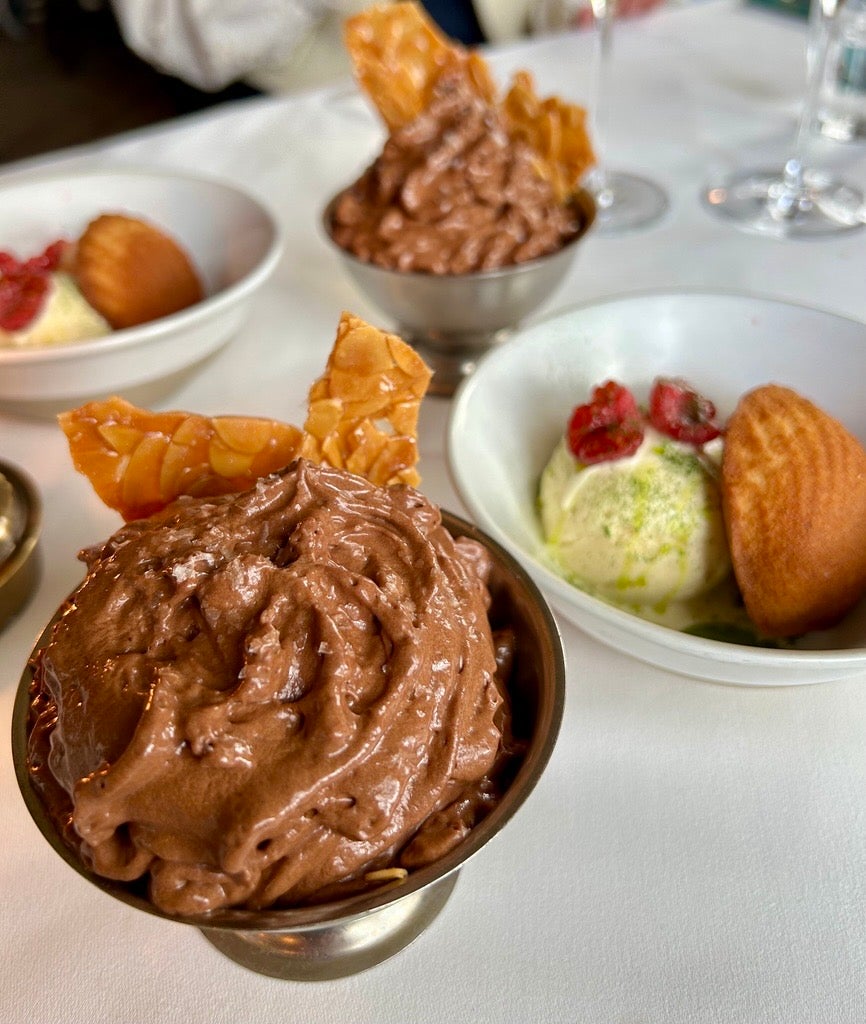
New York hotspot Corner Store – which has a whole Reddit thread dedicated to hopeful diners trying to secure a table – banks on nostalgia for its ever-popular dessert list, with the coconut and chocolate fudge ice cream sundae and Granny Smith apple pie becoming signatures. Hype has proved fruitful for these puds: The Corner Store requires pre-booking for even its take-out sundae pop-ups.

Even The Fat Badger’s dessert section removal has another angle: it’s highly likely that the head chef at what is often called one of London’s best restaurants is in the mixer making your pudding. Few other places can claim the same.
In an era when running costs are rising and profits, like many diners, appear to have undergone the Ozempic effect, some leading chefs believe investing in pastry is the key. “Since we’ve expanded a little bit on our dessert offering, our sales have rocketed,” Lingwood says. “If there’s an onus on the kitchen to entice you in with more variety, then people go for it. If you make dessert an afterthought, customers notice.” The proof really is in the pudding, then.