

Age is generally the ultimate shorthand for luxury in whisky.
Not exclusively, of course, but every decade spent in cask seems to add another digit to the hammer price. This is mostly due to scarcity – there aren’t that many casks of drinkable whisky that haven’t been guzzled after 40-odd years – rather than the subtly rounded flavors the spirit draws from sitting in wood for decades.
But another kind of whisky rarity is arriving towards the end of the year. Not a record-breaking age statement, nor the last cask from a ghost distillery, but a whisky whose rarity comes from where it was aged and how it got there. It is the only cask on Earth to have been aged in Antarctica.
The drink has been taken there before, including by Scott and Shackleton, and the frozen crates discovered beneath Shackleton’s Cape Royds hut have become part of whisky folklore. But taking whisky to Antarctica as expedition supplies is one thing. Sending a cask there to mature is quite another.
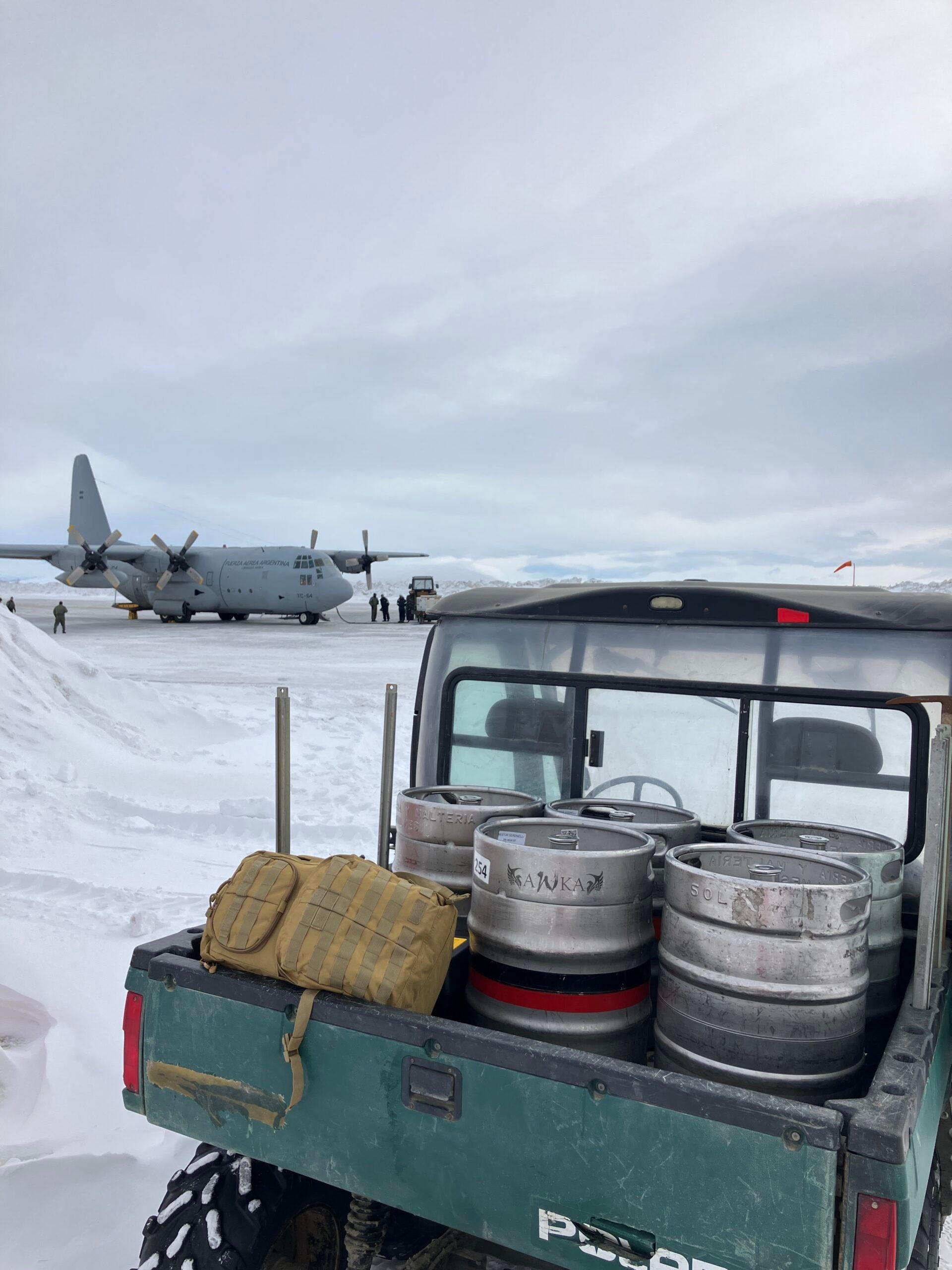
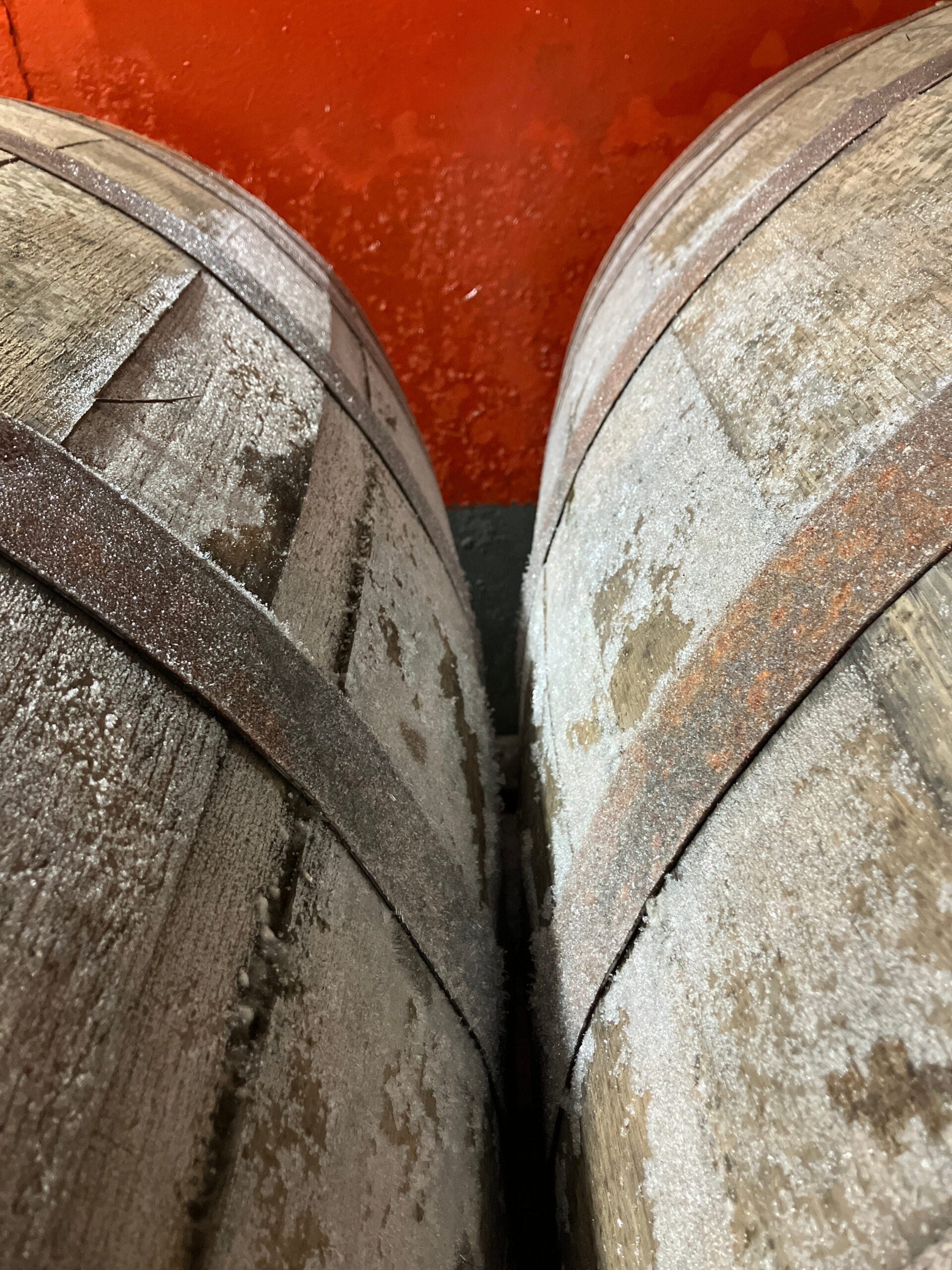
Getting a cask to Antarctica and leaving it there for three years is the kind of Boys’ Own Adventure that makes age statements feel a bit… well, pedestrian. If Scottish whisky matures in dignified repose, this one does so screaming and yelling like a kid on a rollercoaster. The spirit was flown to Argentina’s permanent Antarctic research station, Base Marambio, on a military transport plane and left in a sub-zero research base.
The Antarctic whisky is part of The 8 Continent Series, a new release from whisky entrepreneur Daniel Monk and his company Cask World, where eight whiskies, each matured on a different continent, are curated into one luxury collection.
Only 300 eight-bottle sets will be released, presented in a bespoke handcrafted wooden cabinet designed specifically for the collection. A small number of hand-painted artist sets will be auctioned separately, while the remaining numbered sets will be released to private collectors as an ultra-premium collection.
Monk himself is something of an adventurer. Brought up on ships by a father in the Merchant Navy, he has traveled the globe and is seemingly constantly fighting through a jungle, lounging on a beach or kayaking through the Amazon. Years ago, he explains, he set out to collect whisky matured on every continent on Earth. “The Antarctic whisky was the last frontier,” he says. He threw the gauntlet to Lila Serenelli and Néstor Serenelli, founders of La Alazana distillery in the Patagonian region of Argentina, to help him complete the set. After a year of tough conversations with the Argentine military, Néstor found himself strapped to a cask at the back of a C-130 Hercules heading south.
“We didn’t know what to expect as it has never been done before,” says Lila Serenelli, when asked what three years in the ice would do to her whisky. When tasting the returned samples, she says she immediately recognized the “DNA of La Alazana,” but there were floral notes in the glass she had not tasted before. “We realized it was something different that our whisky doesn’t usually have,” she says.
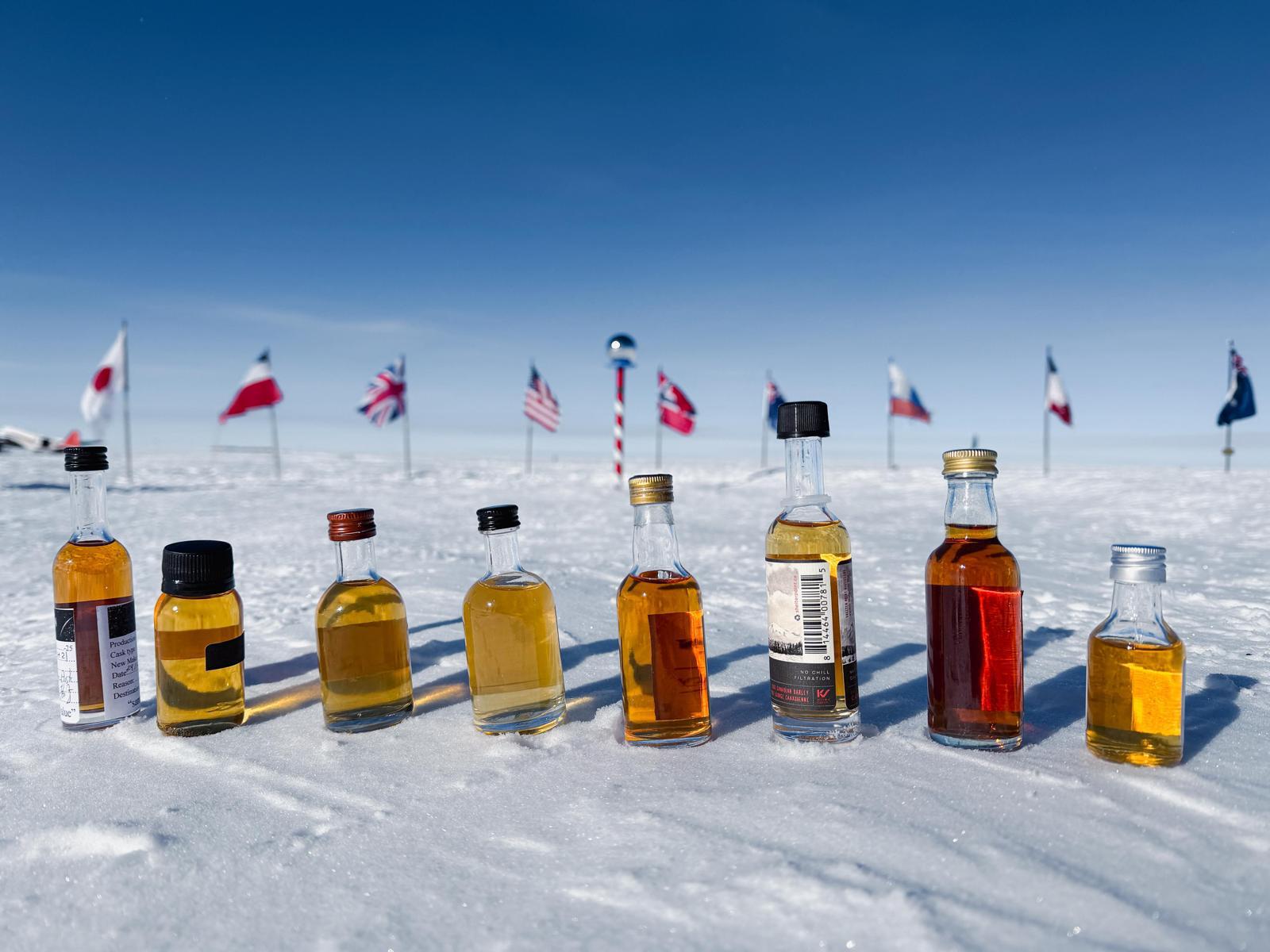
Not constrained by the rules and heritage of Scotch, Irish or bourbon, newer producers are using local grains, unusual climates, and different woods to reflect their own culture rather than copying the old model, Monk says. “I think we are entering a golden era of whiskies of the world,” he says, with joyful enthusiasm. All eight expressions are single malts, each matured in a different climate and selected to say something about their place. Some are younger, some older, while the collection includes unusual local barley, distinctive cask types and, in at least one case, the oldest whisky ever released by its distillery.
The eight distilleries he is working with may not all be household names yet, but they showcase the diversity and range that world whisky is now achieving. La Alazana in Argentina represents Antarctica, with its whisky matured at Base Marambio, while Union Distillery in Brazil represents South America, Shelter Point in Canada represents North America, Penderyn in Wales represents Europe, Boplaas in South Africa represents Africa, Rampur in India represents Asia, Lawrenny in Tasmania represents Australia, and Pōkeno in New Zealand represents Zealandia.
There will be sceptics, and fair enough. Antarctic-aged whisky is a phrase almost designed to make some people roll their eyes. It is theatrical, expensive, logistically overblown, and not exactly a practical blueprint for the future of maturation. But luxury has always had room for the gloriously unnecessary, particularly when there is genuine craft, difficulty, and curiosity behind it.

While research has been conducted into terroir – meaning how the type and location of grains affect a whisky – Monk claims this is the first in-depth research into how the location of a cask affects the liquid.
“What excited me was that no one had attempted a coordinated multi-continent maturation study before,” says Monk. “The industry talks about terroir and climate and environment, but there is still relatively limited scientific work that has been done across maturation regions.”
All eight whiskies are currently being bottled, with samples sent to Brazil for chemical analysis in a lab and to the UK for sensory analysis, which, in less scientific terms, means tasting them properly.

Dr Aline Bortoletto, the INOVBEV scientist leading the study, is examining how maturation location may have affected the liquid. “The temperature, the humidity, how and where they are stored, all create different flavours,” she says. “We have more than 3,000 reactions between barrels and liquid to look at.”
Age, rarity and historically important distilleries will still make up most pages of any auction catalogue, but The 8 Continent Series suggests there might be another version of rarity, built around geography, art, science, and a large dram of adventure – attributes the increasingly confident world of new whisky has in spades. The Antarctic cask may not change whisky forever, but it might yield some interesting answers. It might also be a pretty good indicator of where the top end of the category is heading: less predictable, more global, more story-led and willing to go to faintly ridiculous lengths for the right dram.