



As the founder of Jakotango Riding Safaris, Jakob von Plessen has spent most of his life chasing the edges of the map. Raised among Argentina’s gauchos, forged on horseback safaris in Kenya and now guiding riders through the wilds of Patagonia, he has built a career around taking people far beyond their comfort zones. It was perhaps inevitable, then, that he would create one of the world's most demanding equestrian challenges.
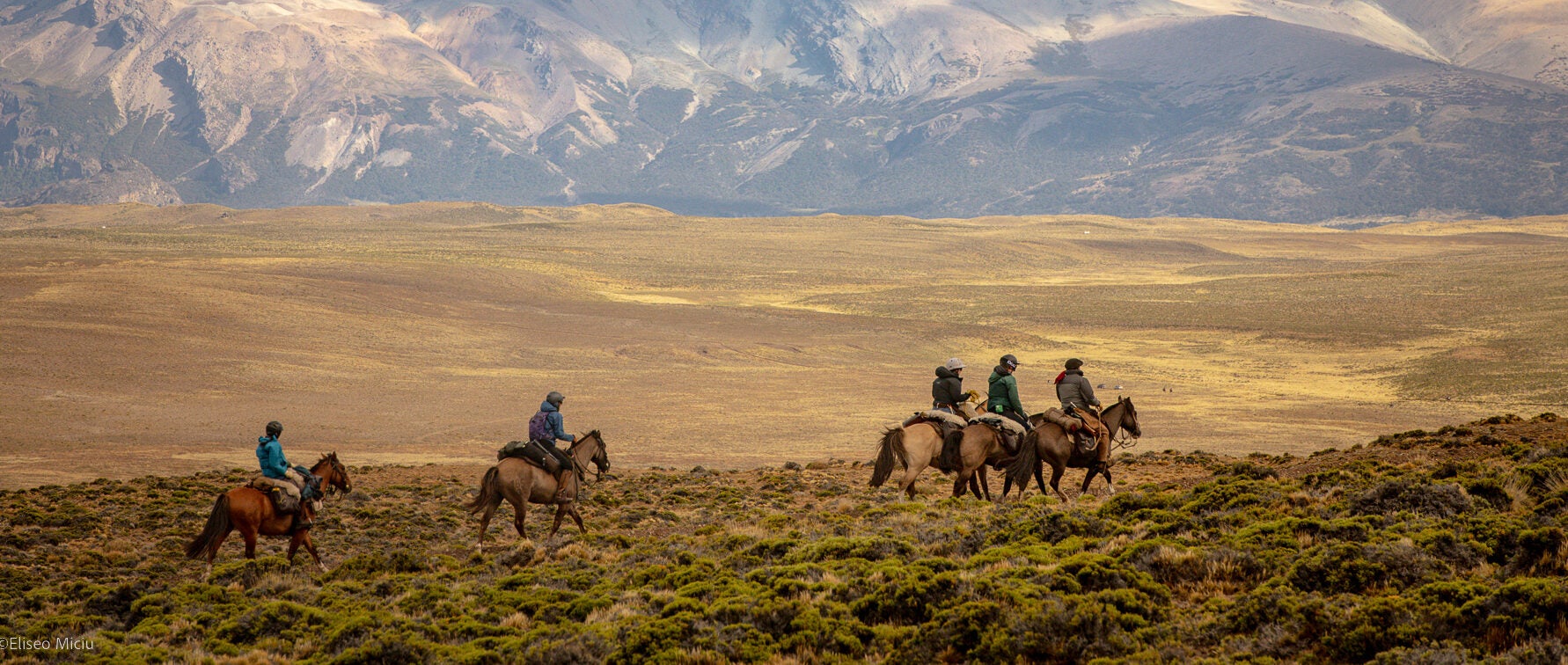
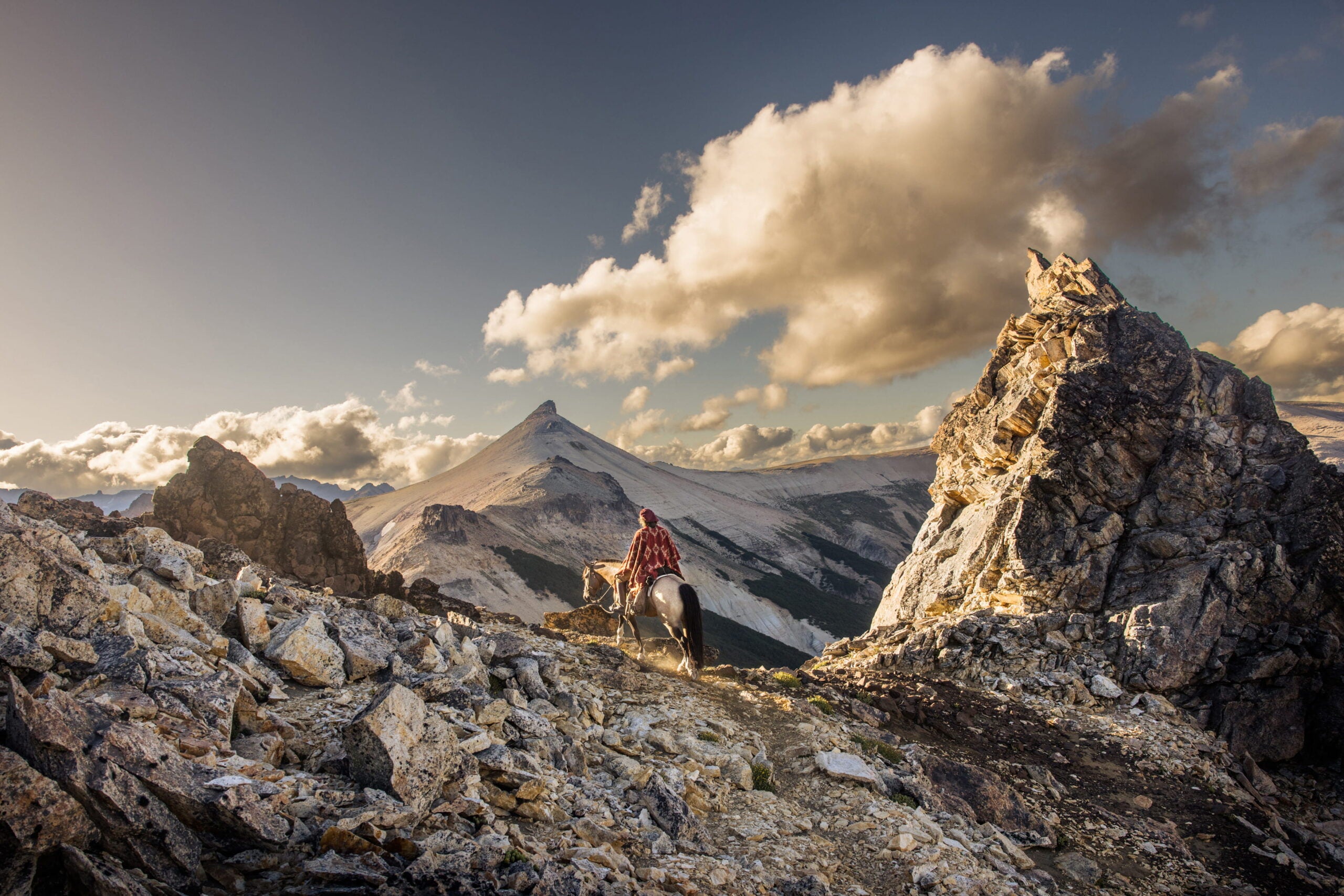
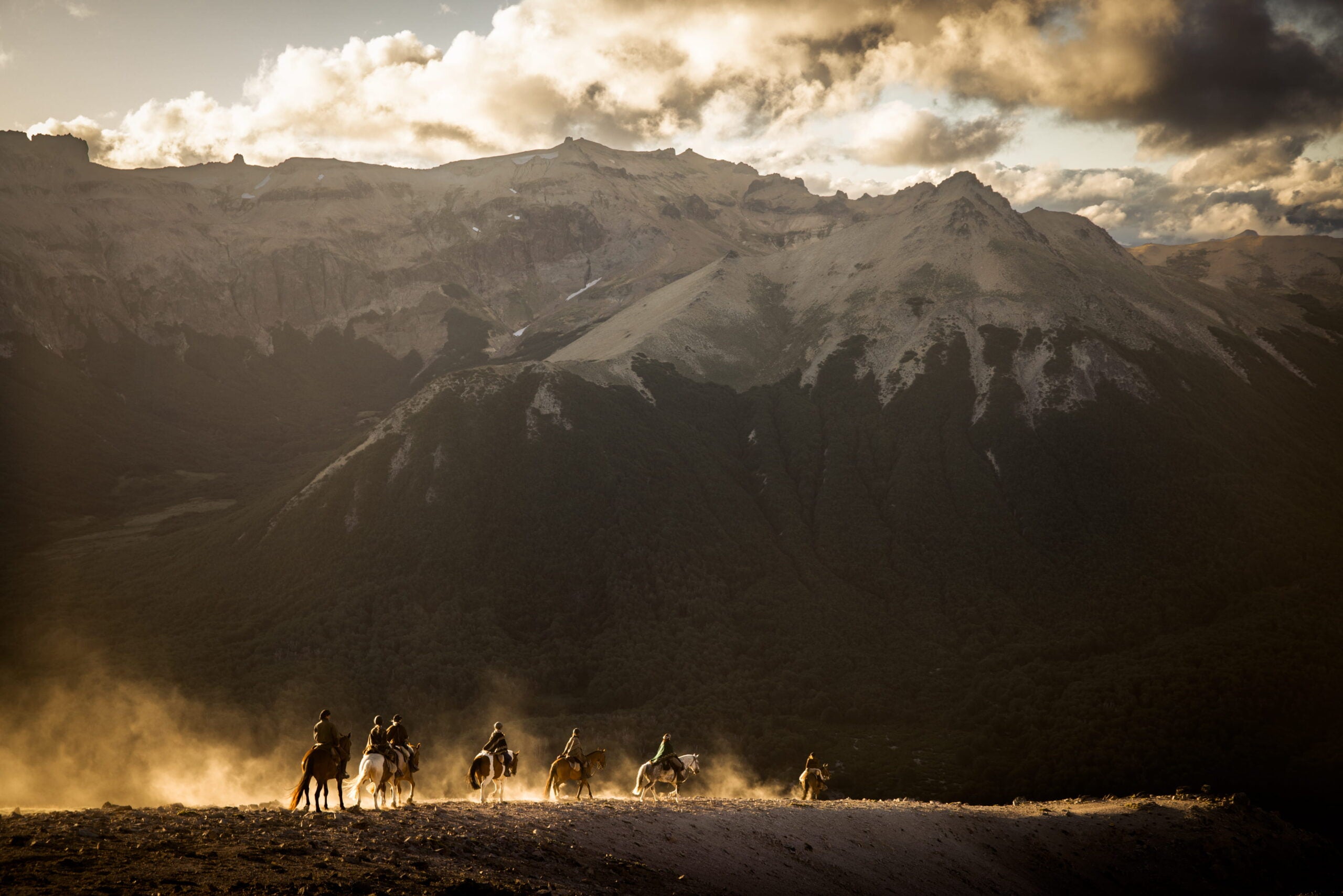
The Pass of Tears is a 400km ultra-endurance race through Patagonia’s most unforgiving terrain. Part competition, part survival test, it challenges riders to navigate remote valleys, mountain passes, and unpredictable weather on horseback, relying as much on horsemanship as physical endurance. Launched in Patagonia earlier this year, the Pass of Tears is not a conventional equestrian competition. There are no grandstands, hospitality tents or meticulously manicured courses. Instead, competitors are given two horses and 10 days to traverse a route that cuts through remote valleys, forests, bogs, and high Andean passes, including the race’s namesake: Paso de las Lágrimas, or the Pass of Tears.
“It’s an endurance-survival race,” explains von Plessen. “You are self-sufficient for food and kit during this time with few resupply stations. It is very tough and your horsemanship skills are crucial to complete it successfully.” The concept feels almost anachronistic in an era of curated adventure travel. Yet that is precisely its appeal. Pass of Tears asks competitors to rely on judgment, resilience, and their relationship with their horses in a way few modern sporting events still do. The inaugural edition attracted an impressive field, including British husband-wife-team Toby and Callie Coles, whose participation underscored the race’s growing reputation among some of the equestrian world's most accomplished horsemen and women.
See also: Equestrian Escapes That Let You Travel With Your Four-Legged Friend
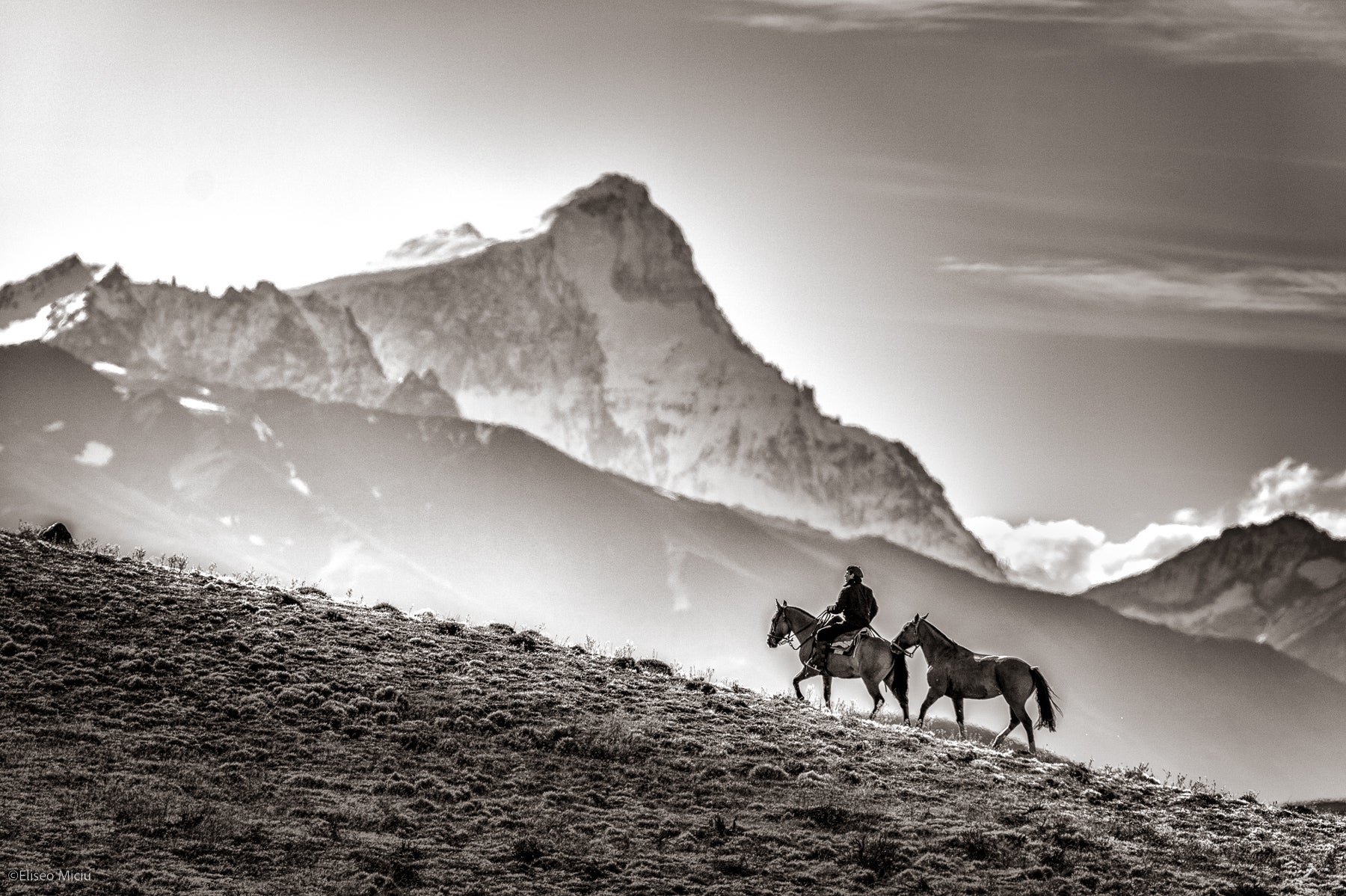
For von Plessen, the race is less a radical innovation than the culmination of a life spent in the saddle. Raised on a cattle farm in Argentina, he grew up immersed in the ranching and hunting traditions of the gaucho. Life in rural Patagonia during the 1980s was remarkably unchanged from generations before. “Our phone was a wooden box with an earpiece and a lever that you had to turn to reach the operator,” he recalls. “Our number was number 11.” Roaming around came early. Alongside other children, he rode three miles to school every day on horseback. “We were totally independent on our ponies,” he says. “It gave us a very rewarding sense of freedom.”
That independence became the foundation of a lifelong fascination with horses. He admired the local gauchos and sought out anyone willing to teach him about horsemanship. At just 15, he broke in his first horse, a thoroughbred stallion gifted by his mother for his birthday. “That’s the day I started breeding and collecting horses,” he reminisces. Today, his herd numbers around 200 animals, many of which are used across his riding operations in Patagonia and Kenya, as well as in the Pass of Tears race itself.
While Patagonia shaped his understanding of horses, Africa expanded his understanding of adventure. During a gap year, von Plessen joined Offbeat Riding Safaris in Kenya, the pioneering horseback safari company founded by the late Tristan Voorspuy. What began as a temporary job became a career. More than two decades later, he is a partner in the business, guiding riders across vast stretches of wilderness where wildlife still outnumbers people.
See also: The Equestrian Expert’s Guide to Dressing for a Horse-Riding Trip
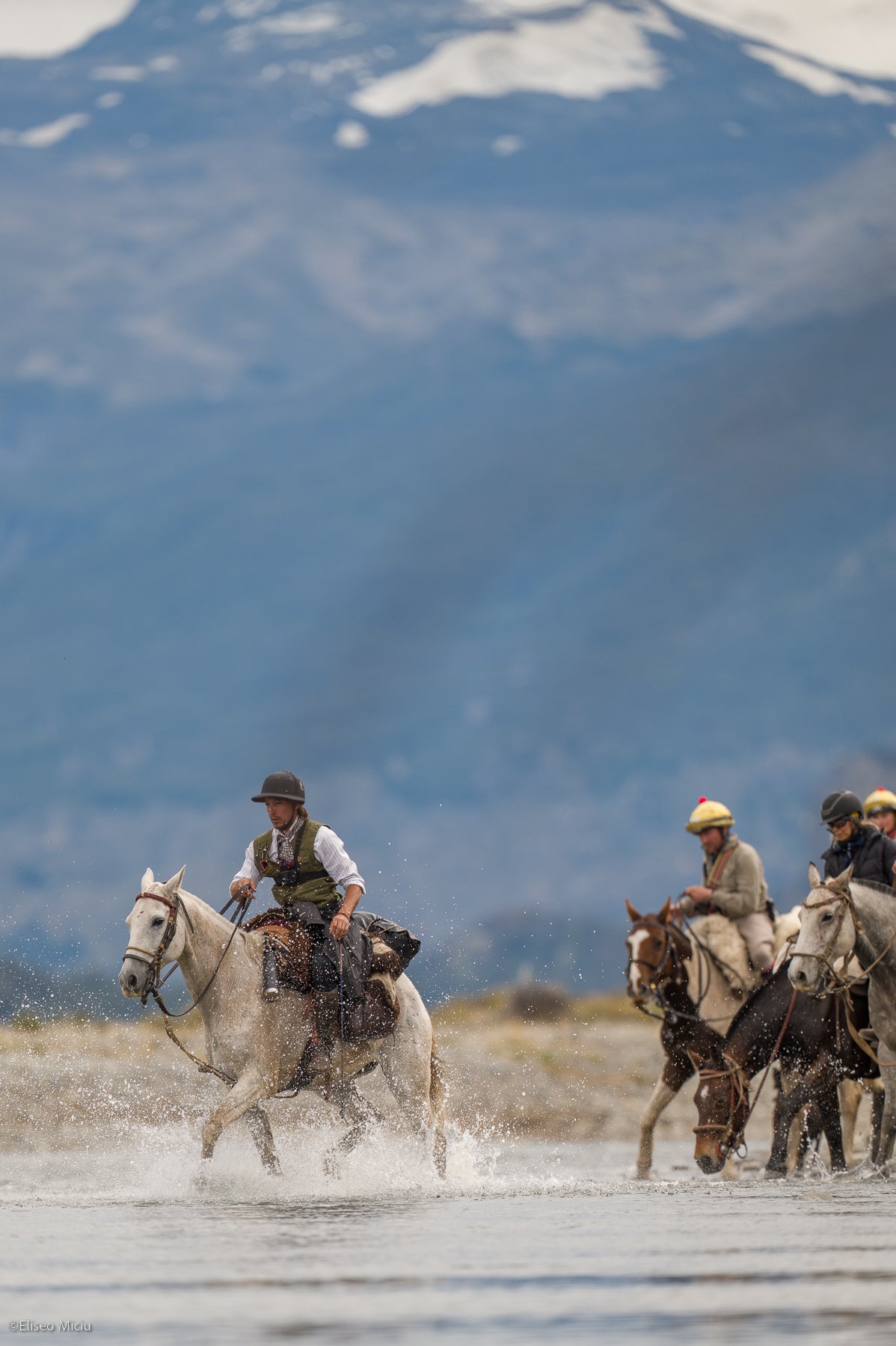
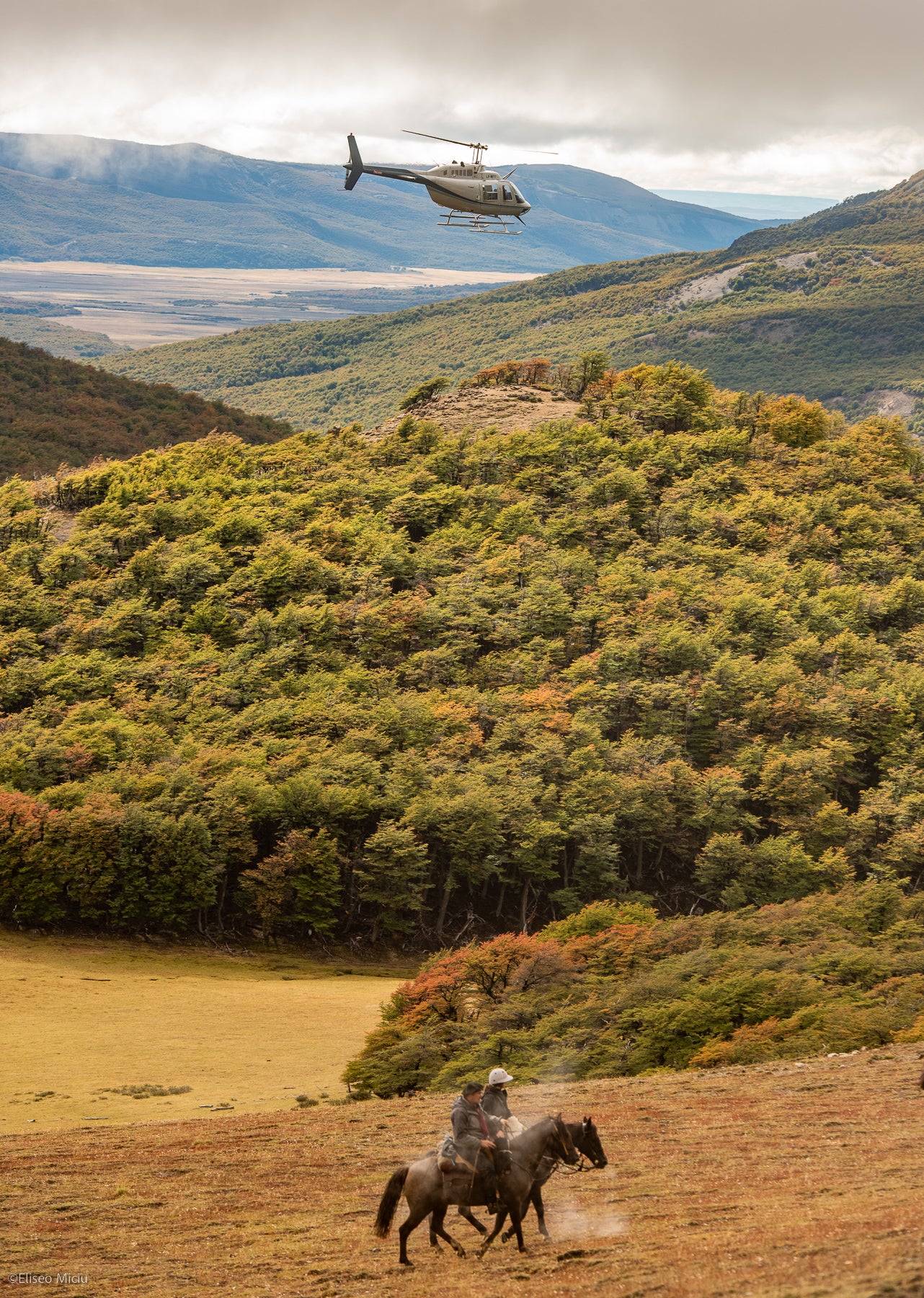
The parallels between Kenya and Patagonia are perhaps greater than they first appear. Both reward patience, horsemanship and respect for the landscape. Both offer a rare sense of scale. And both have helped define von Plessen’s philosophy as a guide. That philosophy is evident throughout the Pass of Tears. Despite the race’s formidable reputation, it is not simply a test of speed. Riders are provided with waypoints, but navigation remains their responsibility. Weather, terrain, and decision-making are all part of the challenge. “The bogs and forests are treacherous,” says von Plessen. “The mountain passes are rocky and exposed to the weather. So many things can go wrong.”
Yet that uncertainty is what makes the experience compelling. “It is also extremely beautiful,” he adds. “The fact that you are self-guided but in a controlled environment makes it a unique experience.” Controlled, in this context, does not mean easy. A team of veterinarians, medics, and race officials monitor competitors throughout the event, ready to intervene if necessary. But participants remain largely responsible for their own progress through the mountains.
The welfare of the horses, meanwhile, remains paramount. “Of course, our prime concern is animal welfare,” von Plessen stresses. “We keep a close and very professional eye on the horses at every vet check.” Throughout the race, horses undergo mandatory veterinary inspections assessing everything from heart rate and metabolic health to soundness and overall condition before being cleared to continue. In fact, a rider can cross the finish line first and still lose if their horse fails to pass its final veterinary examination.
As in the world's leading endurance events, one of the highest honors is the coveted ‘Best Condition’ award, given not to the fastest horse, but to the one judged healthiest and fittest at the end of the journey. That emphasis on partnership over performance is reflected in the riding itself. Competitors frequently dismount to walk alongside their horses on steep climbs, technical descents and difficult terrain, conserving energy for the miles ahead.
See also: How To Channel Cowboy Chic in Contemporary Interiors
Pass of Tears
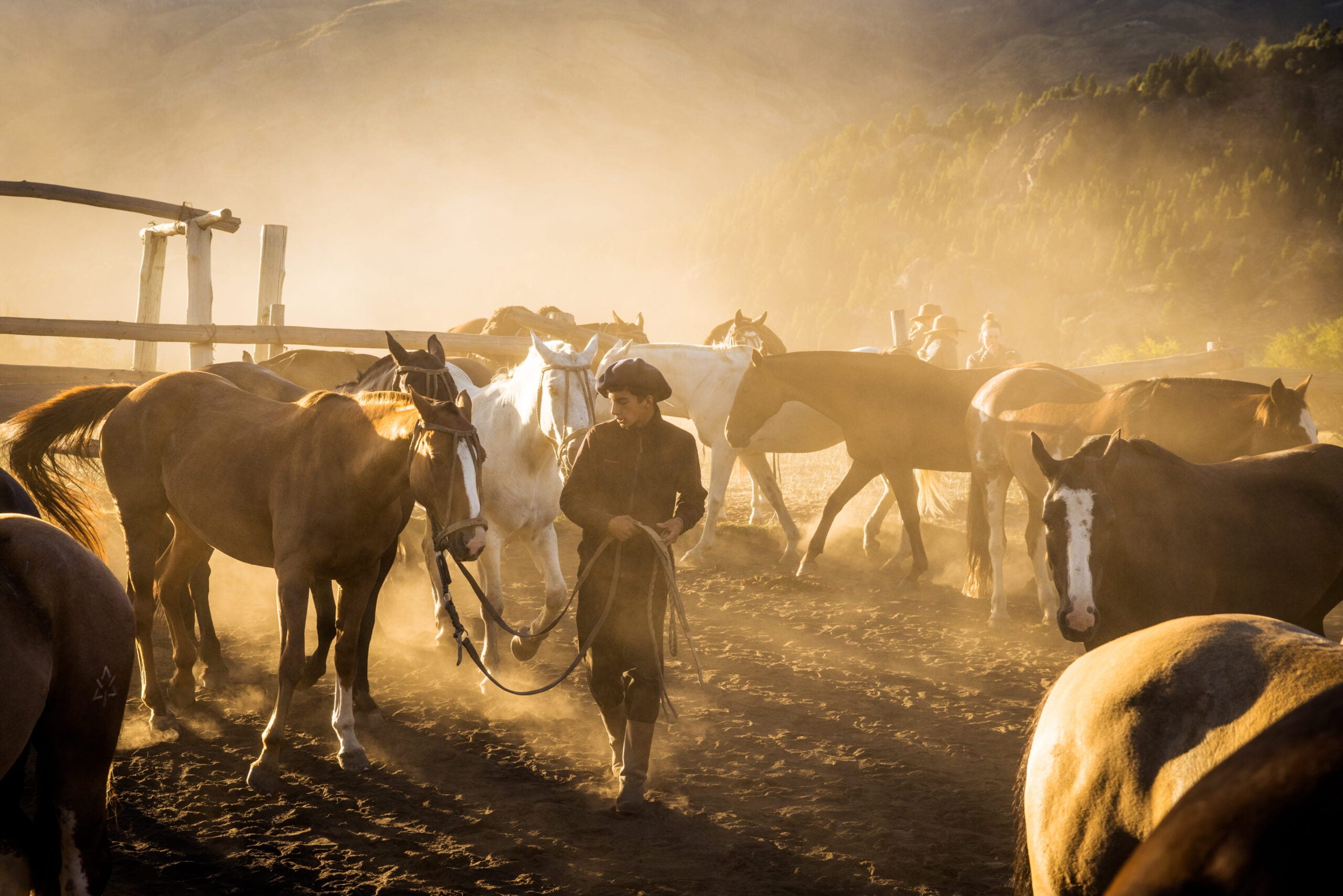
The race has a growing reputation in the equestrian world.
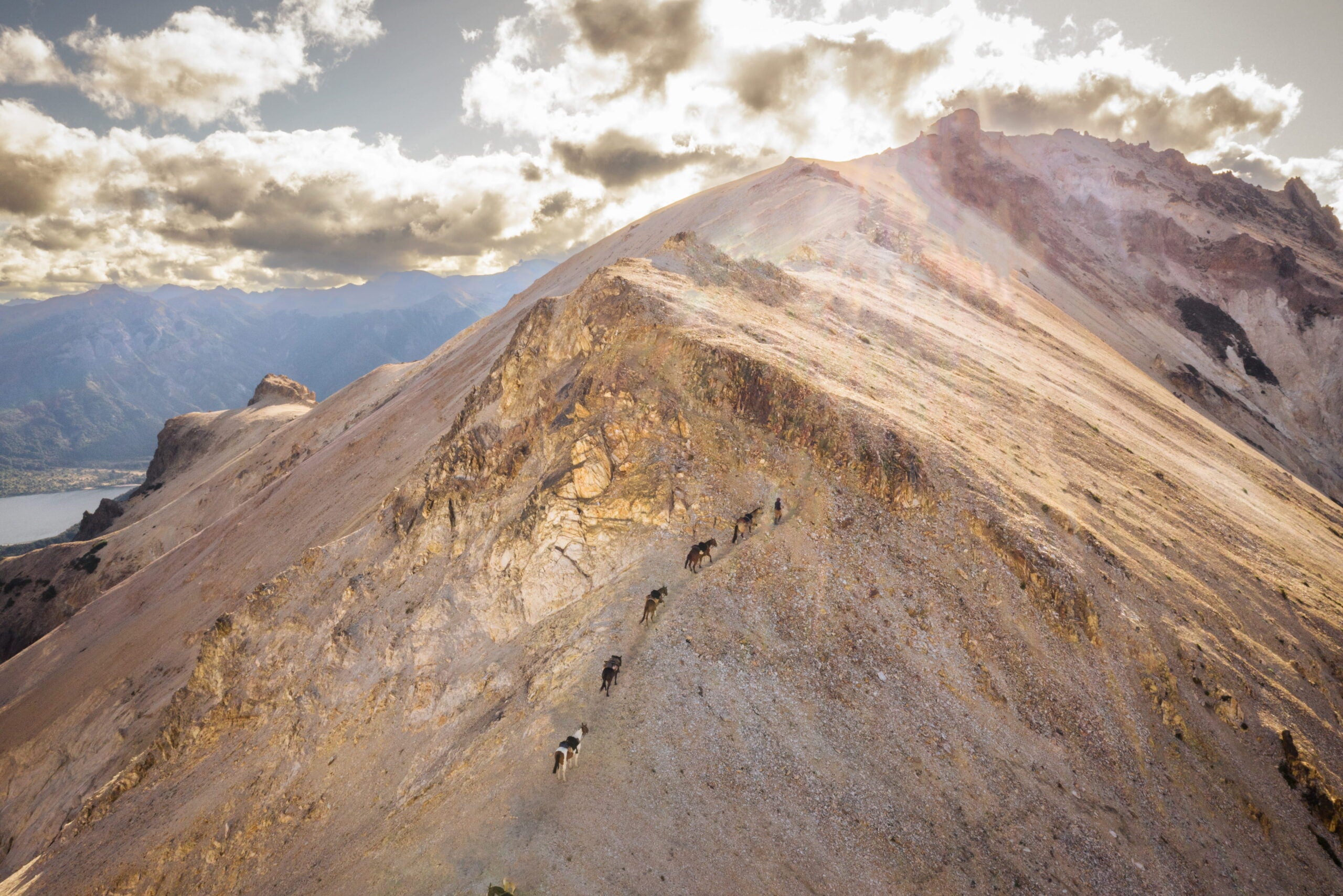
Pass of Tears is a 400km race through Patagonia’s challenging terrain.
Von Plessen was raised on a cattle farm in Argentina.
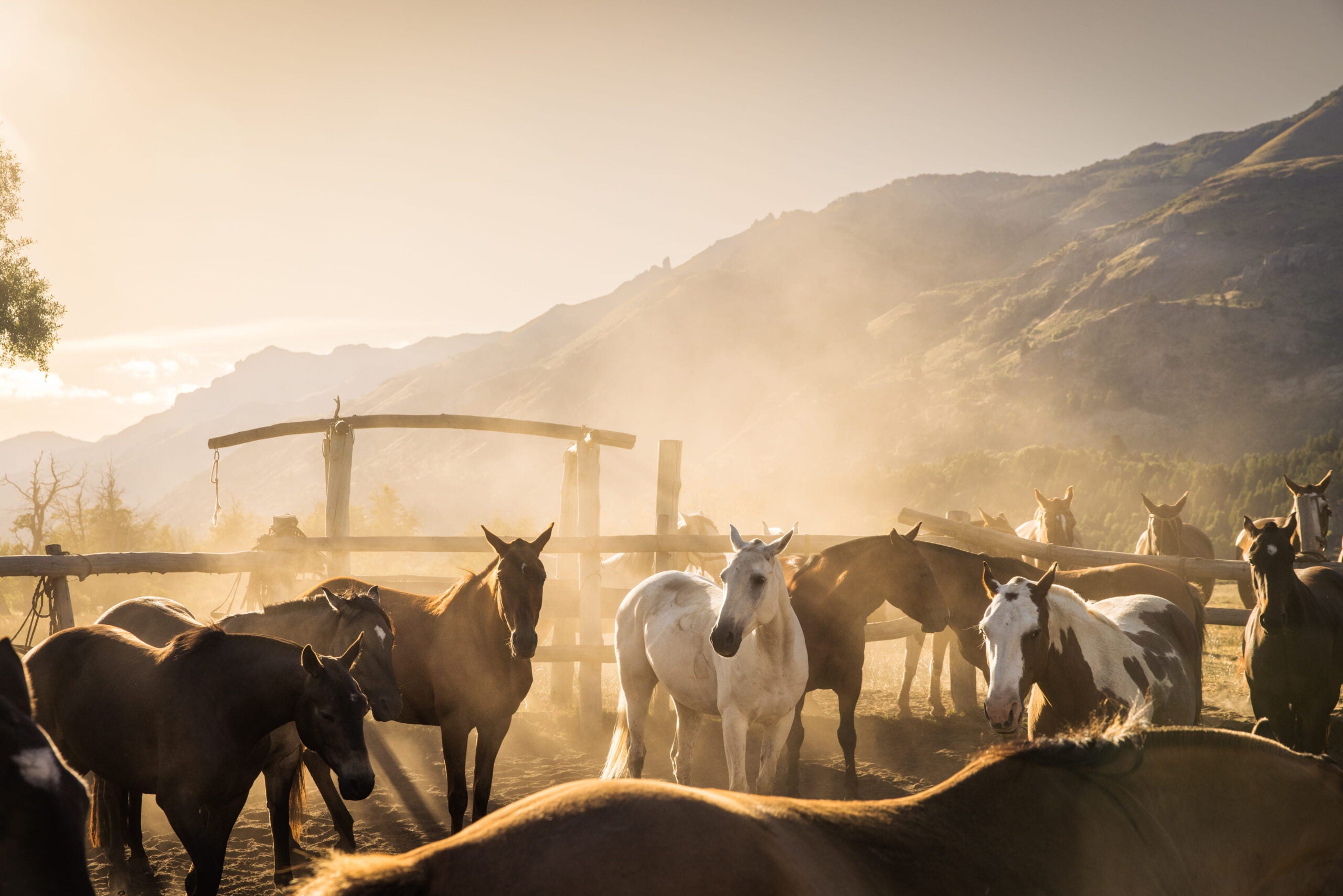
Pass of Tears uses a variety of horses for competing.
The horses themselves are central to the race’s identity. Patagonia’s native criollo breed has long been celebrated for its toughness, agility, and endurance, qualities developed over centuries in harsh conditions. While the Pass of Tears uses a variety of horses, the criollo remains its defining influence. “They are our local horses, known for being tough and nimble.”
The race arrives at a moment when adventure travel is increasingly shifting away from passive luxury toward active participation. Across the travel industry, there is growing demand for experiences that test physical and mental limits rather than simply providing comfort. Von Plessen believes the appeal remains niche, but he understands why it resonates. “It’s for people who find luxury not only in a five-star safari lodge in Africa but also, or mainly, in challenging experiences like this,” he observes.
The challenge is not solely physical. Riders must manage fatigue, navigate unfamiliar terrain, set camp, and care for their horses through changing weather and difficult conditions. “It is emotionally and physically exhausting,” he admits. “I think there can be huge satisfaction found by reaching those extremes. It’s about testing our limits.” Importantly, those are shared with the animals carrying them across the landscape. “It’s also about knowing the limits of our horses and making sure we look after them the best way possible in these harsh conditions.”
Applications are now open for the 2027 edition (March 4-18), and von Plessen expects the event to become an annual fixture. In Patagonia's backcountry, knowing when to hold back matters as much as knowing when to push on – success depends on reading terrain, weather, and the condition of the horse beneath you. For von Plessen, that lesson – and tension between resilience and restraint – has been decades in the making. The race is simply another way of teaching it.