


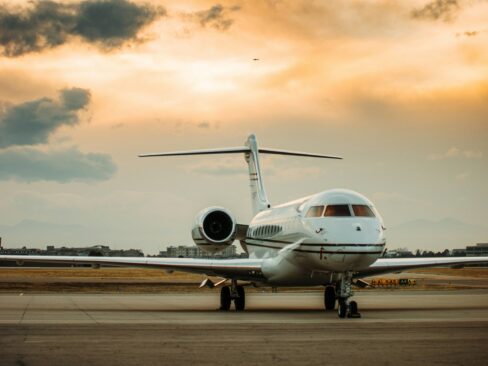

As the global capital of luxury, fashion, and business, Paris sees no shortage of private jet traffic.
Corporate executives, heads of state, celebrities, and UHNW leisure travelers arrive year-round, whether for Fashion Week, the Paris Air Show, or a quick stop before heading south to the Riviera.
Unlike London, where private aviation is split across several major airports, Paris private jet traffic is concentrated around one clear front-runner: Paris-Le Bourget Airport. Europe’s busiest airport dedicated exclusively to business aviation, Le Bourget, handles the vast majority of private jet arrivals into the French capital. But alongside it, Paris Orly, Charles de Gaulle, Toussus-le-Noble, and Pontoise–Cormeilles can all play a role.
Choosing the right Paris airport is not simply a question of runway availability. It depends on the size of the aircraft, the traveler’s final destination, and whether the priority is speed into the city, long-haul capability, or access to commercial connections. This guide explores the main private jet airports serving Paris and how to choose the right one for your trip.
See also: A Guide to London's Private Jet Terminals
Private jet airports in Paris
-
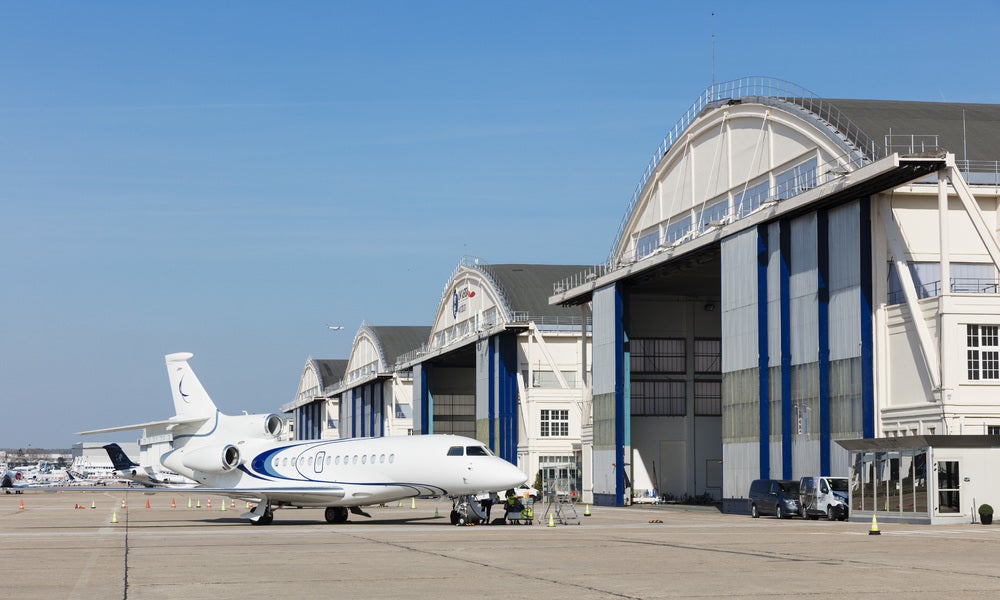
Paris-Le Bourget Airport
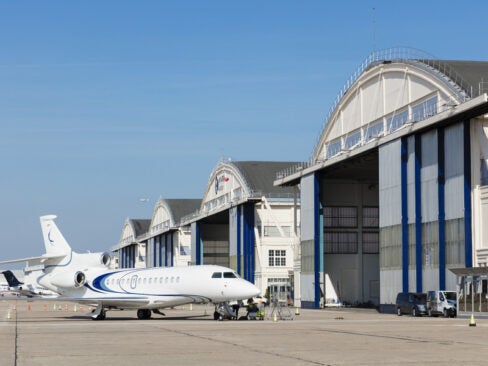
Paris-Le Bourget Airport is the definitive gateway for private jet travel in Paris. Located around seven miles northeast of the city center, the airport offers relatively swift access to central Paris, with transfers typically taking around 25 to 35 minutes by car depending on traffic.
Le Bourget is almost entirely devoted to business aviation, which is precisely why it remains the airport of choice for executives, celebrities, diplomats, and ultra-high-net-worth travelers who value privacy and speed. There are no commercial terminals to contend with and no sense of being folded into a much larger commercial operation.
Operationally, it is also the most flexible airport in Paris for private aircraft. With three runways, including one just under 10,000 ft, Le Bourget can accommodate everything from turboprops and very light jets to ultra-long-range aircraft and VIP-configured airliners. For owners and charter clients flying in on a Gulfstream G650, Global 7500, Falcon 8X, or similar heavy business jet, this is the natural first choice.
Le Bourget’s appeal is also down to the concentration of FBOs on site. Operators here include major names such as Signature Aviation, Jetex, Dassault Falcon Service, Universal Aviation, Advanced Air Support, and Sky Valet/ExecuJet, and depending on the FBO, facilities can extend to meeting rooms, shower suites, dispatch support, aircraft maintenance, and tarmac-to-car transfers that allow passengers to step from jet to chauffeured vehicle with minimal time spent inside a terminal.
-
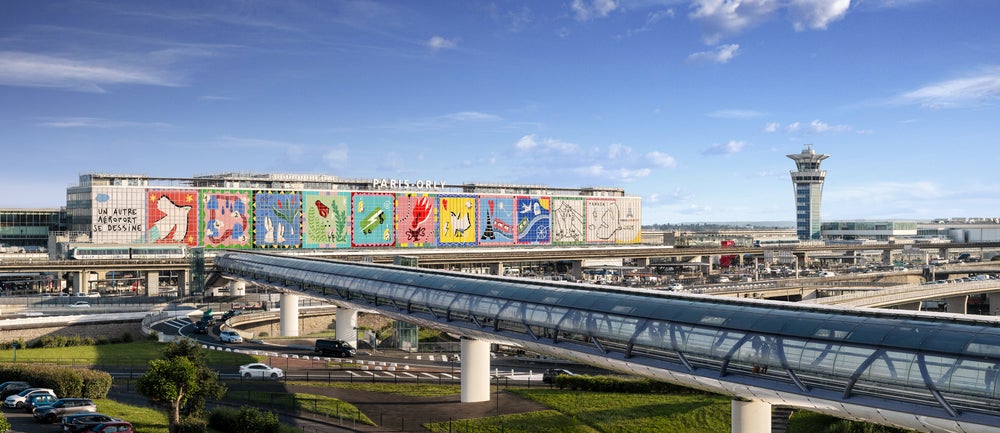
Paris Orly Airport
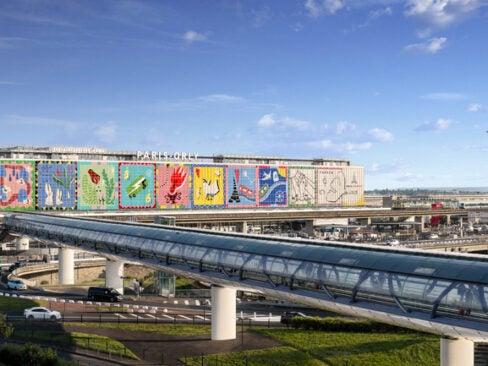
Paris Orly Airport may not have Le Bourget’s business aviation pedigree, but it remains a useful private jet option, particularly for travelers staying on the Left Bank, heading to the southern suburbs, or continuing toward Versailles and the southwest. Located roughly 11 miles south of central Paris, it can shave meaningful time off the onward drive depending on where in the city you are staying.
Orly is first and foremost a commercial airport, but it is fully capable of handling business aviation, with runways long enough to accommodate a broad spectrum of aircraft, including midsize and heavy business jets.
The private aviation experience here is more restrained than at Le Bourget, with dedicated handling and VIP services rather than a whole ecosystem of standalone business aviation terminals. That said, private passengers can still expect discreet arrivals and departures, separate handling, expedited security and border formalities where applicable, concierge coordination, and direct aircraft transfers.
-
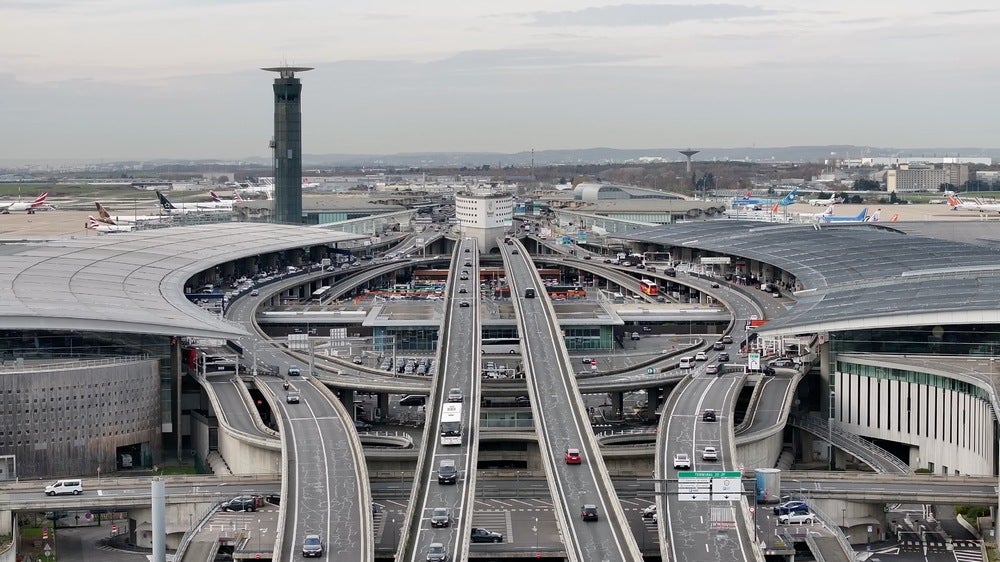
Paris Charles de Gaulle Airport
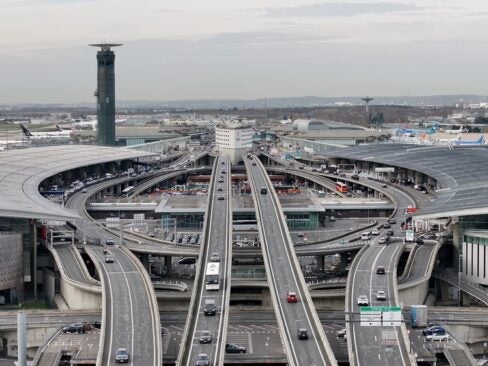
Paris Charles de Gaulle Airport occupies a slightly different role in the private aviation landscape. As France’s largest international hub, CDG can be an extremely useful one for certain itineraries, particularly those involving long-haul arrivals or onward commercial connections.
For aircraft capability, CDG is not the issue. Its runways are among the longest in France and can easily accommodate heavy and ultra-long-range business jets, as well as VIP-configured commercial aircraft. Where CDG differs is in the experience on the ground. Private aviation here is more structured, with tighter slot management, mandatory handling, and a more regulated operating environment than at Le Bourget.
That said, there are dedicated VIP services in place. Jetex has a presence at Charles de Gaulle and offers ground handling, meet-and-assist, concierge support, crew accommodation, fuel arrangements, executive lounge access, flight planning, and dispatch services. More broadly, private passengers using CDG can arrange expedited security and immigration, luxury ground transportation, and tailored handling for high-profile arrivals and departures.
-
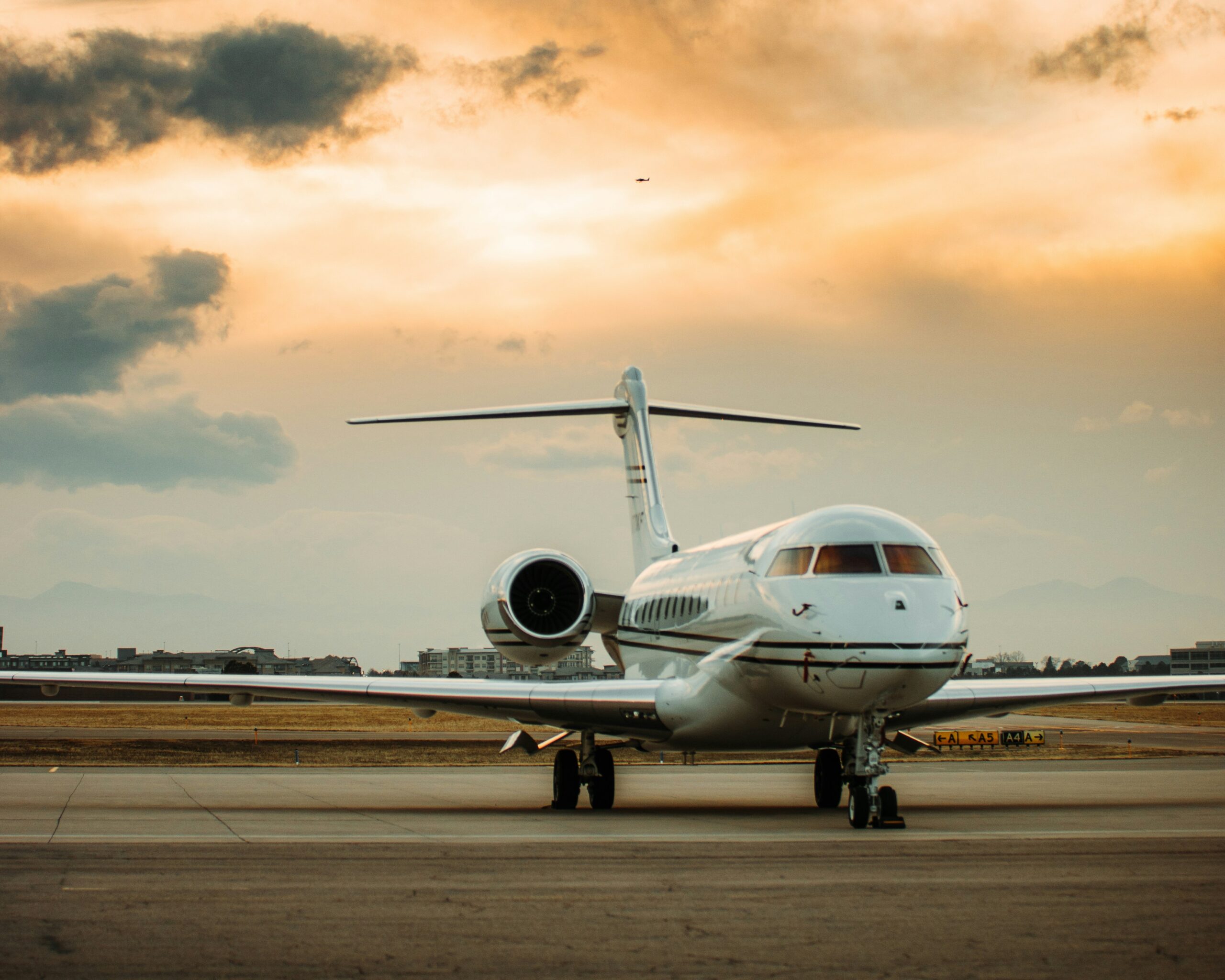
Toussus-le-Noble Airport
Toussus-le-Noble Airport sits around 48 miles southwest of Paris, near Versailles, and serves a very different purpose from Le Bourget, Orly, or Charles de Gaulle. Smaller, quieter, and far more limited in terms of runway capability, it is a discreet business and general aviation airport for short-haul flying rather than a Paris gateway for heavy private jets.
Toussus-le-Noble’s runways are just over 3,000 ft in length, which makes it suitable for turboprops, piston aircraft, very light jets, and some light business jets under the right operating conditions, but not for heavy or ultra-long-range aircraft – so best to avoid rerouting your Global 7500 or Gulfstream G650 here.
Toussus can be highly convenient, though, as travelers heading to Versailles, Saint-Quentin-en-Yvelines, or business addresses to the west and southwest of Paris may find it the most efficient airport of the lot. It avoids the scale and congestion of the larger Paris airports and can offer very quick turnarounds for regional flights.
Services are correspondingly simpler than at Le Bourget, but private aviation handling is still available. Operators can arrange parking, fuel, catering, ground handling, onward car transfers, and other executive support services, even if the experience is less about lavish FBO lounges.
-

Pontoise-Cormeilles Airport
Pontoise-Cormeilles is another airport worth knowing about. Granted, since it is located 58 miles northwest of Paris, it sits much further out than Le Bourget, but it does occasionally function as a secondary business aviation and general aviation option for certain flights, should the top choice get too busy.
Like Toussus, Pontoise is better suited to smaller aircraft than heavy long-range jets. Its longest runway measures around 5,500 ft, which makes it viable for turboprops, very light jets, and some light and midsize business jets, depending on payload and route.
For the right aircraft and itinerary, however, it can still be useful. Pontoise is sometimes used for lower-profile business aviation movements, training, repositioning, and regional private flights, and can make sense for passengers headed to the northwestern side of the capital or beyond. Executive handling and business aviation support are available, but the draw here is functionality rather than fanfare.