
World Earth Day offers an opportunity to step back and appreciate the planet’s natural beauty, and now, more than ever, commit to protecting it. Across travel, dining, wine, and spirits, a growing number of operators are questioning long-established models of luxury and excess – and trying to reshape them from within.
For World Earth Day 2026, we sat down with some of the sustainable changemakers across the luxury market – those committed to creating true change in their fields.
Gísli Matthías Auðunsson, Chef at Ylja Restaurant by Laugarás Lagoon, næs, and SKÁL!, Iceland
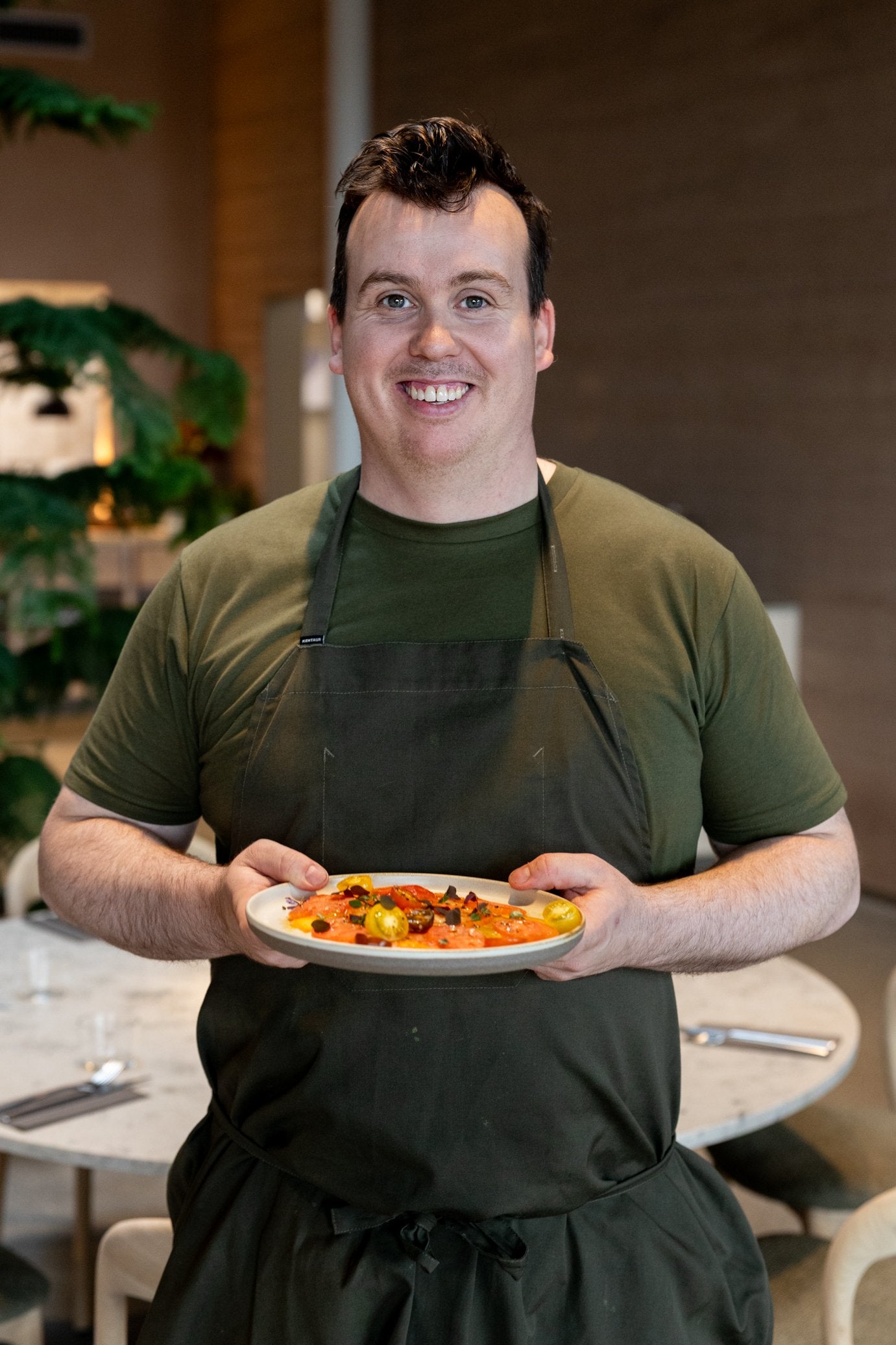
Born in Vestmannaeyjar, a small island off Iceland’s south coast, Gísli Matthías Auðunsson grew up surrounded by fishing culture and home cooking, both of which continue to shape his work today. In 2012, he founded Slippurinn, a seasonal restaurant shaped by its surroundings, where menus follow what the island can offer at any given moment. A decade on, it has built an international following, alongside his Reykjavík food hall Skál!, which earned a Bib Gourmand in the Michelin Guide, and casual dining spot NÆS.
“For me, sustainability is not a layer added on top for storytelling or branding. It has to be embedded in the identity of the restaurant and in the flavor of the food itself,” says Icelandic chef Gísli Matthías Auðunsson.
While the philosophy has always been present, he says the last few years have brought a more intentional approach. “Sustainability has moved from being a value in the background to something that actively shapes almost every decision we make in the kitchen,” he explains. “Earlier on, it was more instinctive – use what is around you, respect the ingredient, waste as little as possible. Now it is much more deliberate.”
That shift is visible in the way the kitchen operates day to day – whole-product cooking, preserving, fermenting, and a focus on ingredients that might otherwise be overlooked. It also means building menus around what is genuinely available locally, rather than forcing external expectations onto the season.
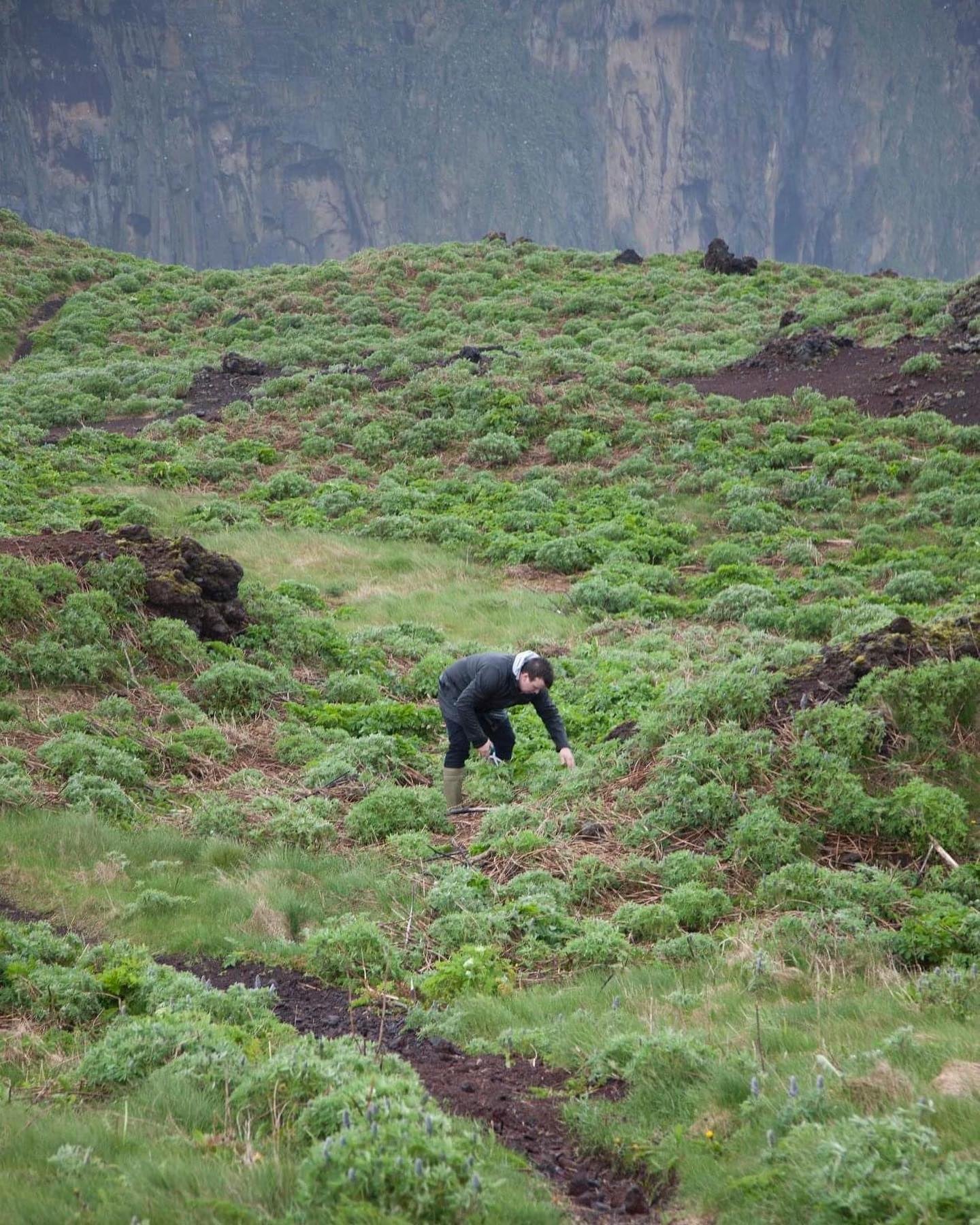
“We try to work as closely as possible with local farmers, fishermen, and producers, and build menus around what is genuinely available rather than forcing a fixed idea onto the season,” he says. “I think more carefully about where products come from, how they are produced, how far they have traveled, and whether they truly belong on the plate.”
But he is careful not to frame this as a restriction. “I am not interested in sustainability if it makes the food feel like a compromise,” he says. “What sets our approach apart is that we try to make responsibility part of the character and pleasure of the meal.”
For Auðunsson, that is where the definition of luxury is shifting. “True luxury today is not excess – it is thoughtfulness, quality, and a deep connection to place,” he says. “A dish can feel luxurious because it is rare, seasonal, carefully handled, and emotionally resonant.”
The model is not without trade-offs. Working alongside the seasons introduces unpredictability, and turning down certain ingredients or styles of service can be commercially limiting, but he believes clarity of purpose ultimately strengthens the restaurant rather than limiting it. “It attracts the right team, the right producers.”
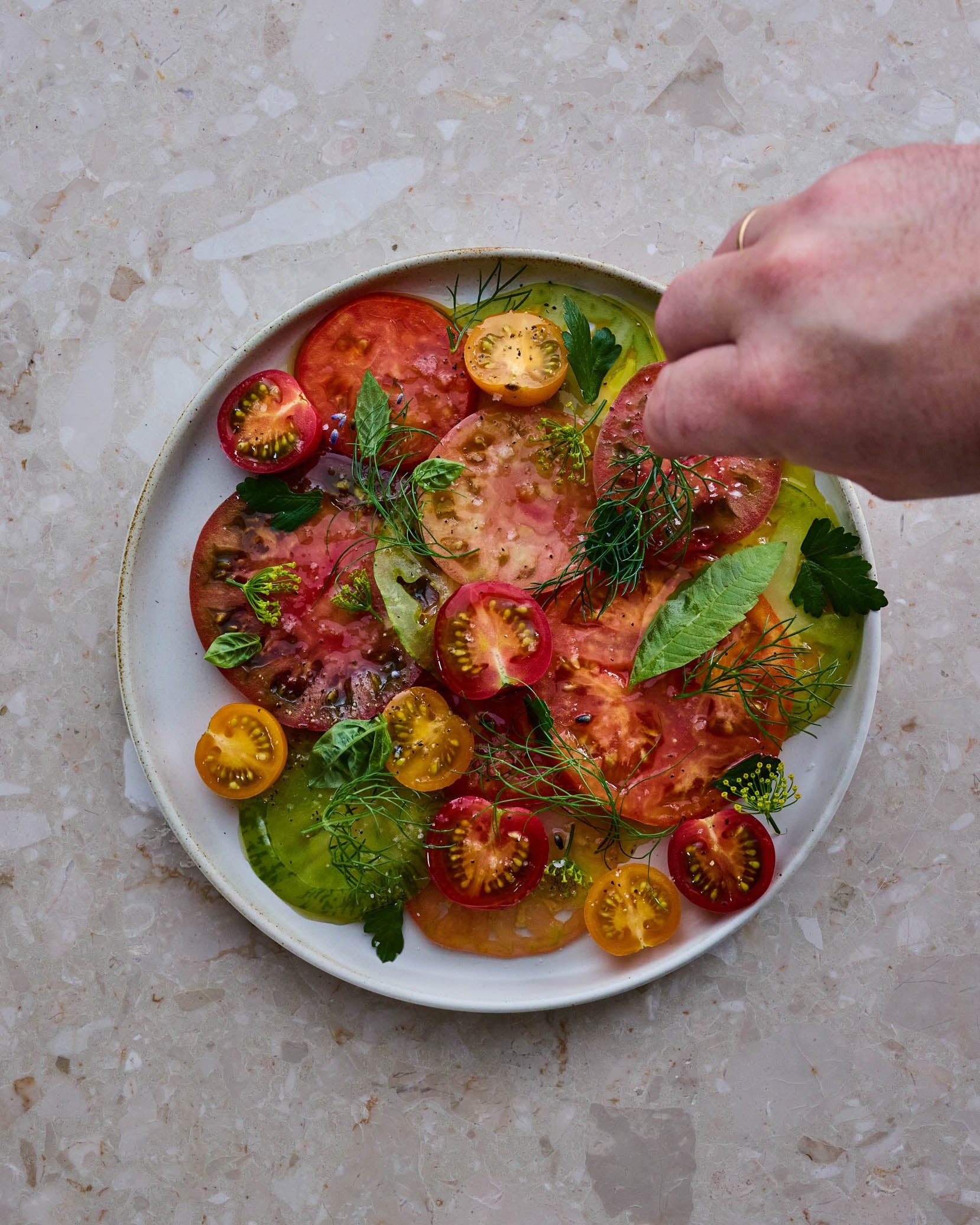
Across the industry, he sees progress, but also inconsistency. “Chefs are doing very serious work,” he says, “but there is also still a lot of surface-level language around sustainability that isn’t matched by bigger structural change.”
“The interesting question now is not who talks about sustainability, but who is willing to let it truly reshape how they operate,” he says.
Looking ahead, Auðunsson believes the next stage of sustainable dining will be less about ingredients and more about how restaurants operate behind the scenes – labor, energy, materials, and culture.
“The restaurants that stand out will be the ones that can combine responsibility with real generosity and pleasure, without making the guest feel like they are being taught a lesson.”
Sophie Galvagnon, Co-founder & CEO, Selar
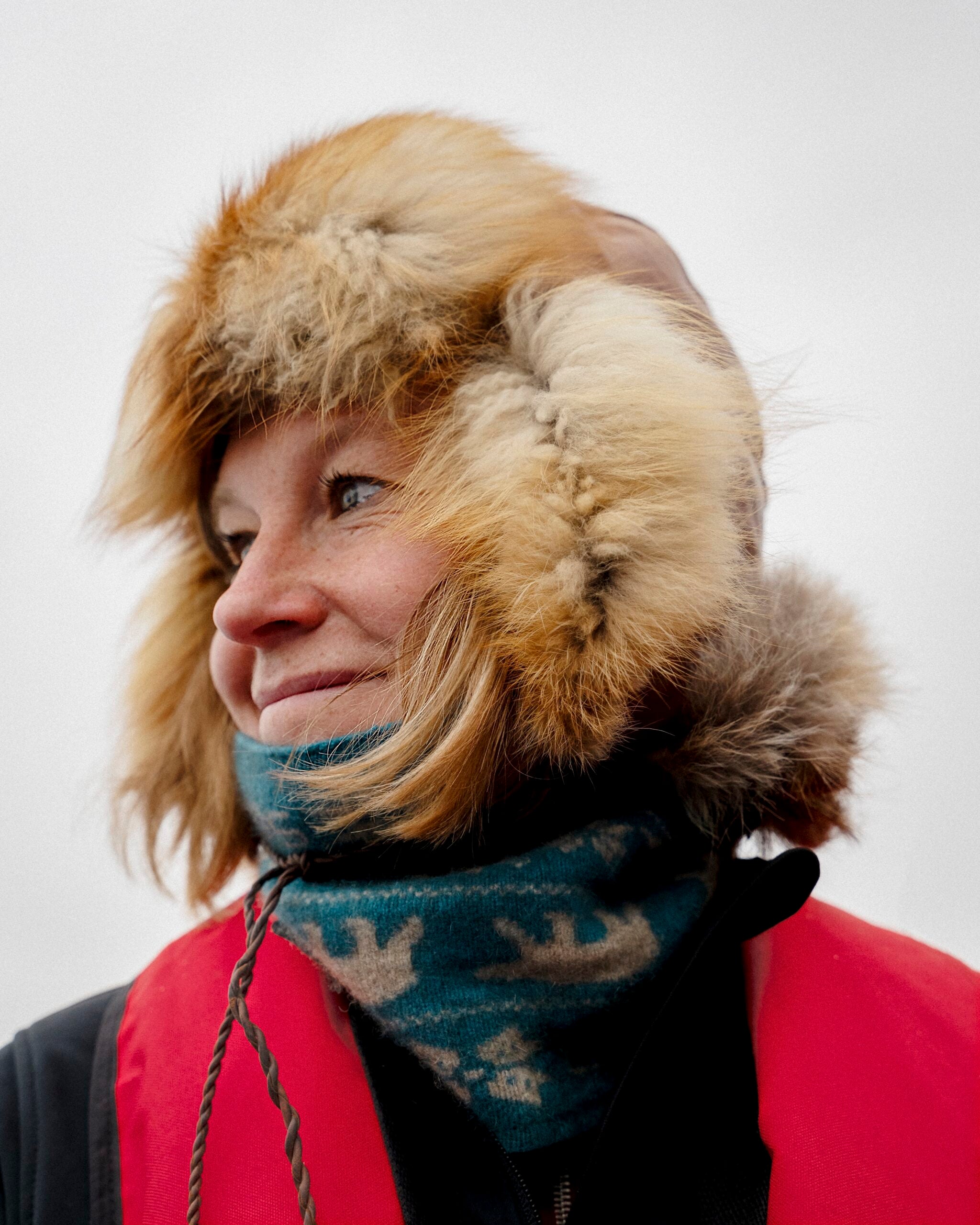
“With Selar, the idea is not to add another option, but to rethink the model from the ground up,” says Sophie Galvagnon of Arctic expedition operator Selar. “Our role, as a new entrant, is to show that another model is possible, and to make it tangible. If it works, others will follow.”
After a decade working in polar exploration, Sophie set out to build a different type of polar expedition business – a carbon-neutral operation that starts with environmental constraints rather than adapting to them later. “Selar is what we call ‘sustainable native’. We design, build, and operate our own ships with sustainability as the starting point, not an adjustment.”
This has led to a model that is smaller scale: reduced passenger numbers, wind and solar-powered operations, and a stationary Arctic base to avoid unnecessary repositioning voyages. The trips will also offer a different kind of travel experience for guests accustomed to traditional luxury. “We’ve made very clear choices. No spa, no champagne as a central promise.”

“We don’t try to please everyone,” she says of the disruptive ship. “We’re speaking to a new generation of luxury travelers, people who are looking for intensity, attention to detail, and meaningful non-duplicable experiences.”
“Our choices, smaller groups, more time in nature, fewer distractions, are not constraints for this audience; they are part of the value,” she says. “It’s a different kind of luxury, one that is less about display and more about depth.”
Still, despite these changes, Sophie believes that guests will lean in to Selar’s understanding of the changing nature of luxury. “Luxury, for us, is not about adding layers; it’s about going back to what actually matters.”
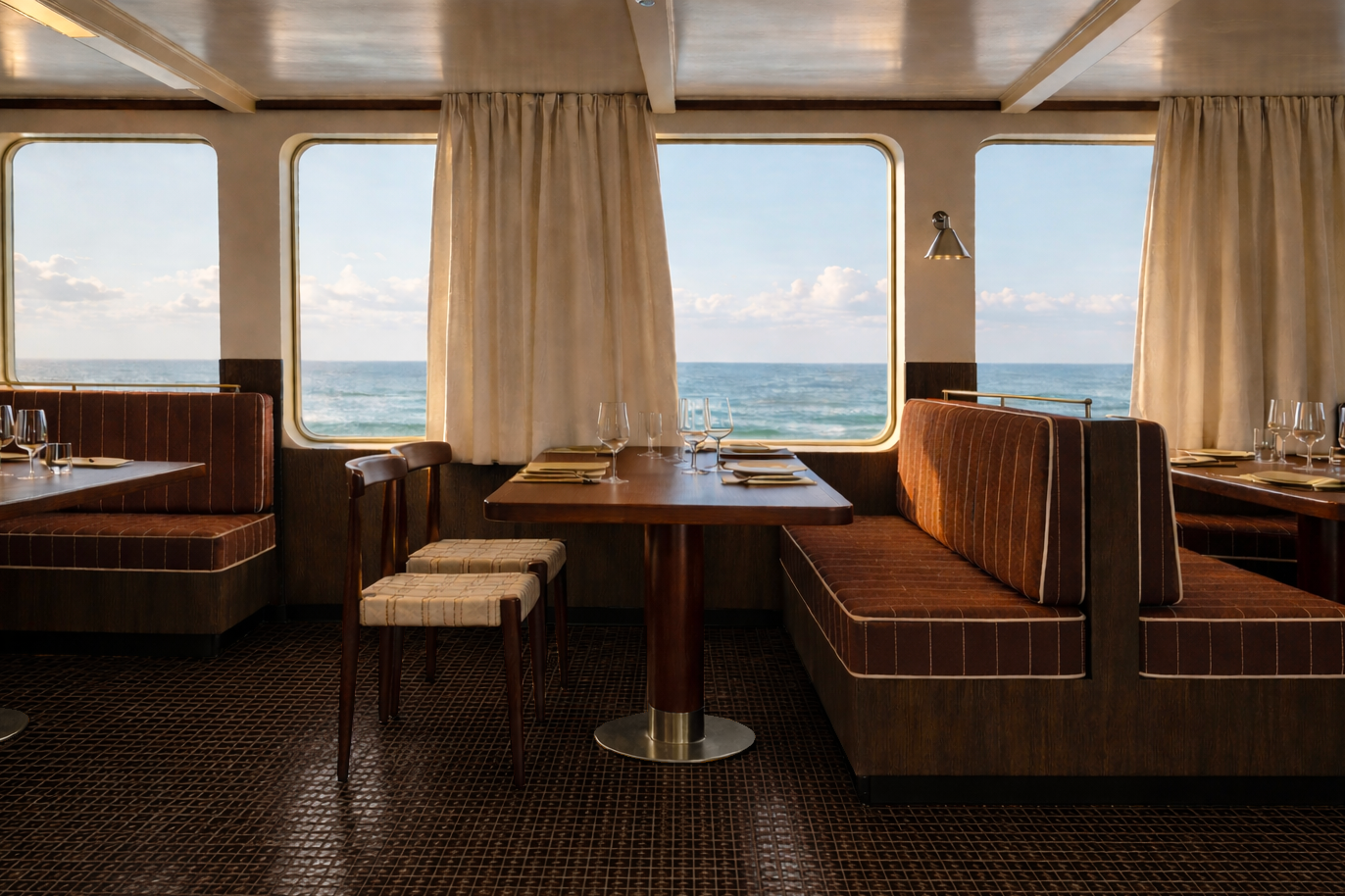
For Galvagnon, the challenges of pursuing sustainability are not only an operational one, but philosophical: how to open up this fragile region to travelers, without accelerating its degradation. “The interest in polar regions is growing fast, so the question is not whether people will come, but how.”
“Our role is to propose alternatives that are more responsible, more adapted, and to do it now,” she says. “If we want exploration to have a future, we need to shape that model today.”
Nigel Greening, Owner of Felton Road, New Zealand
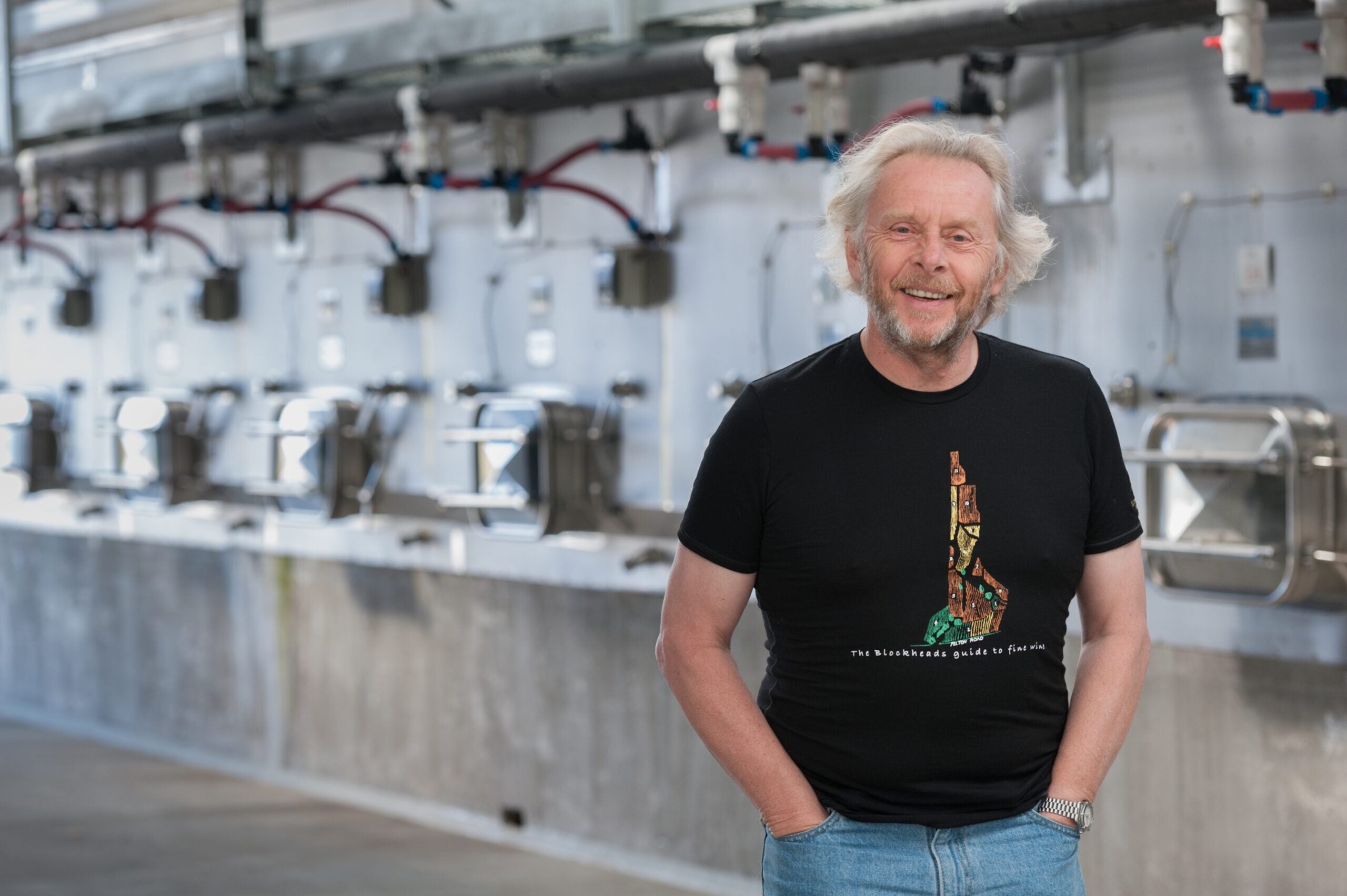
Nigel Greening’s approach to wine at New Zealand’s Felton Road is rooted in a single early decision: to treat environmental responsibility as a core business function rather than a parallel one.
“On the day I started at Felton Road as the new head, I asked Blair, our winemaker, what the first and most important thing he wanted to do. He said, “Can we go organic?” By lunchtime, we’d agreed that we’d go organic, look at Biodynamics, and we’d also build a plan to be a zero-growth company.”
From the outset, the focus has been systemic. “We breathe this stuff every day,” he says. “Our big task isn’t to change our winemaking or our viticulture to respond to climate change. Our task is to seek to stop climate change in the first place.”
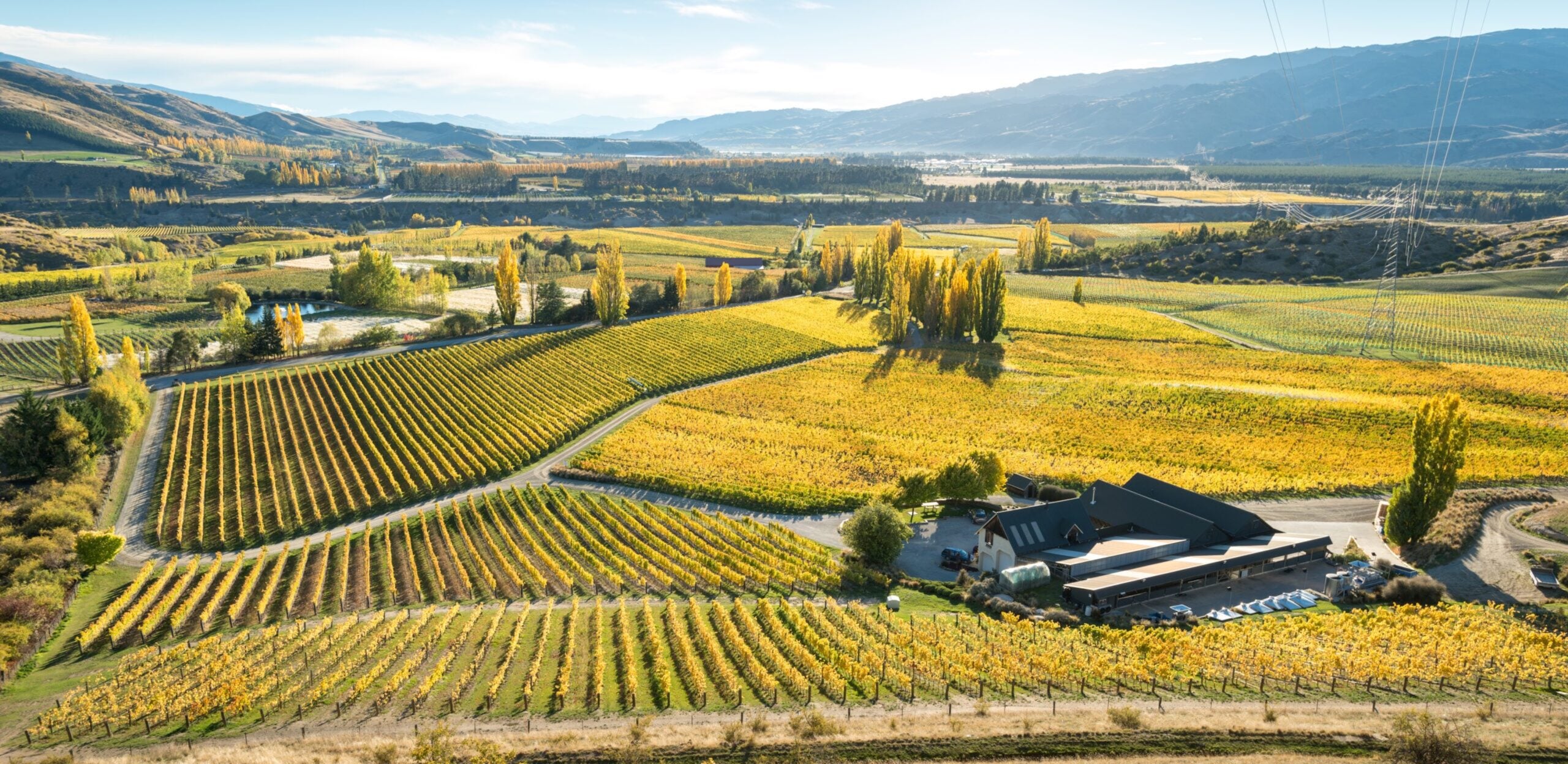
That philosophy extends across the estate – from vineyard management to packaging, logistics, and even visitor behaviour. Small details are tracked and measured, including travel emissions from cellar door guests. “It’s a thousand tiny decisions that create a mindset,” he says.
One of the more unusual consequences of that mindset has been shifting distribution practices. “One of our largest emissions turned out to be the carbon of selling cases of wine to customers who wanted to courier them back to their home.”
“Today, you can buy a case of wine from us to go to your home, but only if you are prepared to wait for sea freight. To prevent thermal damage to the wine, we ship at a time of year corresponding to their winter if they are in a warm climate.” In some cases, customers are required to wait months for delivery, but Greening stands firm in his commitment. “If you aren’t okay to wait the six months, you can’t have the wine.”
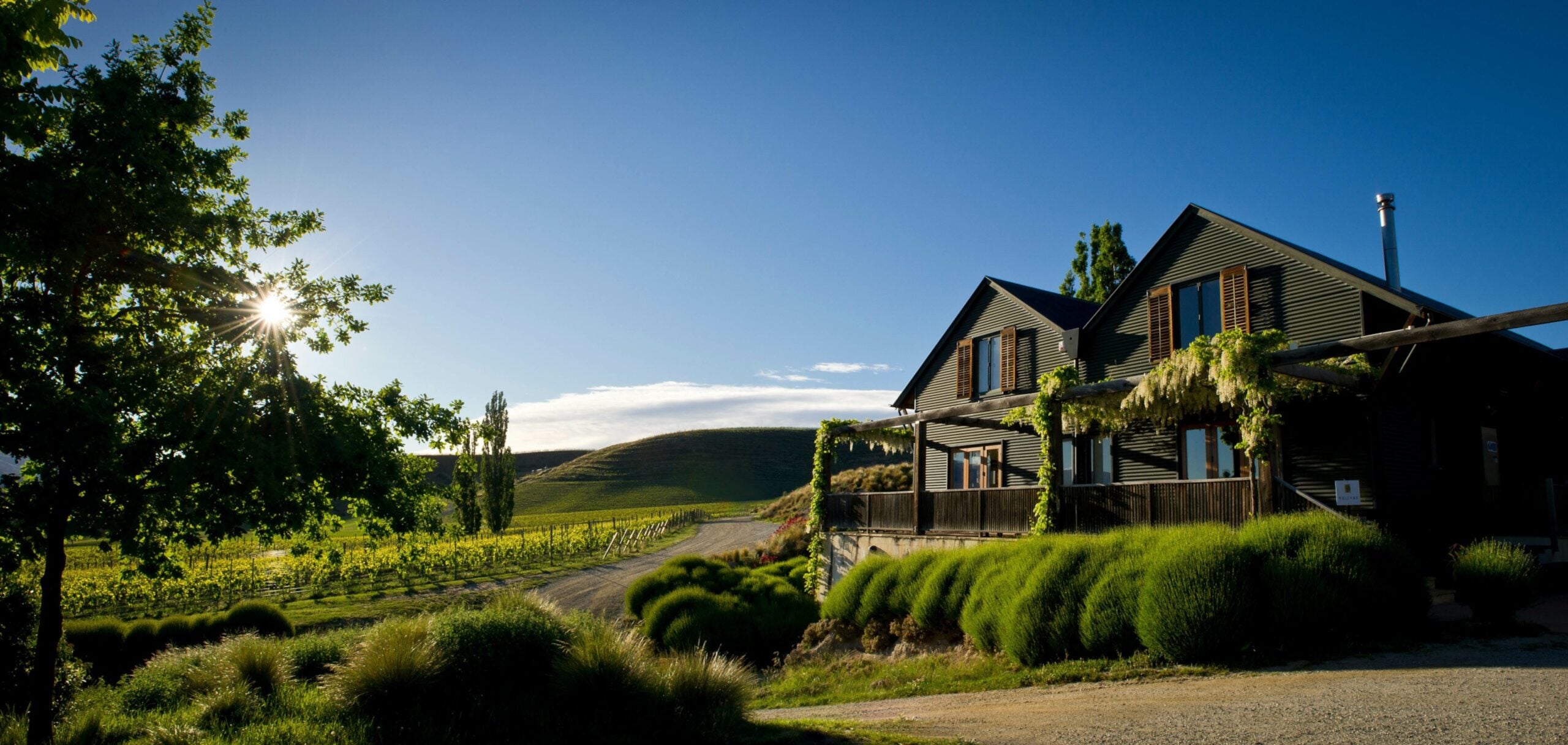
Greening is direct about the industry’s wider shortcomings. “Some important producing regions are decades behind in attitude as well as behaviour,” he says.
“Burgundy does not allow even working buildings to have solar panels because they think it damages their quaint image. You talk to them about cutting carbon, and they just think you are from another planet.”
He is also candid about the need for stronger external pressure. Without regulation, he believes progress will remain uneven. “Start with a glass tax on all bottles over 400 grams (14 oz.). Heavy taxes on airfreight and courier. Regenerative viticulture would sequester more carbon than all the issues of winemaking and distribution.”
Oli Broom, Founder of The Slow Cyclist, UK
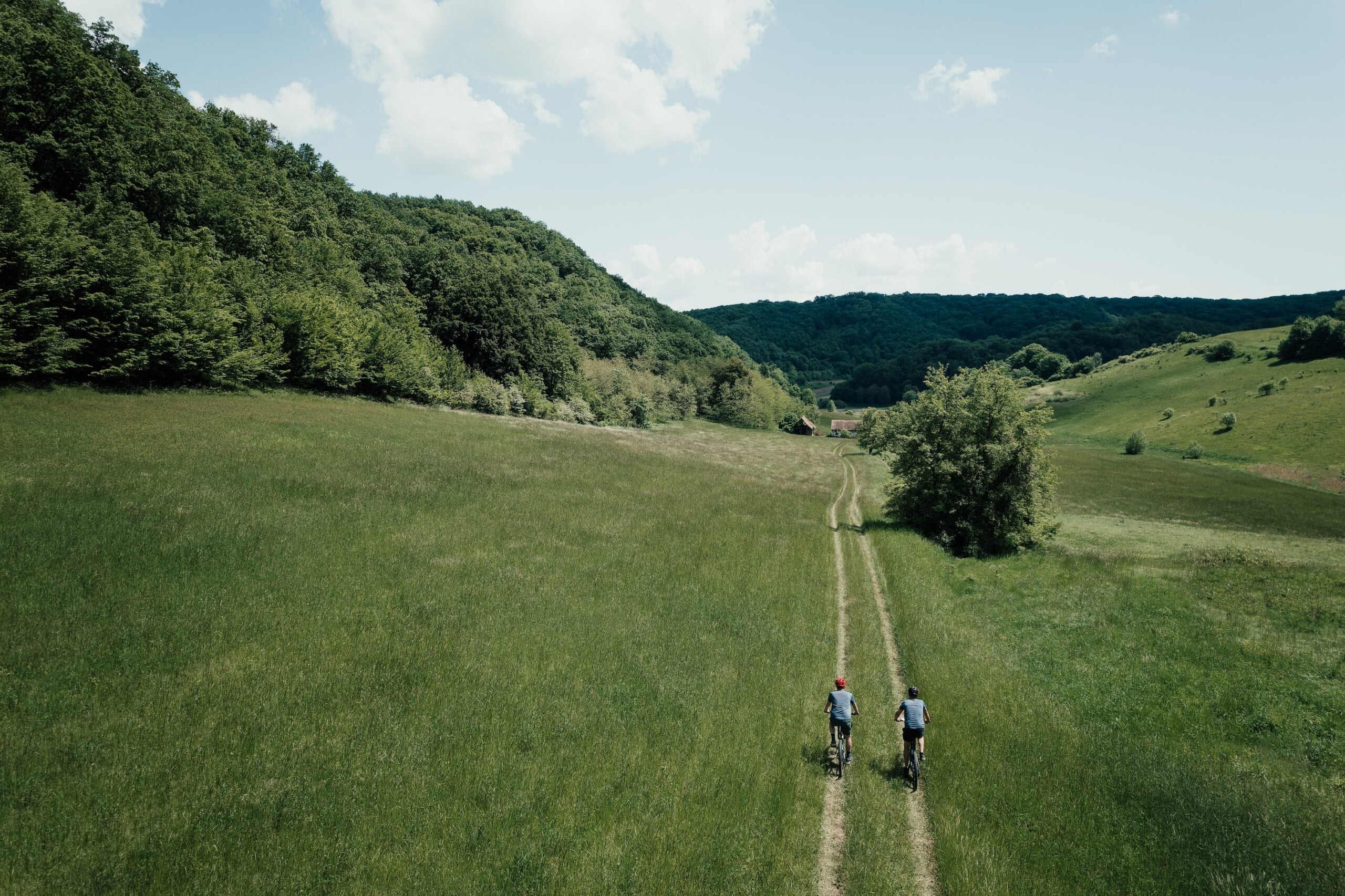
“The bike is the perfect vehicle. Putting our guests at eye level, moving through a landscape rather than past it. That is sustainable travel,” says Oli Broom, founder of The Slow Cyclist.
At The Slow Cyclist, inspired by his own journey cycling 28,000 km (12,398 miles) from London to Brisbane, Broom has built a travel model based on moving slowly, which finds joy in the unexpected conversations and the detours. “I wanted to build something where the luxury was in the experience itself, in the depth of connection with a place and its people, not in the spa or marble bathroom.”
The cycling trips are designed around locally-owned accommodation, small groups, and cycling routes that pass through working landscapes rather than tourist corridors. Still, he is hesitant to brand his business as ‘sustainable’, and instead, sees it as a byproduct of his community-first approach to travel.
“I’m slightly uncomfortable with the word ‘sustainability,” says Broom. “It’s used so liberally.”
“We simply build trips where the interests of the traveler and the interests of the community are aligned. If a guest has an extraordinary meal at a family-run guest house in Transylvania or a farmhouse in Abruzzo, that’s not a sustainability initiative, it’s just a better travel experience that happens to keep money local.”
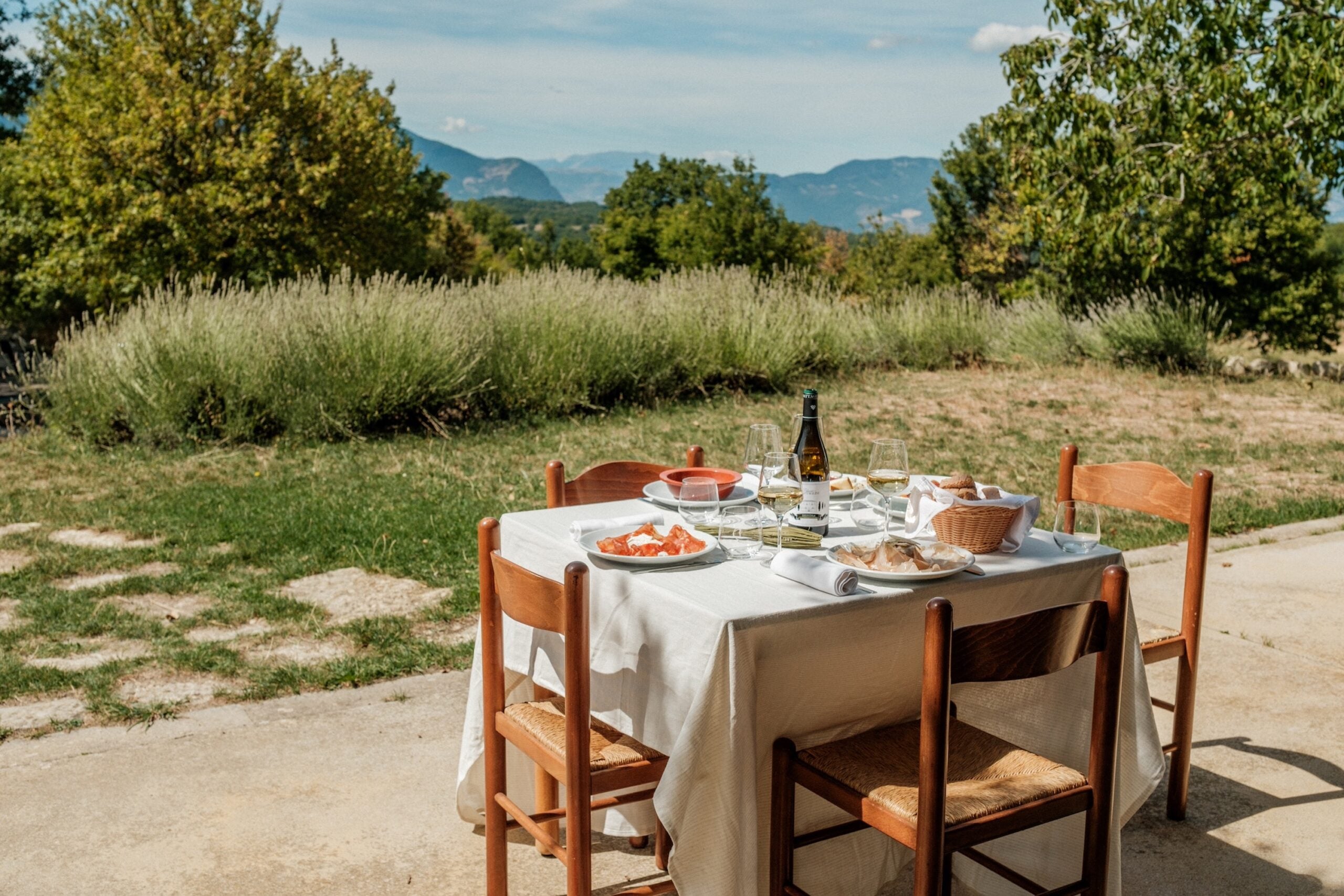
While choosing locally owned, family-run accommodation over international hotel brands can at times feel commercially risky, this allows the money to stay local, and, according to Broom, the reason guests come back and recommend The Slow Cyclist.
“Our guests don’t expect luxury in the traditional sense. At The Slow Cyclist, we have created something that delivers luxury in terms of connection with a place and its people. Of course, our guests expect amazing service, and we can deliver that through finding great people who believe in our mission to give joy and be a force for good in travel,” he says.
Broom is critical of surface-level sustainability efforts in the travel sector. “Planting a tree for every booking feels more like marketing than sustainability, to me.”Instead, he argues, the real test is whether a company structurally benefits the places it operates in.
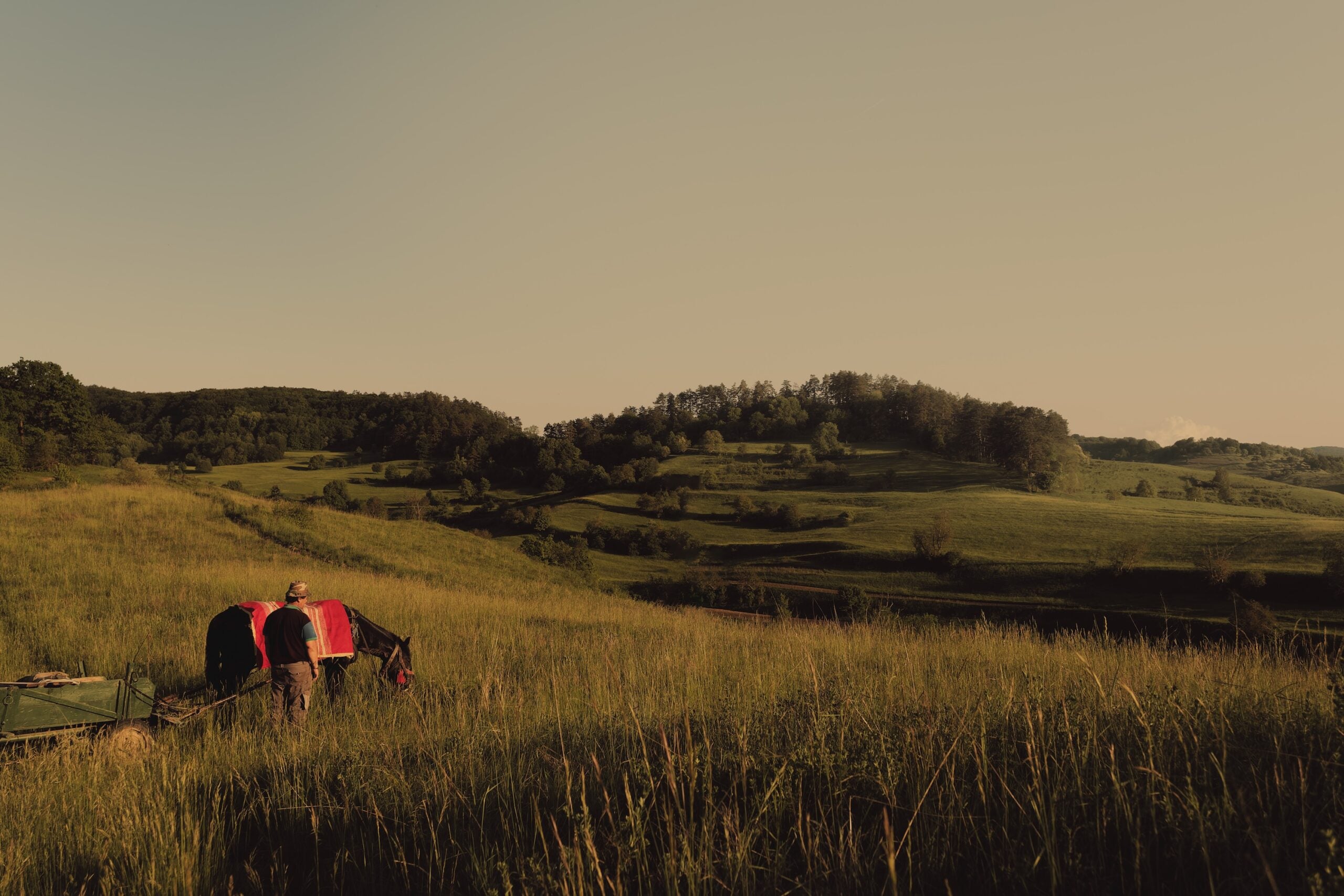
Looking forward, Broom expects more sustainable demands from the consumer. “Travelers will increasingly want to see exactly where their money goes, exactly what impact their trip has had. And I think the best operators will move beyond ‘do no harm’ towards trips that actively leave places better off.”
“That’s what we’re trying to build at The Slow Cyclist,” he notes. “We’re not there yet, but it’s on our horizon.”
Chantelle Nicholson, Chef Founder of Apricity, London
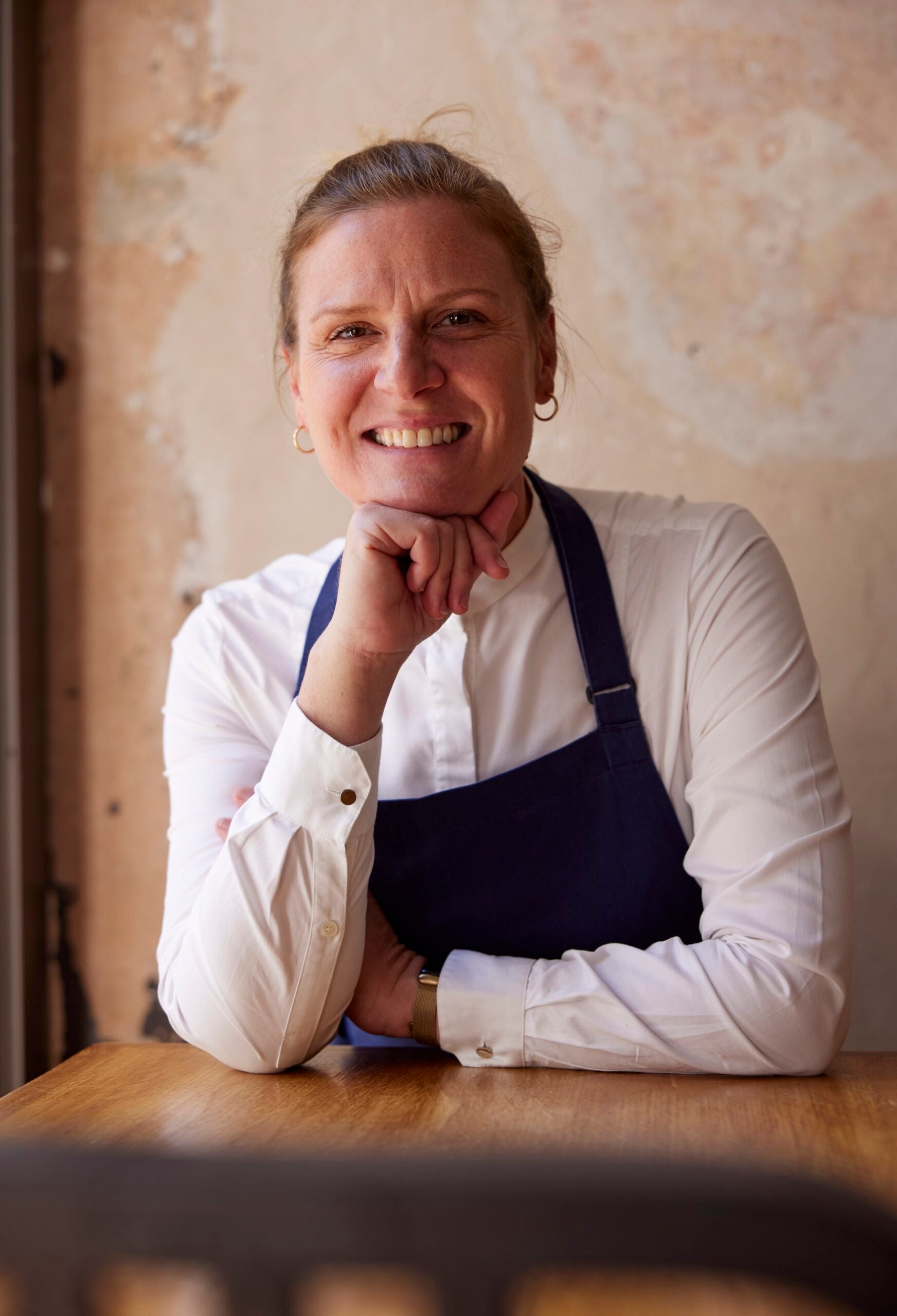
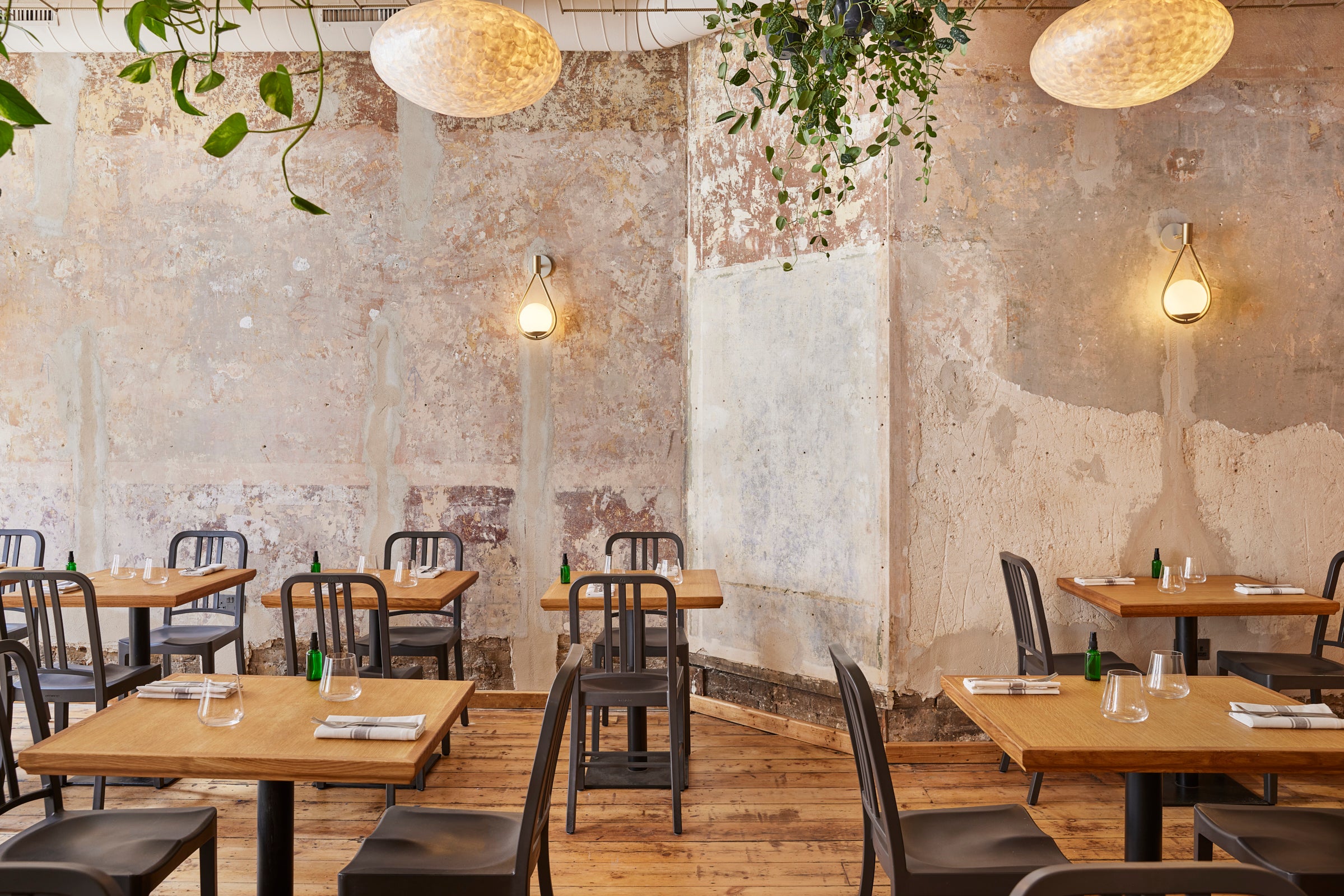
“When I opened Apricity, the intention was always that considering nature would be baked into every decision, from the fit-out to the menu,” says Chantelle Nicholson.
At her Mayfair restaurant Apricity, sustainability is not positioned as a theme, but as an operating principle. Nicholson describes her approach to her restaurant as a full-circle return to her childhood, shaped by her upbringing in New Zealand, where proximity to nature and produce informed an early understanding of seasonality and a close connection to the land.
Operating in Mayfair brings its own pressure points, particularly when commercial logic conflicts with ethical decisions. “There’s always a moment where you decide whether your values are negotiable. For me, they aren’t.”
For her, the work is not about achieving sustainability but refining it, and constantly striving to be better. “It’s about questioning what we do, how we do it, and why we do it – continuously,” she says. This plays out across all operations, from stock management to ingredient use, and in ongoing conversations with suppliers about what is actually available, rather than what she wants.
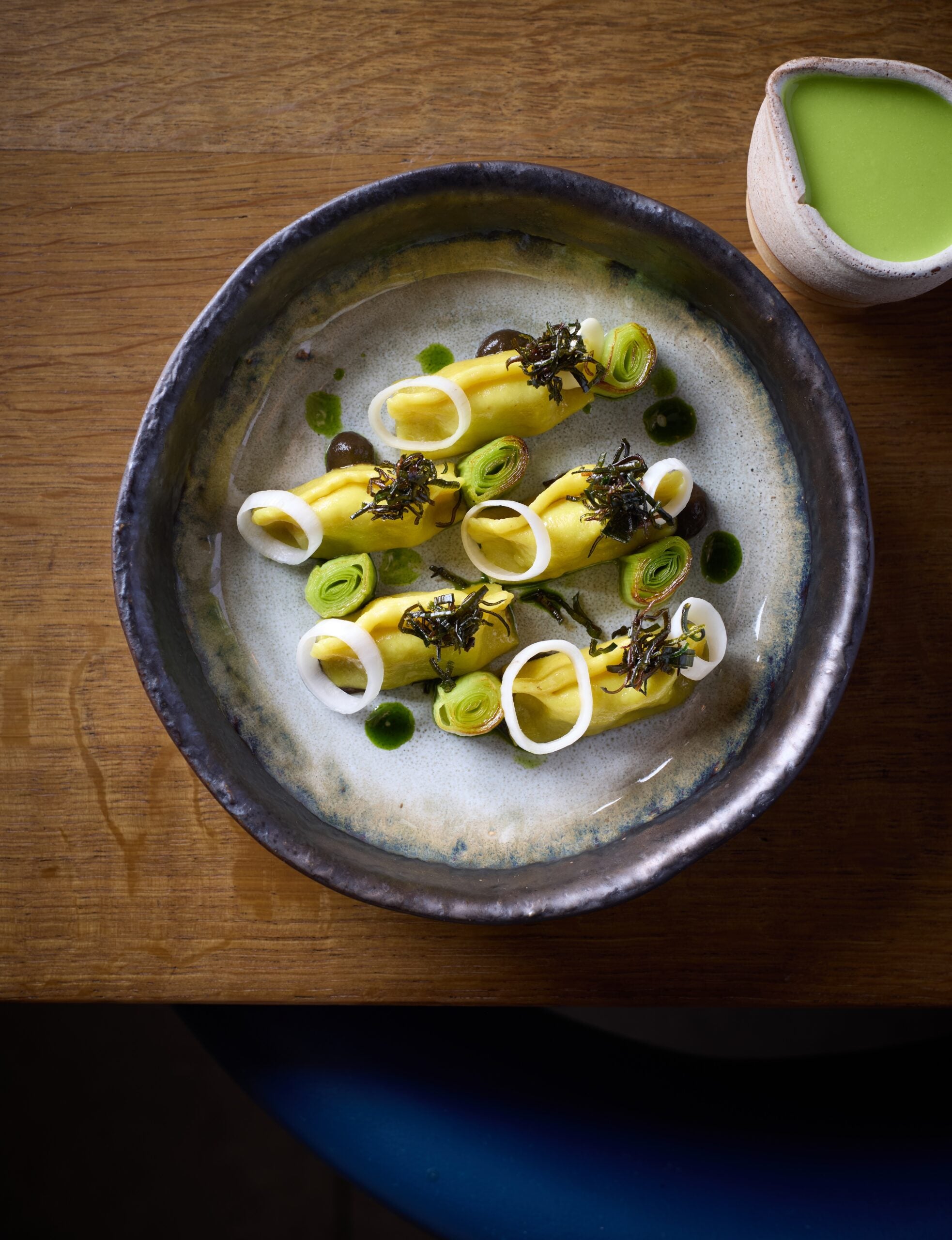
Menus follow that same logic. “We plan around what’s available and who we want to work with, rather than building a dish and then sourcing backwards.”
Over time, she says, this changes how a kitchen thinks. Ingredients stop being treated as fixed commodities and become something more responsive and relational. “You start to understand them as the result of someone’s care, skill, and hard work. It shifts your whole relationship with food – you respect it more.”
Still, Nicholson is clear that the experience for the guest cannot feel like an afterthought. “We’re not asking people to compromise,” she says. “We’re asking them to trust us to do the hard work, so they can simply enjoy the result.”
Like Auðunsson, she sees luxury shifting away from excess. “The assumption that luxury and sustainability are in tension is one worth challenging,” she says. “The most luxurious experience you can offer is food that has been grown with care, cooked with skill, and served in a way that means something. Those things aren’t in conflict.”
Across the industry, she sees genuine momentum, but also superficial change. “There’s still a lot of greenwashing,” she says. “The sector has enormous influence, and I don’t think it has fully reckoned with that yet.”
“There’s still a lot of sustainability as aesthetic rather than practice. The question is how deeply the industry is willing to change what it actually does.”
Looking ahead, she expects more transparency and a closer link between agriculture and hospitality. “I hope we’ll see more honesty – restaurants being open about the full picture, not just the parts that look good,” she says. “That’s where real progress happens.”
Annabel Thomas, Founder and CEO of Nc’nean, Scotland
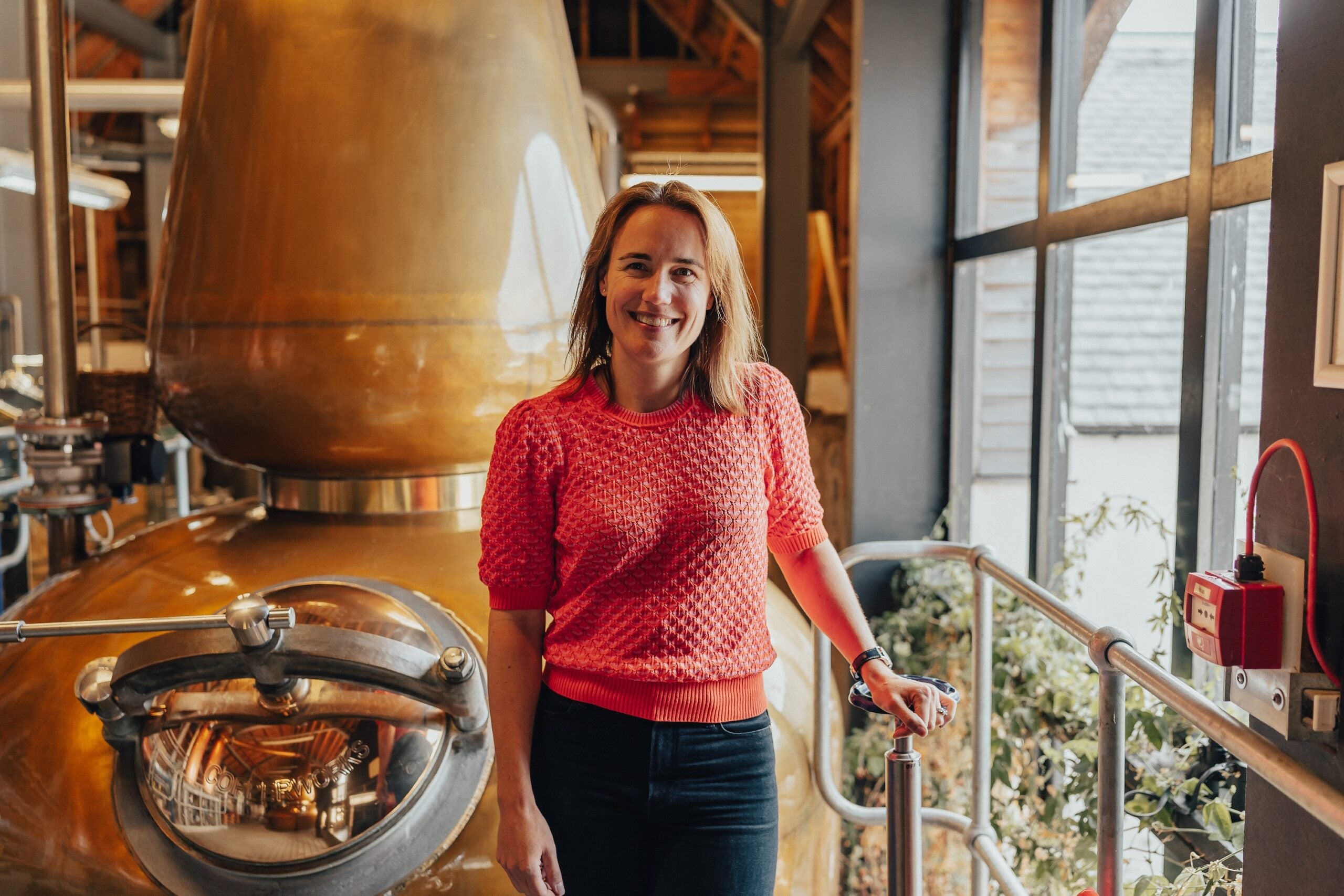
“We have always approached whisky making with sustainability at front of mind,” says Annabel Thomas. “It was built into our ethos from day one.”
At organic whisky distillery Nc’nean, this has meant addressing impact at every stage – from renewable energy and water use to barley sourcing and packaging choices. “This holistic approach is rare in the industry,” says Annabel. “Some use renewable energy, some buy bits of organic barley, but no one in scotch is doing all of these things.”
Nc’nean’s attitude to sustainability doesn’t come without costs, both literally and operationally. “There are no easy decisions: the trade-offs are either between different elements of sustainability (e.g., great for carbon, poor for waste) or between a sustainable choice and a practical or financial barrier.”
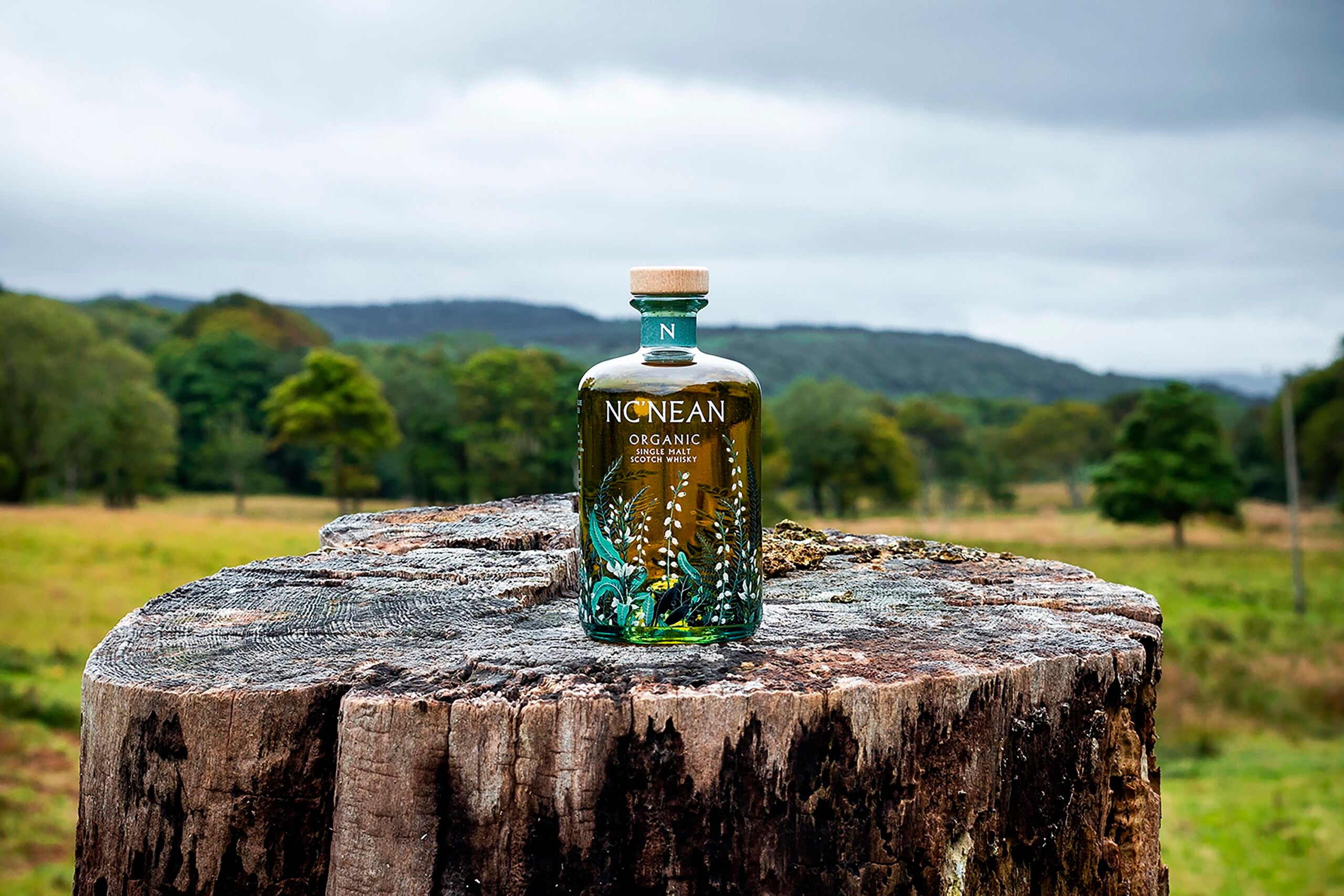
“I estimate it adds £3+ to the end retail price of our whisky”, says Thomas, but she is firm in her commitment to protecting biodiversity, enhancing soil carbon sequestration, and improving water quality by supporting organic farming in Scotland.
These initiatives also have a positive impact on the spirit itself. She argues that these decisions often improve quality rather than detract from it. “Organic barley translates into a fantastic tasting whisky,” she says.
Looking to the future, Annabel points to peat as a defining issue for the wider industry. “At Nc’nean we don’t use peat at all, our whisky is unpeated, but I do believe other whisky makers are going to come under more and more pressure on this front.”
Aymeric de Gironde, CEO of Chateau Troplong Mondot, France
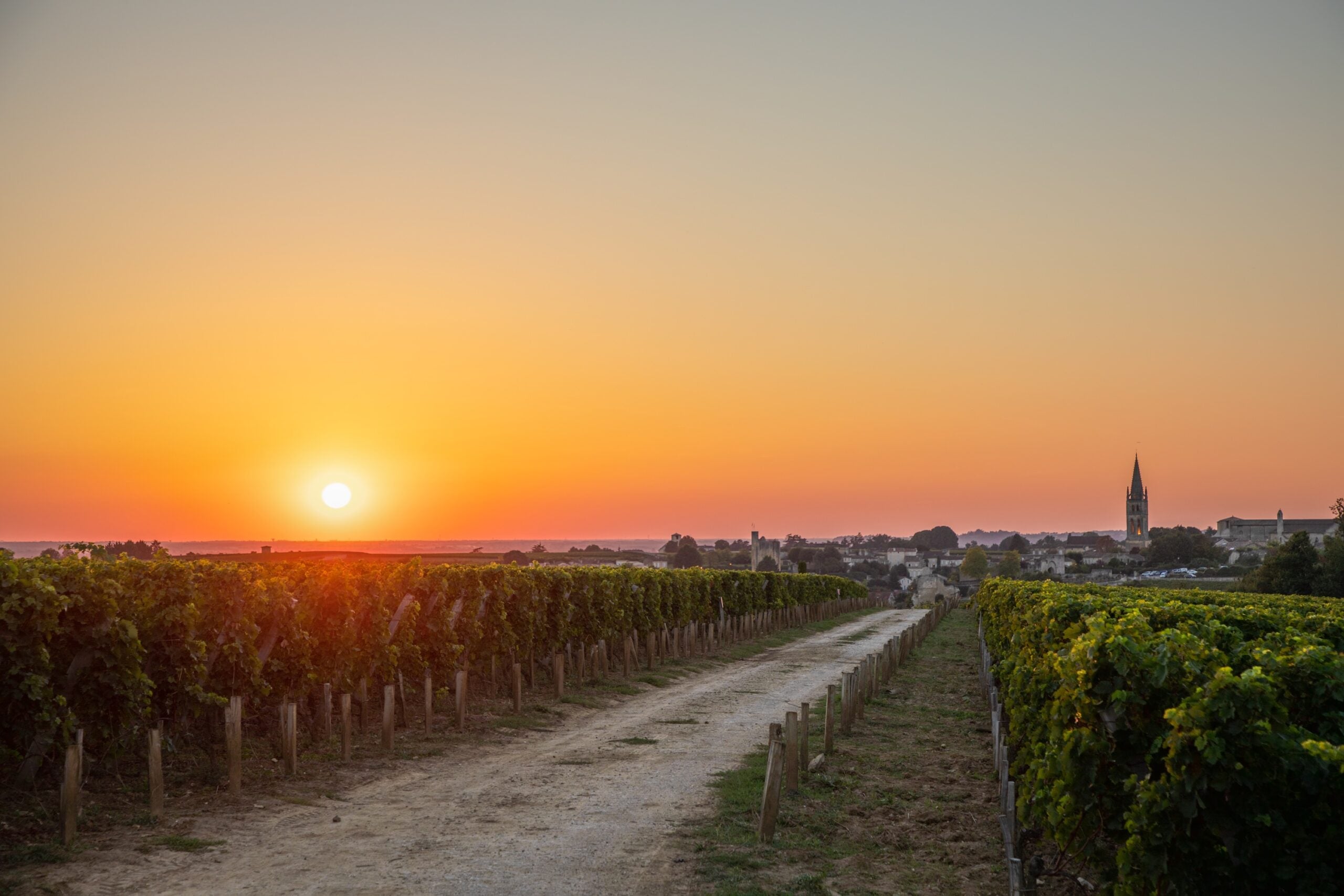
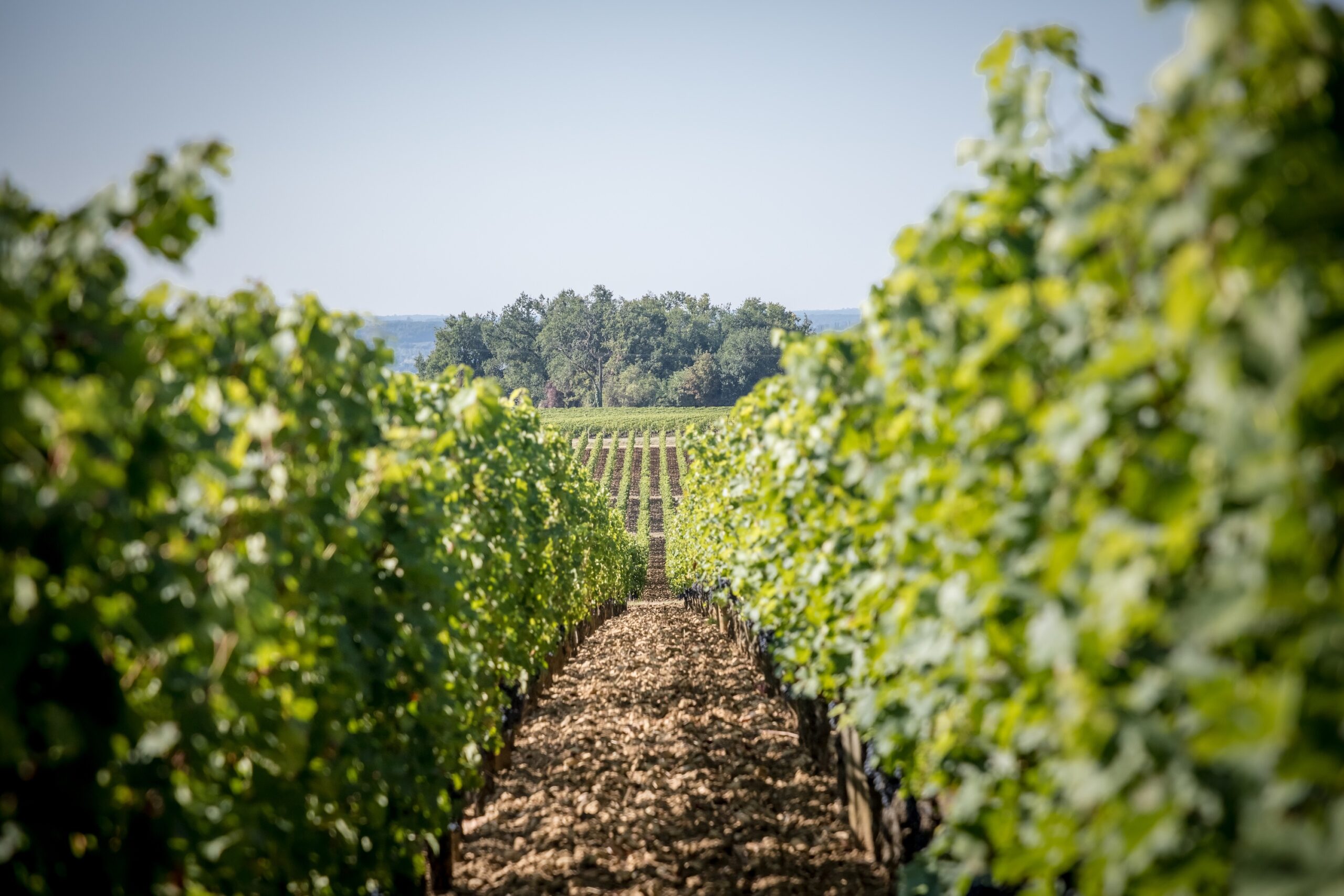
At Château Troplong Mondot, a wine estate at the highest point in Saint-Émilion, CEO Aymeric de Gironde is working to introduce long-term environmental planning to the traditional vineyards.
While the estate has a history of sustainable practice, “Troplong Mondot has initiated actions over 30 years ago, with the plantation of hedgerows around the vineyard, and by banning herbicides and insecticides.” Aymeric has committed to taking the steps to reduce its carbon footprint by 2050, through methods such as dry-stone walls to protect biodiversity, and finding an alternative to dry ice.
The estate has noted positive results so far: “The microbiological life of our soils has tripled over the last 10 years,” he says.
Changes have included both agricultural and operational shifts. “One of our decisions that felt commercially risky was when we went from wooden cases to cardboard boxes for our Mondot wine. This disrupted the classical Bordeaux codes, as clients usually expect a wooden box,” he notes. “We also reduced the weight of our bottles by 85 grams (3oz), even though in people’s minds, heavier bottles mean that the wines are of higher quality.”
One of the most impactful innovations uses vine cuttings as a heat source, significantly reducing fossil fuel emissions. “In winter, we prune the vines. The vineshoots are then gathered, ground, and transformed into pellets that fuel our heating system. This initiative has a huge impact on CO2 emissions: if we were to heat our buildings with gas, we’d generate 190 tons of CO2 per year, but with our method, we only generate four tons of CO2 per year.”
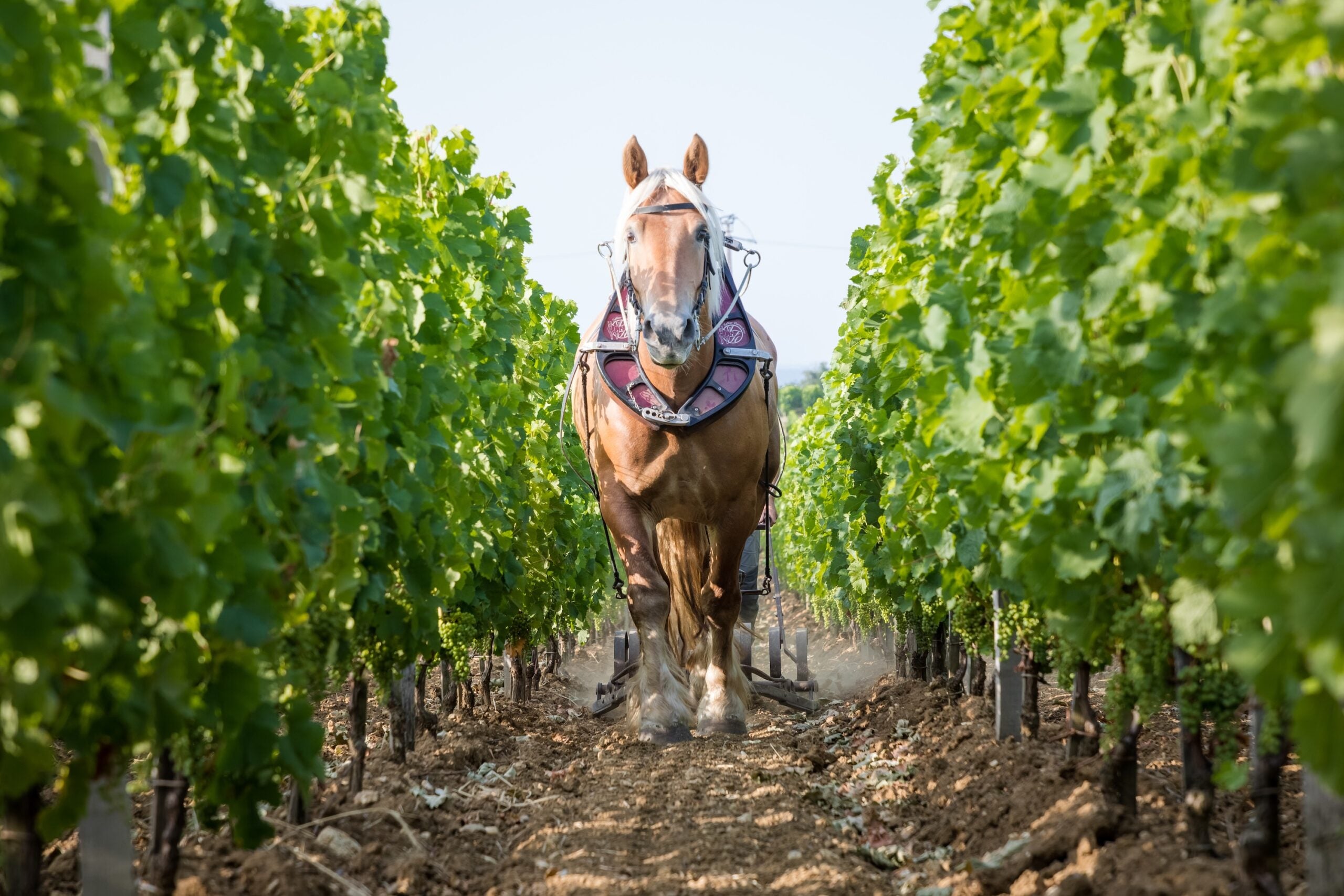
What’s interesting, says Aymeric, is that this sustainable approach has pushed the estate back to ancestral methods, like horse ploughing. “Heritage and sustainability are not in opposition,” he states.
Related Story

Looking around, Grionde believes its neighbors are evolving. “More than 75 percent of the vineyards in the Bordeaux region are now cultivated using certified, environmentally friendly methods. Bordeaux is fighting against the perception of a polluting industry.”
The broader challenge, he argues, is consistency across the region and clearer shared standards. “What’s lacking today are measured and ‘official’ initiatives,” he says, suggesting that these could be shared with consumers for greater transparency.