
Wine consumption may be having a wobble, but when it comes to travel, good wine (and food) remains a big draw. Indeed, gastrotourism is now one of tourism’s fastest-growing sectors. So it’s surprising how short France’s famous wine regions have historically been on nice places to stay. Even finding a bite to eat or a drink out-of-hours can often prove astoundingly difficult.
But one couple is trying to change that – and they’re not French, they’re American. Meet Denise Dupré and Mark Nunnelly, the founders of Champagne Hospitality.
Founded in 2012, this company is best-known for the five-star Royal Champagne Hotel & Spa just outside Champagne’s ‘second city’, Épernay. It also owns the nearby luxury villa Les 3 Clochers and the pioneering biodynamic champagne house Leclerc-Briant, which has a restaurant and guest rooms (the portfolio also includes a luxury hotel and villas on St Barths).
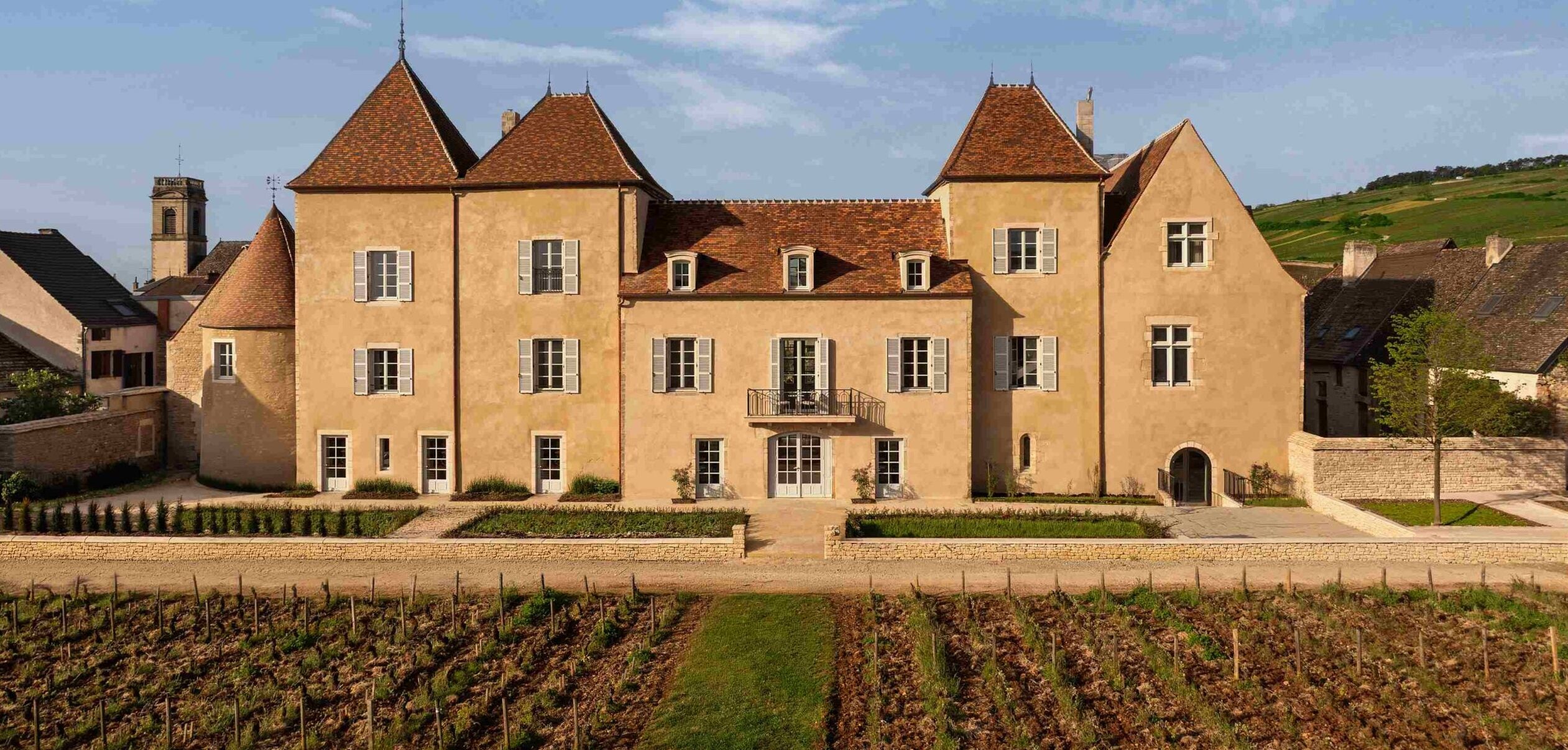
Now, the couple are tackling Burgundy, with the launch of Château la Commaraine in the village of Pommard, an enterprise being billed as the region’s first five-star hotel. Opening in Burgundy is particularly meaningful, says Dupré, because it’s where the couple got engaged (the pair, a hospitality professor and a former MD at Bain Capital, are based in Boston but spend a lot of time in France, and also have an apartment in Paris).
It was while they were on a cycling tour of Pommard’s vineyards, around ten years ago, that they first glimpsed Commaraine. “There is a true Burgundian character to the estate, and I was drawn to that sincerity,” says Dupré. “It felt like an opportunity to preserve something meaningful while giving it a new life.”
See also: Interesting Wines To Order At Dinner, According To Sommeliers
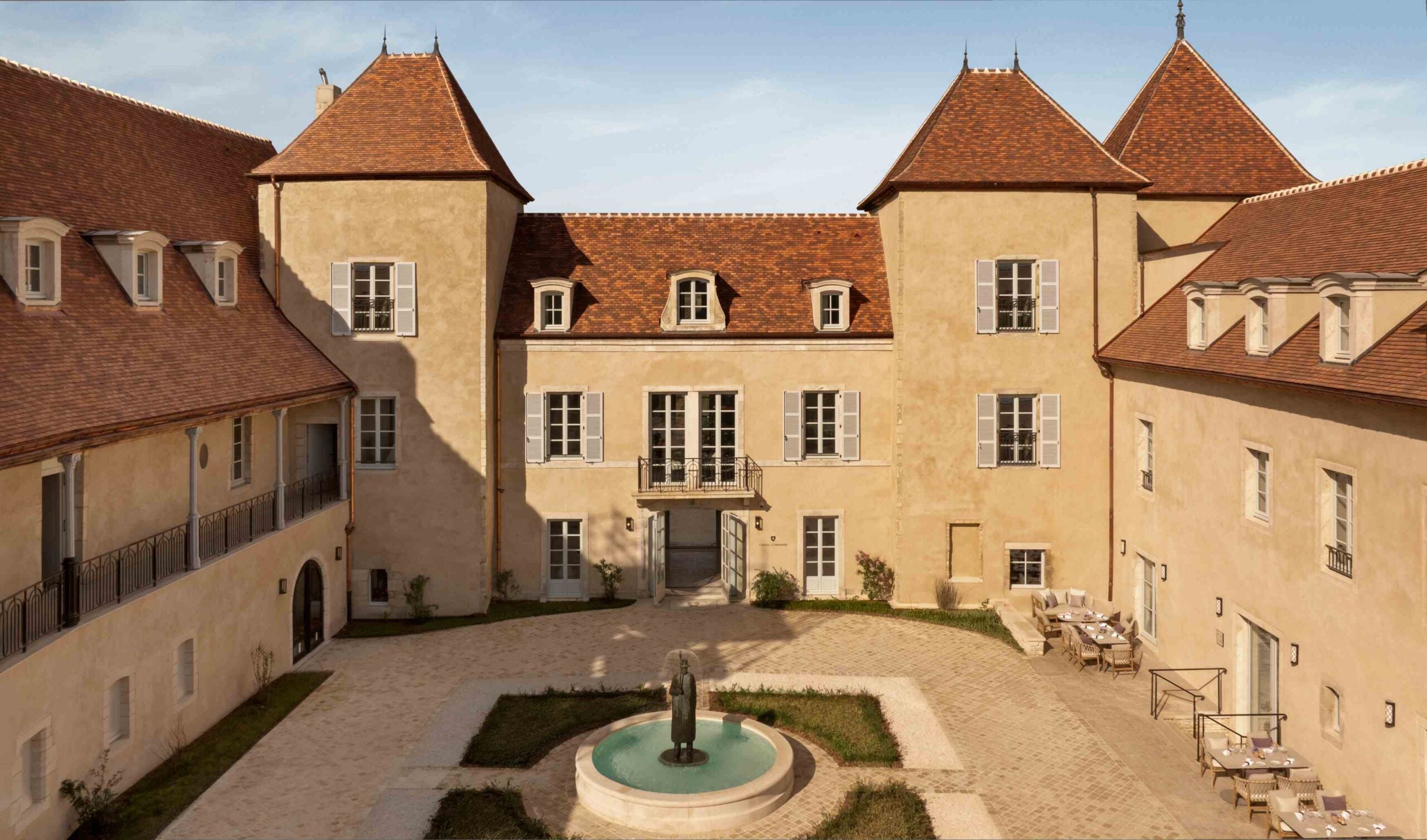
It’s a property dripping with history. The Château itself sits on the site of a fortified manor, built by the Duke of Burgundy in 1112, which was then re-built in the 14th and 15th centuries in the handsome form that survives today. Restoring such a venerable building to five-star standards was no mean feat, by all accounts – at one point they were reduced to disassembling – and reassembling – one particularly historic wing of the building stone by stone.
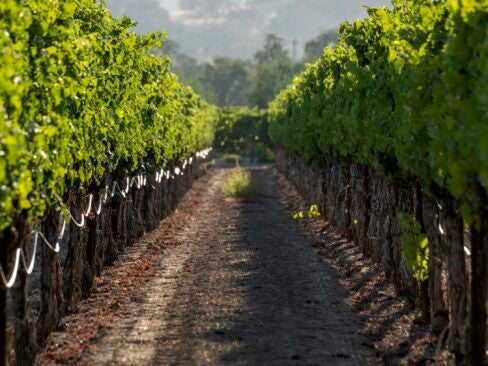
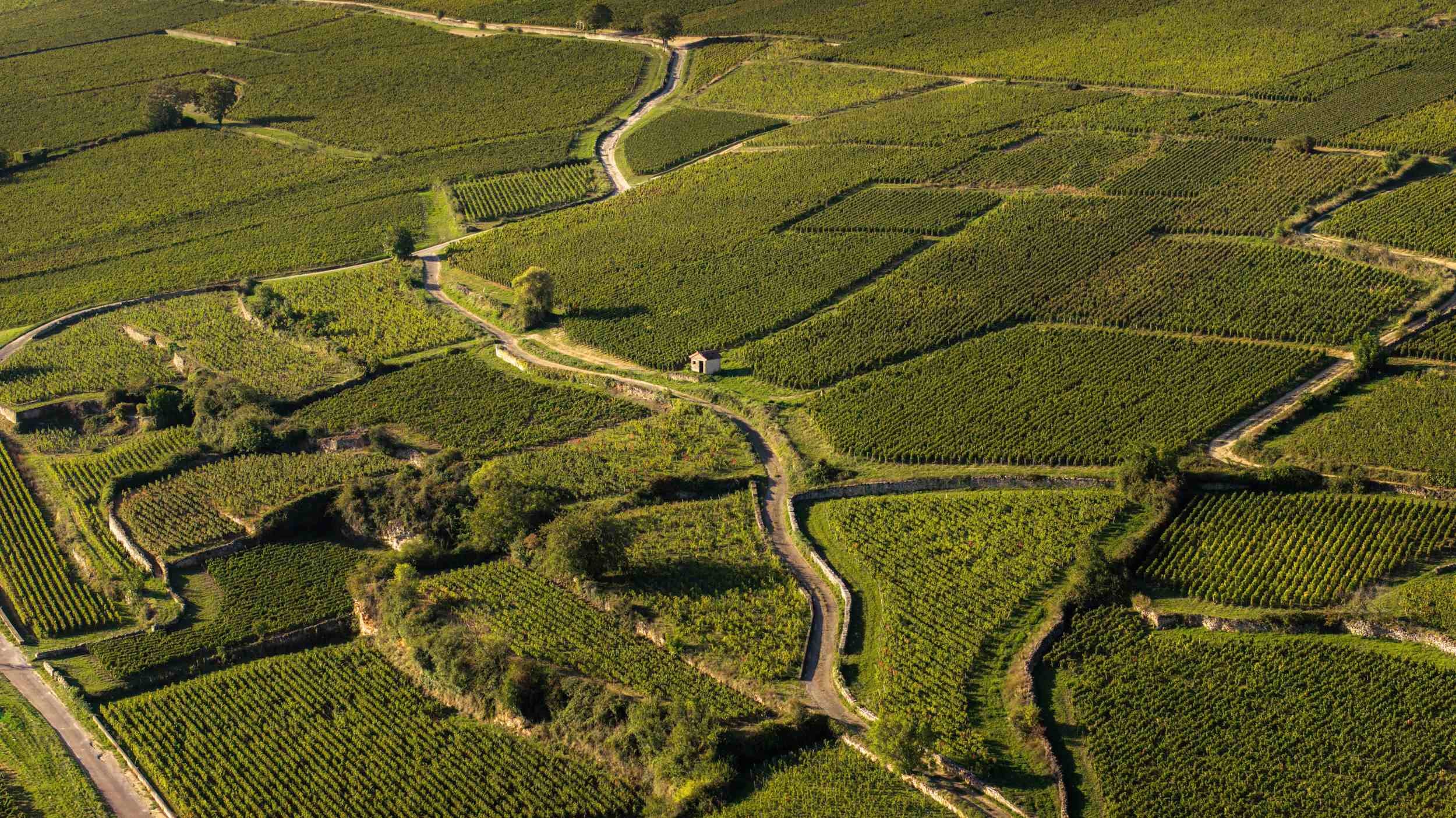
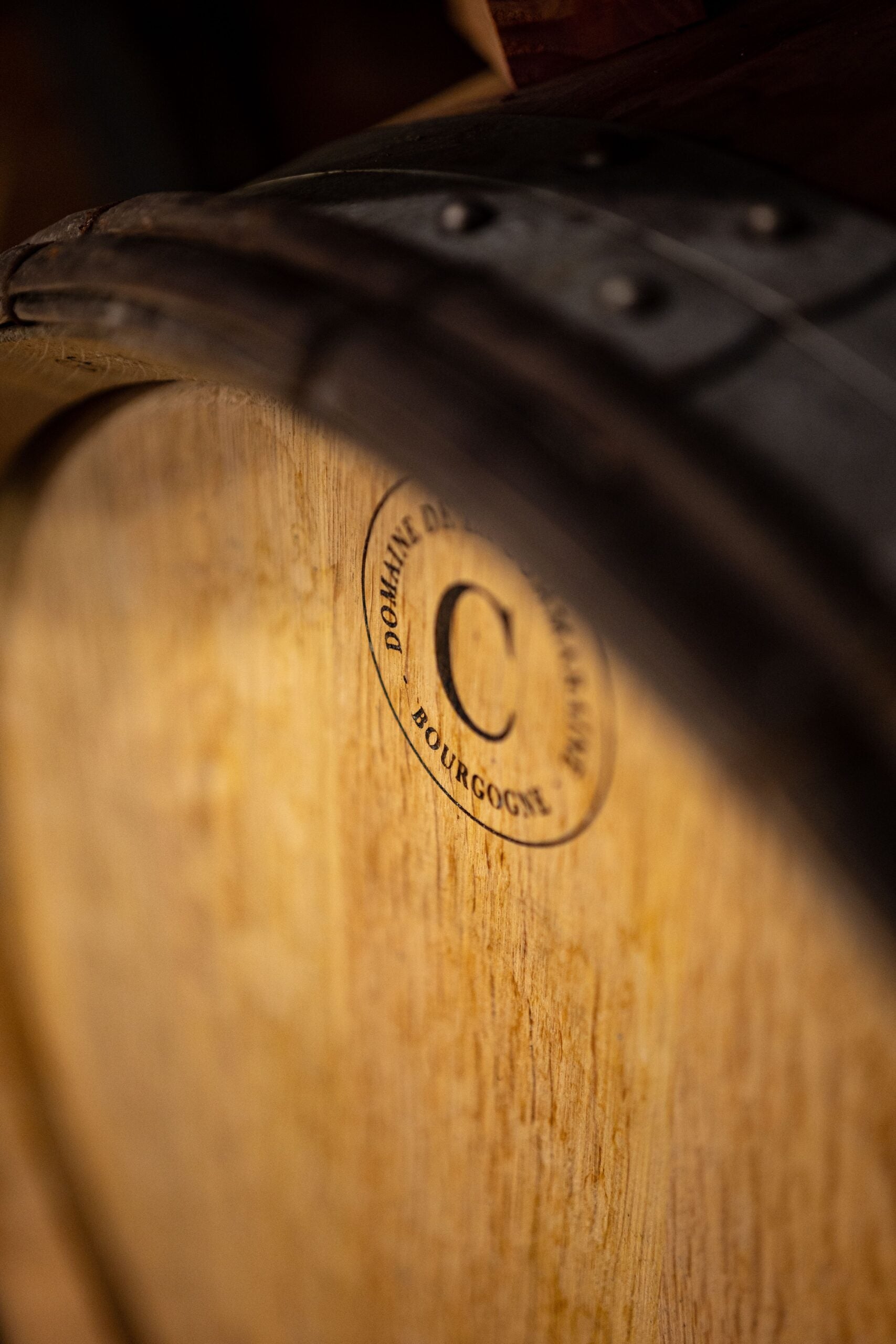
The other big attraction for the couple was the Château’s wine estate Domaine de la Commaraine, which centers on a 3.5ha clos, or walled vineyard, in the heart of the property. Overlooked by the pool, terrace, and many of the rooms, it affords guests a front row seat on vineyard life. On my visit, aperitivo hour coincided with a little pick-up truck of T-shirted workers coming through the vines. The estate’s head of winemaking is Paul Krug, of the Krug champagne dynasty fame.
Pommard’s clay-rich soils are known for producing some of the most powerful red wines in the Côte de Beaune. A Clos de la Commaraine 2023 in magnum I tasted with Krug was deliciously plush and plummy, with notes of almond, cherry, and long, peppery tannin.
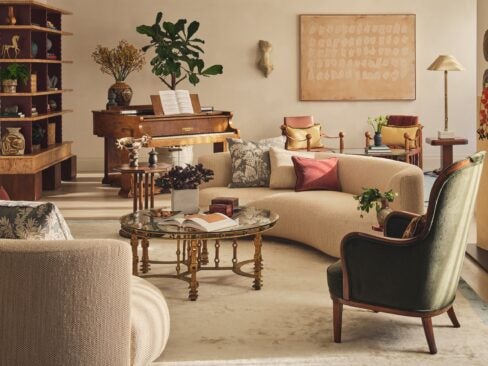
There are 37 rooms and suites, all luxuriously furnished in a palette of soft tones designed to be in keeping with the honeyed limestone that’s the Burgundy vernacular. The most unique of these lodgings is the two-person Signature Cuverie Suite, which is located directly above the cuverie where the wines are made.
See also: England’s Best Still Wines Are Now Coming From Essex
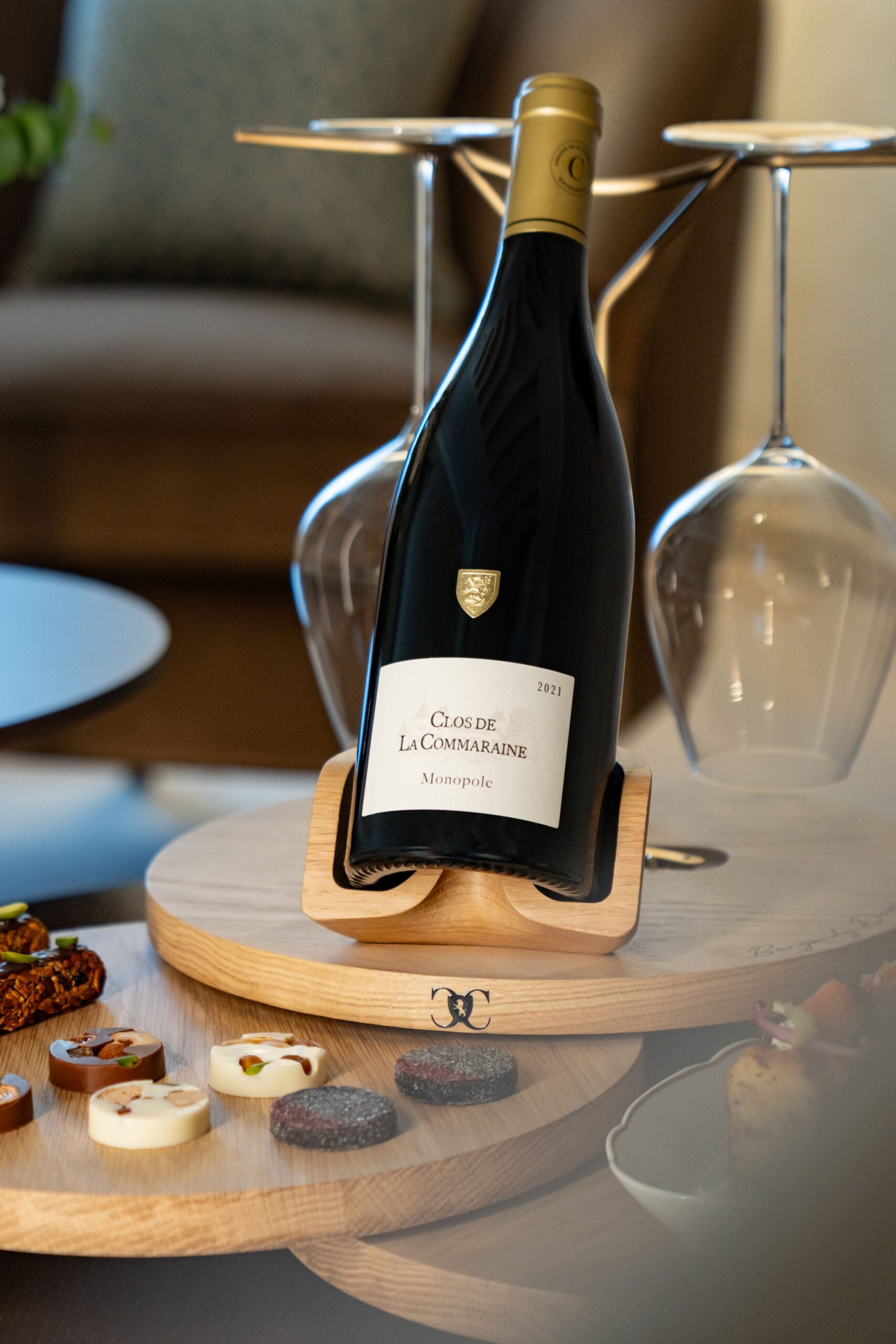
There are two restaurants in the hotel both overseen by executive chef and ‘Meilleur Ouvrier de France’ Christophe Raoux. I ate in the slightly more informal Le Clos bistro, which serves light takes on classic Burgundy dishes, with a Japanese twist: grilled oyster with a dashi broth; confit trout with yuzu. The hotel’s fine dining restaurant, Le VIII, opens in June. The wine list is extensive and big on Burgundy but also offers the chance to taste the couple’s other investments: Les Parcellaires de Saulx, a micro-négociant in nearby Meursault, and Domaine Belleville in Rully, plus the wonderfully vital champagnes of the aforementioned Leclerc Briant. The Château also has a little bar housed in the original 14th century tower with some impressive jeroboams of Chartreuse which come in handy after dinner.
The hotel’s concierge can organize wine tastings, horse-riding, sunrise hot air balloon rides, and E-bike vineyard tours. There’s also a spa in the basement offering MyBlend treatments and other ways to indulge.
The Château is only a ten-minute drive from Burgundy’s ‘capital city’ Beaune, a charming place full of historic sights and delicious things to consume. Visit the city’s 15th-century Hotel-Dieu, with its dazzle-pattern roof tiles, and see the market hall that hosts Burgundy’s famous Hospices de Beaune wine auction every November. Or stop by the Alain Hess épicerie on Place Carnot, which has a stupendous selection of cheeses (and wine) including the house speciality, Delice de Pommard, triple-cream cow’s milk cheese rolled in crunchy mustard seeds.
Anatheum is great for wine accessories, maps, and vinous reading matter. And then you can finish up at Caves Madeleine, a convivial cave à manger, or natty wine specialists Crème, for a glass or two of the local juice.