

For more than a century, Michelin has shaped where travelers choose to eat. More recently, it has steadily expanded that influence beyond the dining room, introducing Keys for hotels and distinctions for exceptional cocktails and service. Now, the Guide is telling us what we should be drinking at the table, too.
Unveiled last night in Dijon, the inaugural Michelin Grapes recognize Burgundy’s leading wine estates. In this first edition, nine domaines received the highest distinction of Three Grapes, including Domaine de la Romanée-Conti, Domaine Leroy, Coche-Dury and Roumier, while a further 20 earned Two Grapes, 33 received One Grape, and 32 were recognized as Selected estates. Michelin says the new classification rewards producers whose quality can be trusted vintage after vintage, assessing everything from viticulture and winemaking to terroir expression and aging potential.
Fine dining and fine wine have always gone hand in hand, and acknowledging the people behind the world’s most celebrated vineyards appears a natural extension for a guide that already judges restaurants and hotels.
Yet the Grapes award marks a significant shift as Michelin now attempts to enter a world already populated by influential critics, publications, and long-running classifications. Because, unlike food, wine has never lacked established arbiters.
See also: How the Prestigious Michelin Star System Really Works
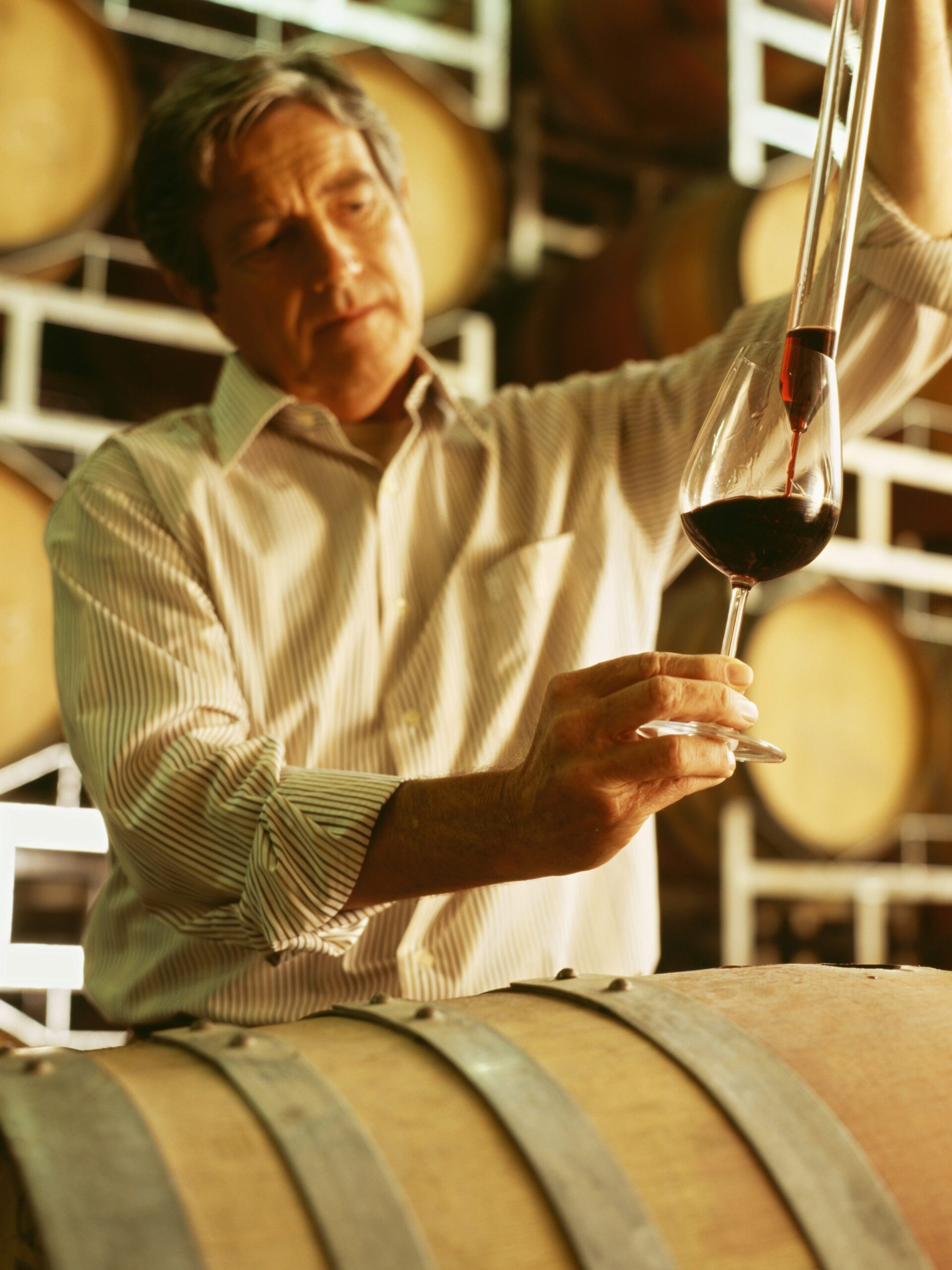
“Michelin has an enviable level of credibility; the third star is still the holy grail for both chefs and food lovers around the world,” says Jason Haynes, founding director of London-based wine importer and wholesaler Flint Wines. “There is no obvious reason why they can’t do the same for wine if they have the right reviewers on board.”
But credibility alone may not be enough. “Michelin must be careful to remain relevant and bang up to date,” Haynes adds, noting that wine evolves far more quickly than traditional classifications often allow. “They need to be prepared to move domaines up and down to reflect progress and decline.”
The Michelin Star became influential not because Michelin declared it so, but because generations of chefs, and consequently diners, have collectively accepted it as the ultimate shorthand for culinary excellence. Building that same level of recognition elsewhere is proving more difficult.
Michelin has experimented before. The Green Star, introduced in 2020, was arguably the Guide’s most original idea in decades, recognizing sustainability efforts rather than culinary perfection. It won widespread support within the industry before quietly being retired earlier this year. The hotel Keys have enjoyed a steadier reception, but neither has come close to embedding itself in popular culture in the way the Stars have.
Which raises an obvious question: how many Michelin distinctions can the Guide realistically sustain before they begin to compete with one another?
See also: What Wine To Order At Dinner, According To Sommeliers
“It will be interesting to see what sort of vineyard they recognize,” says Clément Cousin, sommelier at restaurant Bavette. “Will it be a big, influential wine company that already has plenty of awards, or a smaller grower who works on a smaller scale and needs help being recognized?”
José Marta, head sommelier at W Algarve, believes that distinction could determine the awards’ long-term relevance. “If they treat Grapes like a real deep dive into the wine world, fishing for great producers that the public doesn’t know about, they’ll carve out space fast,” he says. “If they just award the producers every wine list in the world already carries, it will fall into irrelevance.”
Richard, founder of Wanderlust Wine, agrees that Michelin’s reputation alone will not guarantee success. “Credibility isn’t inherited, it’s earned,” he says. “Michelin’s authority was built at the table, not in the vineyard.”

For now, Michelin has played it safe. There is little controversy surrounding Domaine de la Romanée-Conti, Domaine Leroy, or Coche-Dury receiving Three Grapes. But that’s the challenge Michelin has already set itself.
Confirming what the wine world already knows is relatively easy. Convincing it to look somewhere new is where Grapes will either become a success story or simply another logo to add to winerie’s website.