
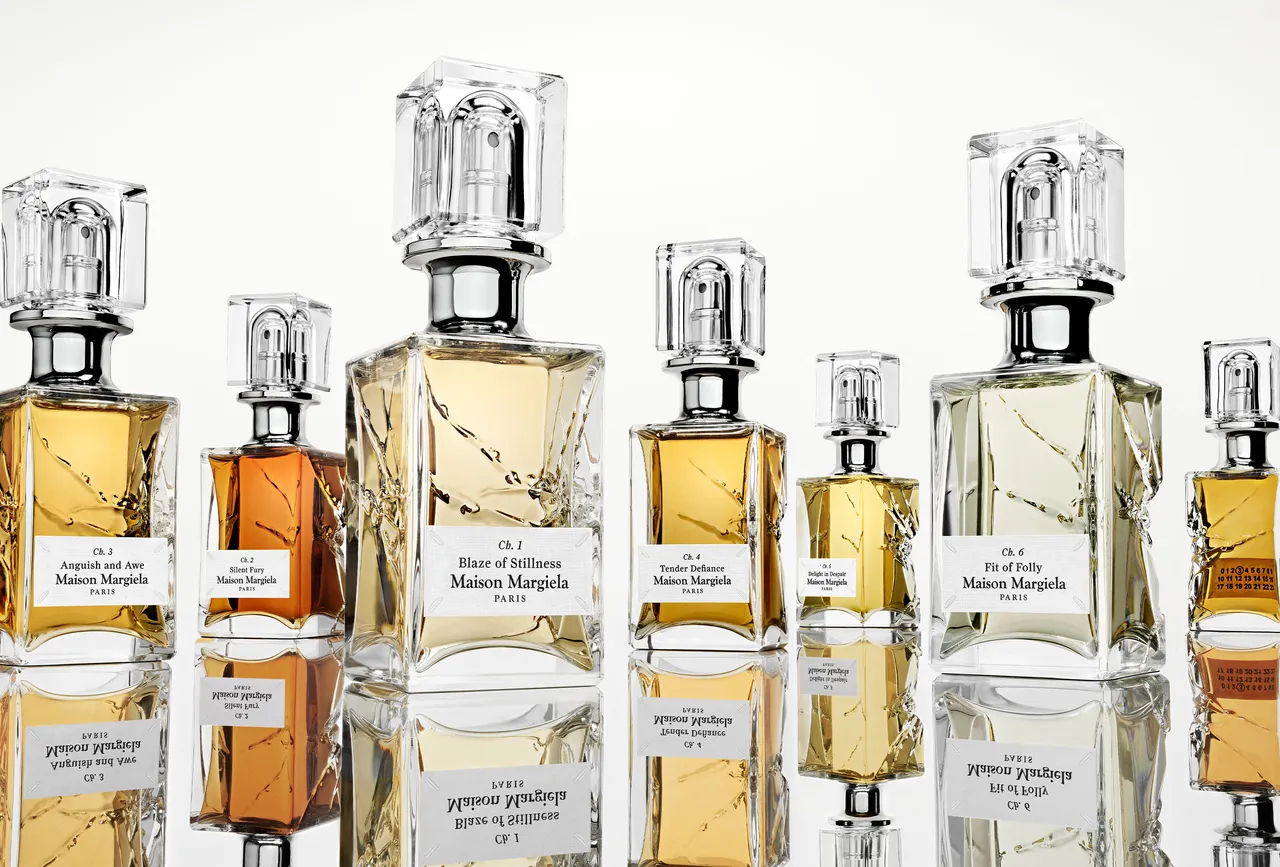
Perfume may occupy only a small shelf of a luxury maison, but increasingly, it’s becoming the most ambitious canvas for artistry. Maison Margiela’s new Scentsorium Collection is a case in point.
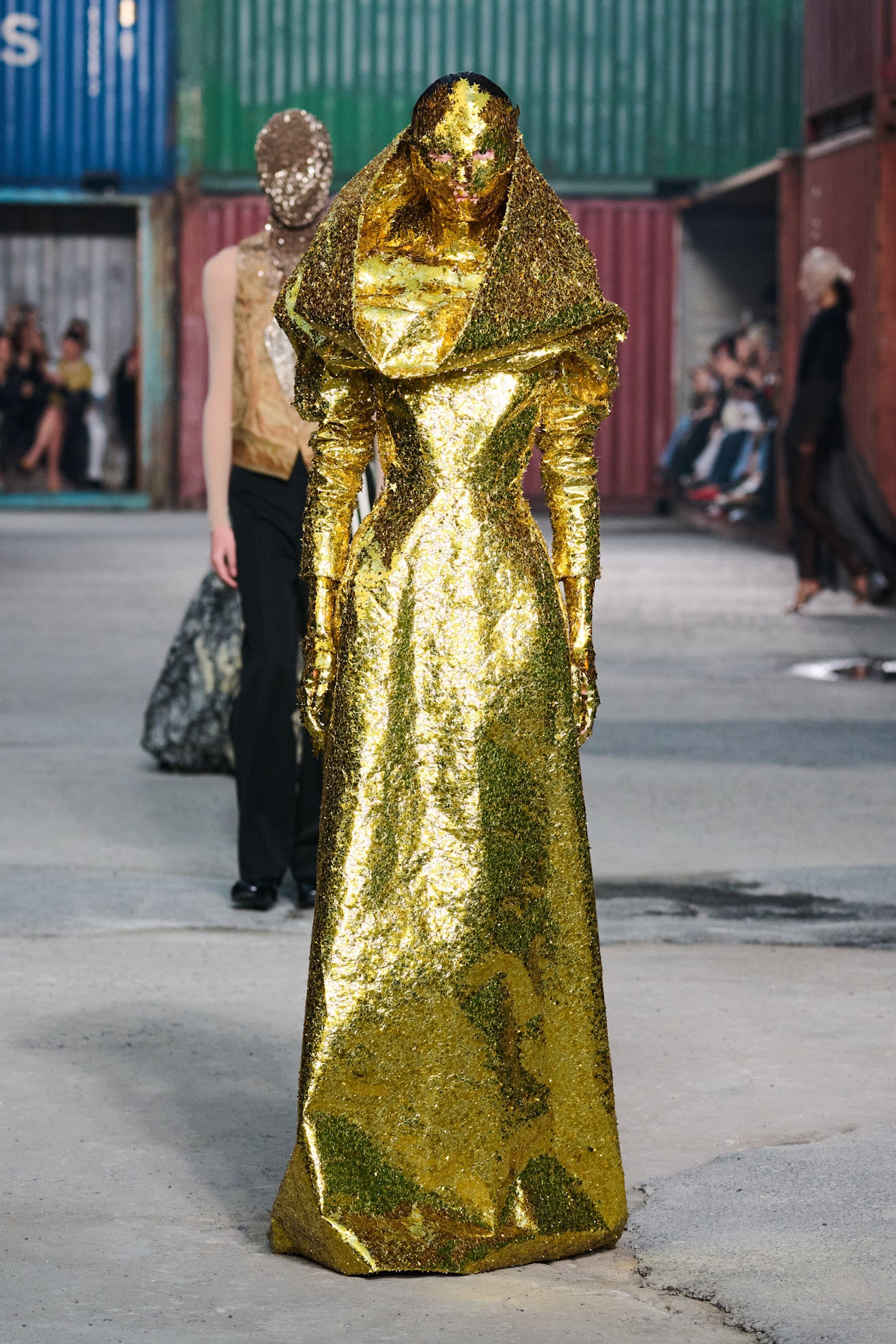
Unveiled on April 1 during its Women’s F/W26 show in Shanghai – the house’s first runway show outside of Paris since its founding in 1988 – Maison Margiela unveiled its new haute perfume line, the Scentsorium Collection; a deliberate pivot toward haute perfume, joining stablemates like Armani Beauty and Valentino Beauty.
See also: Why Is Hollywood Reportedly Hooked on Peptide Injections?
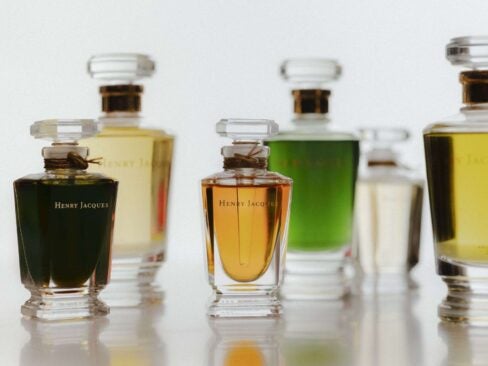
The collection marks L’Oréal Group’s latest step in building a couture fragrance portfolio. These fragrances are defined by higher concentration formulas, rarer ingredients, and bottles designed to sit somewhere between object and artefact. It’s a notable pivot for a brand whose fragrance success has, until now, been rooted in accessibility. Since its launch in 2012, Maison Margiela’s Replica line has become something of a cult favourite, with its clean, nostalgic scents offering consumers an entry point into Margiela’s universe. Yet if Replica is ready-to-wear, Scentsorium is set to be the unmistakable couture arm of the brand: more concentrated (25 to 30 percent), more conceptual and, crucially, more expensive.
Conceived by former creative director John Galliano, the line leans into Margiela’s long-standing fascination with emotion and abstraction. With names like Anguish and Awe and Delight in Despair, the scents read more like Russian literature than retail inventory.
Behind the poetry sits a very pragmatic strategy. The fragrance market, while still buoyant, is settling into a post-pandemic rhythm – and with it comes a new kind of consumer. According to L’Oréal’s latest results, fragrance remains a standout performer within its Luxe division, driven in part by brands like Margiela itself.
“There is a craving for radical creation, exclusivity and craftsmanship,” said Sandrine Groslier, global president of L’Oréal Luxe fragrances – a sentiment that neatly captures the industry’s current inflection point. Where mass scents once dominated, today’s buyers are increasingly fluent in concentration levels, ingredient sourcing, and olfactory storytelling.
Margiela’s dual-fragrance model reflects this shift. Replica remains the gateway of something familiar, wearable, broadly appealing, while Scentsorium will target a more discerning, design-literate customer.
The trend extends across fashion-led fragrance: Dries Van Noten, Bottega Veneta, and others are expanding into high-end scent, blurring the boundaries between couture and niche perfumery. The market may begin to feel increasingly crowded, but it’s also notably increasingly curated. Puig’s developing discussions around a potential merger with The Estée Lauder Companies could create a $40bn powerhouse, set to span everything from indie darlings like Byredo to designer mainstays like Tom Ford Beauty. Meanwhile, Kering’s beauty arm has already been absorbed by L’Oréal in a multi-billion-dollar deal, further tightening the grip of industry giants.
Related Story

Large conglomerates bring scale, distribution, and financial muscle; all essential for turning fragrance into a global business. But they also introduce structure, segmentation, and (inevitably) a degree of predictability. Brands are positioned carefully to avoid overlap; risk is managed. The very thing consumers are increasingly seeking, individuality, can become harder to manufacture at scale.
It raises an uncomfortable question: as portfolios grow, does creativity shrink? Only time will tell.