
Who is the most influential designer of the last sixty years? My answer is probably going to surprise you.
It’s not the one who conjures the biggest catwalk splashes; who creates viral pieces and moments. It’s the one who has changed the very narrative of how we dress today, so much so that his achievements are hiding in plain sight.
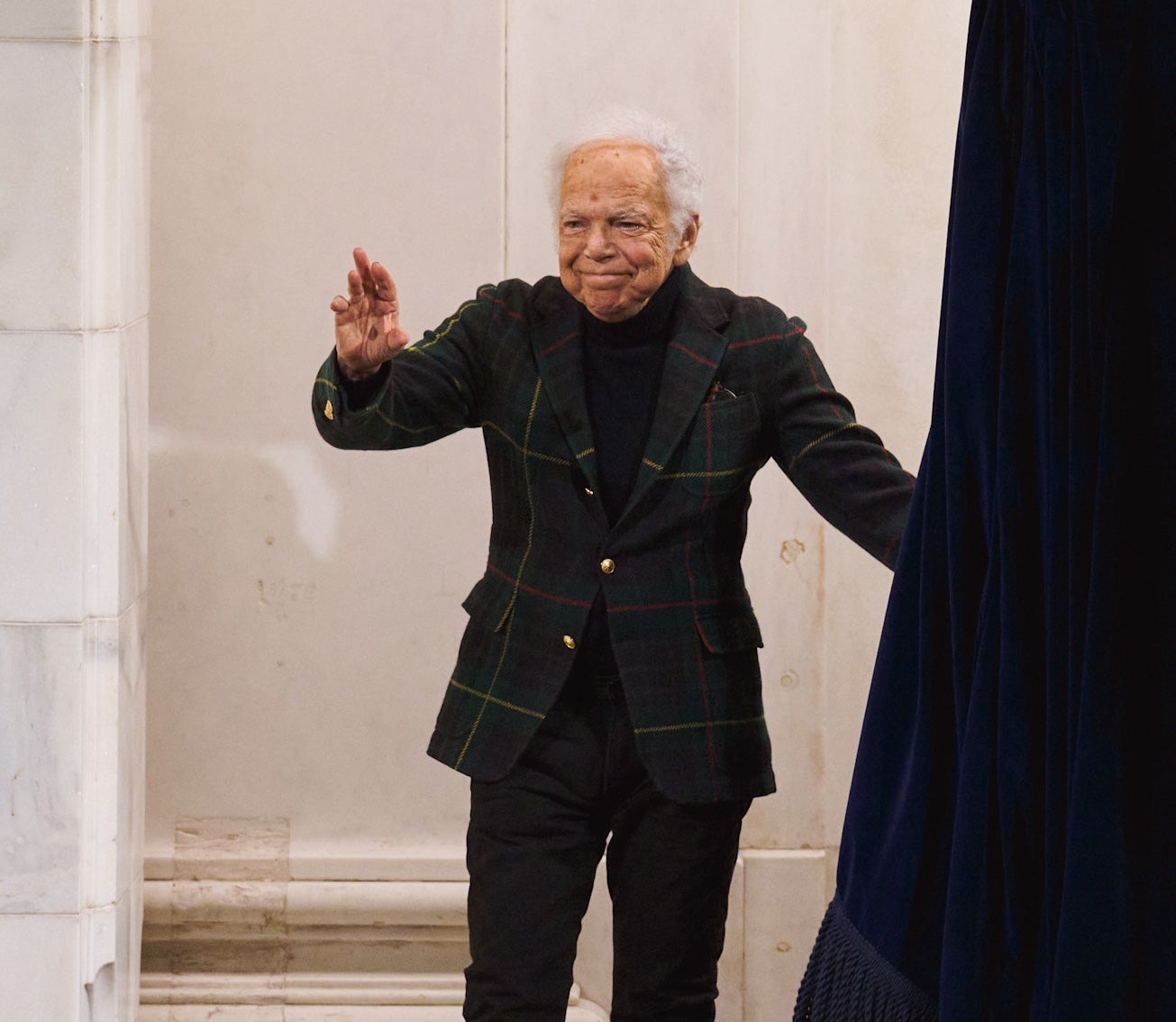
Ralph Lauren invented the language of the contemporary wardrobe. Right from the beginning – from the launch of Polo in 1967, and then womenswear in 1972 – he was all about a mix that was both irreverent and aspirational. In Lauren land – a realm that melds wearability and aspiration – and now in the world at large, it’s completely normal to pair, say, a tuxedo jacket with a pair of jeans. Yet to combine a tux with blue denim is to cross-fertilise two very different takes on the American dream. Jay Gatsby meets John Wayne. People didn’t do that before Lauren came along.
It was he who first drew on multiple American dreams and coalesced them into a whole. Also in the mix was everyone from Sitting Bull to Amelia Earhart by way of Katharine Hepburn and Joe DiMaggio.
See also: The Designer Behind Dior’s Wildest Shoes Is Breaking All the Rules
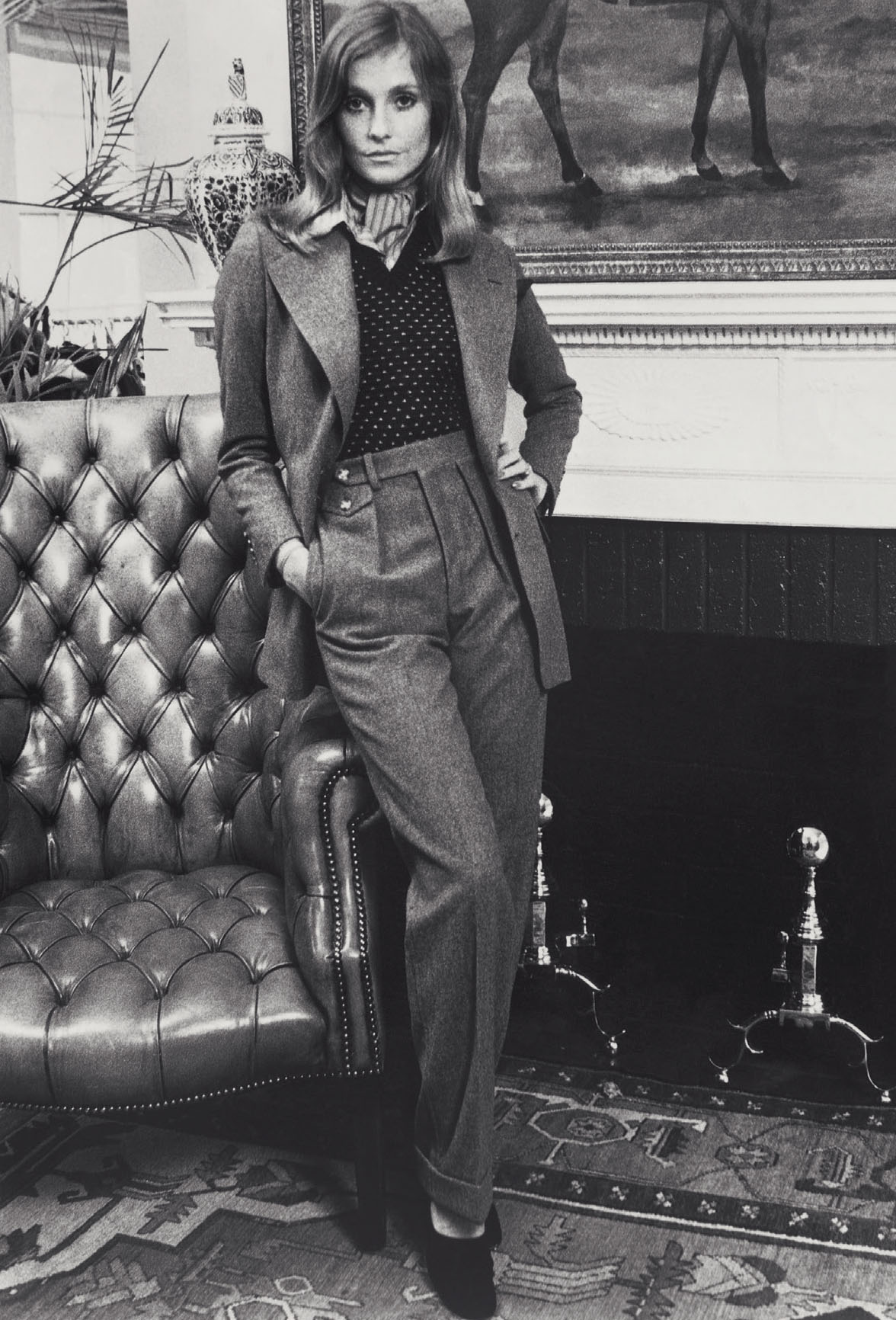
So-called code switching is at the heart of modern fashion, and this is the designer who began it all, as evidenced by the weighty new tome Ralph Lauren: Catwalk Collection, which covers over 100 women’s runway shows and contains over 1,000 images. People don’t want to be one thing anymore. They want to be several. They want to have their cake and eat it. To be polished yet cool. Preppy yet hip. Uptown yet downtown. Part of something yet also definitively themselves.
Right from the start Lauren – who, in another manifestation of the American dream, is still working at 86 – wasn’t just creating clothes but casting a surround-sound world. His approach is akin to that of a film director, creating his own double takes on the movies he loved growing up as Ralph Lifshitz, the son of two Jewish immigrants, in the Bronx. His storytelling, like that of the other great American mythmaker, Hollywood, has captured the imagination of the world.
The pictures in the book from the first collection, for fall/winter 72/3, show clothes that could be worn today, be that the then- newfangled notion of a tuxedo dress (backless and to-the-floor) or the natty tweed suiting that channelled the British aristocracy. (Because threaded into the American dream, and thus Lauren’s dream, were other origin stories from further afield.)
See also: Why Has Chanel Bought Historic Shirtmaker Charvet?
The tropes of masculine dressing were feminised so definitively in this catwalk debut that onlookers at the time found it as confusing as they did beguiling. The New Yorker declared it “a phenomenon to bewilder anthropologists… [one] not only astonishing but handsome.” Like all truly great designers, Lauren is, in truth, akin to an anthropologist himself, looking at who people are, or want to be, and how they dress themselves to semaphor to other their identity, whether real or aspired to.
In the early years Lauren still hadn’t visited Europe, incidentally. Nor had he yet been to Africa, from which he was inspired to recreate safari chic. He hadn’t even made it to a New England prep school, another aesthetic that was central to his oeuvre. It was his original outsider status – long vanished, of course – that made him so good at capturing the world of the insider, and at repackaging it in such a way as to appeal both to those who were already there and those who, like him, wanted to be. “If I had been born to it I might not have been… I wouldn’t have had the same dream,” he once told me.
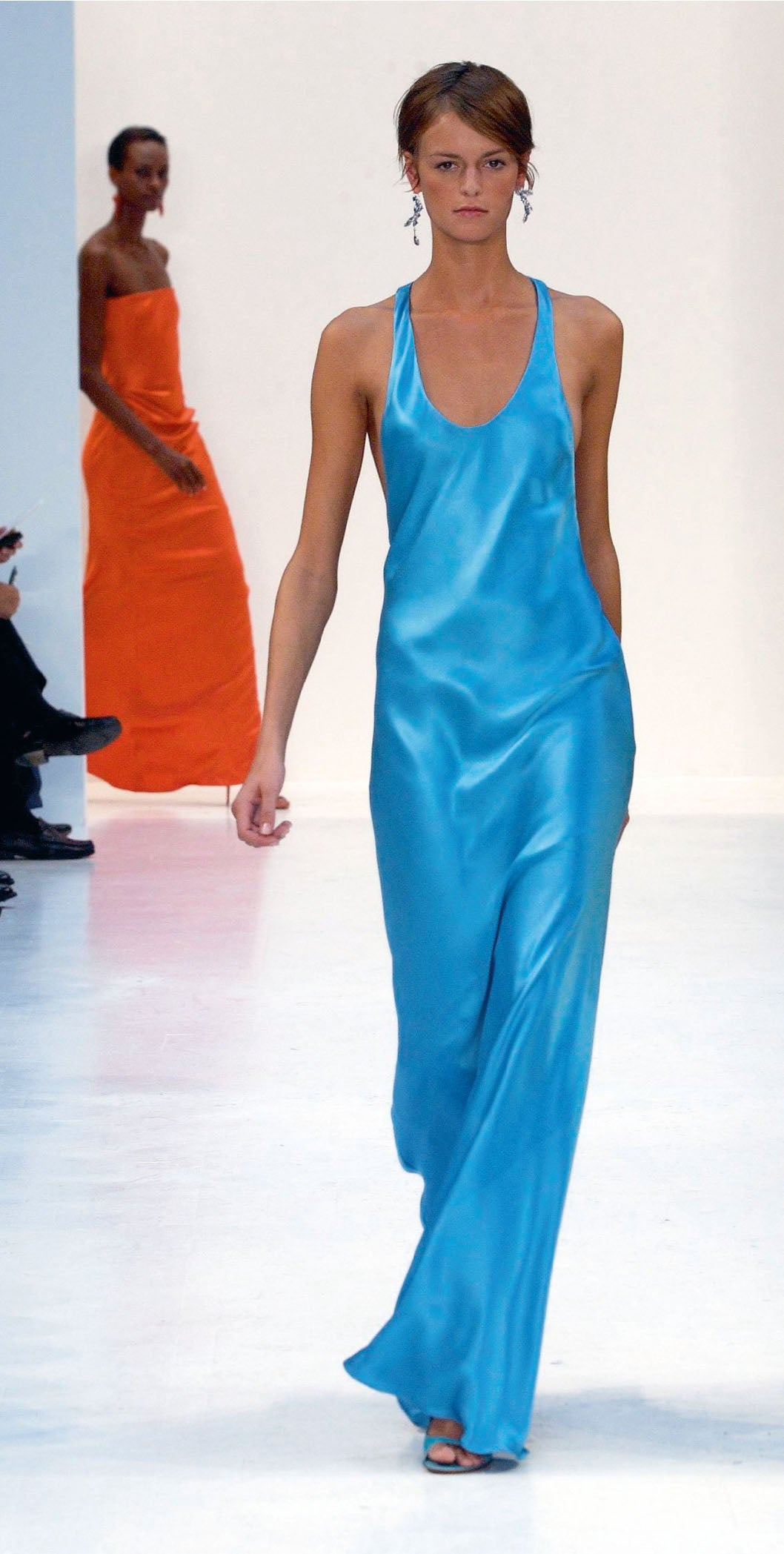
“I don’t like fashion,” he also said on that same occasion, the man who started out as a tie salesman, modeling to his then-customers the old-school-ish styles he had created with jeans, a leather bomber and cowboy boots. What? Ralph Lauren doesn’t like fashion? “No,” he continued. “It’s very changeable. It’s… It’s about time. I like style. Style is, in a way, who you are, and using your own sensibilities to present yourself. I never went to fashion school, but I do design clothes. I do come up with the dream. I want it to be good, and I want it to be timeless.”
To flick through the pages of his new book – all 631 of them – is to see season after season, look after look, that would work just as well today as they did back in the year of their genesis. Timeless indeed.
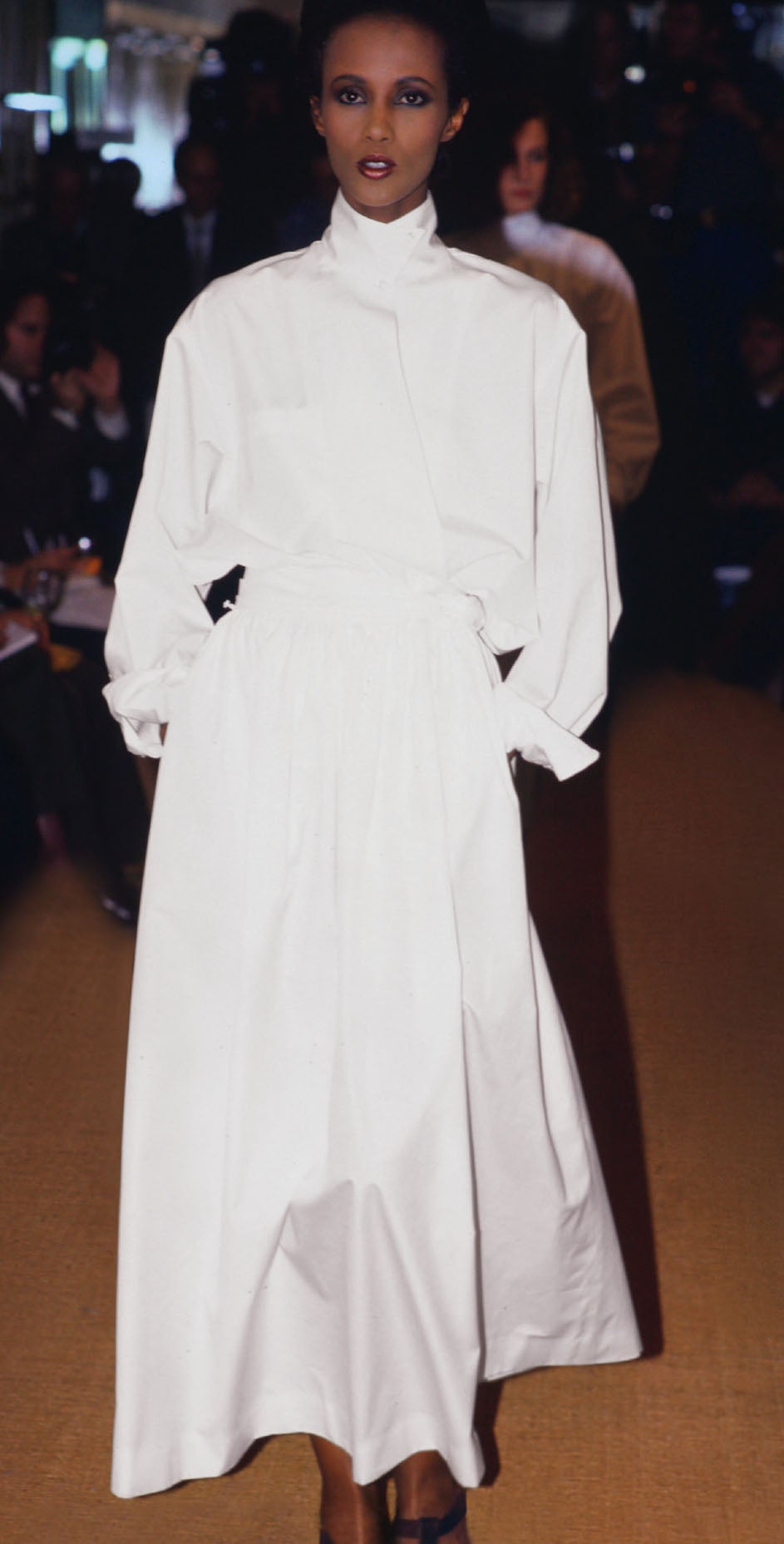
Perhaps it’s the perfect white shirt dress, from spring-summer 85, or the cut-to-kill monochrome tailoring from the Hollywood-inspired collection of fall/winter 95-6 or the kaleidoscope of floorsweeper frocks from spring-summer 2004 or the nautical chic of spring-summer 2016. I could go on. (And on.)
See also: The Royal Family’s Secret Weapon? Fashion
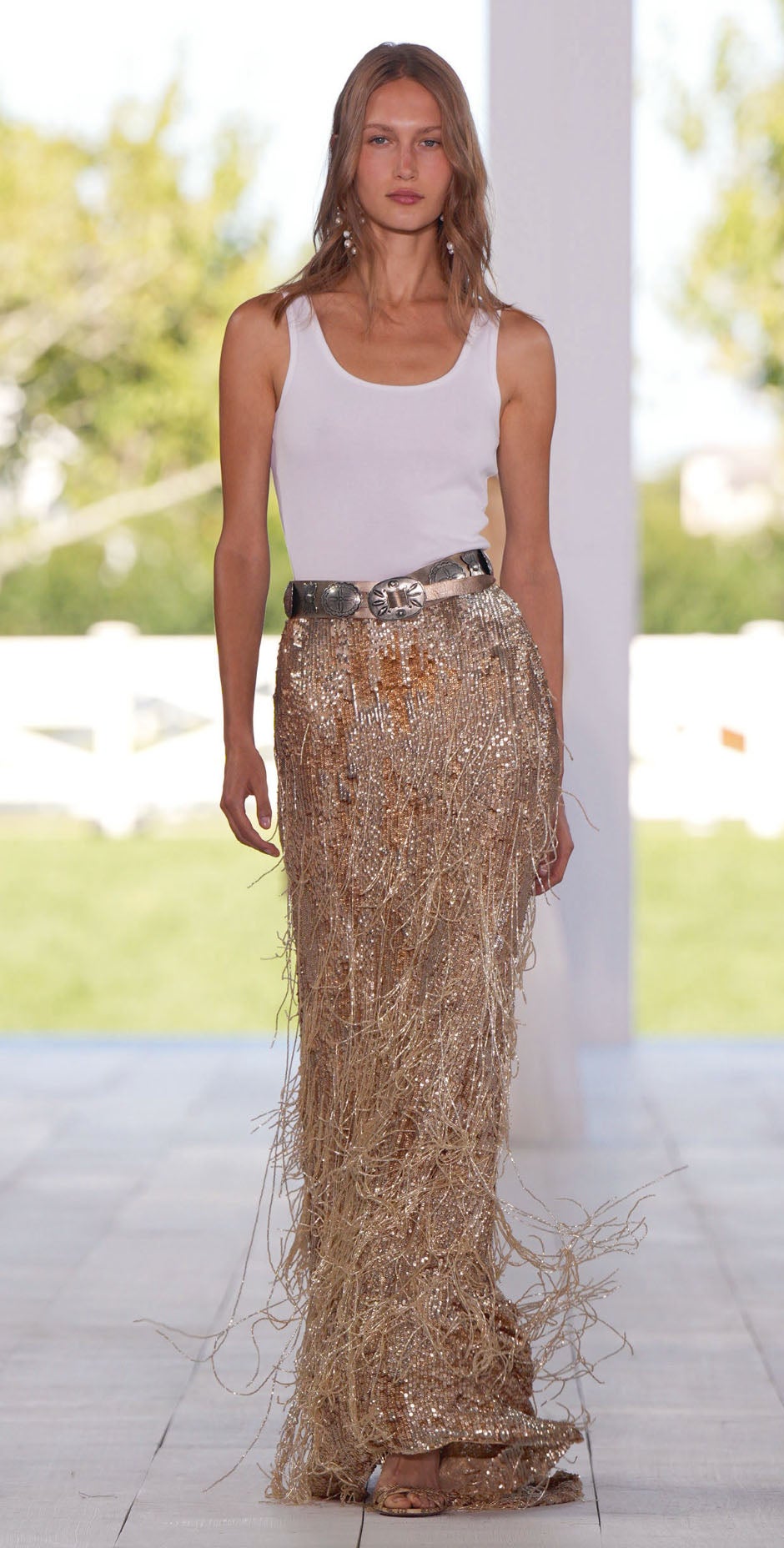
And he is still nailing it, to wit the gloriously on-brand mash-up from this season, whether that’s the pairing of a simple white vest with a mindblowingly glamorous gold and silver beaded skirt or the multi-coloured ultra-cool-looking preppiness. And then there are next season’s deliciously operatic odd-couple pairings. A frothy white jabot collar toughened up by a black bomber jacket, a cream satin and lace gown with a Butch Cassidy belt. Heaven.
“I had the vision,” Lauren told me. “I had the girl. I had the guy. I knew what they looked like.” And now we are that girl. We are that guy. And the whole world knows what they look like.