


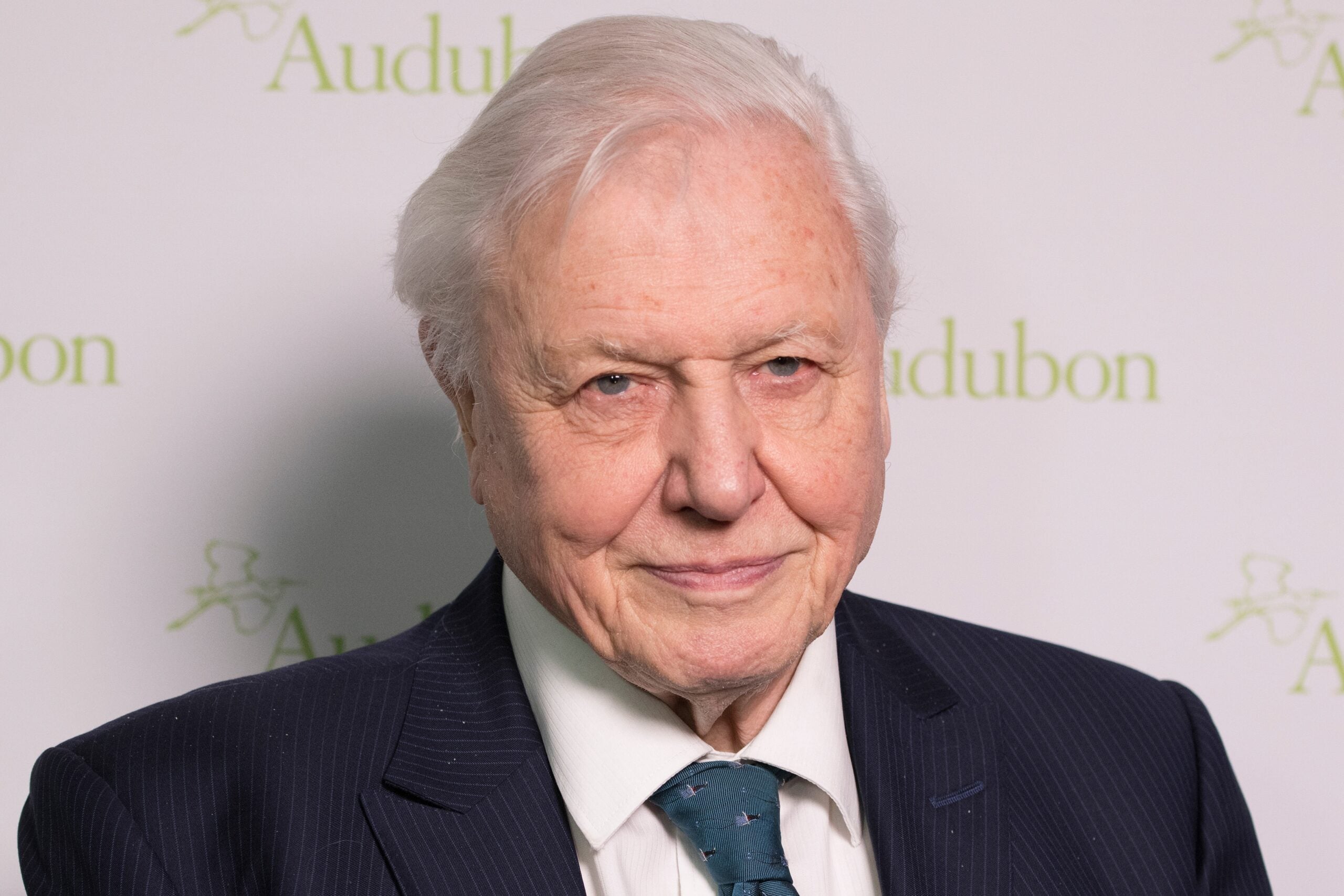
Sir David Attenborough has spent the majority of his life on Earth taking viewers to the furthest corners of the planet – from the depths of the Pacific to the ice shelves of Antarctica – while making generations of armchair naturalists desperate to see those places for themselves. Today, as the broadcaster and conservationist celebrates his 100th birthday, his influence still stretches far beyond television.
“Sir David Attenborough didn’t just bring the world into Brits’ living rooms, he made them desperate to get out and explore it,” Tom Orr, worldwide travel specialist at The Luxury Holiday Company, tells Elite Traveler. “For many travelers, their dream holidays started on the sofa, watching Planet Earth or Blue Planet. But over time, Attenborough didn’t just inspire trips – he changed attitudes.”
The so-called “Attenborough effect” ultimately became about more than wanderlust, forcing audiences and the travel industry alike to confront tourism’s relationship with fragile ecosystems and endangered wildlife.
To mark his centenary, we take a closer look at the hotels, safaris, and travel experiences shaped by the icon – whether through his visits, storytelling, or the environmental awareness he brought into the mainstream.
See also: Sustainable Changemakers in Luxury to Know
Elewana Collection, East Africa
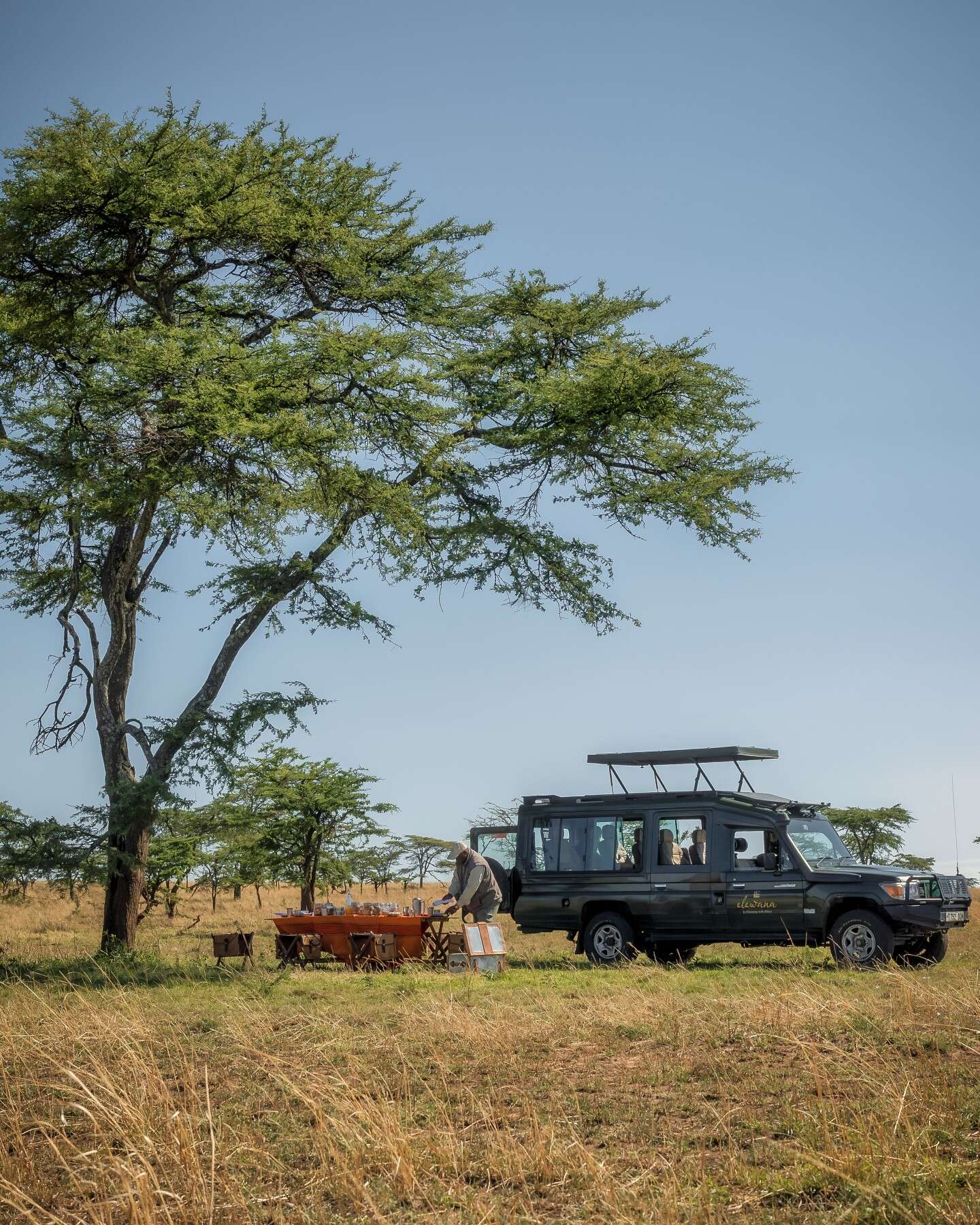
For many travelers, their first glimpse of East Africa’s wildlife came not on safari, but through Attenborough’s documentaries. Few luxury operators understand that connection better than Elewana Collection, whose lodges and camps stretch across Kenya and Tanzania.
“Sir David Attenborough’s work has made the public aware of the African continent and the dangers that Africa’s wildlife faces,” says the brand.
Attenborough and his team also stayed at Elsa’s Kopje in Kenya’s Meru National Park while filming naked mole rats – the curious underground creatures responsible for the tiny soil mounds scattered across the landscape.
Today, Elewana continues to champion the slower, wildlife-focused safari style Attenborough helped popularize, pairing intimate camps with conservation-led tourism.
Sukau Rainforest Lodge, Borneo
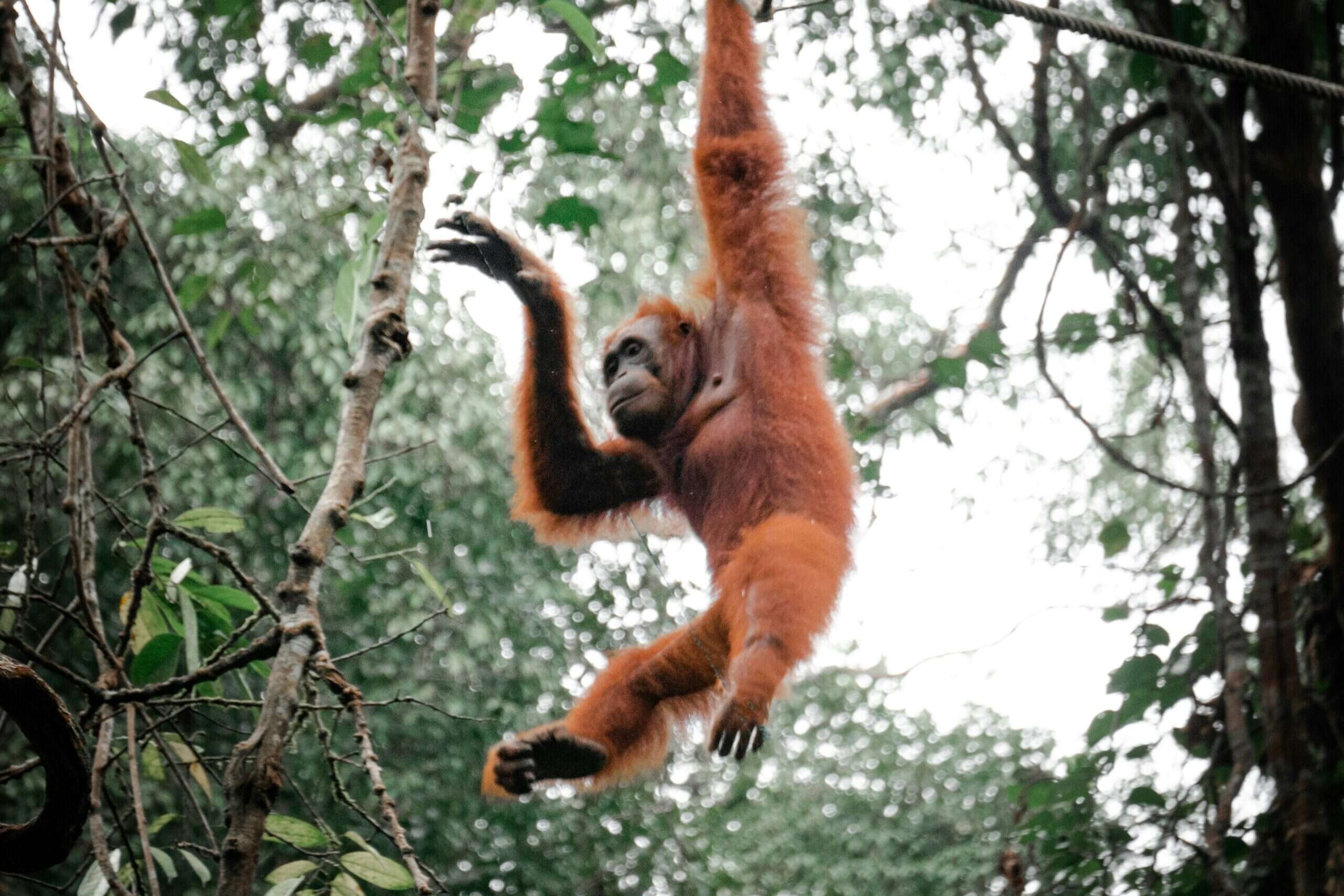
“Borneo is the place I’ve visited most,” Attenborough told The Guardian in 2015. “Its rainforest is full of riches and secrets, but it doesn’t give them up easily.” He first visited the island in the 1950s to encounter wild orangutans, later returning in 2011 to film for the BBC while staying at Sukau Rainforest Lodge.
Perched on the Kinabatangan River floodplain, the rustic luxury lodge remains deeply proud of the connection. Photos of Attenborough line the walls, one villa bears his name, and the boat used by the BBC crew has even been repurposed as the breakfast buffet table. More significantly, the lodge named Attenborough one of its Conservation Fellows in recognition of his contribution to awareness around the Kinabatangan ecosystem.
See also: The Future of Ultra-Luxury Travel in Fragile Destinations
Lizard Island Resort, Australia
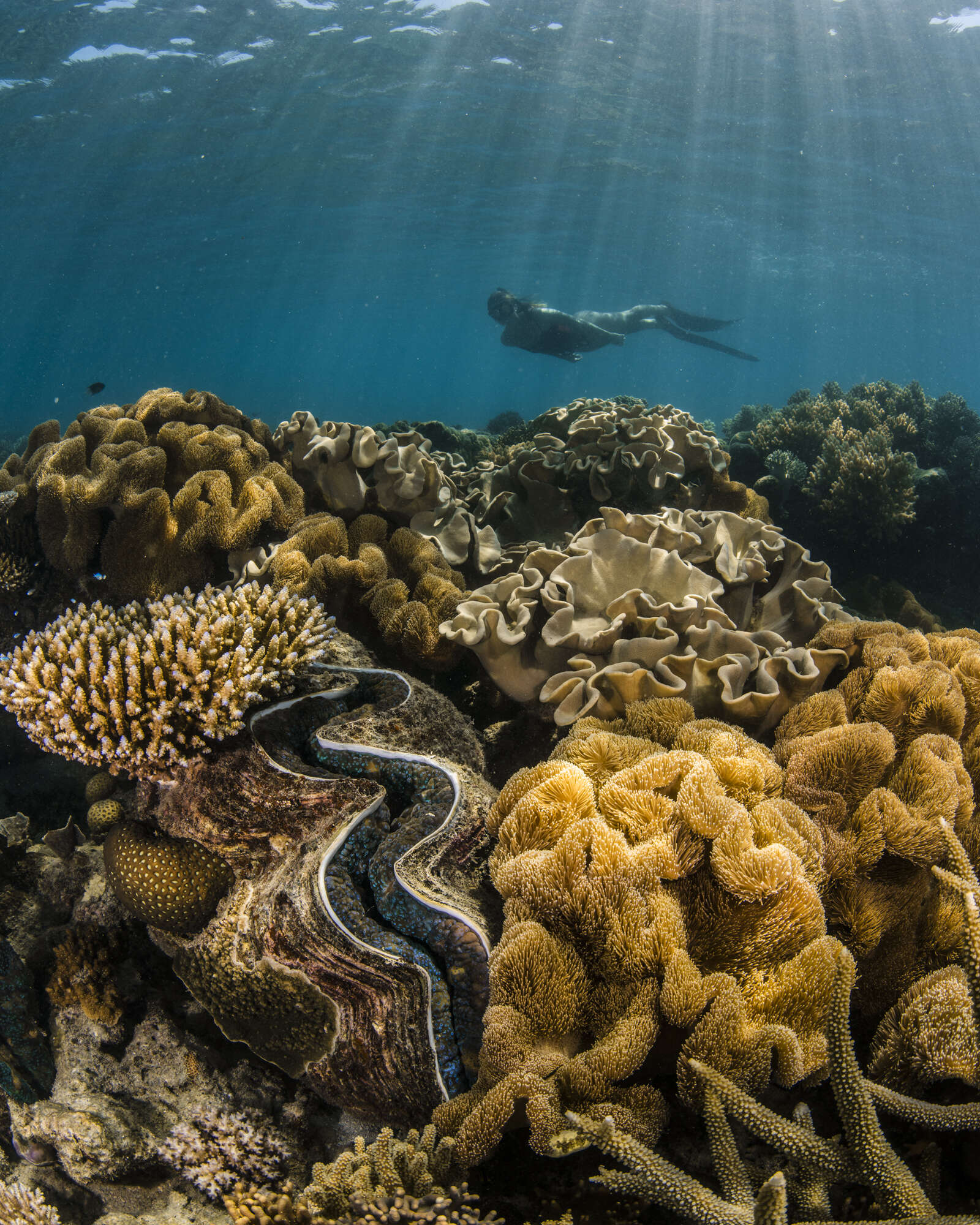
Long before it became one of Australia’s most exclusive private island escapes, Lizard Island was already on Attenborough’s radar. He first visited in 1957, later returning to film Great Barrier Reef with David Attenborough. Today, one of the island’s 24 beaches bears his name.
While not directly connected to the resort itself, guests at Lizard Island Resort can visit the nearby Australian Museum’s Lizard Island Research Station, a world-renowned coral reef facility that played a role in Attenborough’s reef research and now hosts around 100 scientific projects annually.
Though the island has evolved into a byword for barefoot luxury, Attenborough himself has long argued tourism and conservation can coexist “if they behave in a proper way.”
Robin Pope Safaris, Zambia
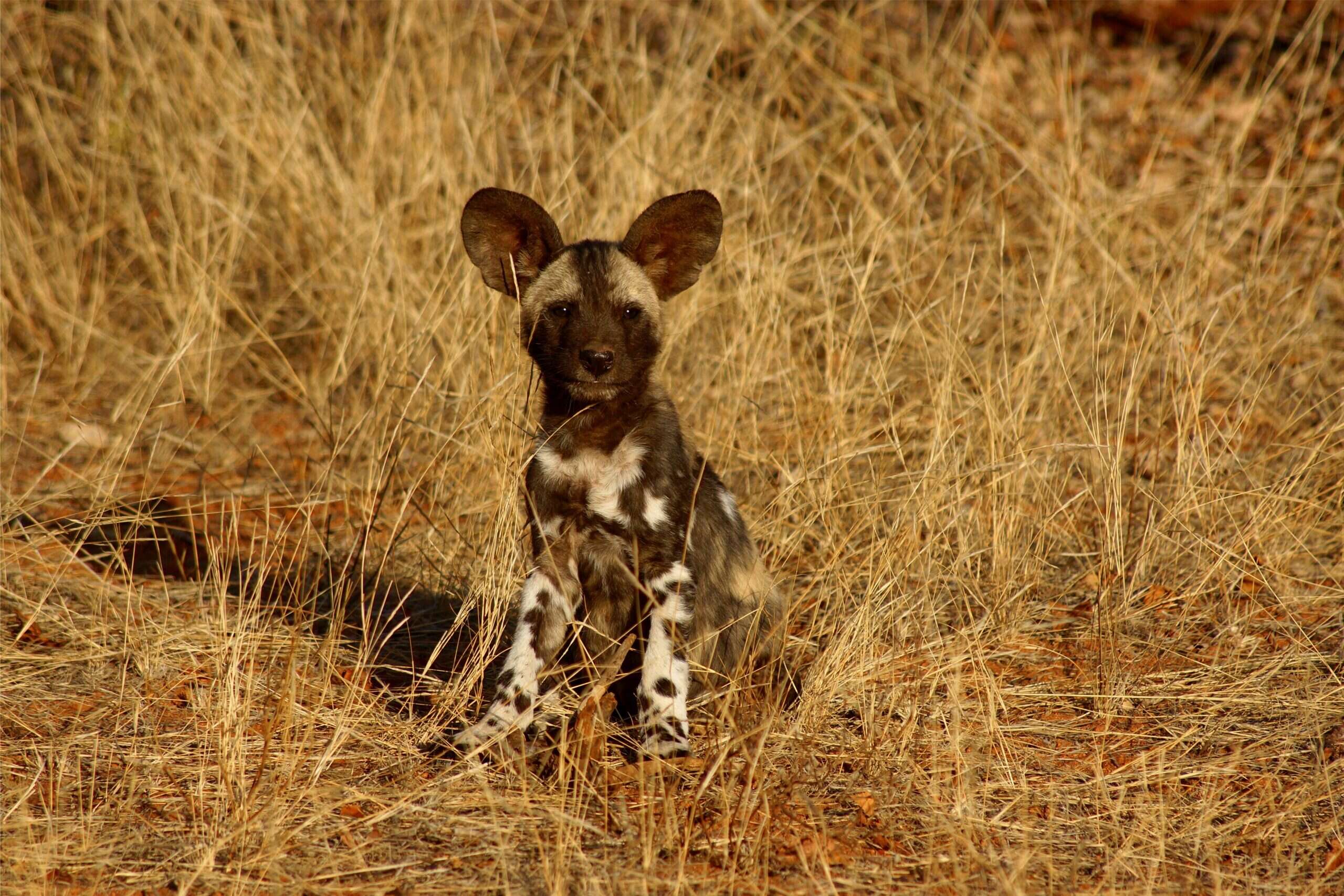
The predators of Zambia’s South Luangwa starred in Kingdom, the BBC wildlife series narrated by Attenborough that followed the lives of lions, leopards, hyenas, and painted dogs across the Nsefu Sector over four years.
For Robin Pope Safaris, the production was especially personal. The BBC crew stayed across the operator’s camps, including Nsefu Camp and Tena Tena, while the series also spotlighted the work of the Zambian Carnivore Programme, with whom the company has partnered for more than a decade.
South Luangwa still feels thrillingly raw, but Attenborough’s involvement helped place international attention on the region’s conservation-led safaris rather than high-volume tourism.
Tirimbina Eco Lodge, Costa Rica
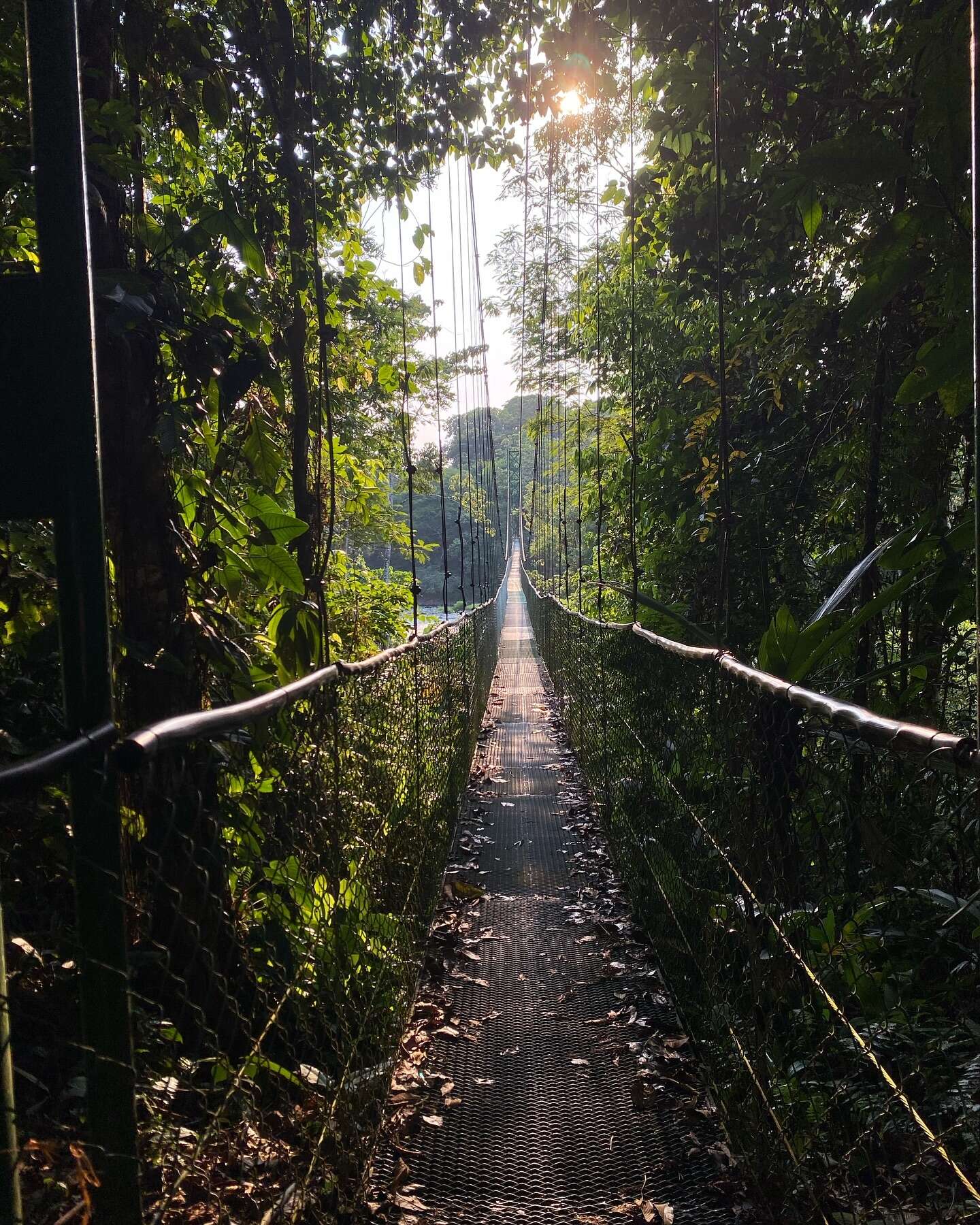
For Attenborough, Costa Rica has long represented one of conservation’s great success stories. Behind-the-scenes footage from The Green Planet revealed that he returned to one site three decades later to find former grassland transformed into thriving rainforest.
That same spirit runs through the country’s eco-tourism industry. “Guests aren’t only seeing incredible wildlife, they’re also seeing a country that’s made conservation part of its identity,” says Cassie Stickland, senior product manager at Saga Holidays.
One stop on Saga’s Wild Costa Rica tour is La Tirimbina Biological Reserve in Sarapiquí, home to Tirimbina Eco Lodge, a rainforest eco-lodge and research station dedicated to sustainable tourism and environmental education.
Related Story
Attenborough once stayed at the reserve, a fact commemorated by a plaque outside his room – a small detail, perhaps, but one that still feels meaningful for wildlife lovers raised on his documentaries.