




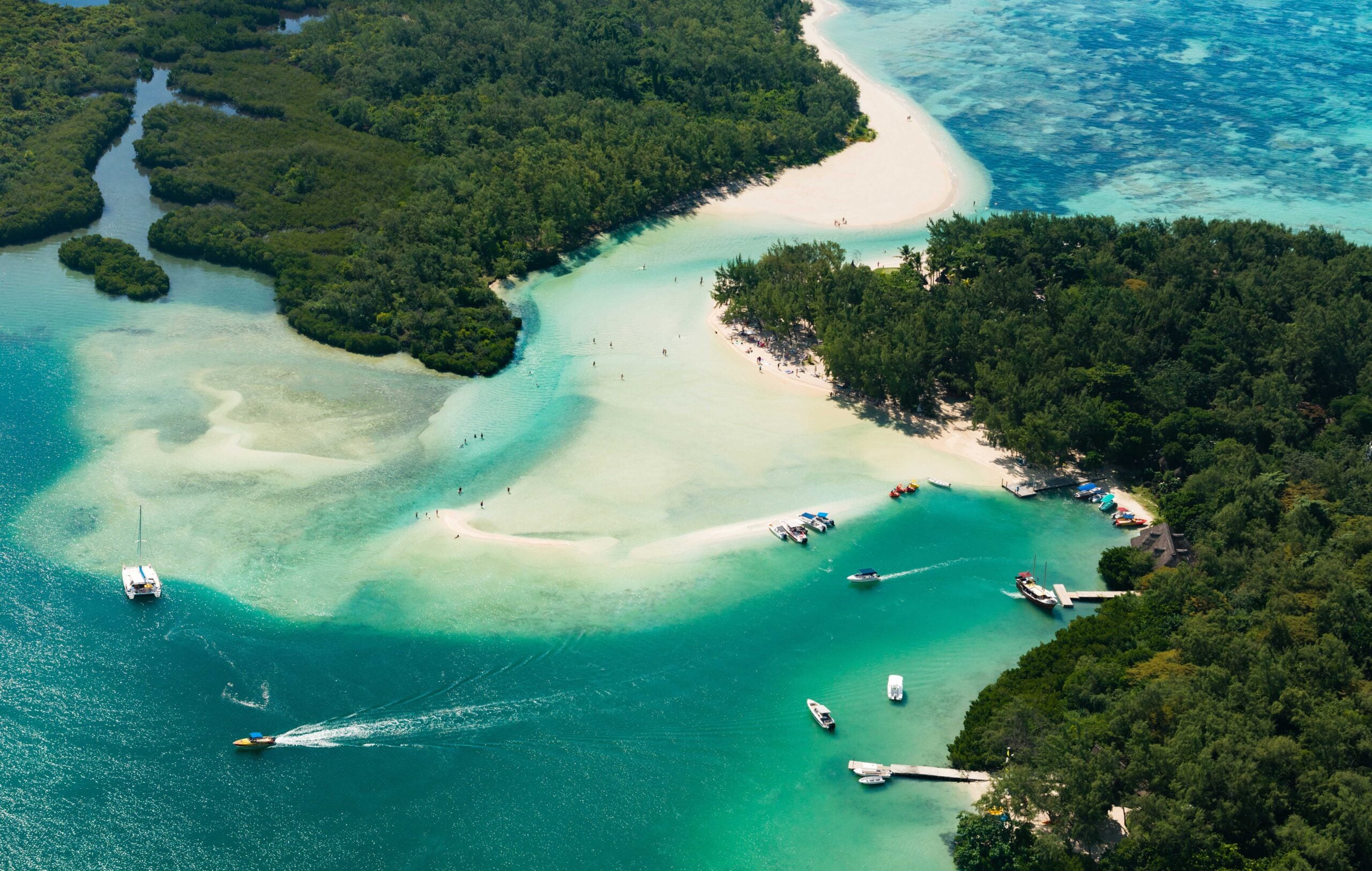
Sun, sea, and a residency permit? Mauritius is betting that's a compelling package for the world's wealthy.
The Indian Ocean nation recently unveiled plans for a new Golden Visa program targeting just 100 high-net-worth individuals per year. Under the proposal, applicants would commit at least $1 million in investment within 12 months of arrival in exchange for long-term residency privileges.
The initiative places Mauritius among a growing number of countries competing for globally mobile wealth at a time when talent and entrepreneurs are increasingly willing to cross borders. But beyond the promise of tropical living and near year-round good weather, prospective residents should understand what life in Mauritius actually looks like before making the move. Here’s what you should know, according to an expert.
Mauritius’ tax benefits
One of Mauritius’ biggest attractions is its tax framework. “It does not impose capital gains tax, inheritance tax or wealth tax. This makes it a premier tax-friendly destination for expats,” says Virginie Faucon, expat expert at AXA Global Healthcare. Personal and corporate tax rates, meanwhile, are generally straightforward, making the country appealing for entrepreneurs and investors that are looking for predictability.
However, a common misconception is that relocating to Mauritius automatically eliminates tax obligations elsewhere. Tax residency rules vary by country, and many jurisdictions have complex requirements regarding foreign income, reporting obligations, and even residency status. “There are important nuances to be aware of, so any individuals and families thinking of relocating to Mauritius should seek proper legal and financial advice,” advises Faucon.

What about the lifestyle?
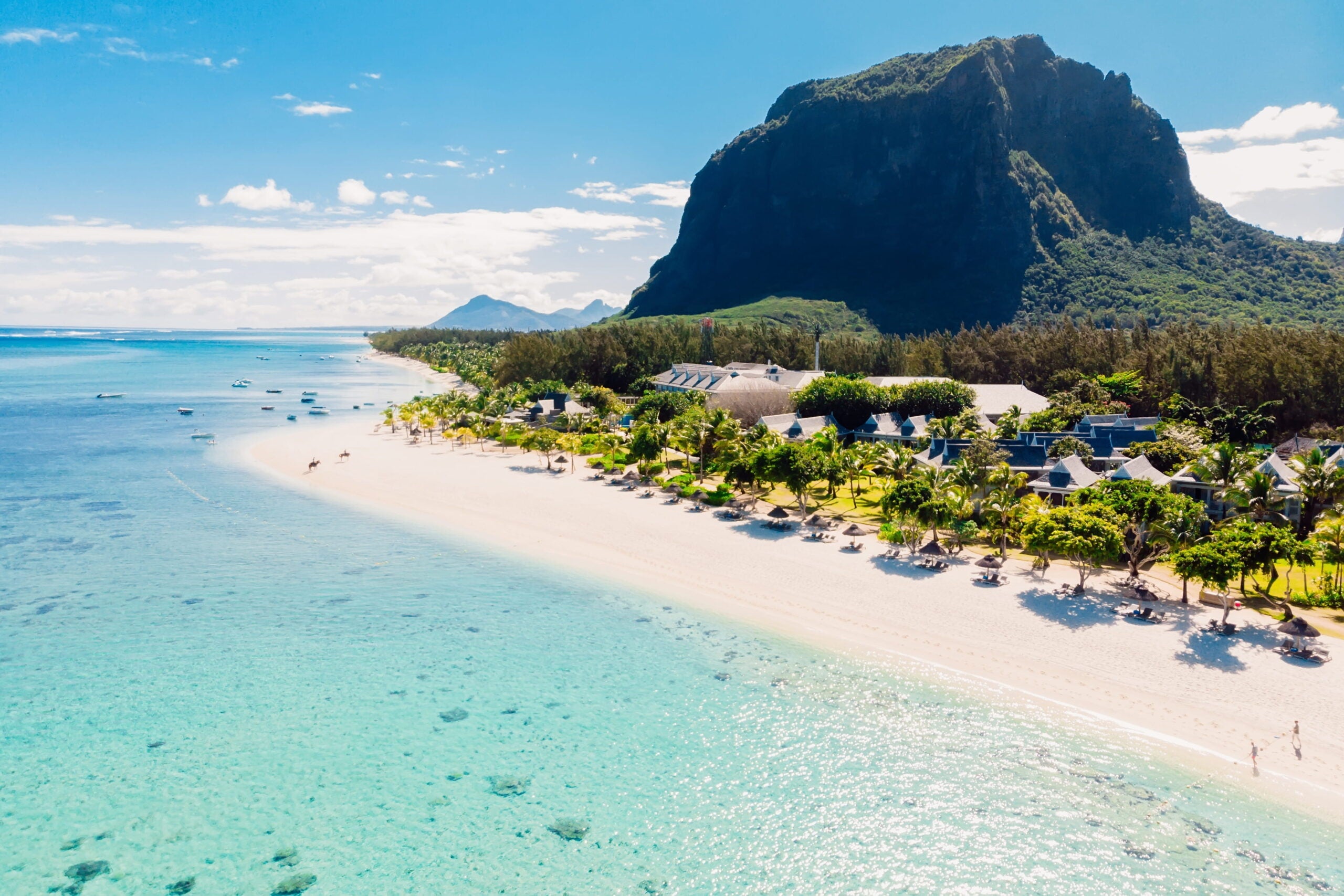
While taxes often dominate the conversation, many expatriates point to lifestyle as the primary reason they stay in the tropical country. Mauritius offers year-round warm weather, postcard-worthy beaches, and relatively low crime rates. English and French are widely spoken languages that also reduce barriers for international residents. Plus, the island’s society blends African, Indian, European, and Chinese influences, making it a welcoming multi-cultural environment.
Living cost wise, property prices in premium coastal areas of Mauritius have risen significantly as international demand has increased (which is to be expected), however everyday expenses, imported goods, luxury products, and certain services are still lower than in many Western cities.
Faucon adds that “our research shows that access to quality private healthcare, specialist medical services, and strong health infrastructure are increasingly important considerations for high net worth individuals, and Mauritius has invested significantly in these areas in recent years.”
The island’s relatively small size, however, may be seen as limiting for some residents. Those used to the variety of entertainment and dining options available in major global cities like London and New York may find the pace here slower than expected. The benefits of living so close to the sea may balance that out, though.
Related Story

What is Mauritius’ economy like?
Positioned between Africa and Asia, Mauritius offers access to two regions expected to account for a growing share of global economic activity over the coming decades. It has built a reputation as one of Africa’s most business-friendly economies, consistently ranking highly for ease of doing business and with more economic freedom compared to many of its regional peers. “Mauritius punches well above its size as a financial center. It has a long track record of democratic governance, a robust legal system, and genuine lifestyle appeal,” adds Faucon.
In addition, its legal system combines elements of French civil law and English common law, providing a degree of familiarity for international investors considering the move. However, while Mauritius has a strong economy by regional standards, career opportunities outside specific sectors could be limited. The country has long relied on tourism, financial services, manufacturing, and real estate as pillars of its economy – so those who are trained in areas outside of these sectors may find it more challenging to find suitable employment.