
The quaint village of Braemar, tucked into the heart of the Scottish Cairngorms, has a population that barely tips 800 on a busy day. It’s the kind of place you’d pass through without slowing down, assuming you’d already seen all there was to see.
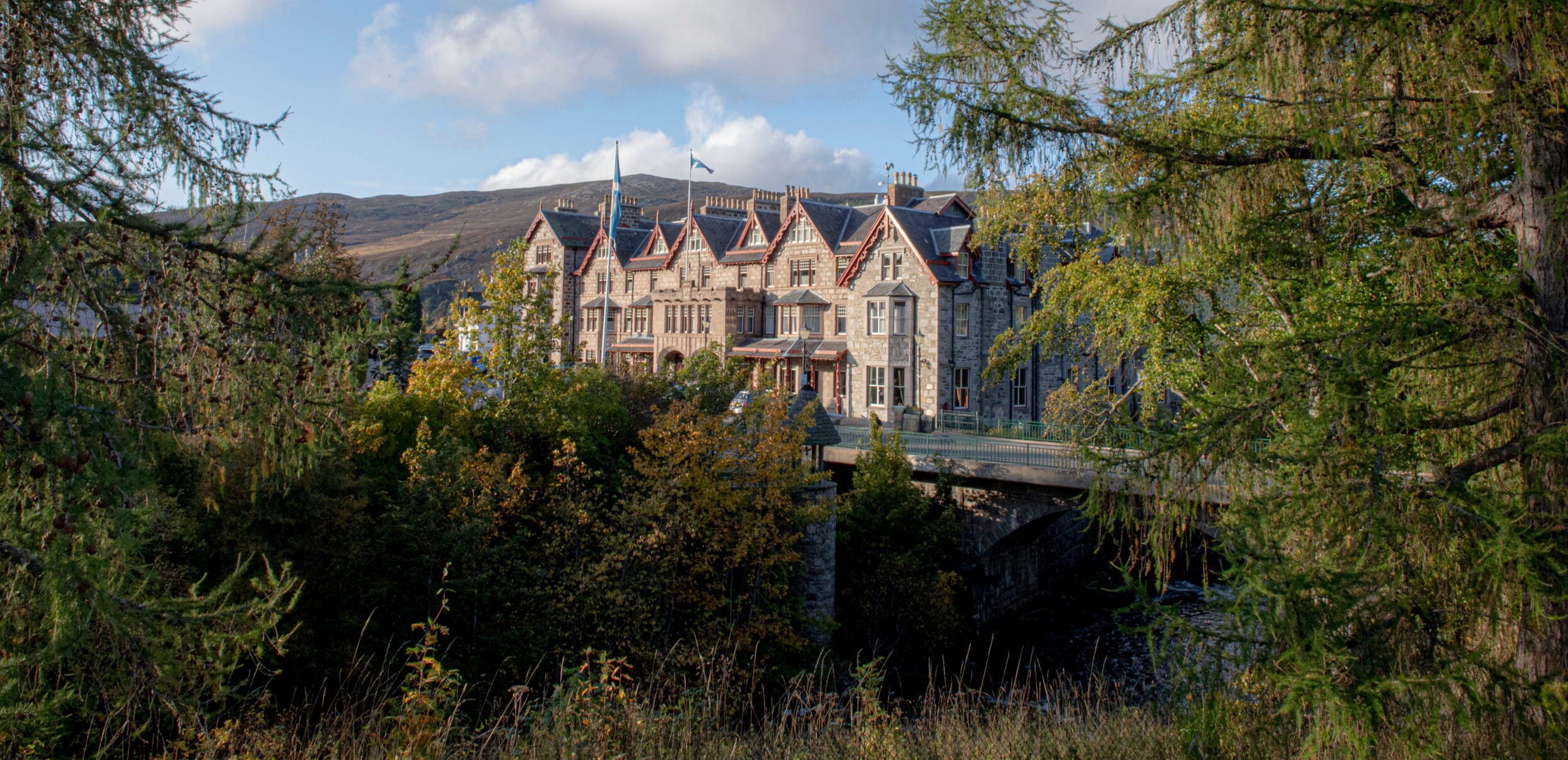
That, of course, was before Iwan and Manuela Wirth – founders of Artfarm – arrived in 2013 and acquired The Fife Arms. What was once a fading Victorian coaching inn from the era of Queen Victoria was reimagined into something far more conspicuous, and, depending on who you ask, rather more influential than the village ever anticipated. Locals will tell you the ripple effect has been real enough to measure: house prices reportedly rising by around £150,000 (approx. $203,260) since its revival.
Steadily, Braemar began to appear more frequently on the itineraries of actors and designers – Will Ferrell stayed in recent years, while fashion designer Anya Hindmarch has been in for events. Even British royalty has been known to pass through its doors – though the guestbook, naturally, keeps its own counsel on the matter.
The surroundings, however, were never short on status. Nearby stands Balmoral Castle, long associated with the British Royal Family, and a short drive away is Braemar Castle, dating back to the 17th century and once occupied by government troops during periods of unrest. Elite Traveler checks in.
Stay
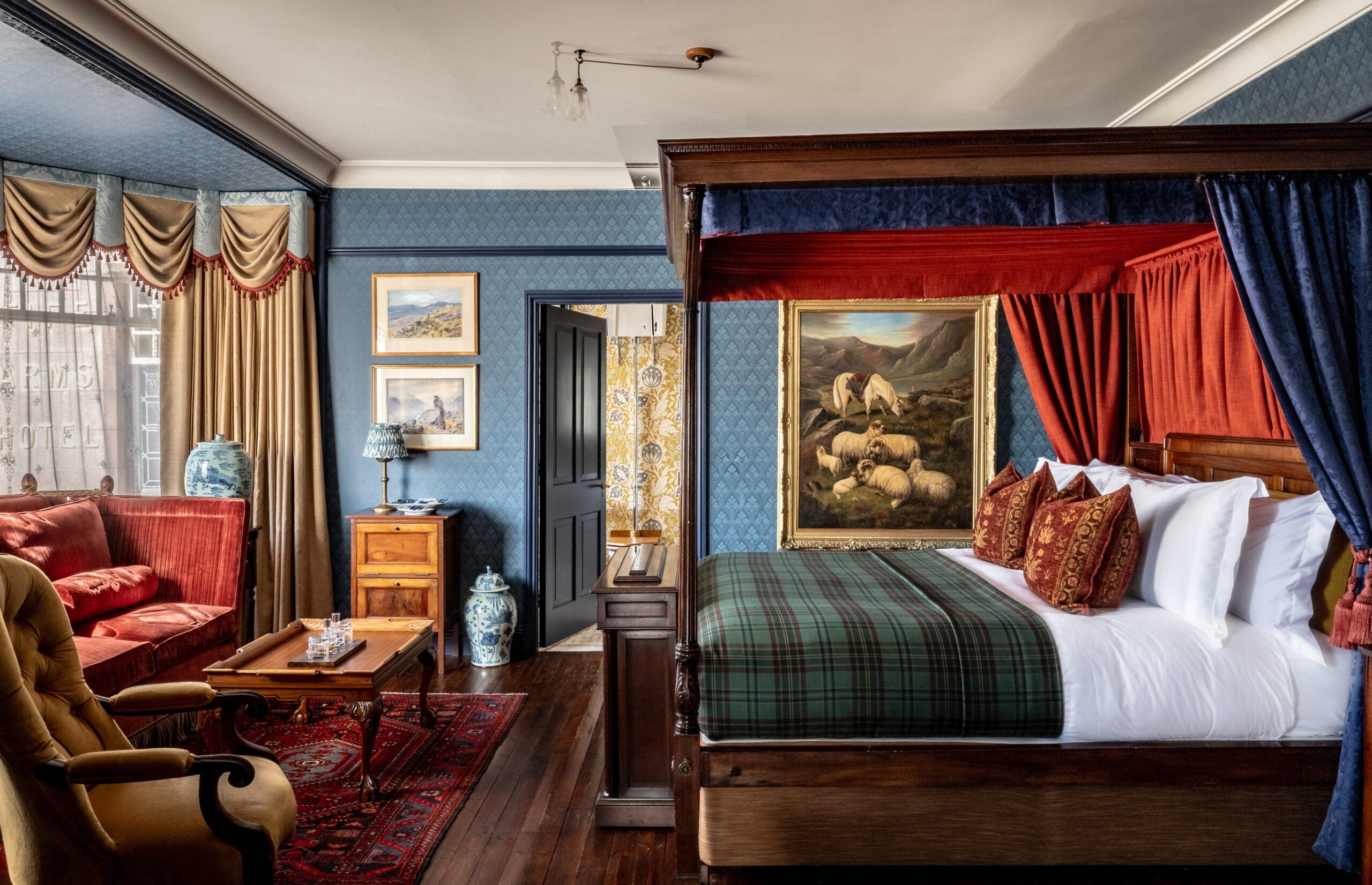
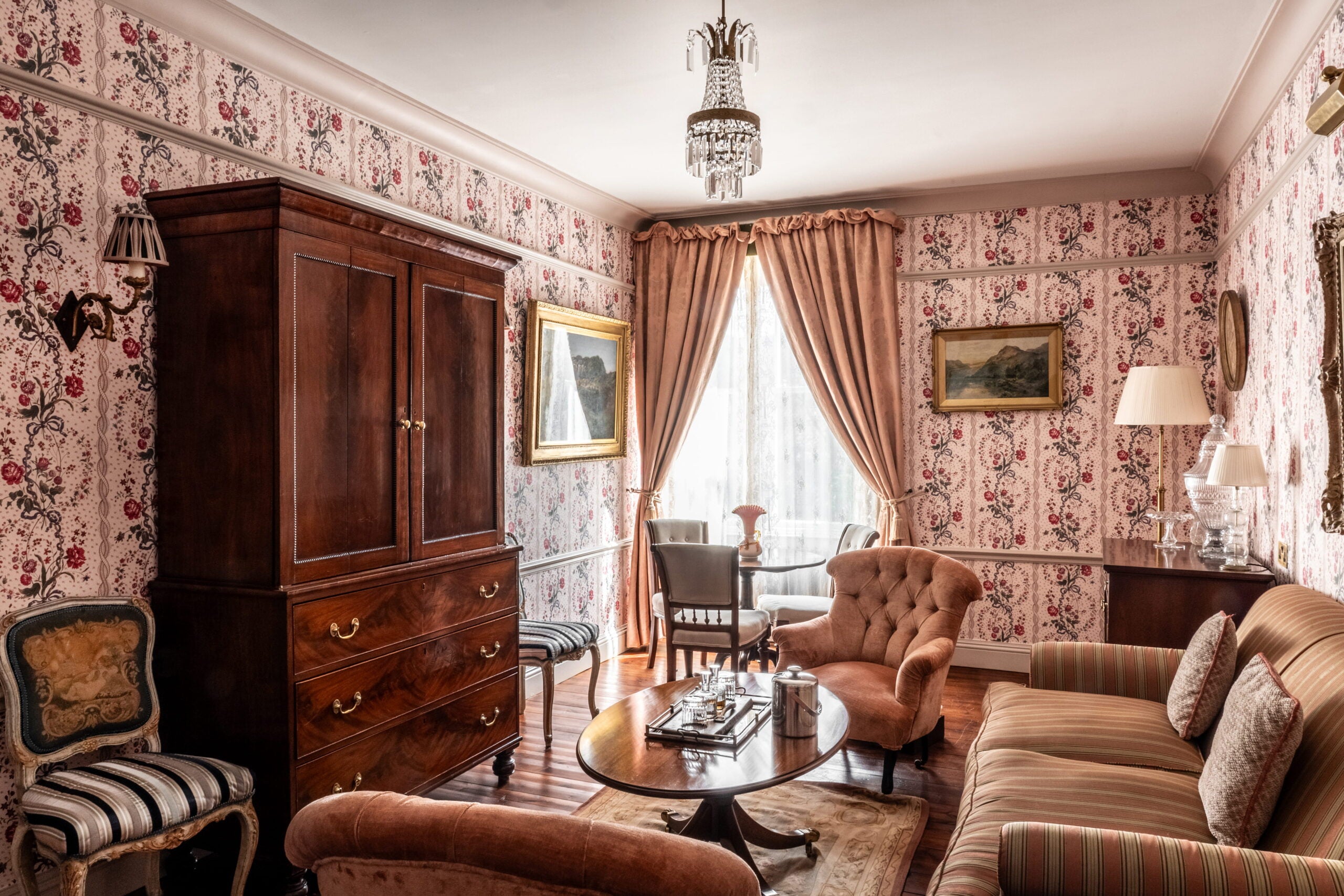
The Fife Arms has 47 rooms, none of which seem to have agreed on a design language with the others. Some draw on literary or cultural figures – rooms themed around Robert Louis Stevenson or Lord Byron, for instance – while others take cues from moments in Scottish history, from the Jacobite era to the Victorian fascination with the Highlands. What binds them is a reverence for tradition.
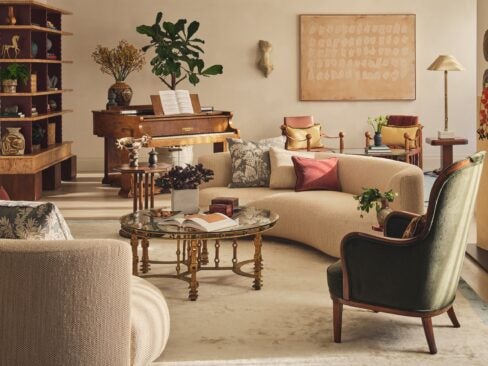
The interiors, overseen by Russell Sage Studio, pair richly patterned wallpapers, tartans, and antique furnishings. Some rooms feature tweed, others carved woods, horns or stag heads. There are also distinct categories – Croft Rooms, Culture Rooms, Nature, and Poetry Rooms, as well as more elaborate Royal or Victorian suites – each offering a different lens on Scotland. The 'Secret Room', launched in April, pays homage to Gabrielle ‘Coco’ Chanel's life and sensibilities, and in particular her affinity with the Scottish Highlands. It features all the usual room offerings, plus a walk-in wardrobe, bar, and freestanding copper bathtub.
The smaller details have also been considered. The bathrooms are stocked with the hotel’s own beauty brand, Albamhor, and the minibar leans decisively local, featuring Scottish chocolates, haggis-flavored crisps and the hotel’s own shortbread biscuits.
Dine
A short drive from The Fife Arms – about 25 minutes through winding Highland roads – brings you to Fish Shop, a place that manages to be both a Michelin Bib Gourmand-awarded restaurant and working fishmonger. It sits in Ballater, tucked away on a side road, and is probably somewhere locals prefer you didn’t discover.
Everything is sustainably sourced, with seafood (lobsters, hand-dived shellfish, sea bass) pulled from nearby waters, while meat is free-range and local. I’d advise you book the chef’s table – a restored fishing boat set slightly back from the main dining space and partially screened by a loosely draped fishing net.
Back at The Fife Arms, dining splits neatly into two moods. At one end, there’s The Clunie Dining Room – the hotel’s more polished offering – where the menu leans into Scottish produce: asparagus, wild garlic, and venison when it’s in season. The restaurant walls are hand-painted and feature a geometric design, with custom-made chandeliers hanging from the ceiling. I’m told Queen Camilla has dined here on occasion – most notably during a visit for the local Literary Gala – which, if nothing else, suggests you’re in reliably good company.
A few steps away, The Flying Stag takes a more relaxed approach. It has the feel of a Highland pub that just happens to be exceptionally well done. The menu follows suit: burgers, a comforting chicken and leek pie that was so good I ordered it twice, and fish and chips. It's a popular spot for locals – some of their portraits have even been hung on the wall.
For private dining, the Fire Room is a small, intimate space defined by dark, stained wood and a dramatic suspended chimney that anchors the room. Above the table hangs a commissioned light installation by Indian artist Subodh Gupta, assembled from everyday kitchenware – sieves, pots, pans – threaded with multicolored bulbs that soften the room’s heavier textures.
Drink
Elsa’s, an Art Deco cocktail bar, honors the iconic fashion designer Elsa Schiaparelli, a frequent visitor to Braemar in the ‘50s and ‘60s. The first thing you notice is the oversized disco ball suspended from the ceiling that scatters light across the space. Around it, blush-toned dried florals soften the edges, while photographs of Schiaparelli punctuate the walls. The cocktail list is just as playful. Each drink riffs on a moment or motif from her life, and I’m pointed towards the ‘Shocking Pink,’ a nod to the vivid shade she famously championed.
If Elsa’s is all mischief and martinis, then Bertie's Whisky Bar is unmistakably Scottish. Walls are lined with mirrored cabinets that stretch from floor to ceiling, each one glowing softly behind rows of amber whisky bottles, while a roaring fireplace adds a homely feel. There are more than 460 whiskies here, with the vast majority sourced from across Scotland – though a handful of bottles from places like Taiwan, Switzerland, and New Zealand have made the cut.
Locked inside a small cage, slightly set apart from the rest, sits the oldest whisky in the world: the Blair Castle whisky. It was one of a handful of bottles hidden away at Blair Castle at the start of the Second World War – lest it fall into the wrong hands – and it survived decades out of sight before eventually resurfacing here. A dram will set you back £9,000 (approx. $12,197). Tom Addy, the hotel’s whisky specialist, tells me with a certain confidence: “There are more people who’ve walked on the Moon than have drunk this.” And I believe him.
See
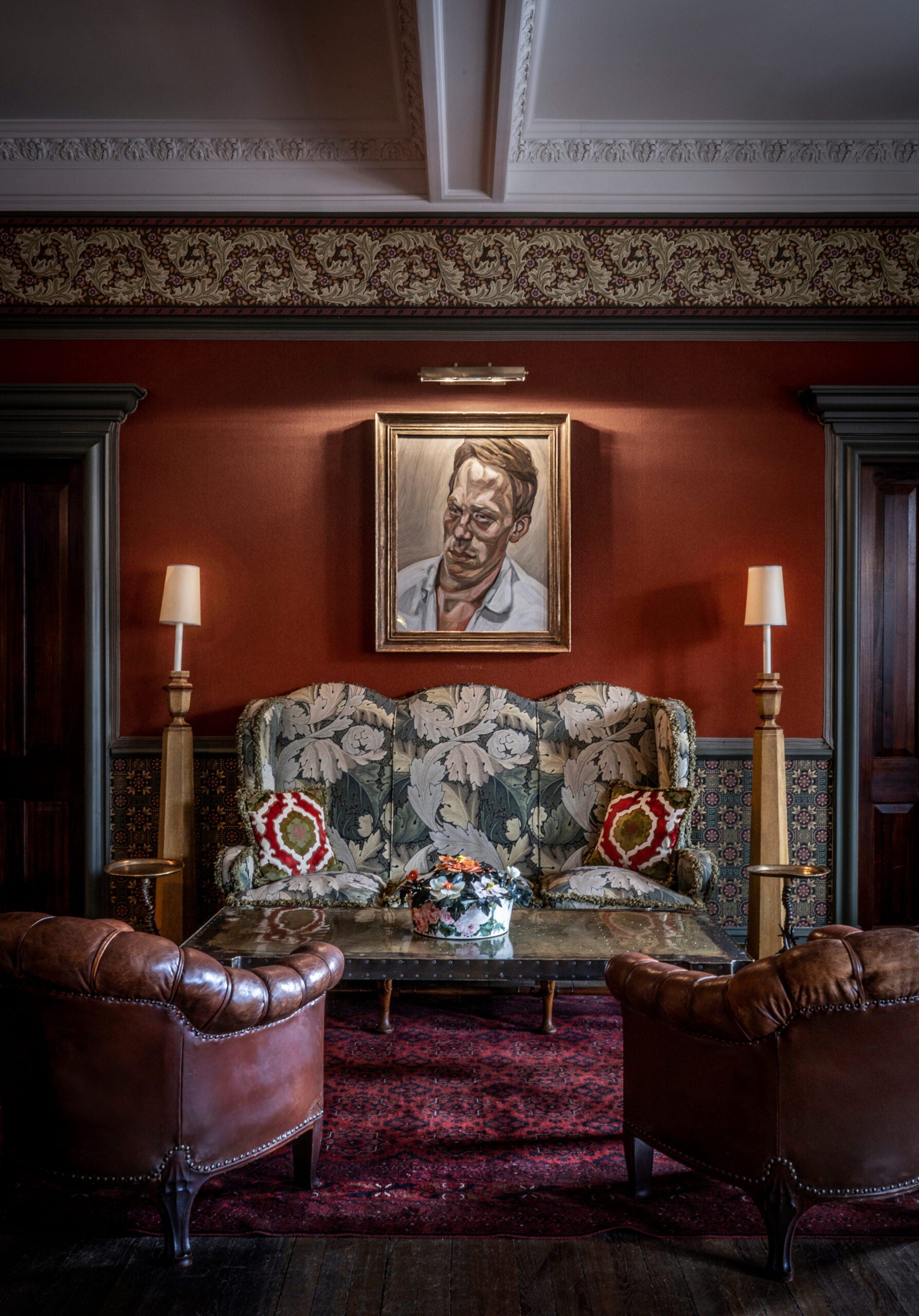
Art isn’t an afterthought at The Fife Arms. Its owners made their name in the art world long before they turned their attention to hospitality. The hotel houses more than 16,000 works, an impressive, slightly absurd number. Some pieces are on loan – names like Pablo Picasso and Lucian Freud appear casually above seating areas so guests can sit beneath them with a cup of tea – while others form part of the hotel’s permanent collection.
There’s a distinctly royal thread running through a lot of the artwork. Along one corridor hangs paintings by King Charles III, depicting scenes of Windsor Castle and Balmoral Castle, dating back to the early 1990s. In reception, just above the guestbook, there’s a more unusual piece: a drawing of a stag’s head sketched by Queen Victoria and later acquired at auction.
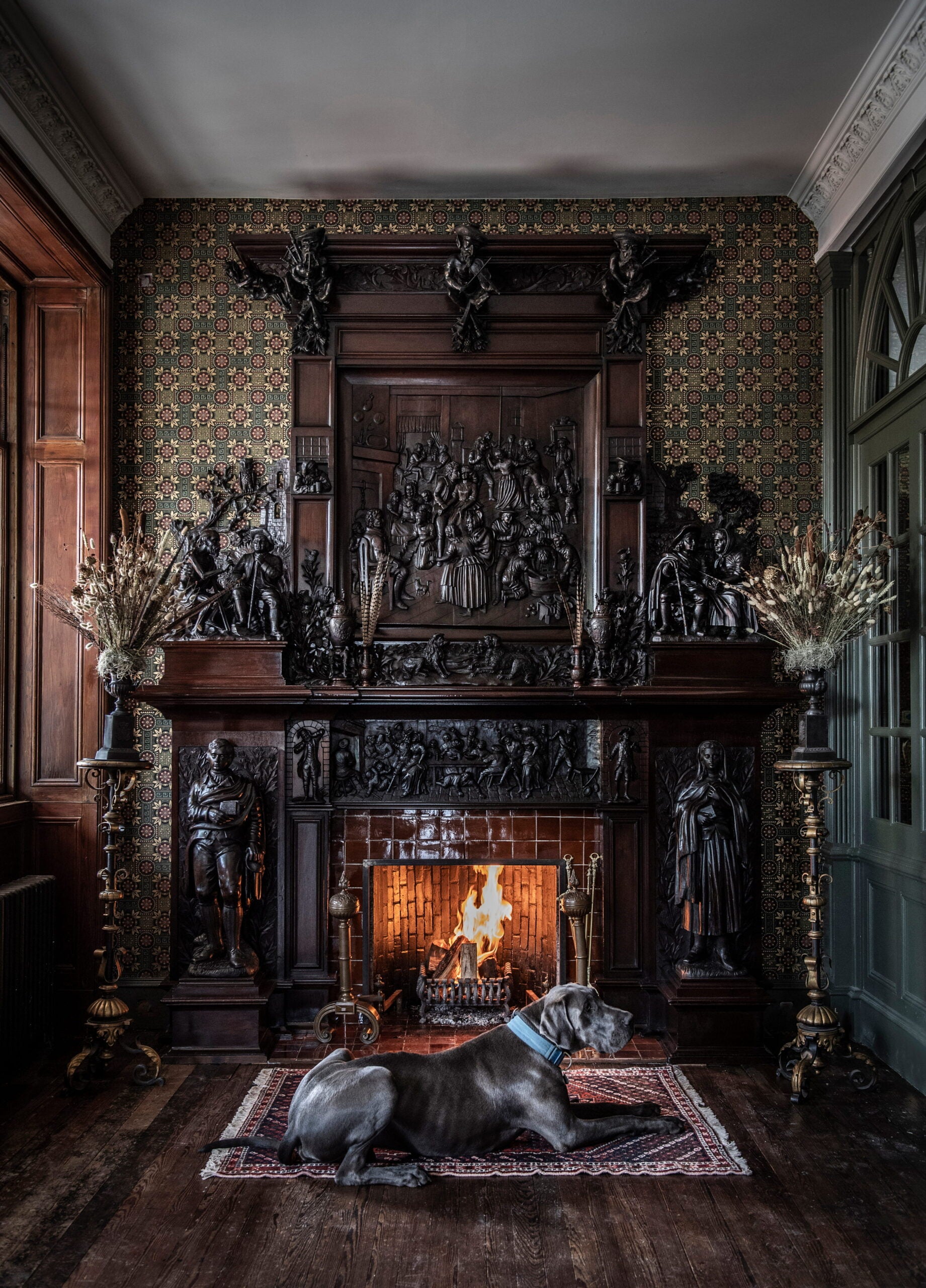
And then there’s the taxidermy. It’s everywhere – sometimes subtle, sometimes decidedly not – and very much part of the hotel’s character. During one of the daily art tours offered to guests, a staff member whispers to me that one especially dense arrangement has earned a rather ominous nickname: “the wall of death.” It’s an acquired taste, to put it mildly.
Explore
The appeal of The Fife Arms is that it doesn’t stop at the front door. Step outside and the Scottish Highlands do most of the heavy lifting. There's plenty to do, depending on the season and your tolerance for the elements. A fair number of visitors, particularly from the US, come for the traditional draw of hunting and fishing season. But locals will tell you to arrive later in the year: November through February, when the skies darken just enough to reveal the Northern Lights.
In winter, there’s skiing nearby at Glenshee Ski Centre, or, for those less inclined to descend anything at speed, a chairlift ride that ends in stargazing. Come summer, you might find yourself on a guided foraging walk, picking wild mushrooms and herbs before they’re turned into dinner by the hotel’s chef. It’s well-known in the local village that King Charles III still forages privately when he’s in the area.
Elsewhere, there’s falconry sessions, sporran-making (the small, ornamental pouch worn with a kilt), and workshops in tartan and tweed. The hotel even has its own registered tartan, officially recognized, and the gift shop stocks plenty of tartan dog collars, scarves, and more unusual pieces, in case you’d rather not make your own.
Just beyond the hotel sits the highest golf course in the UK, a nine-hole layout played across eighteen tees at Braemar Golf Club. Golf professionals (some former tour players) who work at the hotel can accompany guests who want to learn. Plenty of walking routes are available, too. And, almost obligatorily, the locals will make their appearance – Highland cows with the unbothered confidence of creatures who have never once considered that their main job is, in fact, to be photographed.
Water, meanwhile, is never far away. The surrounding rivers are popular for wild swimming (usually accompanied by Annie, the hotel's resident guide). The peat gives the water a whisky-brown tint, though reassuringly you can still see the bottom. The wild swimming routine is a simple one: into the cold, then straight to a sauna, then back again, until you can try to stop thinking of it as cold at all (spoiler alert: that doesn’t happen.)
For whisky fans, the region doesn’t disappoint. Within roughly an hour and a half’s drive lie around 30 distilleries, scattered through rolling moorland and heathered hills. The better-known names – Glenfiddich and Glenfarclas Distillery among them – sit alongside smaller producers. Closer still is Royal Lochnagar Distillery, just by Balmoral Castle, once granted a royal warrant by Queen Victoria and more recently renewed by King Charles III.