



While space travel was once reserved for trained professional astronauts and scientists, and regarded as one of humanity’s greatest collective achievements, the astronaut experience is increasingly becoming something that can be packaged, purchased, and consumed.
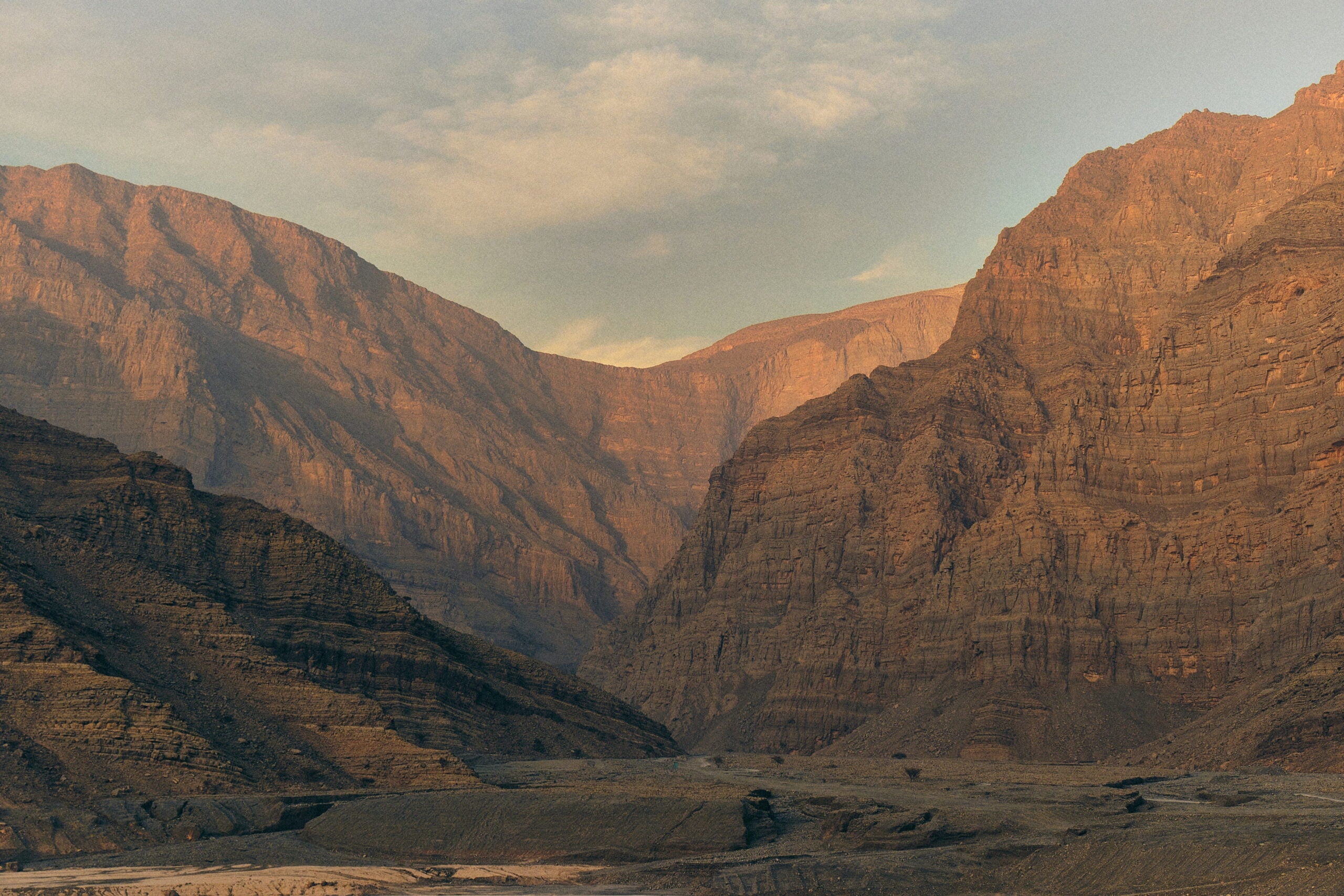
Ras Al Khaimah’s planned astronaut training experience reflects this shift. The result of a partnership between Blinc Space and Action Flight Aviation, the project intends to give an astronaut-inspired experience that combines high G-force and aerobic flights, designed to mimic the conditions outside Earth’s protective atmosphere. Astronaut preparation skills are also planned, such as freefall and parachute sky jumps, mental awareness and reaction tests, and zero-gravity environments. Training will take place in the remote Ras Al Khaimah landscape – a mix of sprawling desert terrain and harsh mountain peaks.
Prospective attendees should note the program has no actual bearings on the science of real-life space travel or the years of rigorous scientific, engineering, and operational training undertaken by professional astronauts, and is entirely simulatory. Instead, it translates elements of the astronaut experience into an immersive training-style activity. Participants will not be preparing for space missions, contributing to aerospace research, or gaining qualifications recognised by space agencies.
Instead, the experience is best understood as an adventure tourism product that borrows the aesthetics and terminology of astronaut training to create an immersive, aspirational experience. According to Blinc Space’s website, ‘These programs serve as entry points into the private space ecosystem, feeding education, training, and innovation pipelines.’
See also: Everything You Need To Know About the First Hotel on the Moon
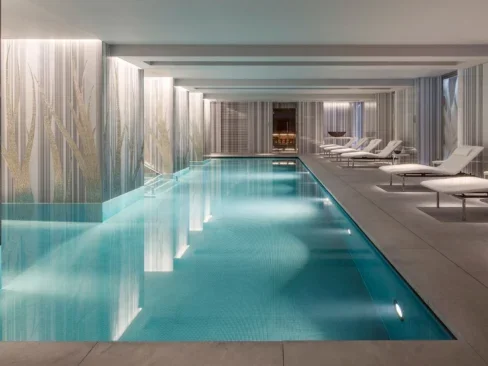
As the advent of civilian space travel potentially draws nearer, commercial astro training is set to be in growing demand. In the UK, Blue Abyss has released plans to create an 164-ft pool, intended for human testing in extreme conditions. Spaceflight training company Orbite has secured millions in funding for its astronaut-style experiences, with a first campus slated for 2027. Again, neither of these companies are planning to ever get people up to space – if they do launch, their role is purely related to preparation.
Related Story

And amid all these proposed preparation facilities, while NASA’s recent Artemis II mission proved space travel still has the power to unite the world in awe, private programs hoping to get civilians into space are proving tricky to get off the ground. Virgin Galactic, which fetches up to $1m per seat for its 90-minute sub-orbital expeditions, paused its trips from 2024 to focus on testing (although there are whispers of journeys being resumed in the near future.)
Jeff Bezos’ Blue Origin, on the other hand, has halted both flights and testing following the explosion of a rocket in Florida. On social media, the company called the accident (in which no one was harmed or injured) an ‘anomaly.’ For the time being, parachuting from a place in the middle of the desert might be the best way to get a taste of astronaut life.