


It’s no longer a secret that England is producing some impressive sparkling wines.
And its potential for producing great still wines, too, is now being realized. One high-profile investor from overseas has been California’s Jackson Family Wines (JFW), maker of Kendall-Jackson and owner of more than 40 wineries round the world, which began quietly planting vines in Essex in the east of England, in 2024.
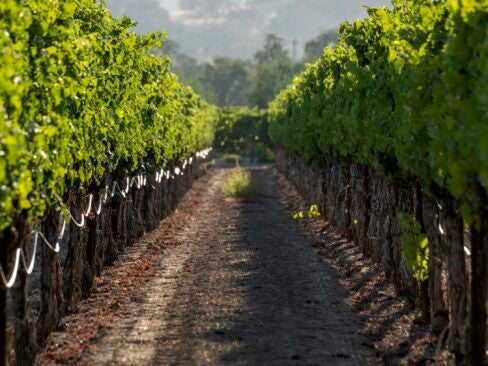
The area they homed in on was the Crouch Valley, an expansive landscape of marshland and arable fields, that’s now establishing itself as the epicentre of the English still wine scene.
Blessed with one of the warmest and driest micro-climates in the country, and fertile clay soils, the Crouch, as it’s known, is particularly suited to ripening Burgundy’s hallmark grapes chardonnay and pinot noir. My Financial Times colleague, Jancis Robinson, has dubbed it the ‘English Côte d’Or’, and fruit grown here is now some of the most expensive in the country.
See also: Interesting Wines To Order At Dinner, According To Sommeliers
JFW’s own Crouch Valley project, Marbury, unveiled its first still pinot noir this week (the fruit comes from neighboring vineyards as its own vines are not yet fully-established).
Marbury Crouch Valley Pinot Noir 2024 (£45, (approx. $61) is a light garnet wine very much in the fresh, cool-climate style. It has a gorgeous perfume – mulberry, violet, cherry grounded by a little wet earth. The tannin is velvety but there’s still lots of tension, reflecting what was a rather cool and wet year.
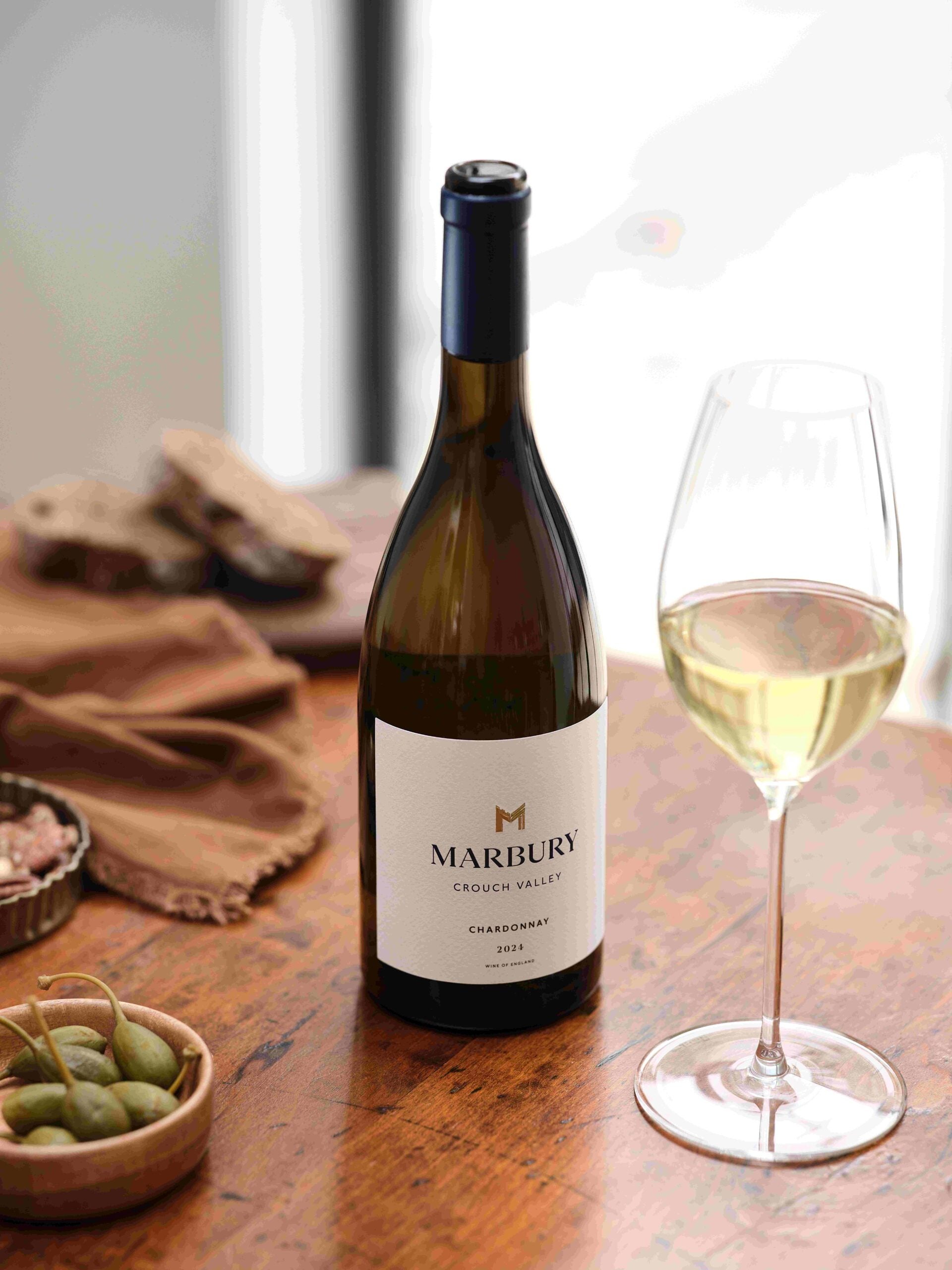
Also coming soon is 2024 Marbury Crouch Hill Chardonnay, which marries fine white almond and lemon notes, with subtle, biscuity oak and an appetizing, saline finish. The riper, more stone-fruity 2023 (2023 was a much kinder year) is already on the market (£40, (approx. $54).

“The next big frontier for English wine is still wine, and chardonnay and pinot in particular,” says Marbury’s winemaker Charlie Holland. “That fresh, vibrant style that England specializes in is what people are wanting to drink right now. The opportunity we have is huge.”
Holland was previously head winemaker at Gusbourne in Kent, just to the south, which produces outstanding sparkling wine, and which was also one of the first to prove that really classy still English wines were possible. Doing good still wines every year, though, was difficult, says Holland – the combination of terrain and climate was just too marginal. And then, about 10 years ago, he started noticing the quality and consistency coming out of the Crouch Valley, even in tougher vintages.
See also: Do You Need an AI Wine Cellar?
“The Crouch gives you about two weeks extra of hang time [for ripening] and that’s quite unique,” he says. “And the clay has magical properties: it holds onto water when you need it at the beginning of the season and then coming into the back end of season [it hardens] and creates an impermeable layer. The water isn’t taken up by the roots so you don’t get the grapes splitting and getting diseased.”
The Marbury style is all about “freshness and vibrancy,” says Holland. “We don’t want to make hugely oaky, extracted, big styles of wine. Partly because I don’t think it suits the grapes we’ve got but also because it would be kind of missing the point. Think of the fruit we grow here in England: raspberries and strawberries, which have all that great acidity. That’s what we do really well in this country: really perfumed, pretty, aromatically interesting wines.”
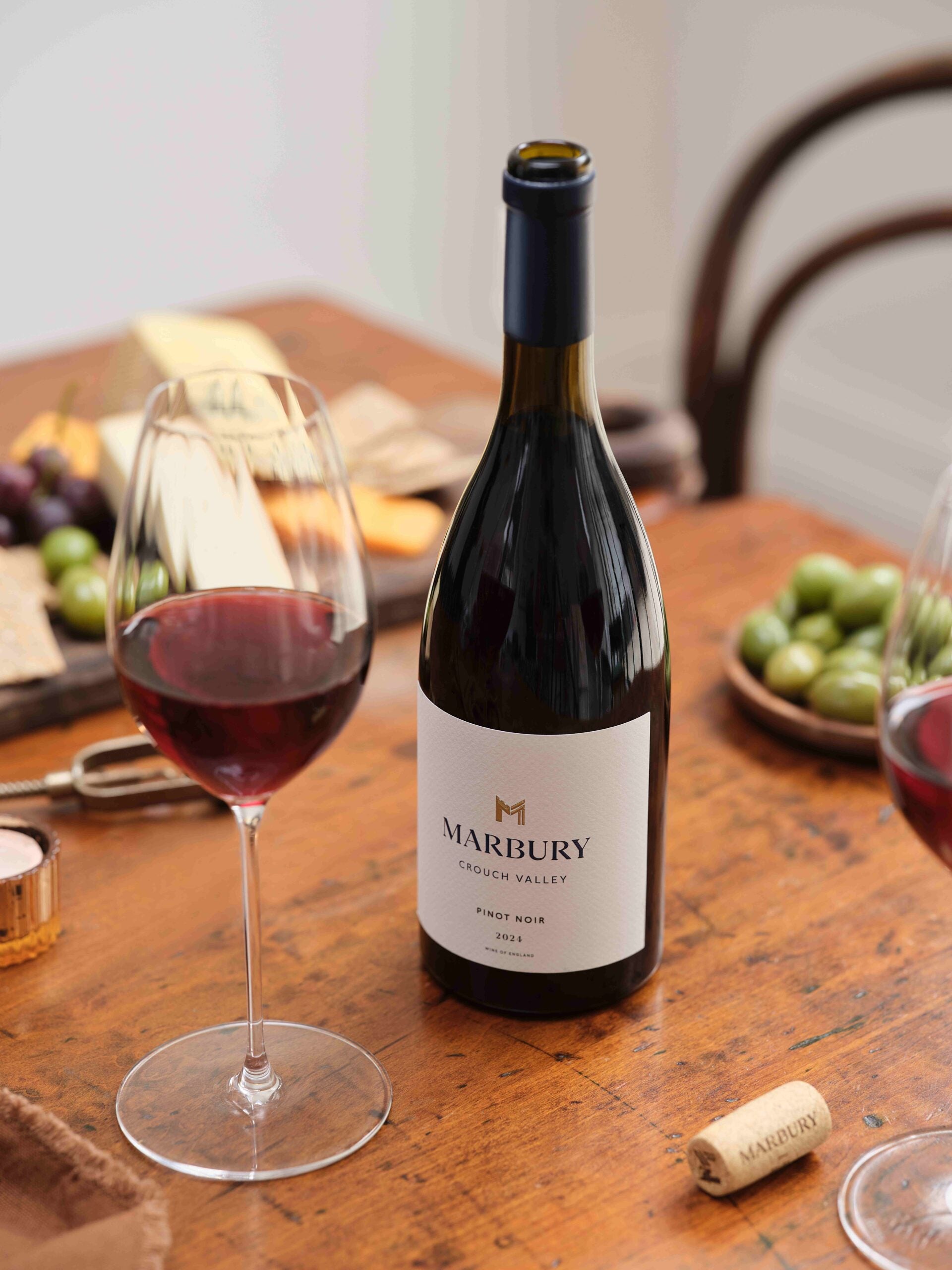
To amplify this, Holland recommends drinking Marbury pinot noir on the cool side. “Or you lose the prettiness – if it’s slightly chilled you get a bit more texture and viscosity and it’s a lot fresher. Put it in an ice bucket and then take it out 10 minutes before you serve it.”
Next year, JFW will launch a separate sparkling wine brand, made from grapes grown in different terroirs around the east and south-east of England. “Marbury is very much about typicity of the local area, whereas our sparkling will be more in the Champagne model, which involves picking all the best bits from different areas and creating a blend,” says Holland.
Some of the fruit will come from chalky South Downs in West Sussex, where JFW has now also planted vines. “We’ll also have some fruit from the Weald on clay, stuff on the North Downs which is warmer chalk – cool chalk gives you vibrant backbone structure, while warm chalk gives you something a bit more ripe and rounded and fruity, like ripe lemon,” says Holland. “There will also be a bit of fruit from the Crouch Valley, for extra body and weight and texture. And vines grown on green sand which contributes really well to the blend in terms of that core of fruit you get from it. It’s about layering it all up.”
See also: Why Runners Are Falling in Love with Wine, Beer, and Whisky Regions
The brand will debut with a multi-vintage classic cuvée, in both blanc and rosé. “There will also be a vintage blanc de blancs and a blanc de noirs. Way down the line we also have prestige cuvée planned but we’re still a million miles away from that.”
JFW doesn’t currently have its own winery in England – all the wines are made at Defined Wines, a contract winery in neighboring Suffolk. And any discussion of a physical home for their wines are “at least three or four years off,” says Holland. “For now, we’re taking it slow.”
Other Essex wineries to know
What started as a retirement project for a local investment banker, has become one of England’s top producers of still wine. The pinot noir is particularly lovely, with a concentration and elegance that’s still quite rare in English reds. A collaboration with Domaine Duroché of Gevrey-Chambertin will be released in 2028.

This rock-and-roll urban winery is based in south London, but they use a lot of Essex fruit. The style is low-intervention and characterful, with lots of short-run cuvées that range in style from skin contact and trad method sparkling to more classic rosés. The labels, which pay homage to London’s heritage, are very cool, too.