



At its best, open-fire cooking is remarkably simple. A piece of fish, a good cut of meat, or a handful of vegetables can be transformed by little more than hot coals. In practice, though, it’s often much more difficult than it seems, and at-home attempts can lead to results you’d rather not share with friends.
At its best, open-fire cooking is remarkably simple. A piece of fish, a good cut of meat, or a handful of vegetables can be transformed by little more than hot coals. In practice, though, it’s often much more difficult than it seems, and at-home attempts can lead to results you’d rather not share with friends.
So what separates restaurant-quality grilling from the average backyard barbecue? We asked some of the world’s leading open-fire chefs to share the techniques, ingredients, and small habits that make all the difference.
See more: Chef-Approved BBQ Equipment for Better Home Grilling
Expert chefs’ top tips for BBQing at home
If there’s one piece of advice every chef agrees on, it is to approach grilling with a relaxed attitude. “My biggest tip is to slow down,” says Australian chef Dave Pynt, the chef-owner of the Burnt Ends Hospitality Group, which oversees Burnt Ends and Meatsmith in Singapore.
“Light the fire, pour yourself a glass of wine or crack a beer, have a chat with your mates, and let the wood burn down into a nice bed of hot coals. That’s where the magic happens.”
Yiannis Mavrommatis, head chef at London open-fire restaurant Pyro, agrees, “Let your fire settle and build a good bed of hot coals before you start cooking,” he says.
Ollie Templeton, co-founder and chef patron at Carousel and Cometa, also stresses patience. “A common mistake is cooking too early, before the coals have fully ashed over to white, which leads to uneven heat and inconsistent results.”
“You’ll get far more control, better flavor, and a much more even cook,” adds Mavrommatis.
Once your fire is ready, the next step is learning how to control it. “One of the most important things when cooking over fire is learning how to manage heat,” says Kostas Papathanasiou, culinary director at Michelin-starred London restaurant Lita. Chef Pynt sums it up simply: “You’re managing the fire, not fighting it.”
The chefs advise creating separate heat zones, which gives more flexibility and helps avoid overcooking. For Papathanasiou, he recommends a “hot zone for searing, a medium zone for controlled cooking, and a cooler area where ingredients can rest or finish more gently.”
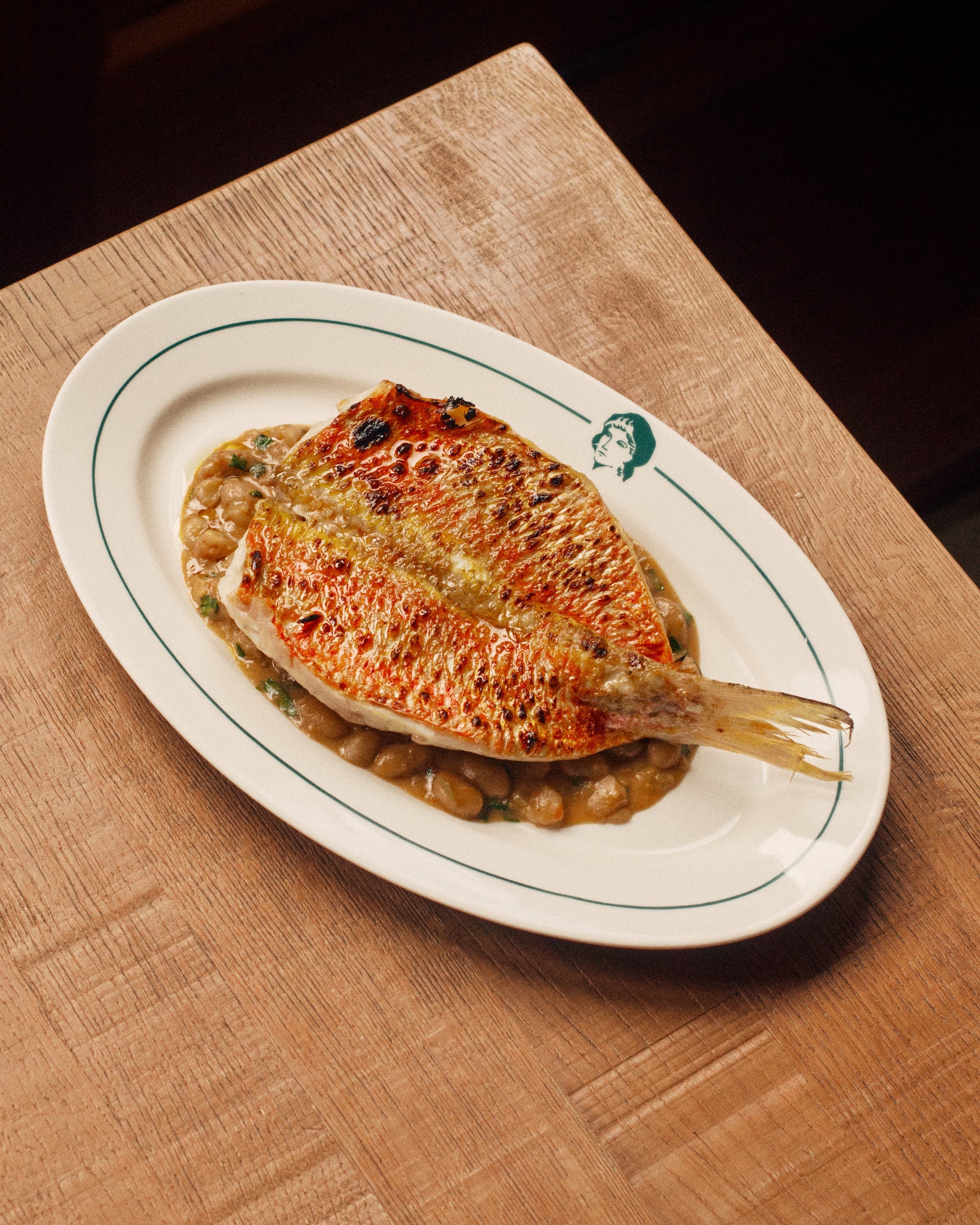
“Fire is constantly evolving and intense, so having flexibility is key,” he adds.
Ramiro Lafuente Martinez, executive chef at fellow London restaurant The Connaught Grill, recommends a similar approach, using one hot side of the barbecue for searing and a cooler side for slower cooking. “This gives you much more control, especially when cooking chicken, sausages, and thicker cuts.”
Papathanasiou also keeps “a small reserve of fresh embers nearby that can be moved around as needed,” adding: “Cooking over fire is not about controlling the flame; it’s about understanding it and working with it.”
Chef Eleanor Henson, culinary director at London’s Spring and Heckfield Place’s Hearth, also stresses the importance of the embers. “It is the embers that offer the gentlest, most even heat, allowing vegetables to sweeten, fish to remain delicate and meat to cook without haste,” she says.
The chefs also agree that great grilling starts long before food reaches the barbecue. “Start with great ingredients, season them well, and let the fire do its thing,”says Pynt.
A few simple habits can also make a noticeable difference to the finished result. “If I’m cooking meat, I always take it out of the fridge well in advance, maybe two hours or so, so it can come to room temperature before cooking. This helps it cook more evenly and develop a better crust,” says Petros Dimas, chef of Michelin-starred Makris in Athens.
Martinez, meanwhile, recommends patting meat and vegetables dry before they go on the grill, so they caramelize rather than steam.
The fuel you cook over is just as important as the food itself. While some chefs have favourite woods or charcoals, they all agree that quality matters. “I prefer charcoal made from olive wood, which burns beautifully and gives a clean, steady heat,” says Dimas.
“One trick I often use is adding aromatic herbs or spices directly onto the embers, and that makes an aromatic smoke,” adds Dimas. “Ingredients such as rosemary, thyme, or bay leaves create fragrant smoke that perfumes the meat without overpowering its natural flavor.”
But overall, patience seems to be key. “Cooking over a wood fire has a bit of magic about it, and if you respect the fire and take your time, it’ll reward you every time,” adds Pynt.
The best ingredients to grill at home
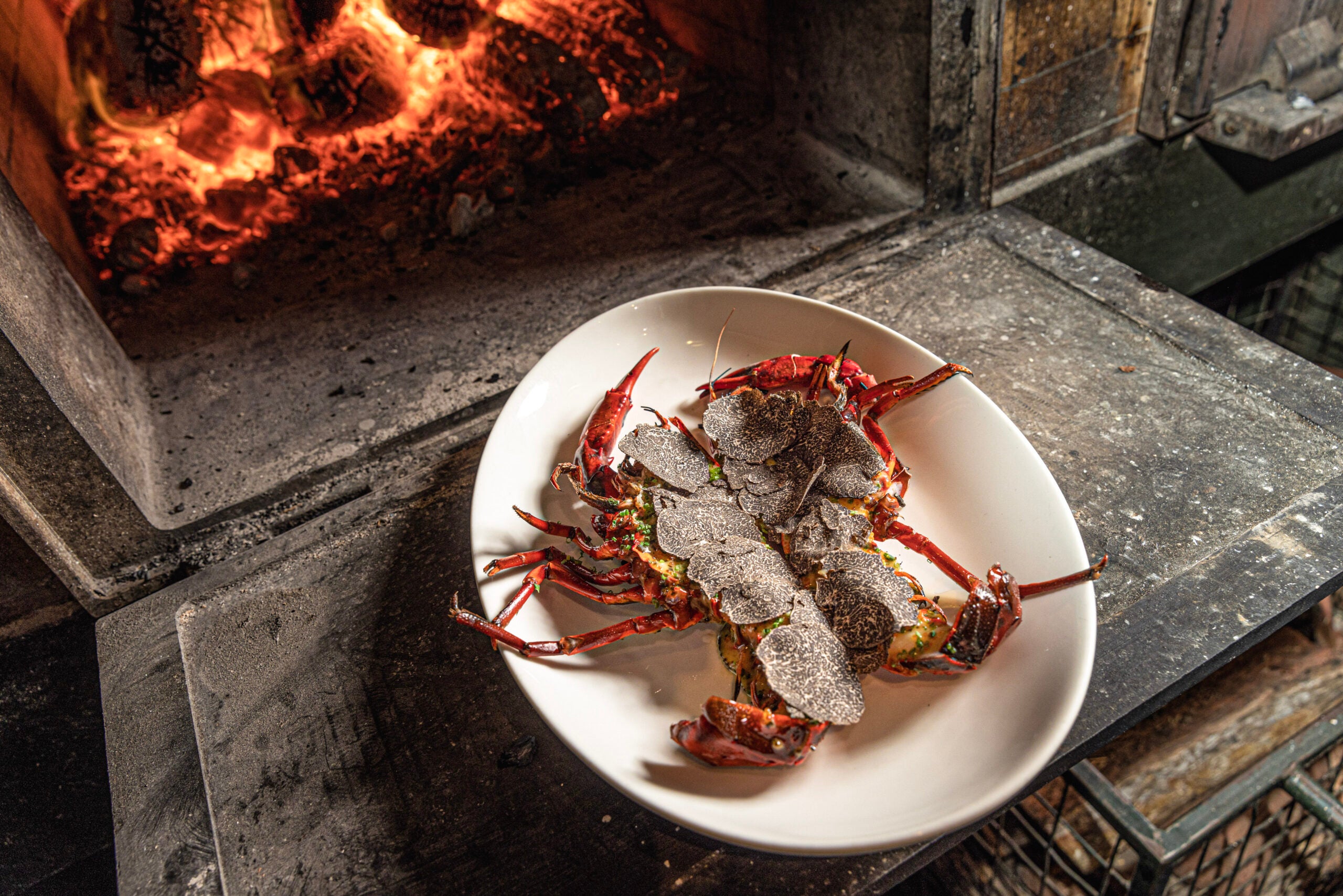
For many chefs, seafood is the ultimate ingredient to cook over fire. “Whole fish and seafood are always my first choice,” says Kostas Papathanasiou. “Fire brings out the natural sweetness and character of seafood in a way that feels both simple and sophisticated.”
When entertaining, several chefs recommend putting a whole fish in the center of the table. It’s an impressive dish that’s surprisingly simple to cook and naturally encourages sharing.
“A whole turbot cooked on the bone is probably my favourite thing to cook when entertaining,” says Mavrommatis. “It’s an incredible fish that really benefits from cooking over fire, picking up a subtle smokiness while staying beautifully moist.”
Dave Pynt also reaches for whole fish when friends come over. His go-to is a three-to four-kilo line-caught turbot, grilled directly over the coals. “I love that it’s a dish that’s meant to be shared. Everyone gathers around the table, picking through the bones with a big glass of wine, talking, laughing, and figuring out what you’re all doing next.”
The chefs are equally aligned on how to finish a whole fish: don’t overcomplicate it. Mavrommatis serves turbot with nothing more than olive oil, lemon, and fresh herbs, while Pynt dresses his with a simple pil pil made from the fish’s own juices, hot oil, and lemon, finished with za’atar and a pickled carrot and celery salad.
For more everyday grilling, Templeton recommends aged sea bream or mackerel cooked directly over the coals. He also suggests keeping guajillo and morita chillies on hand to make infused oils that can be spooned over the finished fish.
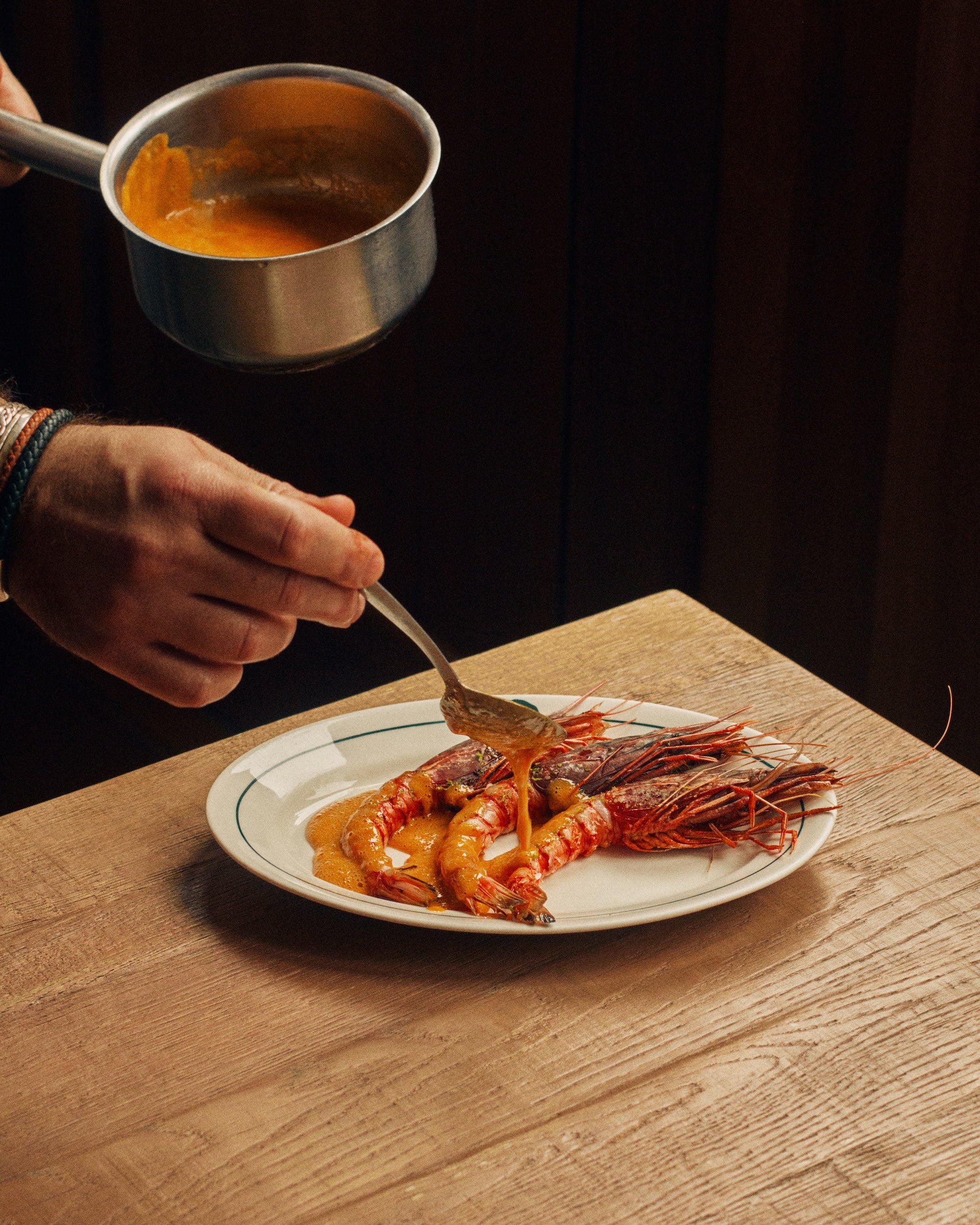
Martinez prefers oily fish for the barbecue. “Sardines and mackerel work really well on the grill,” he says, finishing them with a salsa verde made from parsley, garlic, and sherry vinegar.
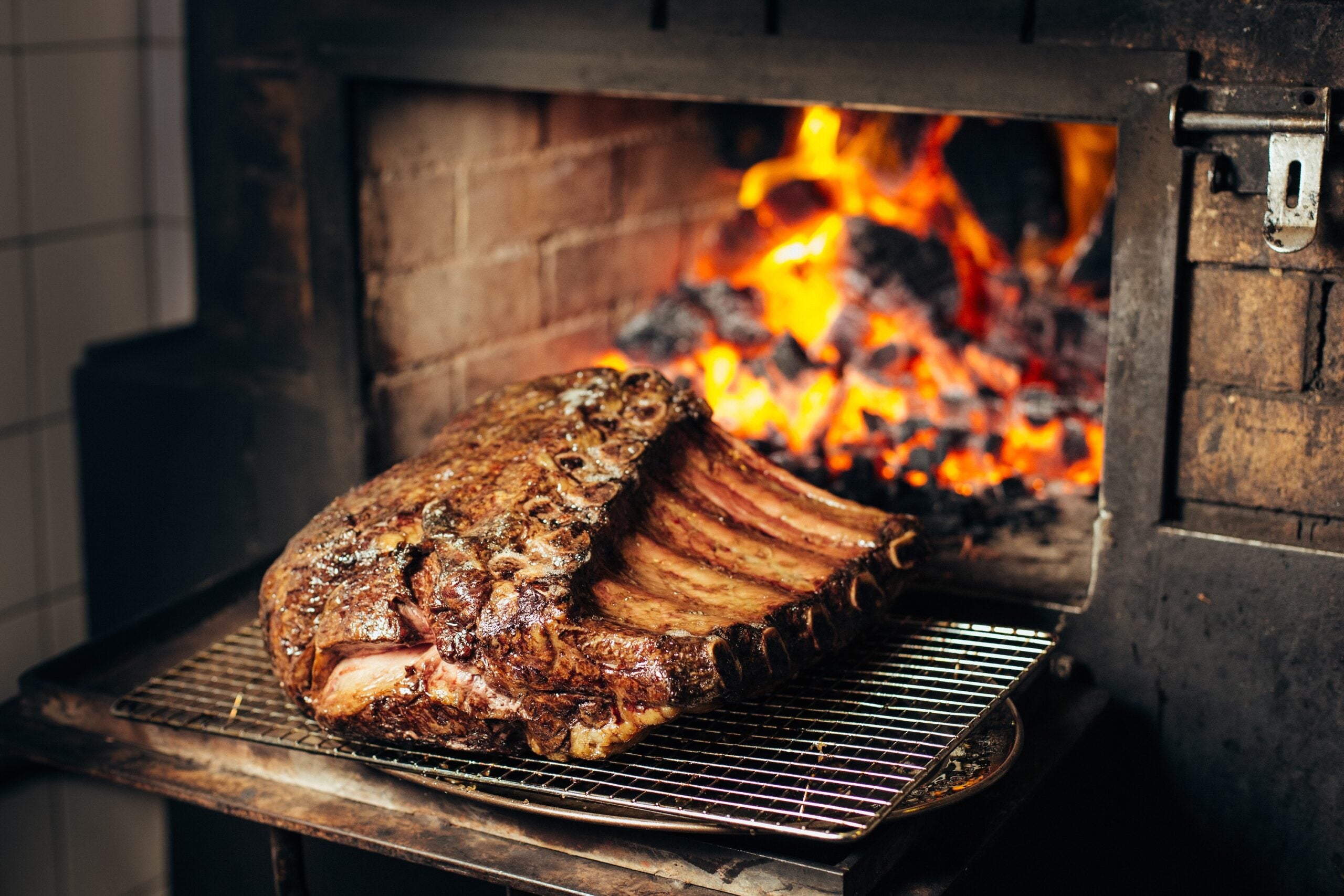
When it comes to meat, the chefs agree that quality matters most. “I always return to exceptional-quality meat and simple seasoning,” says Dimas. “When the product is truly outstanding, it needs very little intervention.”
For entertaining, he reaches for premium beef cuts such as picanha or cuts from the chuck and round, seasoned simply with olive oil, salt, and freshly cracked black pepper. “For me, the flavor should come from the quality of the meat, the fire, and the cooking technique rather than from complicated marinades or excessive seasoning.”
For more forgiving options, Martinez recommends chicken thighs, which stay juicier than chicken breast and are harder to overcook. He also rates Iberico pork secreto and pluma, whose higher fat content keeps the meat tender and full of flavour over the coals.

Vegetables also deserve space on the grill. In fact, this is where Henson begins. “There’s something generous about placing a large platter of beautifully charred vegetables in the center of the table before anything else arrives,” she says. As for the vegetables of choice, Templeton recommends grilling snap peas or courgettes before finishing them with lemon, olive oil, and a spicy tomato salsa, while Henson too leans on good olive oil, lemon, and fresh herbs for seasoning whole leeks, chicory, squash wedges, or young onions, which “become wonderfully sweet over embers.”
And for dessert? Henson advises making it simple: “halved peaches or late-season figs caramelised over the fire, served with thick crème fraîche.”