
When Matthieu Blazy made his Cruise collection debut for Chanel in Biarritz last month, it felt like a homecoming for the house in more ways than one: a return to the seaside town where Coco ‘Gabrielle’ Chanel opened her first atelier; a return to the extravagance and excitement of the resort show; but crucially, a return to the house’s (and one of fashion’s) most enduring silhouette – the ‘little black dress’. The LBD is something Chanel knows well, given that it was its founder who is credited with creating the look 100 years ago.
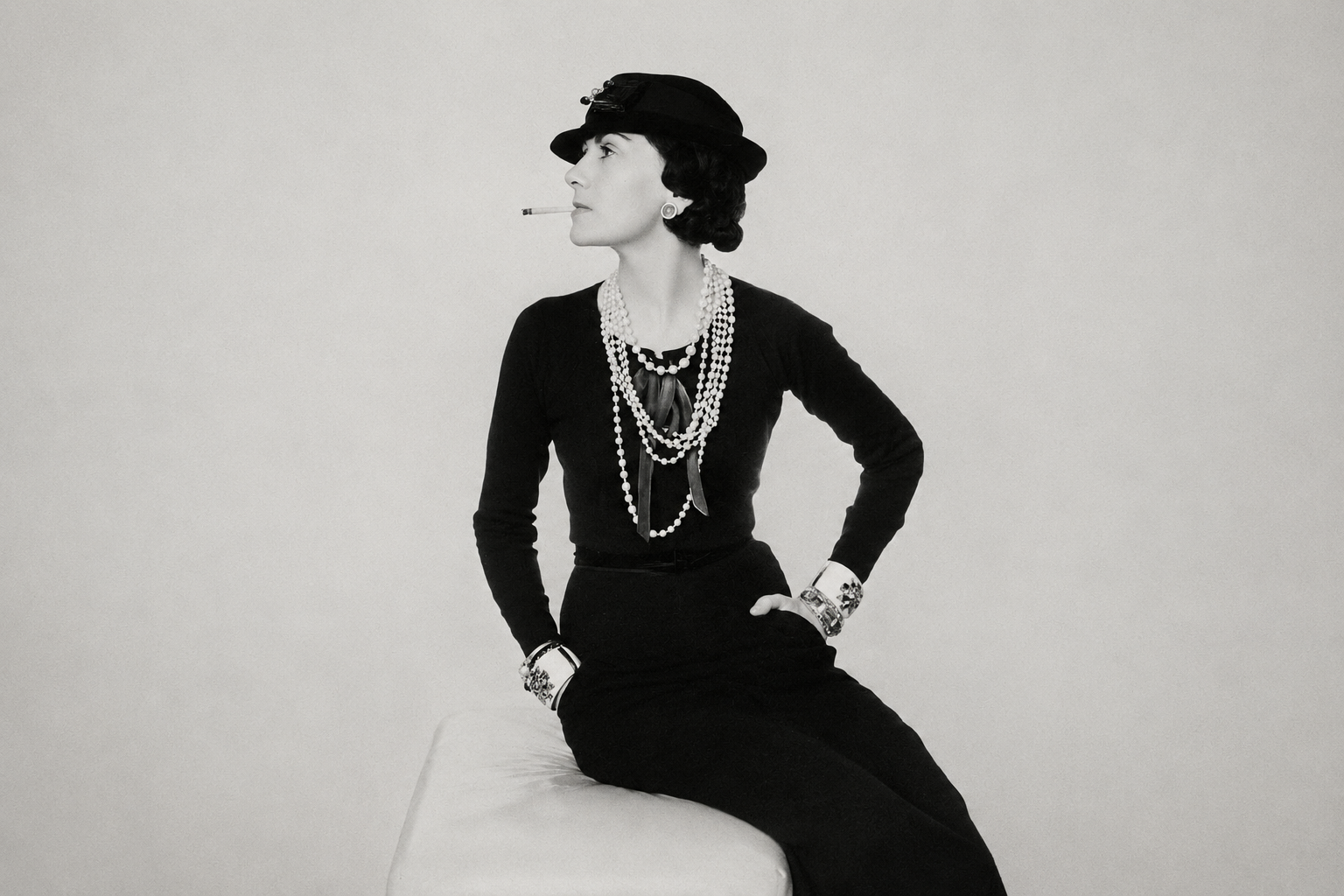
In 1926, Coco Chanel published a short, simple black dress in American Vogue. Calf-length, straight-cut, and decorated only with a few diagonal lines, Vogue dubbed it ‘Chanel’s Ford’. The implication was clear: the LBD would be democratic, practical, and accessible to women across social classes – ‘a sort of uniform for all women of taste,’ as the magazine put it. Few fashion predictions have proved quite so prophetic.

See also: The Fife Arms Launches New Chanel Suite: Review
Black clothing, of course, long predates Chanel. From ancient Egypt to parts of Asia, black has historically symbolized both life and death; meanwhile, in the Western imagination, Christianity’s influence cemented the color’s moral binary: black associated with evil and sin, white with purity and virtue.
But, as Georgina Ripley writes in Little Black Dress: A Radical Fashion, it was Queen Victoria who popularized black’s association with mourning after the death of Prince Albert. At the same time, advances in synthetic dyes made black clothing cheaper to produce on a mass scale.
‘Yet as black became more prominent, there was an important distinction to be made between the rich black of the ruling classes and the ‘respectable’ black worn by the lower classes,’ she writes.
‘As artistic depictions of wealthy Belle Époque women showed them in fashionable black reception dresses and luxurious evening gowns, the urban working woman was adopting her own simple black dress, in coarse matte fabrics – a style soon to be appropriated by Chanel.’
By the 1920s, women were gaining greater independence and suffrage, leading to the rise of the flapper style dress, marked by shorter hemlines and an androgynous silhouette in a rebellion to traditional ideas of femininity. Simultaneously, as Europe collectively grieved the devastation of the First World War, black took on an increasingly paradoxical identity: practical and utilitarian, respectful yet quietly rebellious.
See also: Chanel's New Direction – What's Different and Will It Work?
Chanel's LBD: then and now
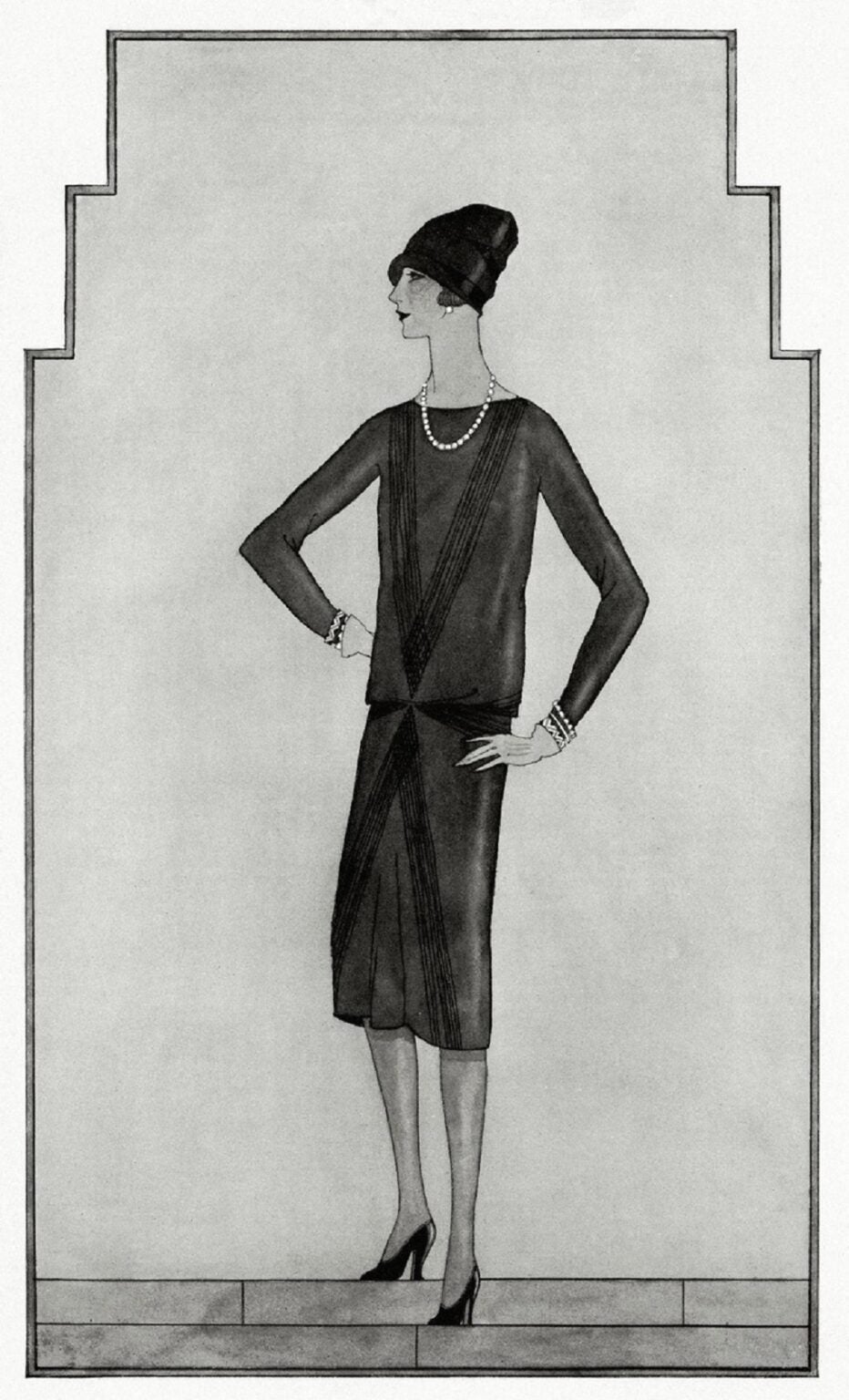
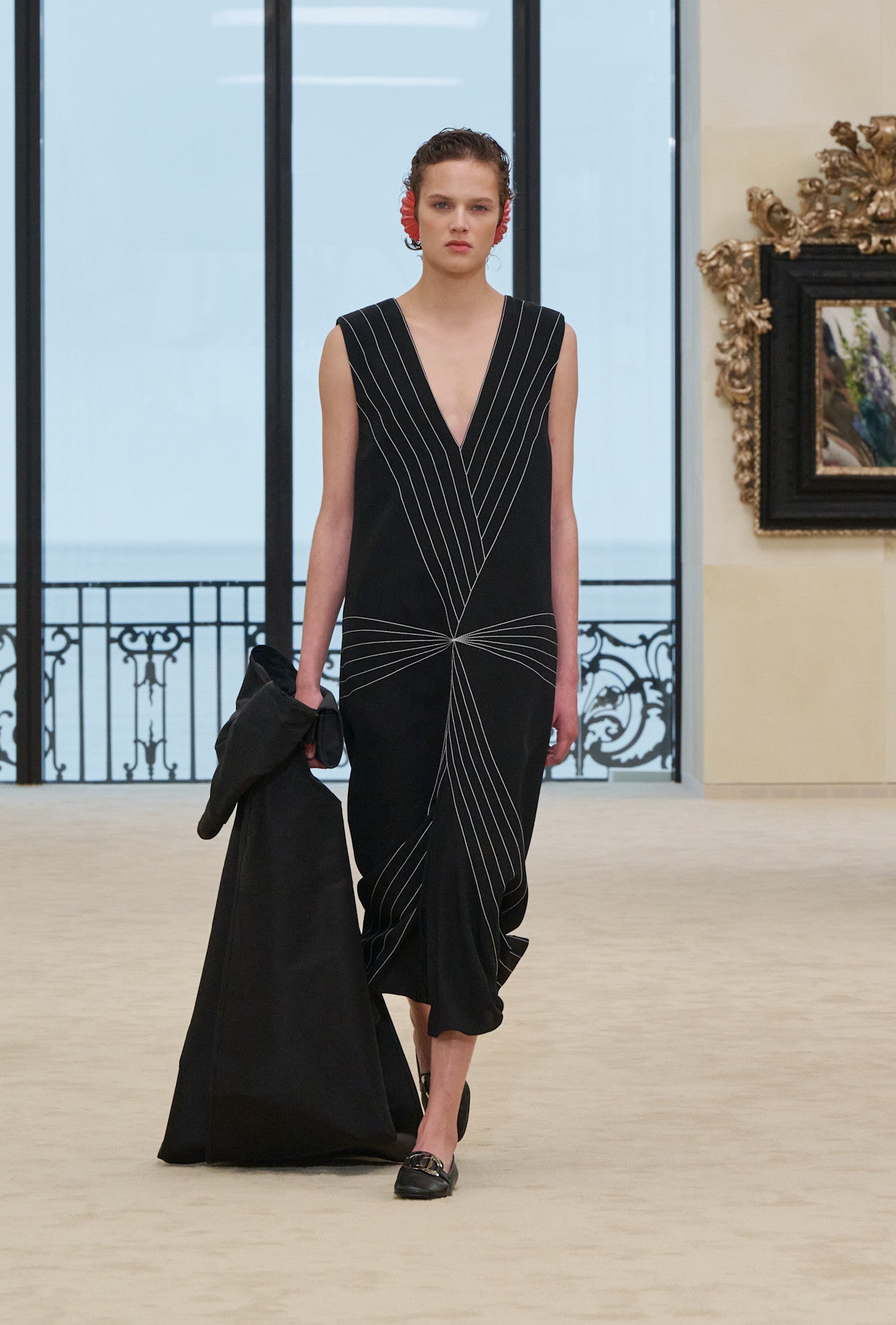
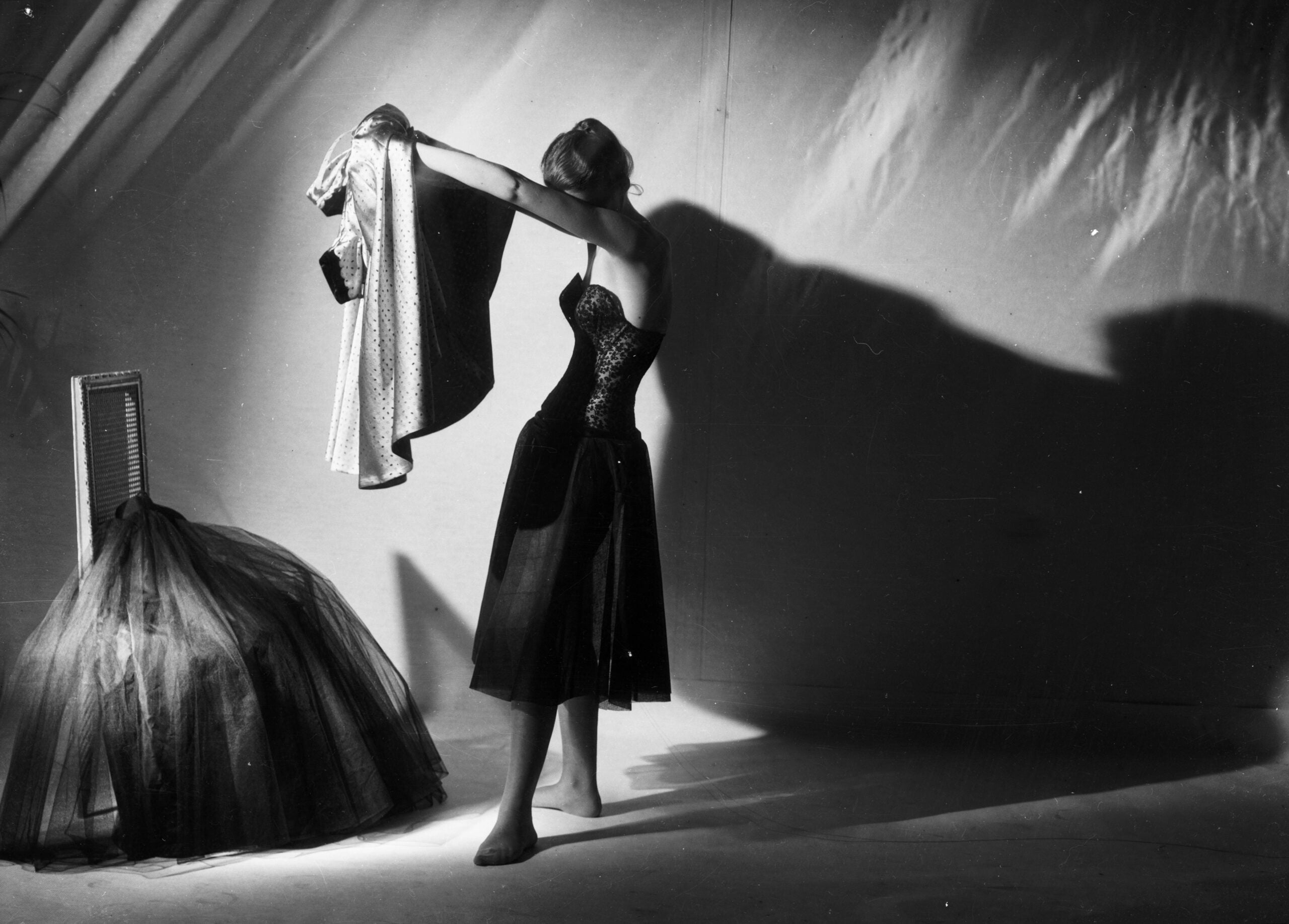
Chanel understood that tension perfectly, distilling modern womanhood into a single garment – uncomplicated, liberating, and subtly radical. By 1954, Christian Dior’s The Little Dictionary of Fashion declared it appropriate to wear black at any time, any age, and for almost any occasion. The LBD had stopped belonging to any single idea of femininity, and over the decades since, has continually shape-shifted alongside culture itself.
From Audrey Hepburn’s refined Givenchy sheath in Breakfast at Tiffany’s to Princess Diana reclaiming narrative control in her off-the-shoulder ‘revenge dress’, and Elizabeth Hurley’s Versace safety-pin ensemble that threw the LBD into newsroom spotlight, the LBD could be restraint or excess, purity or provocation (sometimes all at once). And that elasticity is precisely why it has never really left us.
Which brings the LBD back, inevitably, to Chanel. Under Blazy’s creative vision, the LBD didn’t feel like a museum piece being revisited so much as a language being updated – and proof that even after a century of reinterpretation, the LBD is still shape-shifting, still being rewritten, and still finding different meanings each time it is worn.