
Pitti Uomo, the world’s biggest menswear salon, is the twice-yearly bellwether of how men will be dressing in six months’ time, and judging from the latest edition, their wardrobe will be a battle between the artisan and avant-garde.
Though perhaps not a vintage Pitti, after visiting three key runway shows, dozens of presentations, and scores of stands, a number of key trends did emerge. On this showing, next spring tailoring will be sparse, minimalist even. Fabrics will be lighter than ever. Colors will be muted, muddied even. Shirts, on the contrary, should be rather fantastical. And believe it or not, there is a revival of the kilt.
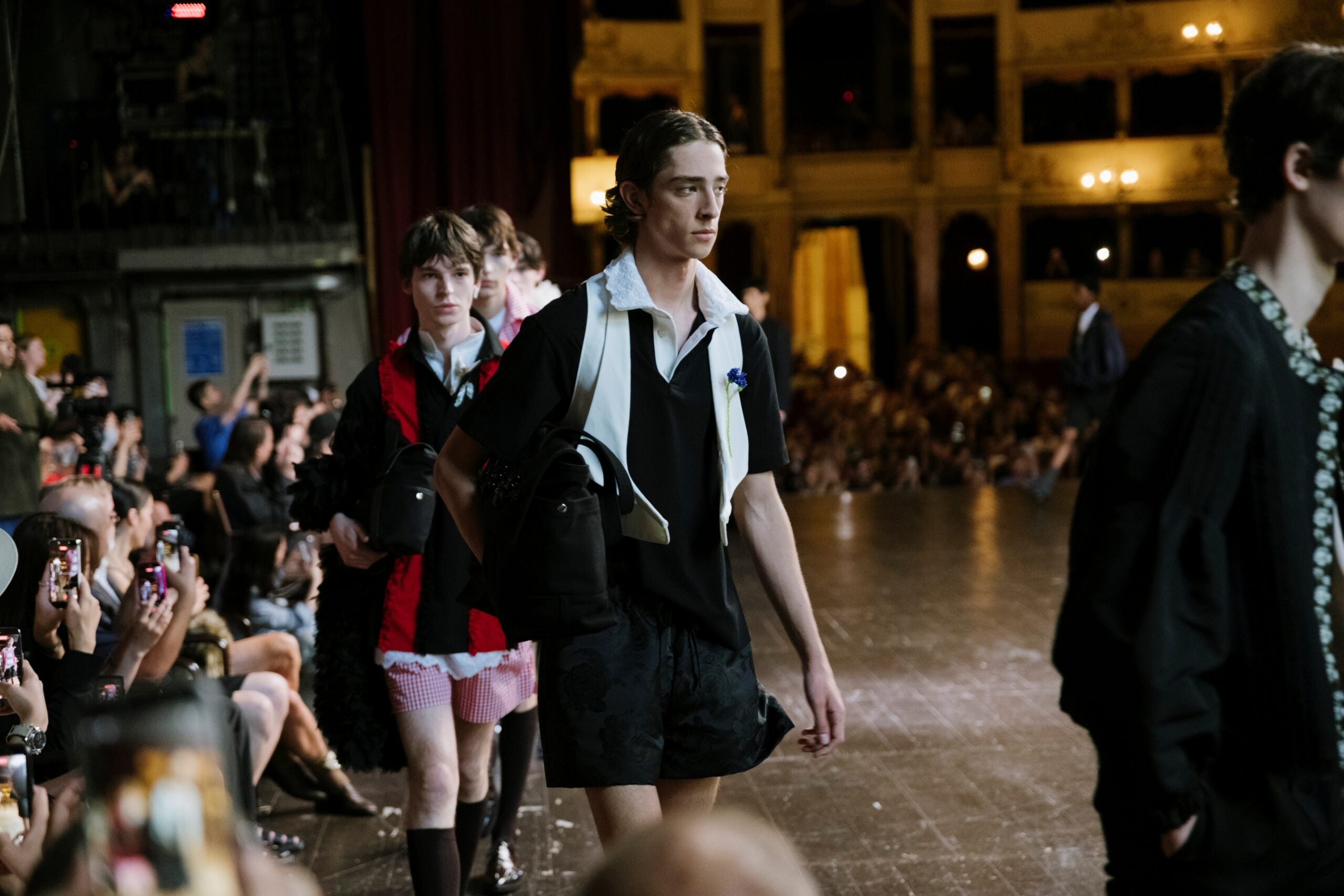
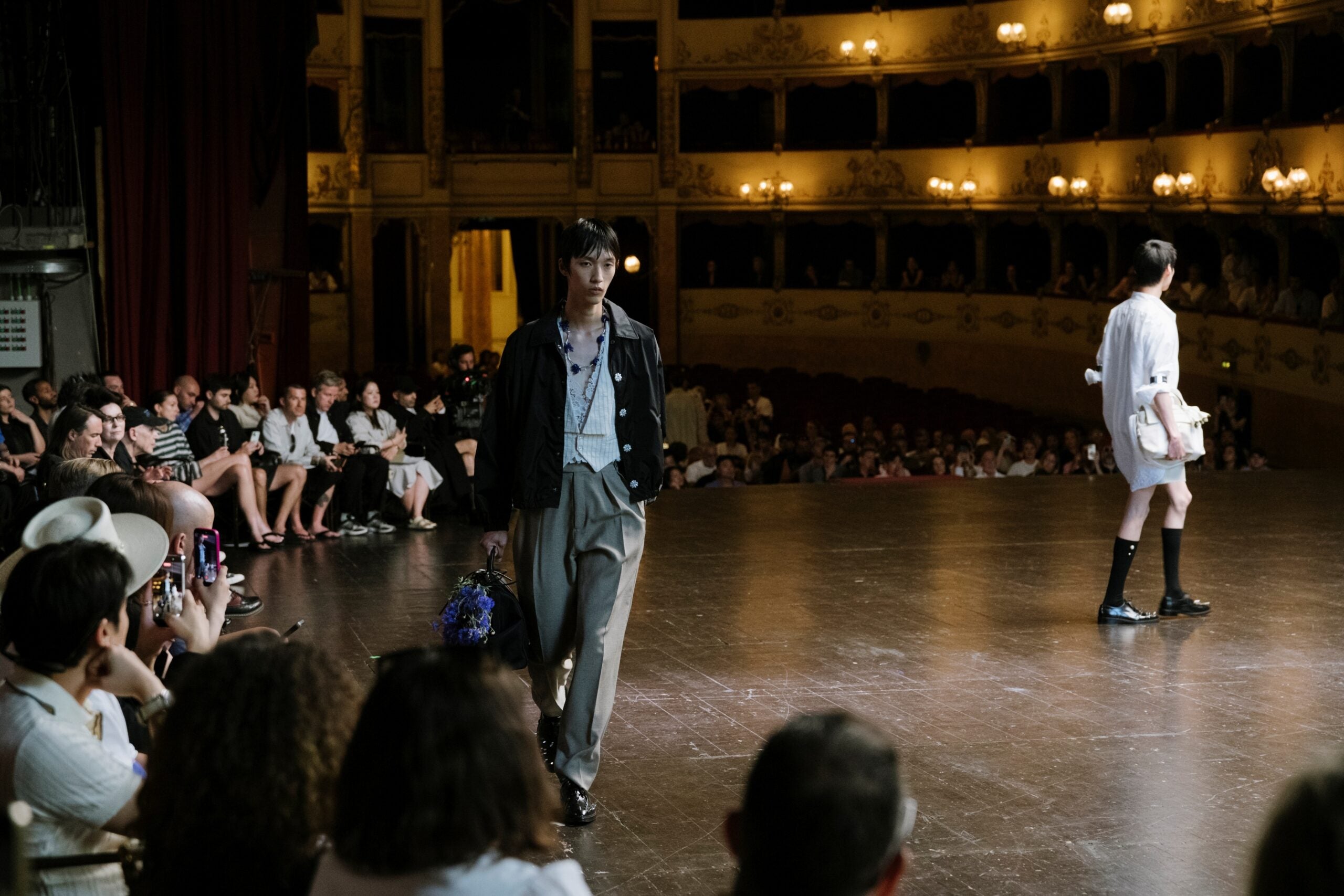
The fair’s 110th three-day edition ended Thursday with the debut menswear show by Irish star designer Simone Rocha on the stage of Teatro della Pergola. The 2024 British Fashion Designer of the Year winner, Rocha manages to savvily combine punky romanticism, cool historicism, and a dash of transgressive style.
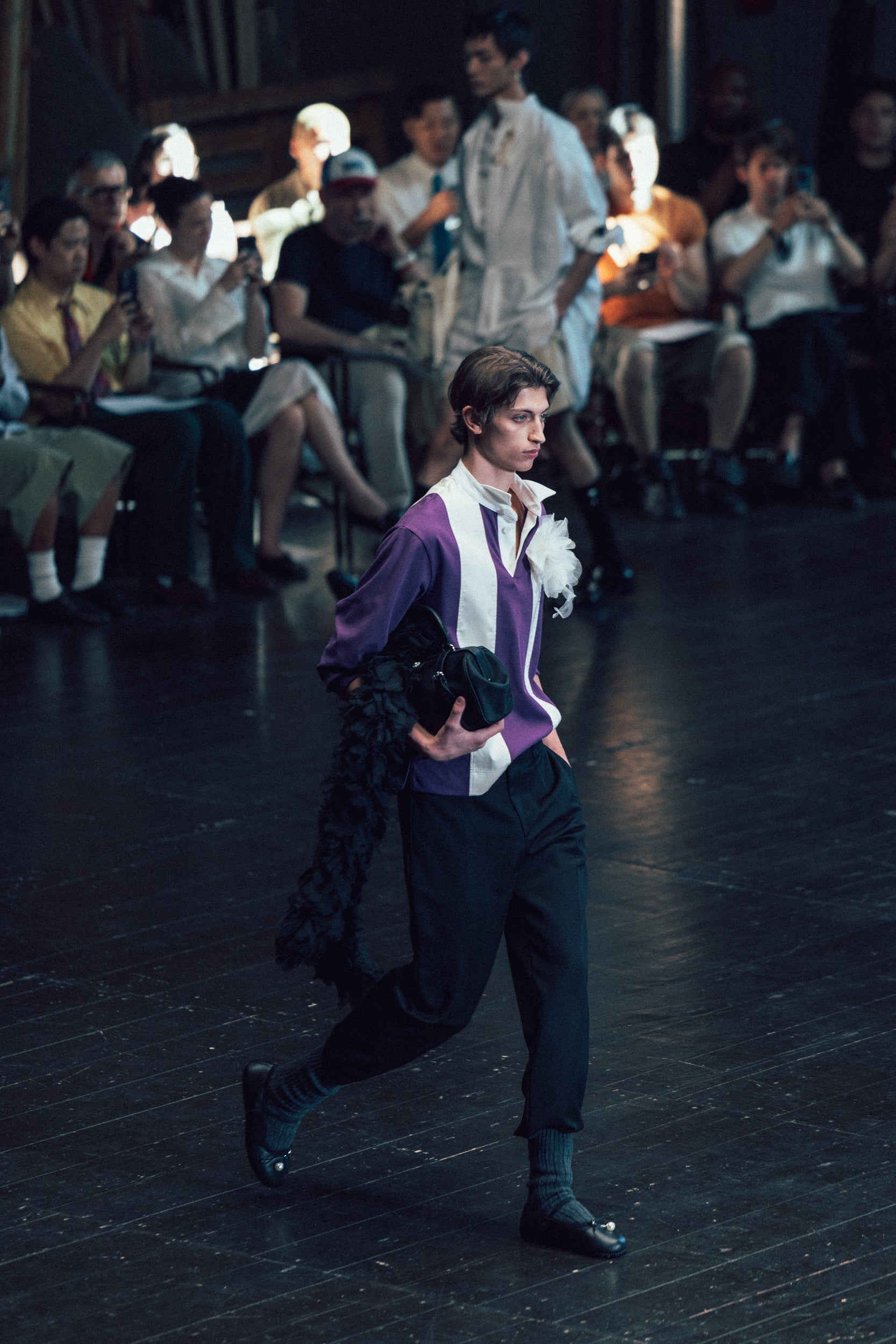
Not every man will wear her lace-trimmed doily bloomers, pearl-trimmed ballet slippers, or naughty priest soutanes. But if they have enough panache they will look sensational in Rocha’s pearl-button Venetian wool double-breasted jackets; her panelled rugby jerseys with wingtip collars; her soft nappa cream-hued leather dusters or her sensational jockey racing tops in Clongowes Wood College purple and white stripes. Her silk multi-pleated pants are must-haves.
By blending her Irish and Chinese heritage with Elizabethan detailing and Victorian codes, Rocha has built a global business since opening her first store in Mount Street in London.
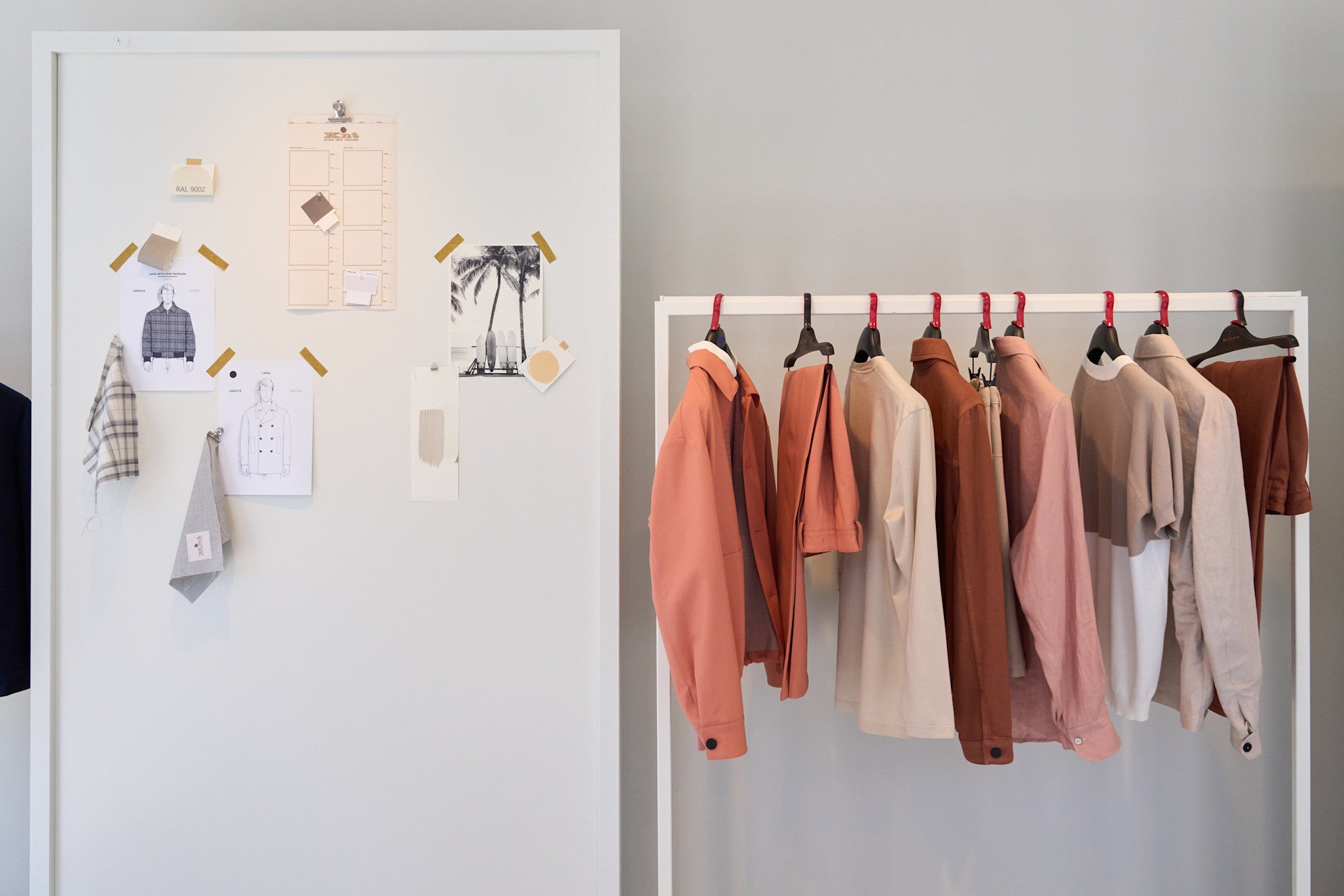
Voluminous trousers will be all the rage next summer. At Kiton New Texture, the experimental range of the Naples-based tailor, they were seen in wide double-pleat denim or coppery cotton pants paired with slim, perfectly cut double-breasted jackets with a soft Neapolitan shoulder. So minimal were they that none had a breast pocket.
Pitti 110 happens at a tricky moment for Italian fashion. Tepid Chinese luxury consumption and tensions in the Middle East brought Italian menswear sales down 2.2% in 2025, even if exports did rise 0.1 percent to €8.8bn.
“Today, men really do change their clothes and wardrobe frequently,” explained Antonio De Matteis, Kiton’s managing director and president of Pitti, “that has widened our market, and is the motor which will drive our sector.”
During the fair, Florence became an exercise in storytelling, like the Negroni-fuelled cocktail party for Gucci Storia, a brilliant history of the brand inside Palazzo Gucci in the city’s historic main square, Piazza della Signoria.
Being a great designer requires a healthy ego, and no one could accuse Gucci’s creative director, Demna, of false modesty. One room featured three huge brand-new Renaissance-style tapestries featuring a history of the Gucci clan. One showed the Georgian-born designer finishing a fitting in his atelier, poised like Raffaello or Michelangelo.
Two hundred yards away, Sebago staged an 80th anniversary boat tour party on the banks of the Arno in the city’s rowing club. It featured a motorboat in the shape of a classic Sebago red-white-and-blue docksider loafer. The boat shoe turned shoe boat. It’s one of four brands – along with California swimwear label Sundek, Pennsylvania’s Woolrich, and France’s K-Way – that are smartly being revived by Basic Net, owned by the extraordinarily entrepreneurial Turin-based Boglione family.
The fair celebrated one of Florence’s favorite sons, Emilio Pucci, with a discussion animated by veteran fashion editor and expert Suzy Menkes on The Astonishing Odyssey of a Fashion Icon, a new biography by Terence Ward and Idanna Pucci. A World War Two bomber pilot, Marchese Pucci, led the Italian fashion renaissance of the 1950s by founding a brand — in one of whose dresses Marilyn Monroe was interred — which is today a key marque of the LVMH luxury conglomerate.
Featuring spring/summer 2027 collections, 740 brands displayed their latest ideas at Pitti. Curiously, in the midst of a heatwave with temperatures hitting 38 degrees, some of the smartest shirts came from Antik Batik, where designer Gabriella Cortese showed beguilingly soft and breathable khadi tops. Woven on old wooden hand looms from Calcutta, khadi is the fabric Mahatma Gandhi urged all Indians to wear and use to become more self-sufficient and escape the dominance of British textiles.
In fashion, as in life, sometimes it’s all about timing. Such was the case at DSM Kei Ninomiya, the debut show of the first brand launched by Dover Street Market. Fashion insiders’ favorite retailer, DSM is the brainchild of Japanese design legend Rei Kawakubo of Comme des Garçons fame.
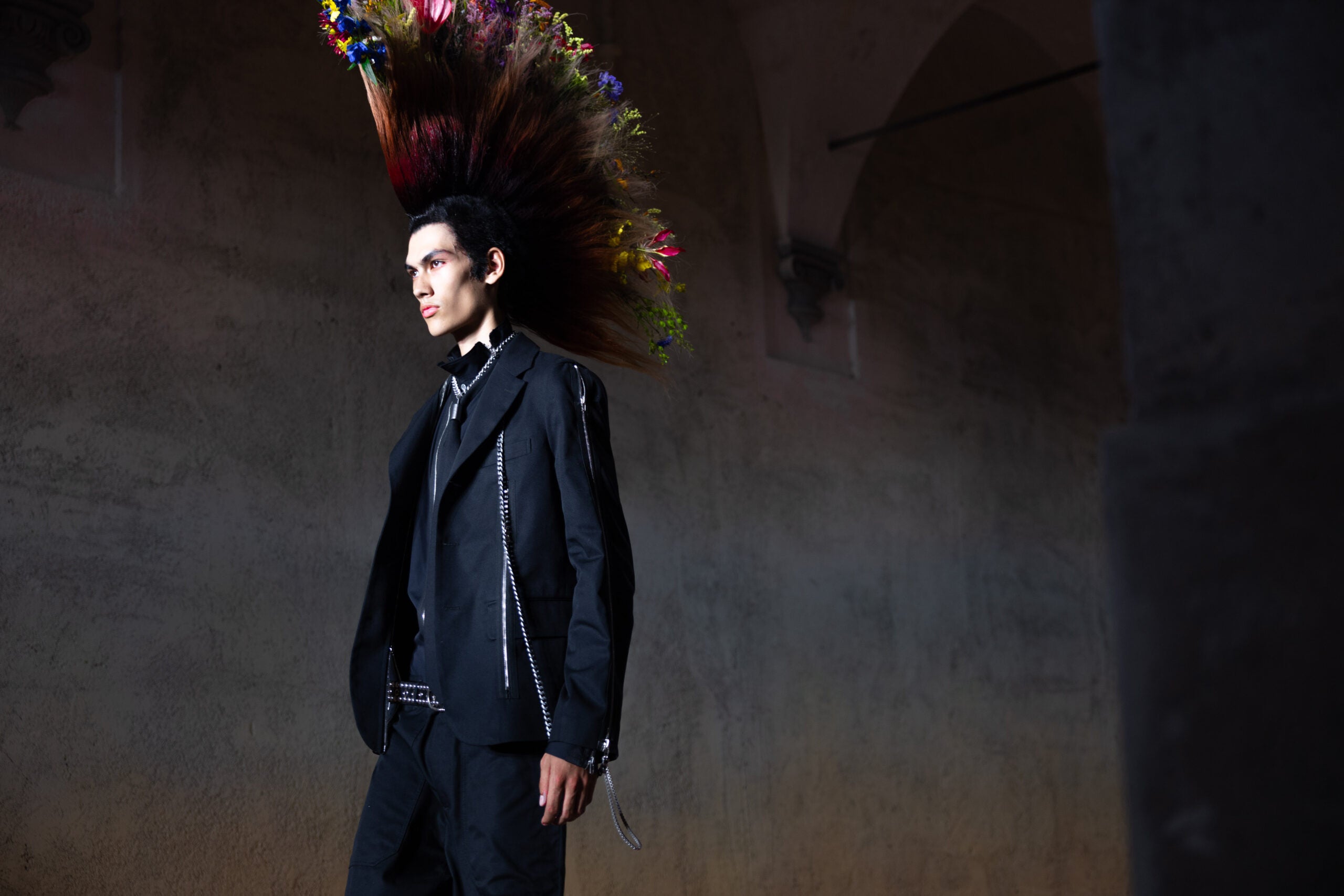
Presented inside Sant’Orsola, currently a building site, it’s a massive 14th-century monastery famed for being the final resting place of Lisa Gherardini, the presumed model of Leonardo Da Vinci’s Mona Lisa. Instead of Renaissance beauties, Japan-born Ninomiya rode the punk revival and presented some sensational posh-punk fantasies – in mash-ups of plaid blazers and blousons, grommeted kilts and chain-covered biker jackets.
See also: Max Mara Marks 75 Years with Cruise Collection, Exhibition, and Boutique in Shanghai
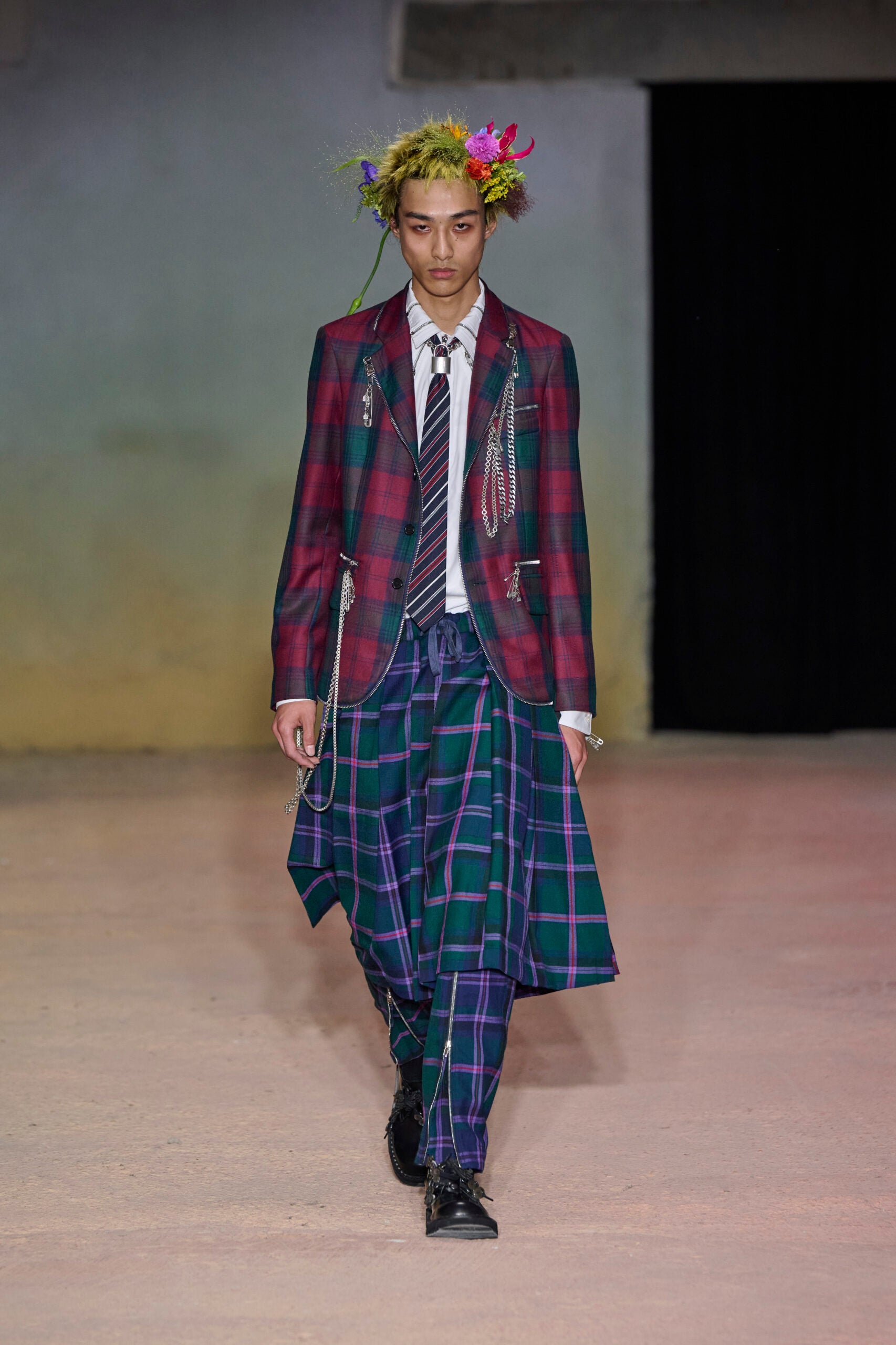
A pedant would say: grazie Vivienne Westwood. But that would be unfair. This was instead the latest expression of fashion’s everlasting admiration and demolition of Scottish baronial style.
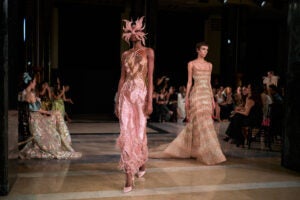
The collection culminated with giant mohawks and Liberty Spike haircuts. Though unlike the punk versions, these sprouted real flowers at the top of the spikes. And while few of the billionaires and hedge fund execs among us will ever sport a mohawk, maybe we should consider a kilt. It is, after all, most definitely fashion’s greatest icebreaker.