
Stone Island badges. Adidas Sambas. Fred Perry polo shirts. Bucket hats and pints. It’s fair to say that the looks we’ve come to associate with soccer (or football) have hardly been the traditional source of high fashion inspiration. Yet as the turf is currently being laid ahead of the FIFA World Cup 2026 – which will see 48 national teams compete across the US, Canada, and Mexico – soccer appears to be having its luxury fashion moment, with brands fighting to dress players both on and off the pitch.
It’s the first time the tournament will be hosted across three different countries and is expected to become the biggest sporting event in history. Stretching across time zones, languages, and communities, FIFA projects that six billion people will watch at least one match, making it an enormously lucrative cultural platform for brands to capitalize on.
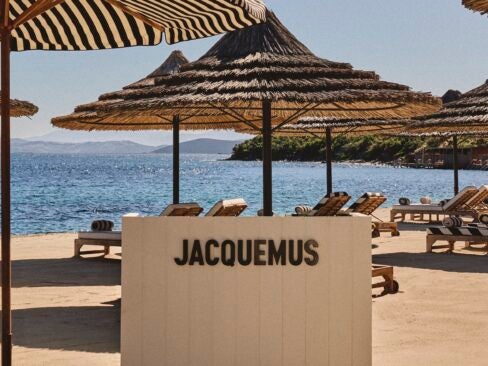
This week, Loewe announced a four-year partnership with Spain’s national team to design bespoke travel wardrobes for both the men’s and women’s squads across all major tournaments, including the World Cup. Neighboring France has also partnered with Jacquemus on custom matchday apparel and retro-inspired Nike Cryo Shot footwear.
In the US, the Virgil Abloh Archive has replicated the late designer’s iconic textual design language to create bespoke kits and sneakers for Team USA, alongside a Nike Cryoshot collaboration and accompanying apparel collection for fans. Meanwhile, Italian menswear label Boggi Milano is the official formalwear partner of FIFA and has released its own customer-facing capsule collection.
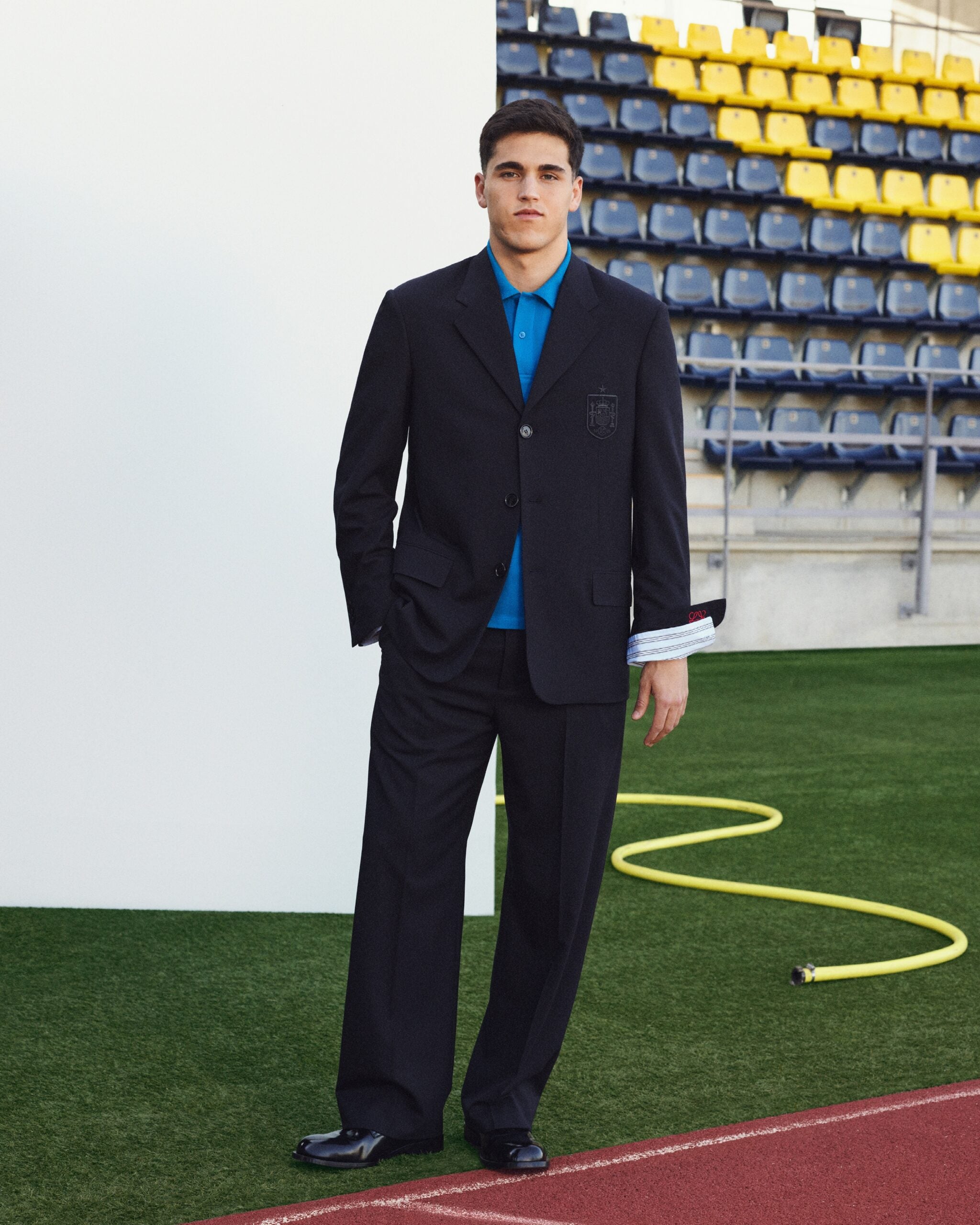
But football’s relationship with fashion did not begin in luxury boardrooms or front-row seats. Long before the likes of Loewe and Jacquemus entered the game, style had already become part of football culture on the terraces of Britain in the late 1970s and 1980s.
The rise of the ‘Casuals’ movement saw young soccer fans swap scarves and replica shirts for designer labels and imported sportswear. Emerging from working-class scenes in Liverpool and Manchester, supporters became obsessed with brands like Lacoste, Sergio Tacchini, Fila, Ellesse, and Adidas. Cultural historian Bill Osgerby, who has worked with London’s soon-to-open Museum of Youth Culture, explains to Elite Traveler that “the emphasis was towards a style that was smart and expensive,” describing an “obsession with upmarket sportswear and high-class designer brands.”
Phil Thornton, author of the cult 2000s nonfiction title Casuals, argues the culture around the terraces has often been misunderstood despite becoming one of Britain’s most influential style movements. Reflecting on the scene’s continued evolution, he describes football fashion as “a circle game,” driven by “a new promising football season, a new promising label and young lads wanting to separate themselves from the new or from the old or from the present.”
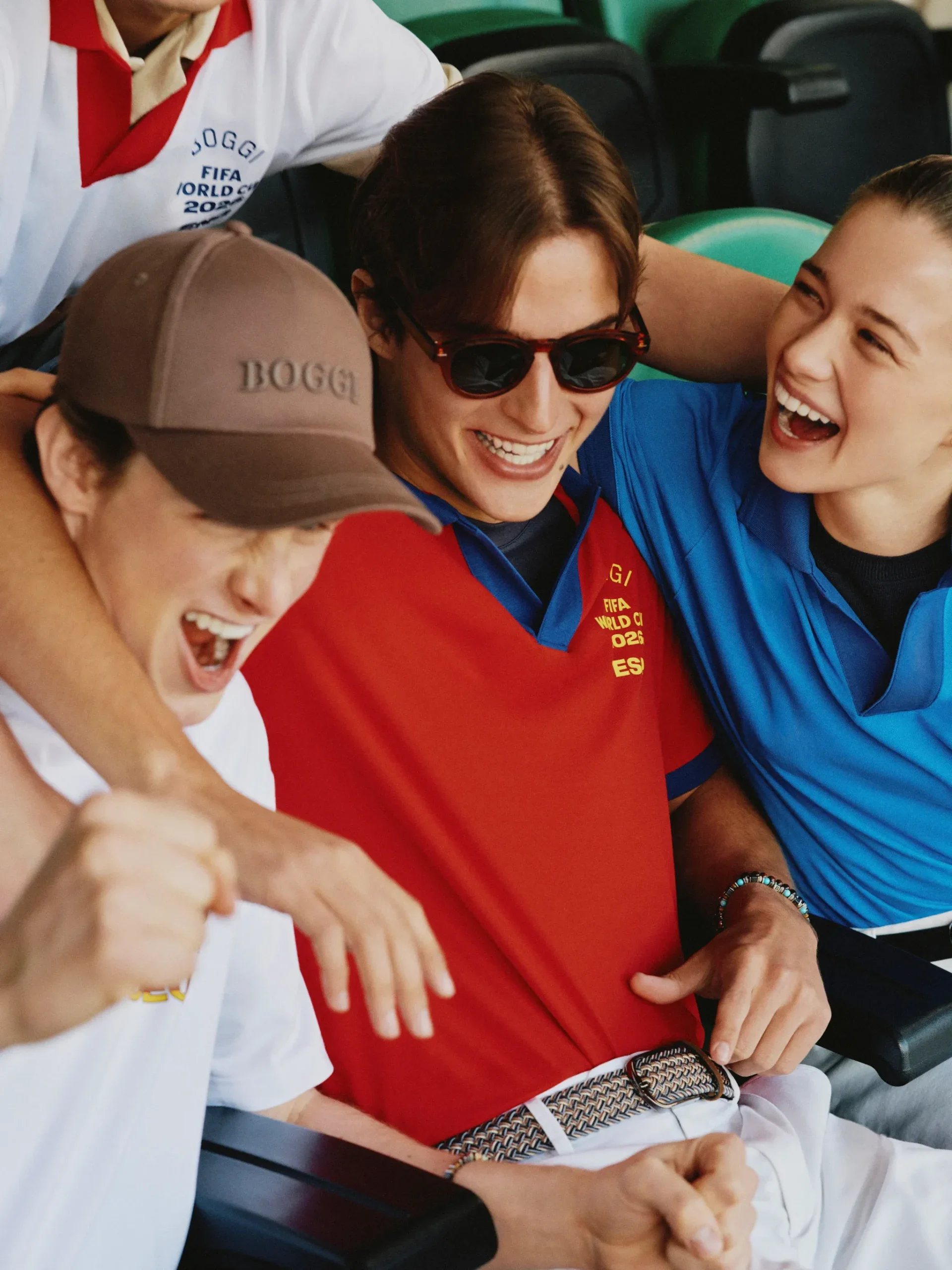
Both experts agree that, for fans, looking sharp mattered almost as much as the football itself. Even in the stands, fashion acted as status, competition, and identity – something that, in the two decades since Casuals was published, has not disappeared, but arguably only intensified.
But how exactly has the game found itself moving from working-class subcultures to designer runways and luxury boutiques?
The influence of sportswear as a dominant force in fashion throughout the 2010s cannot be understated, with labels like Balenciaga and Off-White leading the charge. Luxury sneakers and collaborations more broadly have also likely paved the way for soccer’s current high-fashion moment. Even still, despite luxury athleisurewear dominating the visual identity of the past decade, data insights platform GWI’s 2025 report shows there is still appetite for more, with 32 percent of consumers surveyed expressing interest in luxury collaborations with sportswear brands.
But for luxury labels, the 2026 World Cup also arrives at a moment when soccer culture has never been more visible – or more marketable. Social media has transformed players from athletes into global lifestyle figures, with tunnel walks, post-match fits, and appearances by players and coaches dissected online almost as closely as performances on the pitch. Even FIFA is reflecting that shift in its own tournament strategy, announcing TikTok as its first-ever “Preferred Platform” partner to bring behind-the-scenes access and livestreams to viewers’ screens.

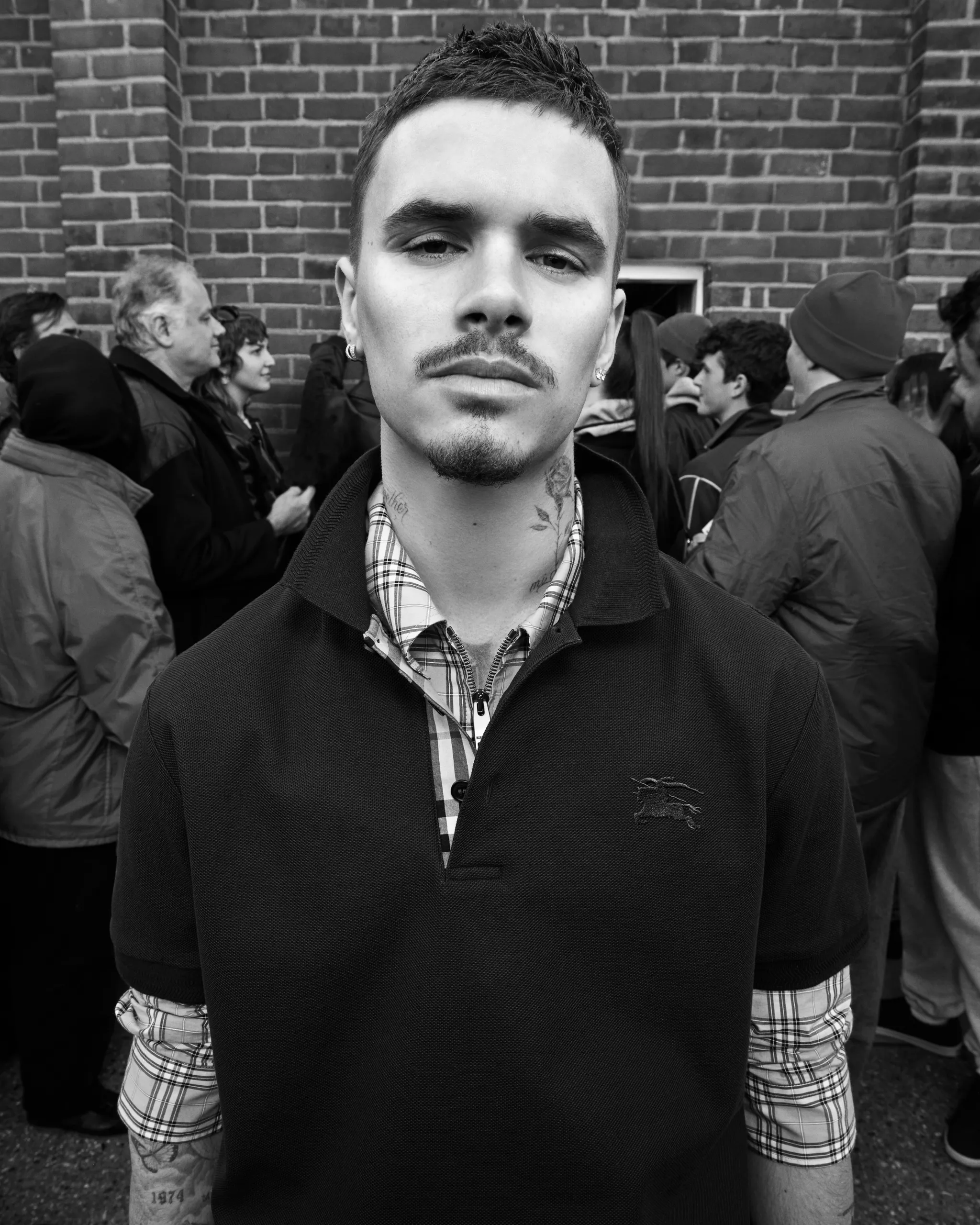
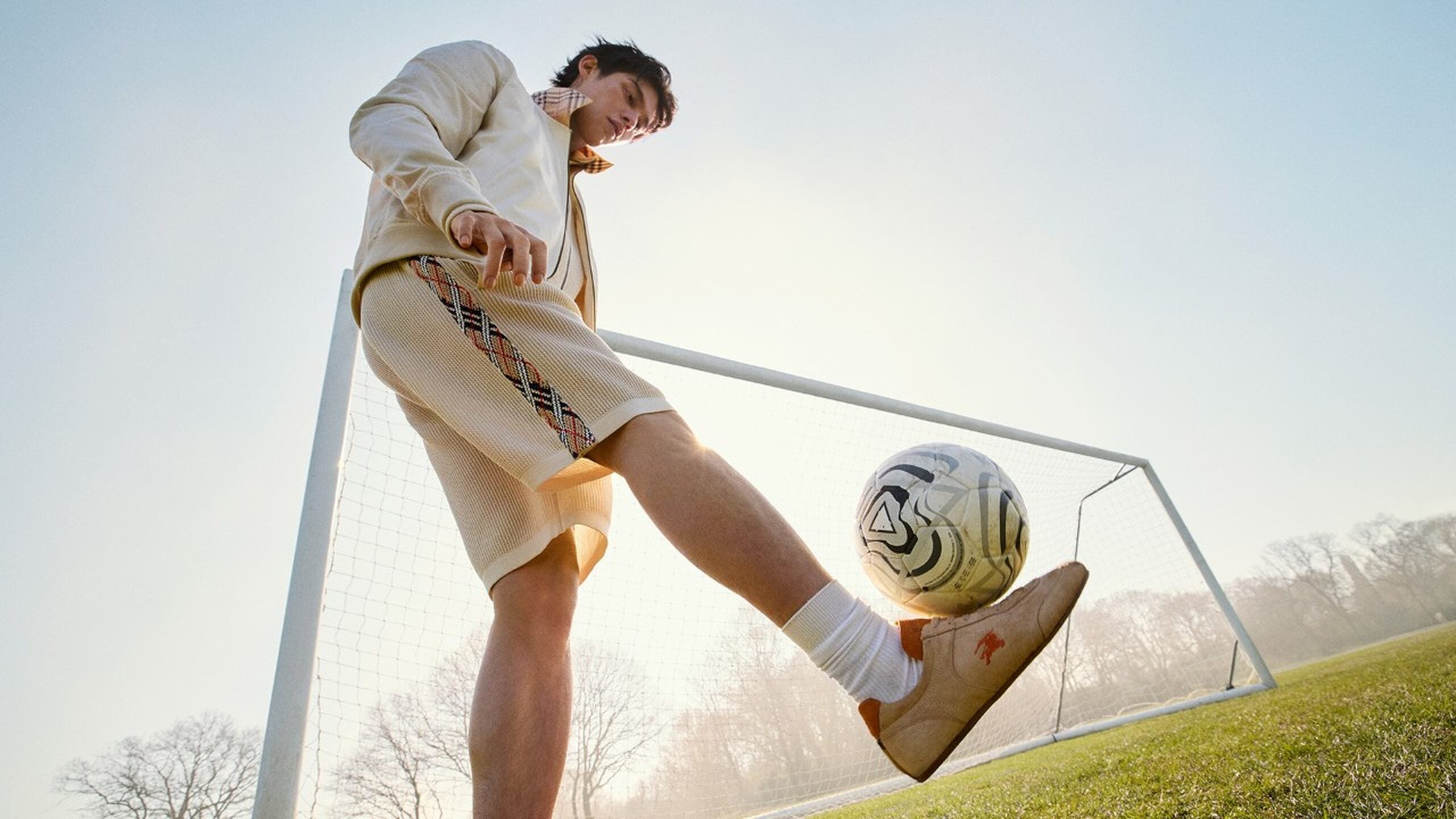
That perhaps explains why, ahead of the tournament, fashion houses are gravitating not only towards elite athletes with sporting prowess, but also towards figures with powerful social media influence. Romeo Beckham, for example, fronts Burberry’s recent football-inspired campaign ‘A Good Sport’ alongside England players Eberechi Eze, Declan Rice, and Leah Williamson.
It’s clear that luxury fashion is investing – both culturally and economically – to deepen its connection with the sporting world. Only last week, Gucci was announced as the title sponsor of Alpine’s Formula 1 team from 2027, while LVMH signed a landmark 10-year partnership with F1 to bring Louis Vuitton and TAG Heuer directly into the sport’s ecosystem. Luxury brands are no longer simply dressing athletes; they are embedding themselves into the spectacle of global sport itself. And ahead of the 2026 World Cup, soccer appears to be the next – and perhaps largest – arena for that strategy to play out.