
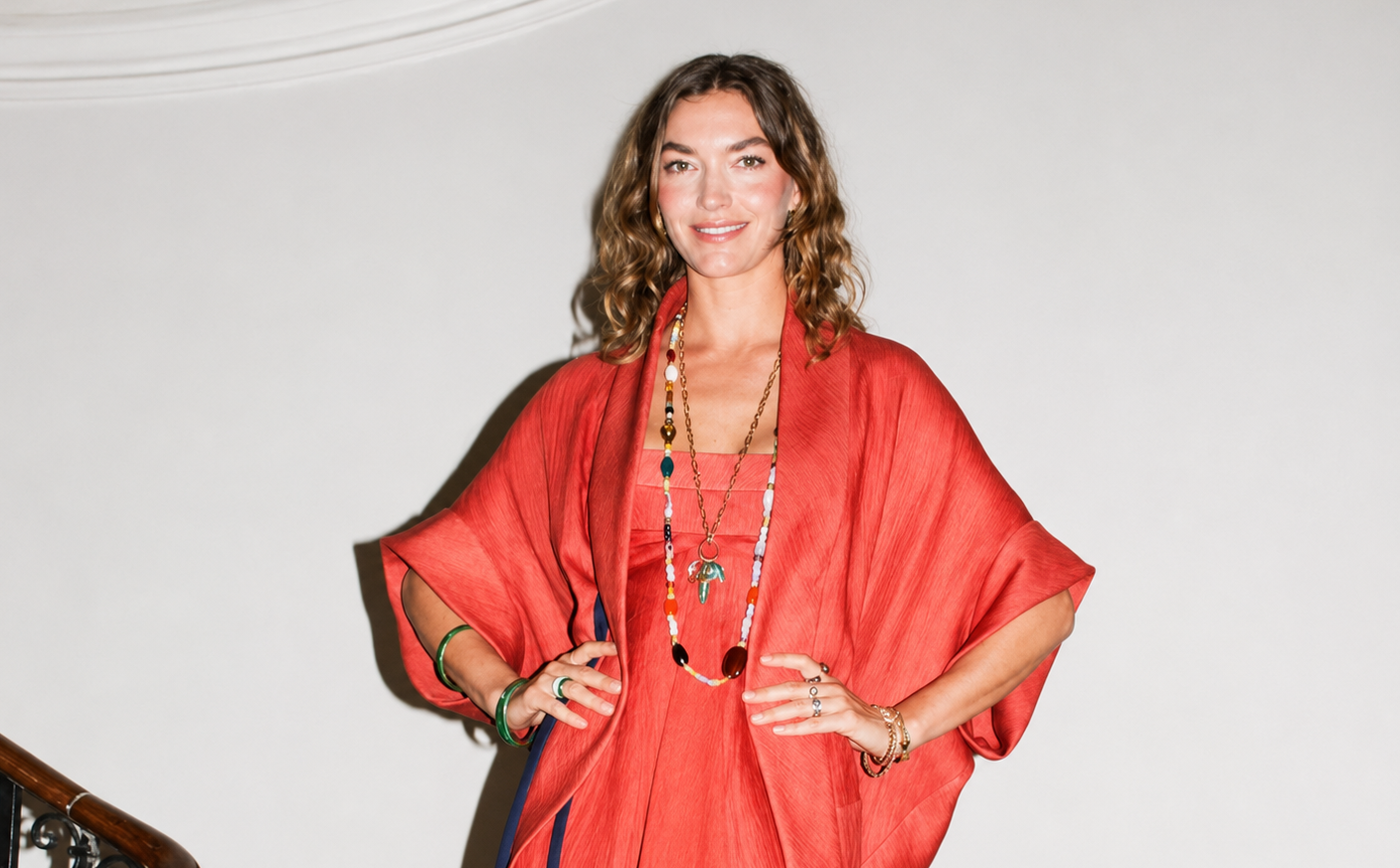
Arizona Muse has graced more than 40 covers for Vogue and fronted campaigns for Prada, Saint Laurent, and Chanel – but these days, she’s just as likely to be working with Greenpeace or the UN as she is walking a runway.
Despite modelling since the age of 16, Muse has spent the past few years becoming one of fashion’s leading voices on sustainability. In 2021, she launched the charity DIRT, which promotes soil regeneration and biodynamic farming as a climate solution for the industry. By restoring biodiversity and replenishing soil health, regeneration enables land to store more water and draw carbon from the atmosphere – an approach the charity has already advanced through partnerships with brands including Vrai, Anya Hindmarch, and Weleda.
Elite Traveler sat down with Muse at Landed – the day-long gathering dedicated to nature restoration and regenerative agriculture, co-hosted by Muse and Carole Bamford at Daylesford Farm. In our First & Lasts series, she reflects on the times that shaped her: from her earliest travel memories to the moment she discovered her purpose, and the luxury stays that changed her perspective on conservation.
What was the first trip that changed your view of the world?
Sedona, Arizona, was a trip that we did as a family when I was quite young. It's a famous mining town, with beautiful mines and a lot of copper. It's absolutely extraordinary. But I realized that mining scars the Earth, and I was very influenced by that.
But my first really big moment of realization was when I was 26. I went to a charity lunch, which I was accustomed to doing as a model, but it was normally for cancer charities or animal sanctuary charities. This one was a biodiversity charity [Synchronicity Earth]. And that word really struck me. Biodiversity was not a word used around me in my kind of fashion, upscale life. And I don't know why, but I started to question: Why are we in fashion not talking about biodiversity and our impacts on it? And I call that the beginning of my activism journey.
Models are often misunderstood for being and stereotyped for having no brains at all. And I did feel like that at one point. Then I started to learn about all these things that I'm passionate about, and I realized, “Wow, my brain does work, actually quite well”.
When did you first feel a sense of purpose?
When my children were born. But also when I started to self-identify as an activist, because I was living for something larger than myself. I was in service of something bigger than me, which is our planet, who is so beautiful and so alive and needs us.
When was the last time you relaxed?
The last time I fully relaxed was now, during this conference. I think relaxation is a bit bigger than we think it is. It’s determined by the state of how we feel, and I felt great today. So it was relaxing to host a conference like Landed for 250 people on a topic I care about.
See also: Ian Somerhalder on Travel, Bourbon, and Flying His First Airplane
What trip first made you rethink your ideas of luxury?
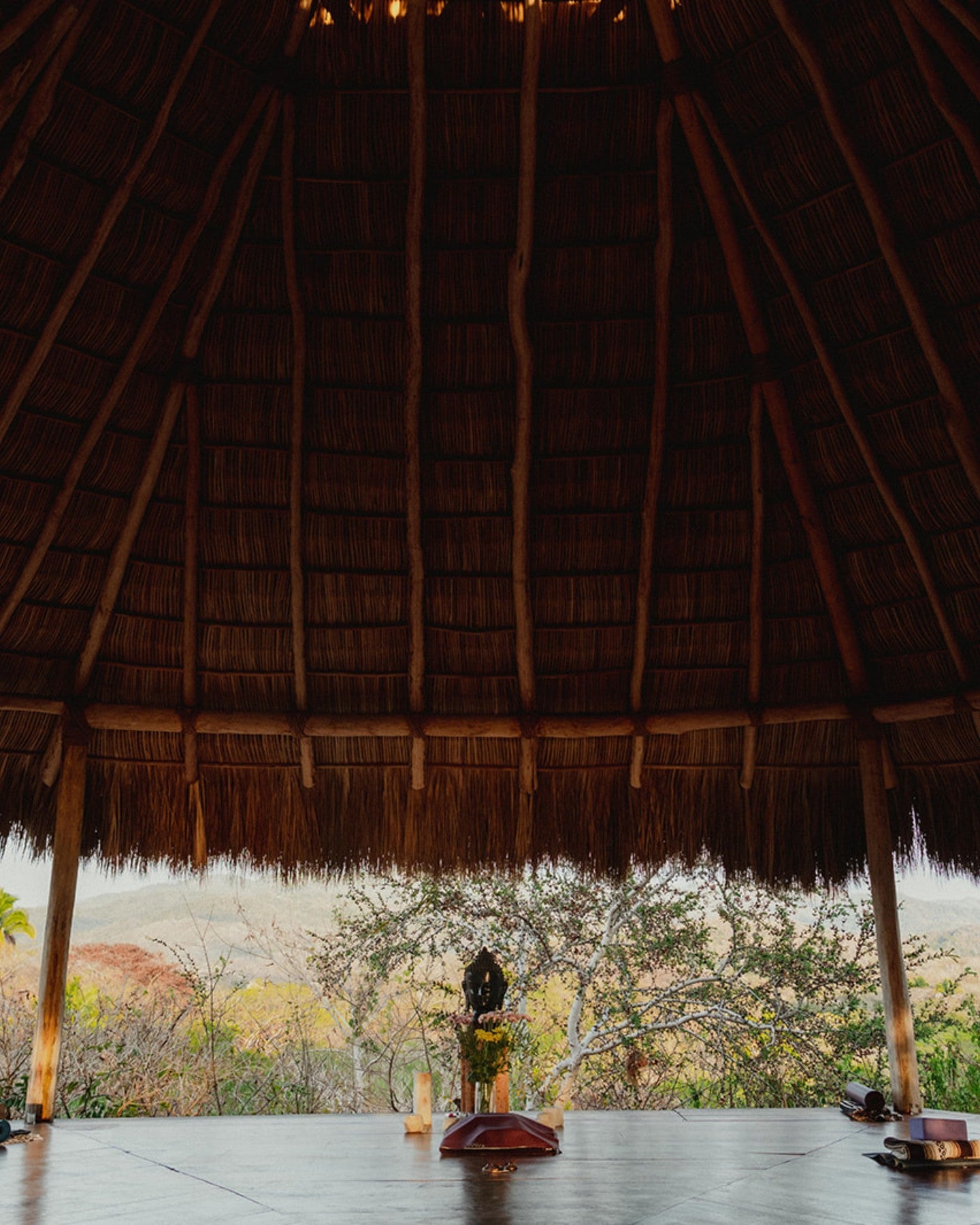
Haramara retreat in Mexico made me rethink my idea of luxury. It’s absolutely beautiful, but there’s no electricity; yet it's still luxury. Also, Heckfield Place, which is a very luxurious hotel in the UK. They use biodynamic agriculture all over, not just on their farm, which is on their hotel grounds, but also over their 450-acre estate, and they're rewilding with biodynamics.
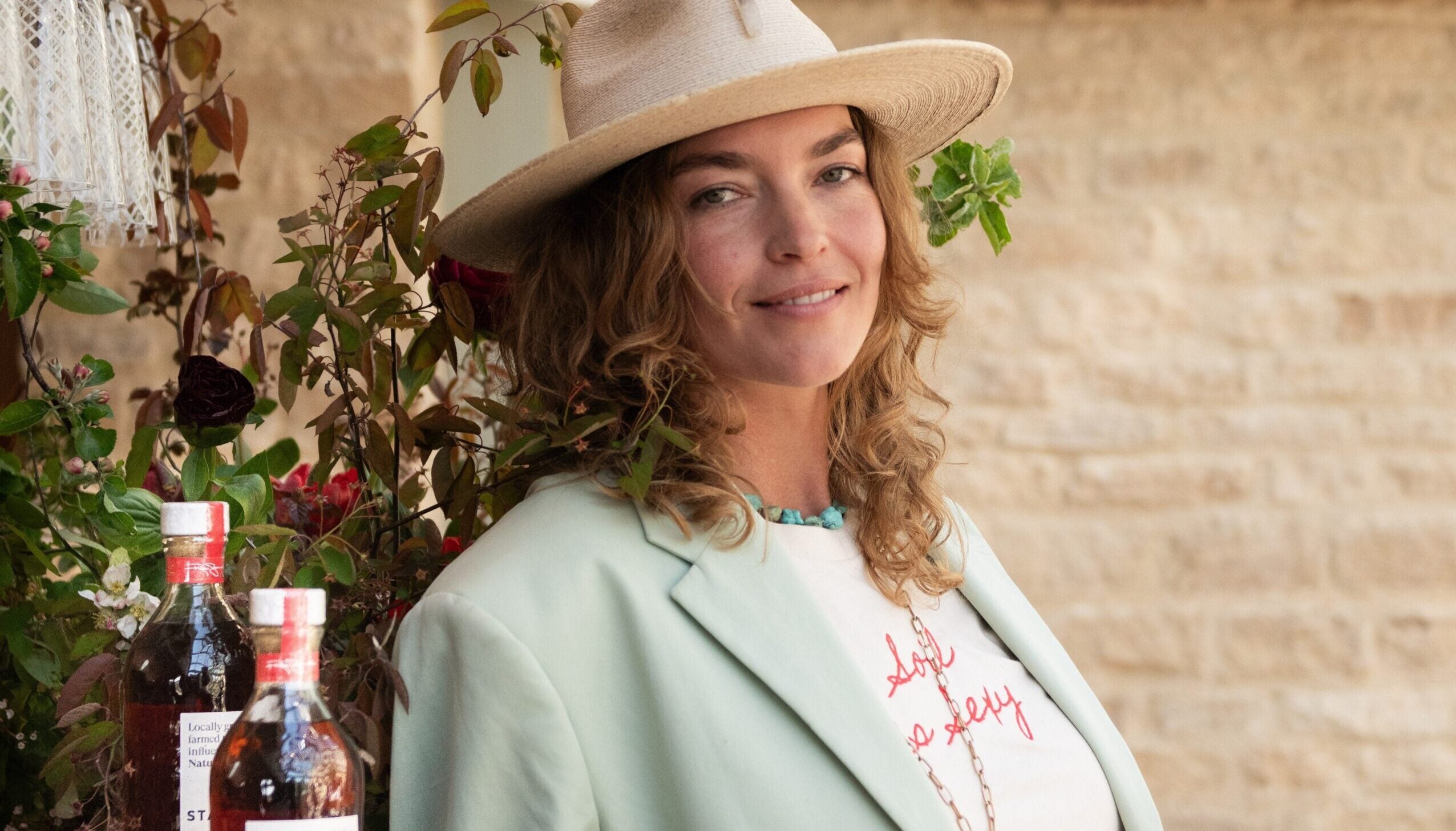
I’m blown away whenever I see a very big and established business choose to go regenerative. Like Maker's Mark, who decided that they would create Star Hill Farm whisky [the first all-American wheat whisky grown using regenerative agricultural techniques]. They’ve created something that's beautiful, where the flavor is better than its alternative, and where the sourcing is better for the Earth than its alternative.
What trip first changed your perspective on animal conservation?
While on a safari in Africa, I was taken to an animal sanctuary. The trainers in the sanctuary were absolutely wonderful people, and they were very animal-aligned and impressive to get to know. But the whole system really shocked me.
I saw two elephants in the sanctuary, a father elephant who was abusing his daughter because they were kept in captivity together. That just made me feel horrible. I realized this isn't safety, it’s saviorism. And I was really impacted by those two differences. It has nothing to do with Africa, because the animal sanctuary was not really led by Africans. This is just about humans interacting with nature, and it happens absolutely everywhere.
What I really noticed was that not all conservation is aligned with authentic truth and what is right. We need to be very careful with our own human way of looking at the world. Conserve what you know. Conserve where you're from. Don't go somewhere else and do it to get a pat on the back or to exploit both nature and the people around you.
Is there a place you wouldn’t return to?
I think Singapore or big cities with too much air conditioning. I’m not into them at all; too noisy, too cold, so distant from the indigenous culture that the land belongs to. I find that so disturbing, and I can't do it anymore.
Do you have a ritual when leaving a destination?
I always send gratitude to the destination before leaving somewhere. I'm grateful to be there. “Thank you, Earth, for having me once again on your surface.”
See also: Marie-Louise Sciò on Hotels, Travel Memories, and Her Non-Negotiable Check-Out Ritual