

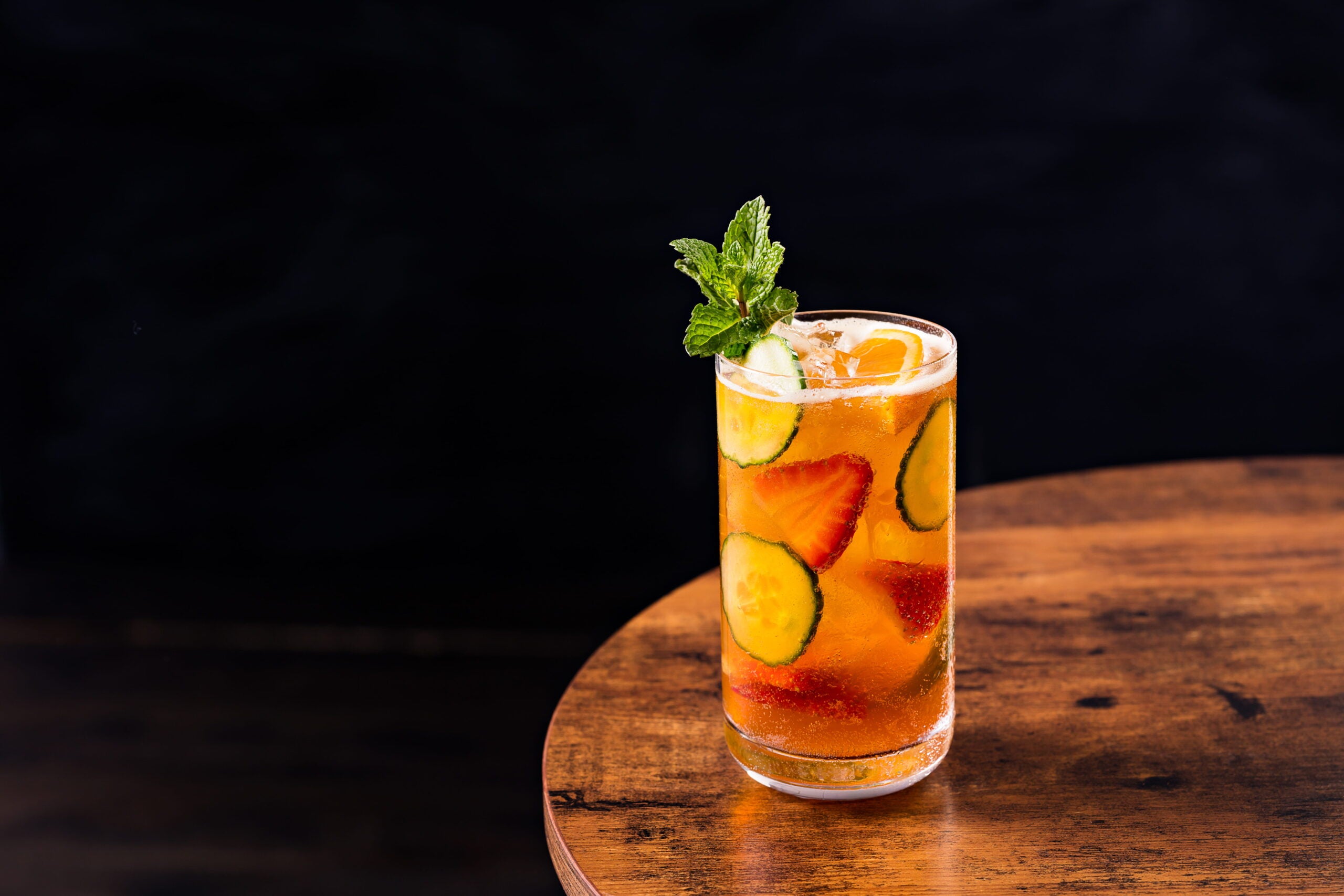
For the British readers among us, it’s peak Pimm’s season, and my favorite time of year, when the garden’s at its best, summer parties are in full swing and Wimbledon is imminent.
Most of us, I imagine, think of Pimm’s as a quintessentially English drink. And to a great extent it is. The recipe was created in 1912 for a chain of London oyster bars founded by the Englishman, James Pimm, at a time when it was customary to pair oysters with a ‘cup’ or ‘punch’ made of gin, fruit, spices, bitter herbs, and liqueurs, mixed with lemonade.
But Pimm’s No.1 is also a big deal in that American cradle of the cocktail New Orleans: the city’s Napoleon House bar, in the French Quarter, has been knocking out its fruit-scattered gin cups for almost a hundred years.
See also: The Best Martinis in the World, According to the Experts
So, what’s the secret to a good one? I have some views on this. Because, a well-made Pimm’s can be absolutely divine, but a bad one can be very sickly. Temperature is critical – Pimm’s must always be really, really well-chilled. I think it also benefits from half an hour or so steeping with the fruit, in the fridge. Add lots of orange and lemon wheels to cut the sweetness; strawberries and even raspberries if you want. Plus, a generous handful of freshly-picked mint sprigs – give them a sharp smack before adding, to release the aromatic oils.
The traditional capstone for Pimm’s – and gin cups of all kinds – is a sprig of cucumber-scented borage flowers. These purple-blue blooms enhance the cooling effect and add a lovely pop of color.
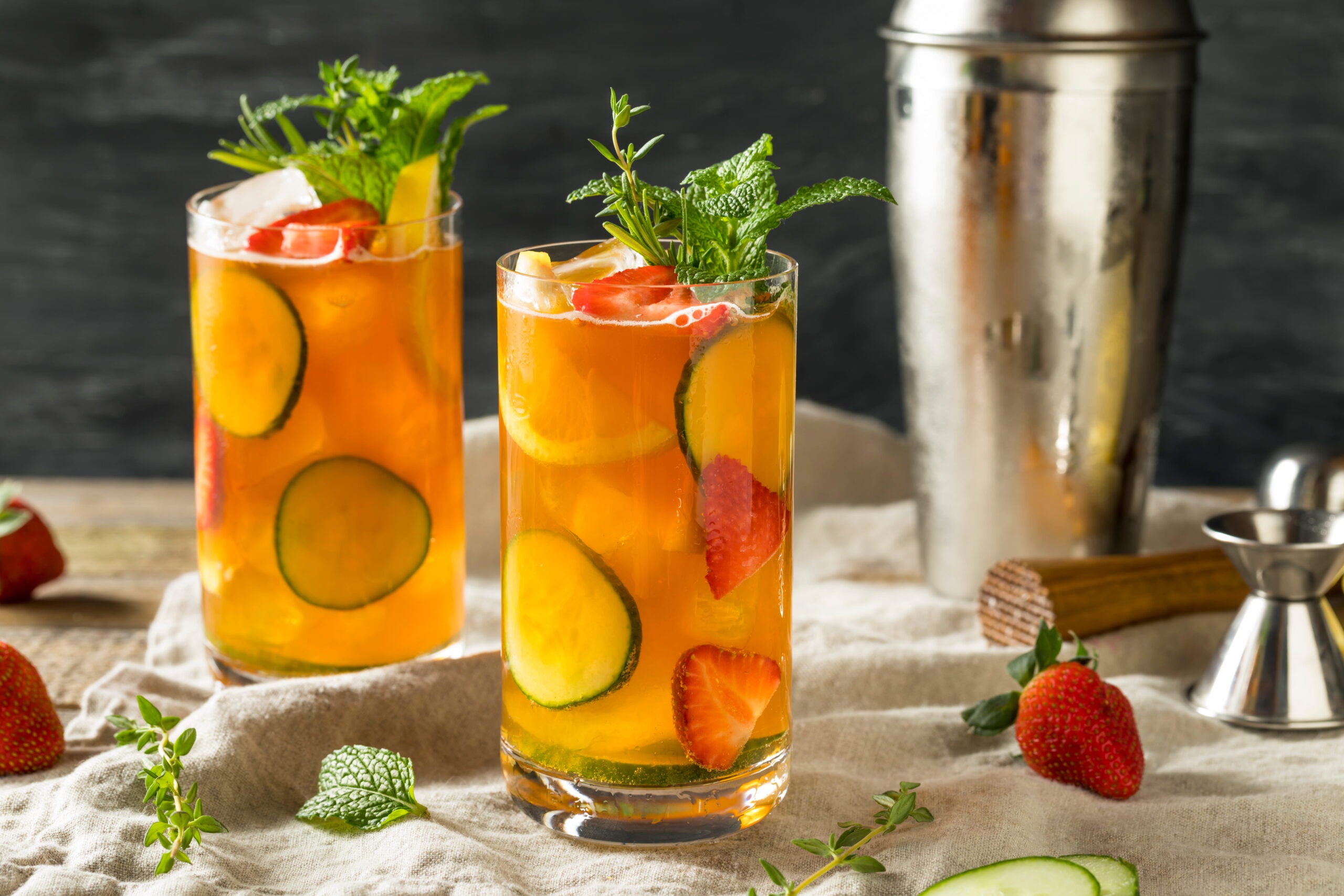
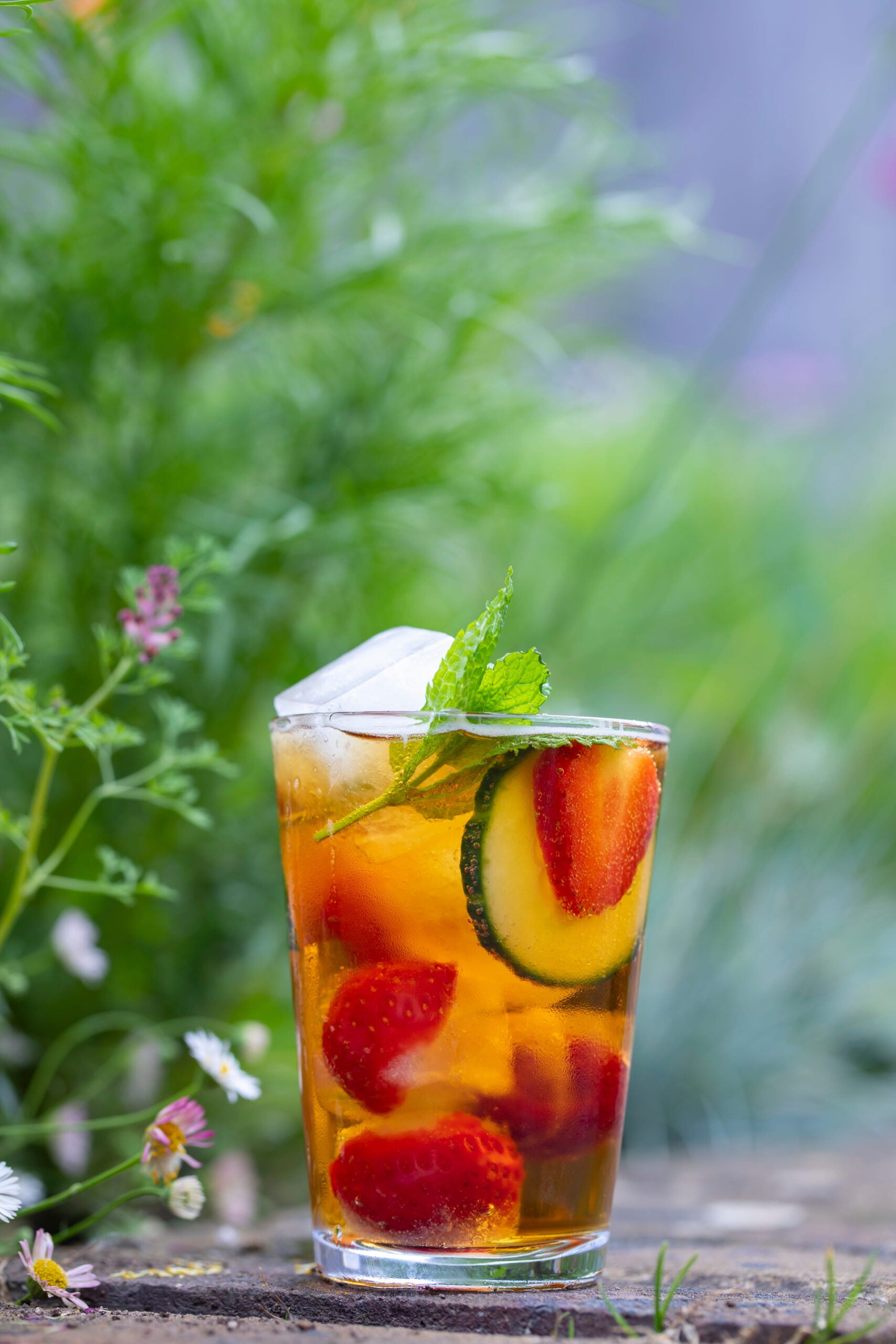
Charles Dickens was a big fan of borage: “[it] makes a world of difference” he said to a gathering of fans in Boston, in 1868, for whom he mixed one of his reputedly excellent cups. Borage is pretty easy to grow in a pot, but failing that, cucumber slices will also work in its stead.
Cheap and cheerful fizzy lemonade (or 7-Up) is the classic mixer, but if you prefer it a bit less sweet, substitute with a pared-back tonic like Fever Tree Light or even just sparkling water. And mix roughly 1-part Pimm’s to 3 parts mixer.
Pimm’s used to be bottled at 31.5 percent abv but the strongest version you’ll find today is a rather lily-livered 25 percent abv, which can mean even the best-made cup can wind up tasting a little underpowered. For this reason, it’s worth considering making your own gin cup from scratch – simply mix equal parts gin, red vermouth and triple sec (or other orange liqueur), and dilute to taste.
See alao: A Drinks Expert’s Take on Match-Day Pairings for the World Cup
Hayman’s London Dry Gin, which is made in London by England’s oldest family-owned distillery, has a starburst of citrussy botanicals that would be great here. Or play up to the English country garden theme with Hendrick’s Gin which pairs juniper with subtle notes of cucumber and rose.
For the red vermouth, I’d go with Martini’s more full-throttle Riserva Speciale Rubino or the barbera-based rosso by Chazalettes. And for the orange liqueur Cointreau or Pierre Ferrand’s weightier Dry Curaçao. The new High Fidelity Triple Sec , co-created by Ashley Palmer Watts, chef and co-owner of London sensation The Devonshire, is also very good. It has a little pinch of Cornish salt in the recipe that makes it extremely moreish.
And if it wasn’t clear already, you should always mix Pimm’s by the jug. Because it should always be enjoyed in company – and one glass is never enough.
Alice’s DIY Pimm’s recipe
Ingredients
-300ml gin
-300ml red vermouth
-300ml triple sec or other orange liqueur
-900ml well-chilled, fizzy lemonade, tonic or soda water
-Garnish: orange and lemon slices, sliced strawberries, mint sprigs, and borage flowers
Method
Combine the first three ingredients in a jug with all the garnishes except the borage and chill in the fridge for half an hour. Just before serving add ice, more mint sprigs, and borage flowers.