
When London's oldest gentlemen's club, White's, first opened its doors in Mayfair back in 1693, it quickly found itself with a fashionable but notorious reputation for bad behaviour and massive gambling losses.
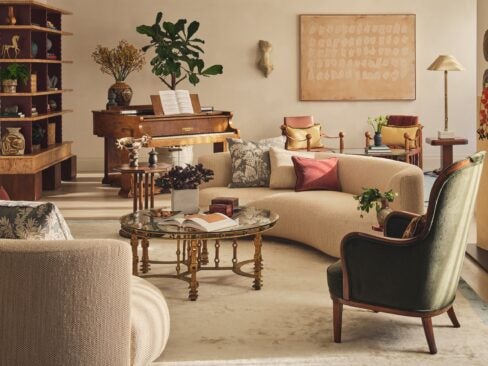
By the mid-19th century, clubs had seemingly cleaned up their acts and consequently surged into popularity. More than 400 opened across London, mostly on the streets surrounding Pall Mall, giving rise to its nickname of ‘Clubland.’ Housed in grand Palladian mansions, they formed the blueprint still associated with private members’ clubs today: bars, libraries, billiards rooms, private rooms for gambling, bedrooms for those who required them, and dimly lit corners where London’s political and professional classes could make influential connections.
And for the century and so since, private members’ clubs seemed to continue in this way: primarily existing behind heavy doors in Mayfair and Soho for the vetted eyes of a select few. But recently, the model of one of England’s oldest institutions seems to be evolving.
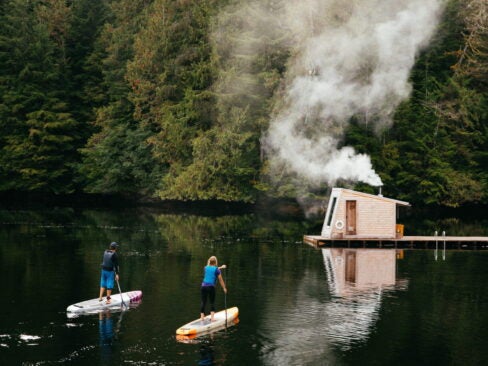
As Knight Frank pointed out in its Guide to Private Members Clubs report, more clubs have opened in the past five years than during the three decades following the 1985 opening of the Groucho Club. And while they show no sign of slowing down for the rest of the 2020s, increasingly, Britain’s club culture is leaving the city behind and swapping urban indulgence for sprawling estates, destination spas, and wellness programs.
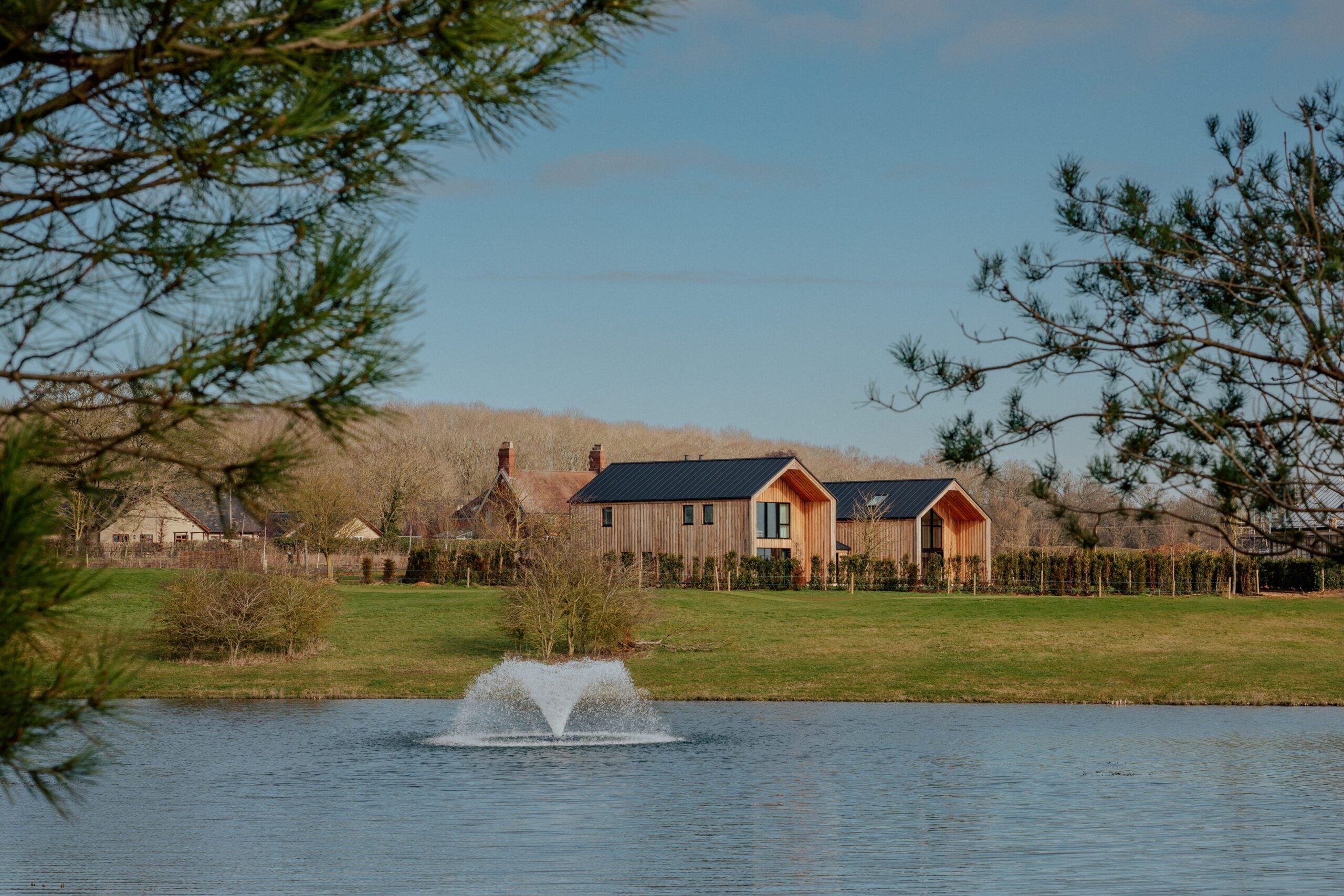
The latest to ride this wave comes from Nobu Hospitality, announcing its first countryside retreat by taking its members’ club model out of London and into the rural landscapes of Rutland in England’s East Midlands. Though no timeline has been given just yet, when the doors to Nobu Woolfox do open, the 185-acre site will host lake-view rooms, a signature Nobu restaurant and bar, spa, and branded residences, positioning itself as both “a destination and members club”.
“Nobu Woolfox is the opportunity to experience the Nobu lifestyle in a completely new environment,” co-founder Chris Riddle tells Elite Traveler. “Rather than the bustling energy typically associated with urban destinations, this retreat will center around a slower way of living.”
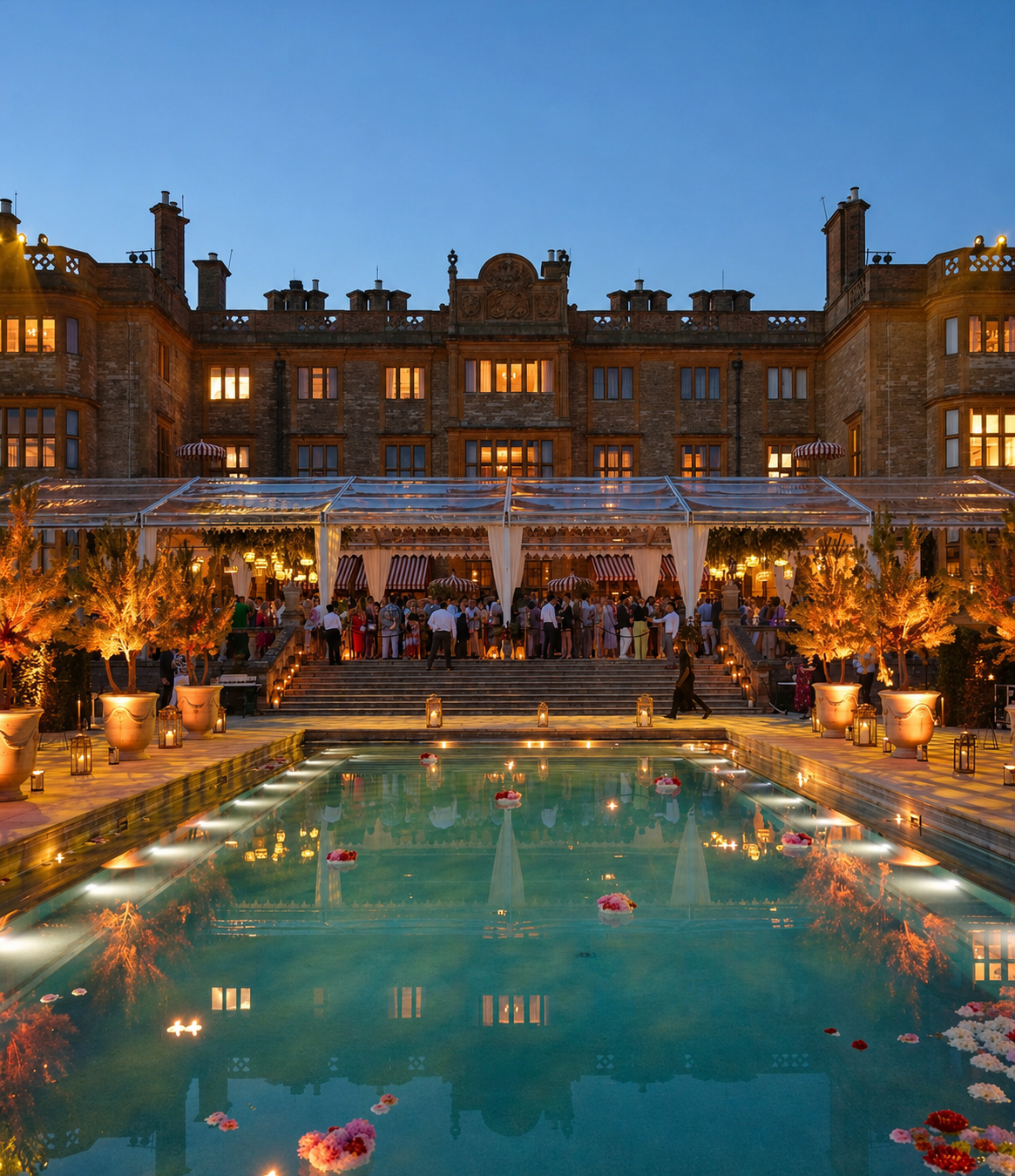
Nobu is just another trading the capital city for the English countryside. There’s the rural version of the City’s Ned, set to open within the next five years within ‘100 miles of the capital’; the somewhat infamous Groucho Club has earmarked a new venue in a Grade II listed Yorkshire estate; and then there’s the booming success of Estelle Manor in Oxfordshire, the lavish rural outpost of Mayfair’s Maison Estelle.
See also: The Top Wellness Suites in the World
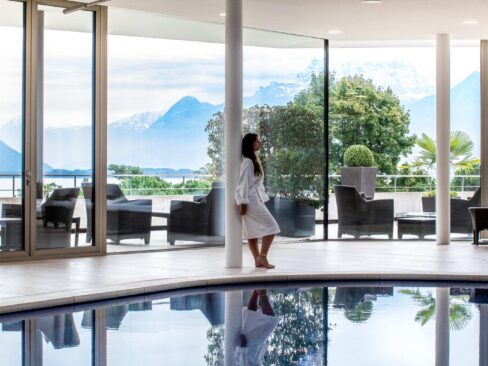
And alongside swapping city skylines for rolling acres, many of these new-generation clubs are also redefining what exclusivity looks like. The level of excess historically associated with private members’ clubs is increasingly being replaced by a softer form of luxury: longevity clinics, yoga studios, organic farm-to-table menus, and spaces designed for recovery over partying.
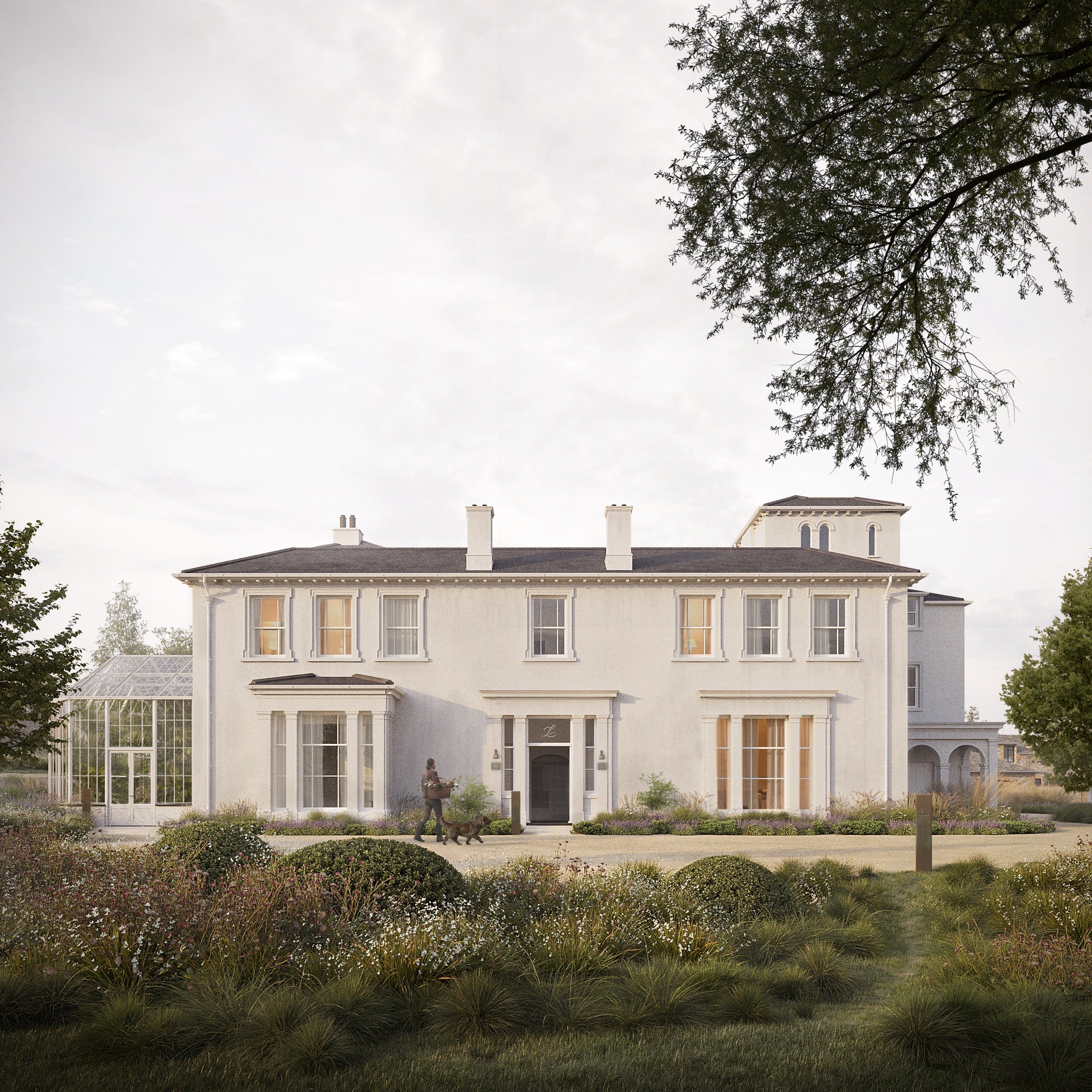
Perhaps the clearest example is Long Lane, slated to open this summer in the Sussex countryside and positioning itself as the UK’s first sober members’ club and hotel. Set within the historic Dunford House estate in West Sussex, it’s a far cry from the old Mayfair model of jackets-required formality; instead, Long Lane’s focus is on its wellness spaces, personalized nutrition programs, and health diagnostics.
“City members’ clubs offer temporary reprieve from busy, polluted, and over-stimulated environments, but you can only go so far in solving a problem inside the conditions that created it,” shares co-founder Loui Blake. “Every decision [at Long Lane] is made through the lens of supporting wellbeing. Thus, the no alcohol stance. The environment itself does much of the work: fresh air, quiet, space, and a community whose first priority is their health.”
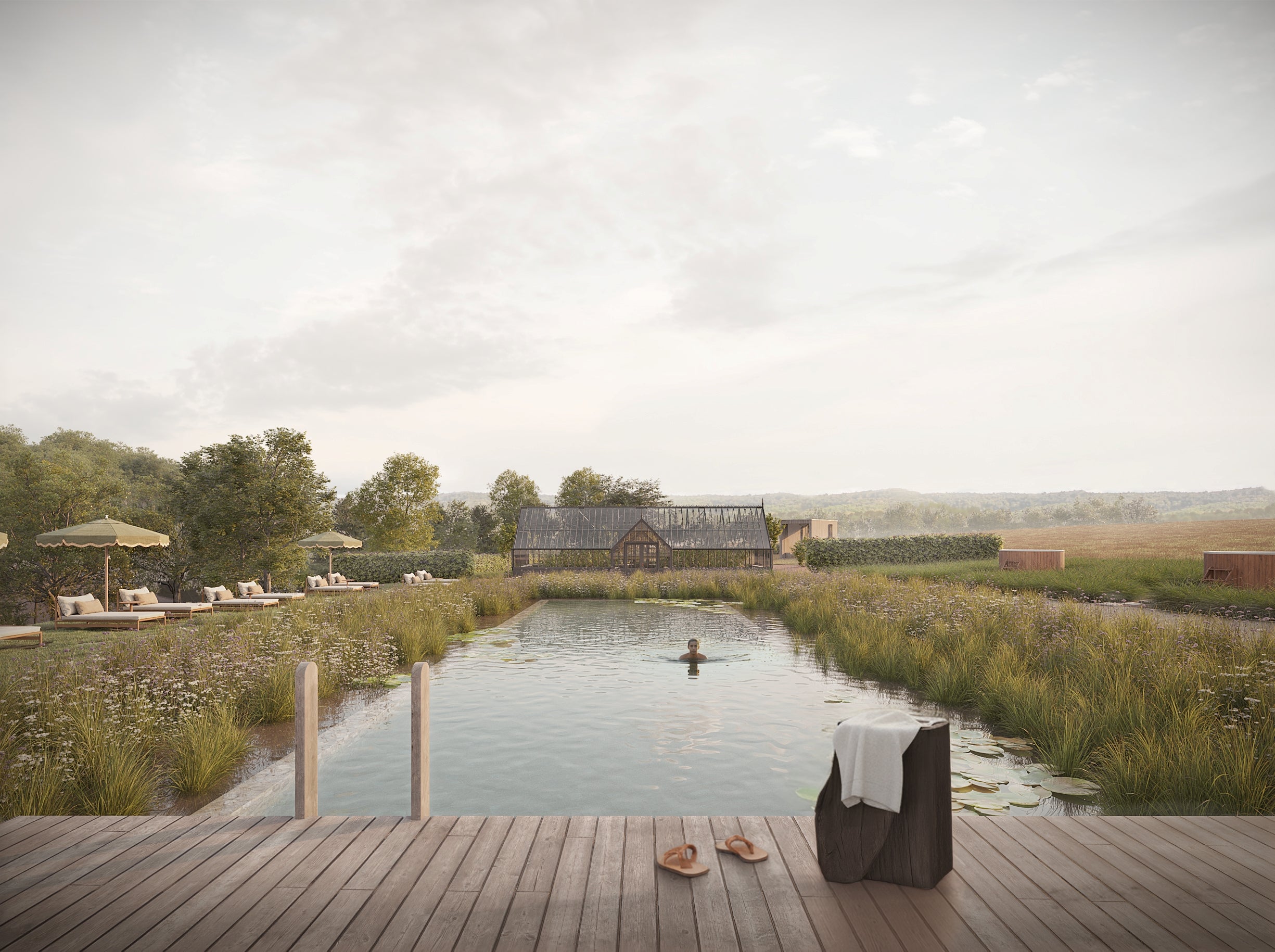
Long Lane offers two tiers of membership: one for the country club, which starts at £1,200 (approx. $1,600) a year, and the longevity tier at £6,000 (approx. $8,000), which grants members access to DNA testing, full body screenings, and ongoing consultations on health optimization. The entry point remains broad by design, as Blake is less interested in status but rather, “a shared decision to prioritise health and wellbeing. […] We’re exclusive by values, not status or price point,” he explains.
“Everyone here has opted in around the same priority. You’re not performing, you’re not drinking, you’re surrounded by people who’ve made the same decision about how they want to live, which makes connection significantly easier and more honest.”
Related Story

That idea marks a significant shift from the traditional, historical notion at the heart of the private members club, which traded on exclusivity, social standing, and who you knew. Today it is tied to lifestyle, with clients seeking access to space, silence, nature, and the promise of self-optimization. The guest list still exists, of course, but now it’s for getting in line for infrared saunas.
See also: Six Senses London Aims To Bring Calm to the City – But Does It Work?